The “updated” bathroom clue that tells you the plumbing might be rough
Bathroom listings love to brag about “updated” finishes, but a shiny vanity can hide plumbing that is already failing behind the walls. If you know how to read the clues in a remodeled bathroom, you can spot rough work before it turns into leaks, mold, or a five‑figure repair bill. The real tell is not the tile pattern or the faucet style, it is how the water moves, drains, and disappears once you start using the room.
By paying attention to subtle signs like odd noises, slow drains, or suspicious caulk lines, you can tell whether the renovation respected the basics of rough‑in plumbing or simply dressed up old problems. That awareness helps you negotiate a purchase, push a contractor to fix mistakes, or walk away from a bathroom that will cost you far more than it appears.
The real meaning of an “updated” bathroom
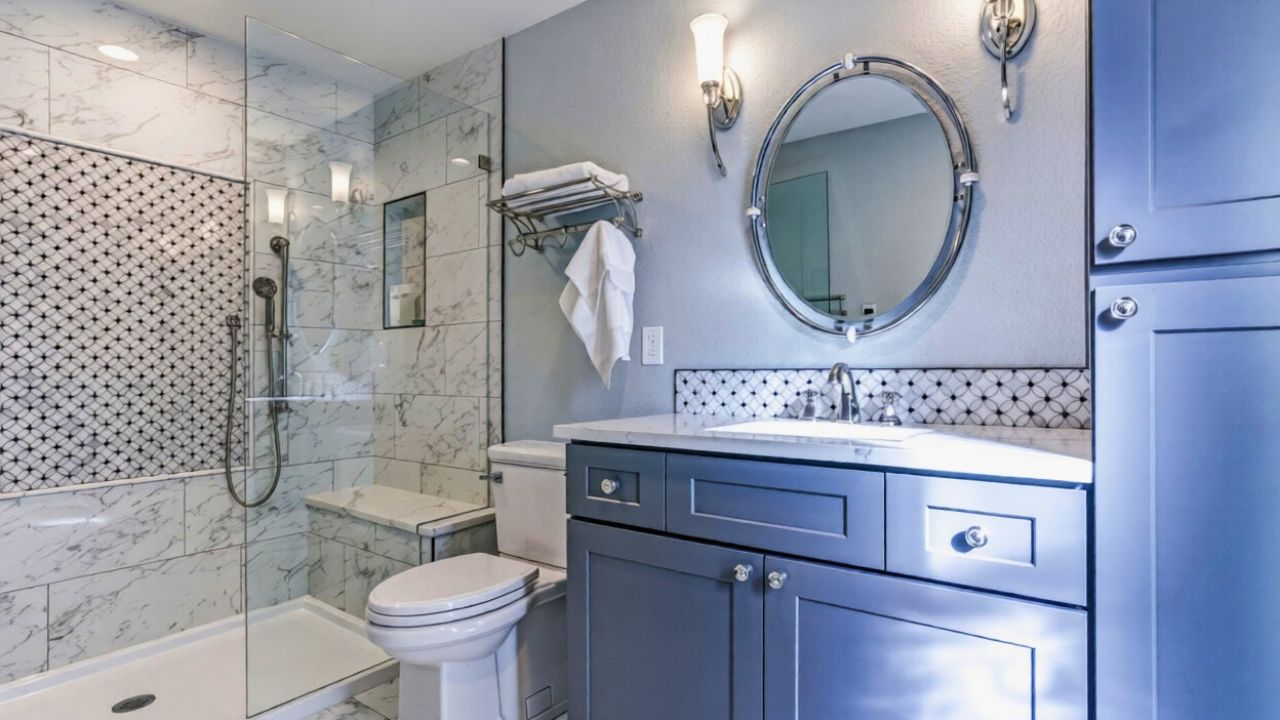
When a listing or contractor calls a bathroom “updated,” you are usually being shown surfaces, not systems. New tile, a floating vanity, and a rainfall shower can all be installed on top of pipes that were never moved, sized correctly, or vented properly. Inspectors and columnists who write about home repair repeatedly warn that a room can look fresh while hiding a poor plumbing job that only reveals itself once you live with it, from misaligned drains to supply lines that were never properly secured behind the wall, as detailed in guidance on signs of poor.
That disconnect matters because plumbing is not just another finish, it is a system that protects the rest of your house from water damage. If the rough‑in was rushed or improvised, you can end up with chronic leaks, sewer gas, or water pressure that swings from a trickle to a blast every time someone flushes. Professionals emphasize that you should judge an “updated” bathroom by how it behaves under normal use, not by how it photographs, and that means looking for functional red flags that point back to the hidden work.
Why rough‑in plumbing is the make‑or‑break stage
The rough‑in stage is where the real quality of a bathroom renovation is decided. This is when supply and drain lines are routed, slopes are set, and vents are tied into the rest of the system before any drywall or tile goes up. Specialists in renovation plumbing stress that Why Rough work is so critical: In Plumbing Really Matters Done right, the system will quietly serve you for decades. Done poorly, you will be chasing symptoms, from gurgling drains to recurring leaks, and paying to open finished walls just to reach the mistakes.
Because you cannot see rough‑in plumbing once the room is complete, you have to infer its quality from what you can observe. Consistent water pressure, drains that clear quickly, and fixtures that sit square and solid are all signs that the underlying layout and pipe sizing were handled correctly. On the other hand, if you notice fixtures crammed into corners, oddly placed access panels, or a toilet that sits far from the wall with a long exposed pipe, those are hints that the rough‑in was forced to fit the design instead of the other way around, which often leads to long term problems that only get more expensive to correct.
The updated‑but‑off layout that hints at shortcuts
One of the first clues that an “updated” bathroom may have rough plumbing is a layout that looks stylish but feels slightly off when you study it. A common pattern in rushed renovations is to drop a new vanity or shower in roughly the same spot as the old one, even if the drain location no longer lines up. Renovation plumbers describe frequent common mistakes where drains are extended with extra bends, vents are left too far from fixtures, or toilets are set on offset flanges just to make a design work, all of which can compromise performance.
You can often spot these compromises in small details. A sink whose drain pipe angles sharply before disappearing into the wall, a shower where the drain is noticeably off center in a new pan, or a toilet that rocks slightly when you sit down all suggest that the rough‑in did not match the new fixtures. Over time, those shortcuts can lead to chronic clogs, loose connections, and even cracked tiles around the base of fixtures as movement and water work on the weak spots, which is why layout oddities deserve more attention than the color of the grout.
Noises, odors, and other sensory red flags
Your ears and nose are often better inspectors than your eyes in a remodeled bathroom. Plumbing professionals list several Highlights that should get your attention: Unusual sounds from pipes when you turn water on or off, Strange odors from drains and fixtures, Low water pressure at certain taps, and Slow draining sinks or tubs. Those Unusual knocks, hisses, or gurgles can point to air trapped in lines, poorly secured pipes, or venting that was never tied in correctly during the renovation.
Odors are just as telling. Apr guidance on bathroom upgrades notes that Bad Odors and Stains are not just cosmetic, and that Persistent smells from drains often indicate trouble in your sewage or drainage system, sometimes from hidden leaks that are causing unseen damage behind walls or under floors, as described in advice on Bad Odors and. If a bathroom looks freshly updated but you catch a whiff of sewer gas or musty dampness, you are likely smelling the consequences of rough plumbing that was never properly sealed or vented.
Leaks, stains, and the $10,000 mistake
Water that shows up where it should not is one of the clearest signs that the underlying plumbing is in trouble, no matter how new the finishes look. Small leaks around the base of a toilet, under a vanity, or at the edge of a shower curb can signal that connections were not tightened, seals were not set correctly, or waterproofing was skipped. Plumbing checklists highlight Leaks and Puddles around fixtures as a warning that needs prompt attention to prevent further damage, because even slow drips can rot subfloors and framing if they are left to run behind the scenes.
The financial stakes are not theoretical. Service companies that see the aftermath of neglected plumbing talk about the $10,000 Mistake, warning that Why Ignoring These issues and other Plumbing Red Flags Will Destroy Your Home. They spell out The Cost of Ignoring Plumbing Issues, noting that a single undetected leak can easily reach $10,000 in repairs once you factor in mold remediation, structural repairs, and replacement finishes, a figure they also describe as $10,000 M in their cautionary framing of Plumbi risks. In an “updated” bathroom, fresh caulk over stained grout, newly painted baseboards with a slight wave, or a patch of mismatched tile can all be signs that someone tried to cover water damage instead of fixing the rough plumbing that caused it.
When a remodel looks new but behaves badly
Sometimes the clearest clue that the plumbing is rough is how quickly a new bathroom starts to misbehave. Home warranty experts who deal with renovation disputes point out that poor plumbing is often Mistake number one in a botched bathroom, and they list symptoms like knocking sounds when water is running, banging pipes when a tap is shut, and even noises when the water is completely turned off as signs that lines were not secured or sized correctly during the remodel, issues they group under Mistake #1. Whether the work was done by a rushed contractor or an overconfident do‑it‑yourselfer, those sounds are not normal in a properly executed system.
Beyond noises, you should watch how the room handles everyday use over a few days. If the shower floor starts to pool water in one corner, if grout lines darken near the drain, or if the vanity doors swell slightly at the bottom, you may be seeing the early signs of a failed waterproofing layer or a drain that was not set at the correct height. Renovation plumbers describe how Oct projects can go wrong when installers Imagine a sleek new bathroom but skip basic checks like flood testing a shower pan or verifying that the floor slopes correctly to the drain, as outlined in discussions of Leaks, Dampness or water pooling that will not go away. Those early performance issues are your cue to investigate before cosmetic damage becomes structural.
Hidden issues that surface during bigger renovations
If you are opening walls for a larger project, you have a rare chance to see whether the “updated” bathroom you inherited was built on solid plumbing or on improvisation. Contractors who handle whole house projects describe Common Unexpected Plumbing, explaining that When you expose framing you often find undersized drain lines, missing vents, or pipes that were simply buried in walls without proper supports. Those discoveries can explain years of odd behavior in a bathroom that never quite worked right despite looking modern.
During demolition, pay attention to what you see behind the tile and drywall. Crossed hot and cold lines, unprotected plastic pipes running tight against sharp framing, or drains that jog back and forth through studs are all signs that the original rough‑in was done to fit the moment, not to last. If you find multiple generations of patchwork repairs, with different pipe materials spliced together in short runs, that is another clue that previous owners were reacting to failures instead of addressing the underlying layout. Treat that as your opportunity to reset the system correctly while everything is open, rather than closing the walls again and hoping the problems do not return.
How to read the fixtures like a pro
Even without opening walls, you can learn a lot by studying the fixtures themselves. Start with the toilet: it should sit solidly on the floor, flush cleanly without needing multiple tries, and refill without a long hiss or gurgle. A toilet that rocks, takes too long to clear the bowl, or causes nearby drains to bubble can indicate a misaligned flange, an undersized drain, or venting issues that trace back to the rough‑in. Experienced columnists on home repair note that crooked shutoff valves, supply lines that are stretched tight, or escutcheons that do not sit flush against the wall are classic signs that the installer was fighting the existing plumbing instead of correcting it.
At the sink and shower, look for consistency and control. Water should come on smoothly, with temperature changes that are easy to dial in, and drains should clear without leaving a ring of residue. If you see water backing up around the drain while the tap is running at normal pressure, or if the shower only drains fully several minutes after you step out, that Slow performance points to either a partially blocked line or a slope problem in the drain piping. Professionals who outline puddles and other warning signs emphasize that you should not accept chronic standing water as a quirk of the design, because it usually reflects a correctable flaw in the hidden system.
Protecting yourself before and after you move in
Once you know that an “updated” bathroom can hide rough plumbing, you can build that awareness into your decisions. During a purchase, insist on running every fixture for several minutes, flushing toilets repeatedly, and checking adjacent rooms and ceilings for any signs of moisture or staining. If you notice any of the red flags described in professional checklists of warning signs, consider bringing in a licensed plumber for a focused inspection before you close, or negotiate a credit that reflects the potential cost of opening walls to correct rough‑in work.
Like Fix It Homestead’s content? Be sure to follow us.
Here’s more from us:
- I made Joanna Gaines’s Friendsgiving casserole and here is what I would keep
- Pump Shotguns That Jam the Moment You Actually Need Them
- The First 5 Things Guests Notice About Your Living Room at Christmas
- What Caliber Works Best for Groundhogs, Armadillos, and Other Digging Pests?
- Rifles worth keeping by the back door on any rural property
*This article was developed with AI-powered tools and has been carefully reviewed by our editors.