The upkeep mistakes that are aging homes faster than expected
Your house can look a decade older than it is long before anything truly “wears out.” The fastest aging often comes from small upkeep mistakes that quietly scar finishes, strain systems, and invite moisture where it never should be. Ignore those details and you do not just accept cosmetic decline, you accelerate structural problems and future repair bills.
Treat maintenance as an afterthought and you effectively trade a predictable schedule of small tasks for surprise crises that hit your budget and your home’s value. By spotting the habits that prematurely age a property, you can slow that clock, protect what you already own, and keep your place feeling solid and current far longer than the builder ever promised.
1. Treating maintenance as optional “when you get to it”
Turn upkeep into a someday project and your home responds by aging in fast‑forward. Skipping routine checks on your roof, plumbing, and heating or cooling equipment gives minor wear time to grow into visible sagging, stains, and failures that make the entire property feel tired. One guide on Home Maintenance Mistakes even lists “Not Doing Any Maintenance” as the first and most damaging habit, noting that neglect is the root cause behind many later repairs.
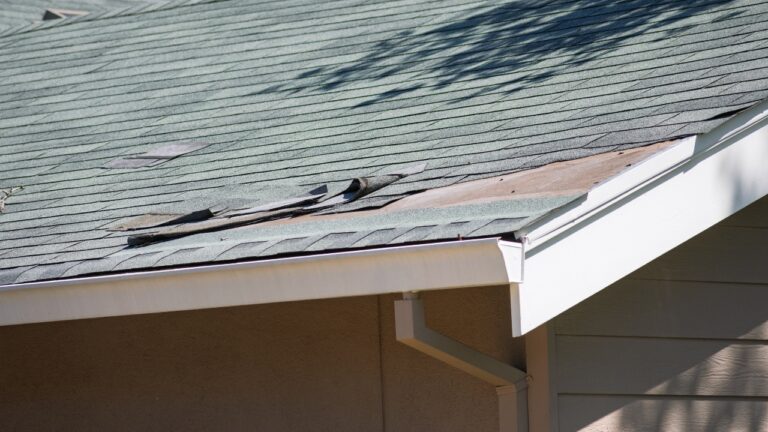
Push off chores like cleaning gutters, testing smoke detectors, or sealing gaps around windows and you also lose the chance to catch early warning signs. A loose shingle, a faint water ring on a ceiling, or a short‑cycling HVAC unit rarely fix themselves. Instead, they quietly undermine your roof deck, drywall, or major systems until you are forced into emergency mode. You can avoid that spiral by treating a basic checklist as non‑negotiable, not as a nice‑to‑have when life slows down.
2. Letting water roam where it wants
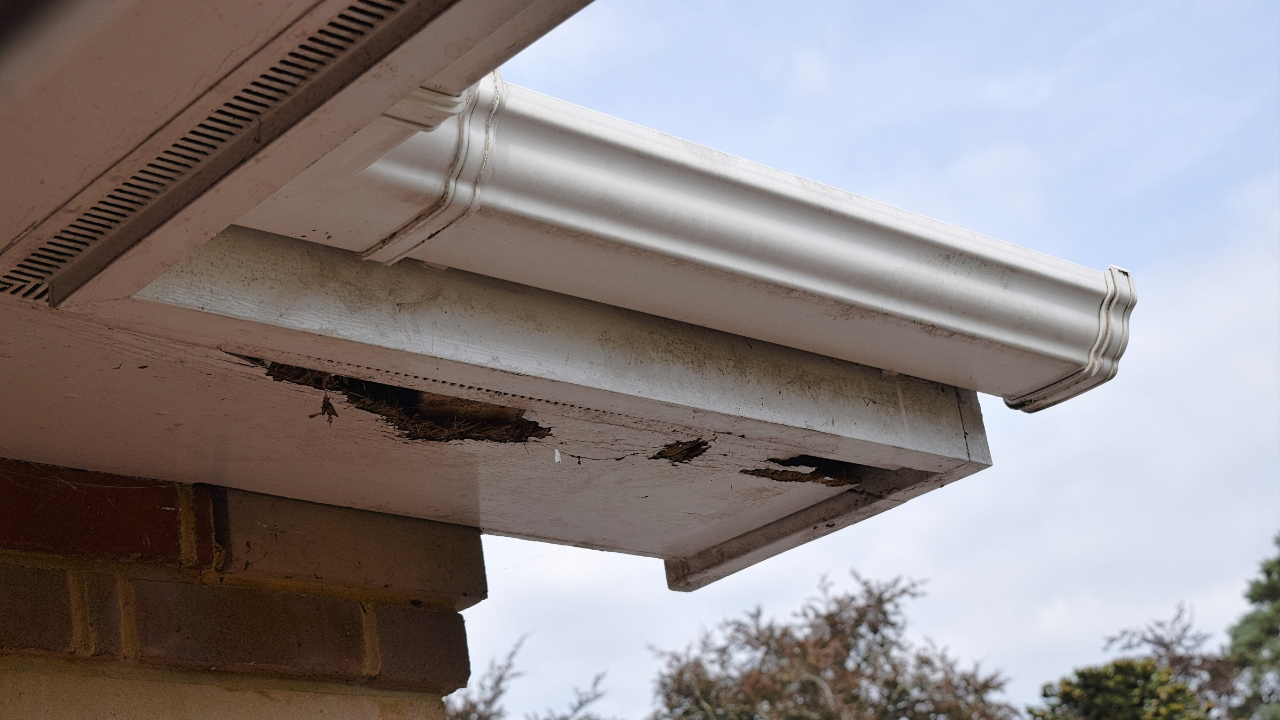
Water ages a home faster than almost any other force, and you usually see the cosmetic clues long after the real damage has begun. A small plumbing drip inside a wall or a slow leak under a sink can feed mold, rot framing, and stain finishes before you ever notice a puddle. One detailed guide on hidden issues describes how Water damage from and aging plumbing is one of the most common and destructive problems you face, and how early detection can save thousands in repairs.
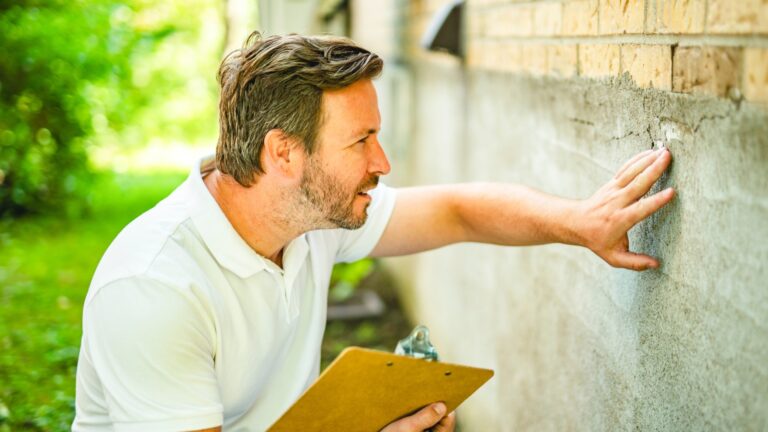
Outside, water is just as relentless. If your grading slopes toward your foundation or your downspouts dump water at the base of your walls, you invite cracks, shifting, and basement seepage that make a home feel older and less solid. Inspectors warn that Oh No, Water is the number one cause of damage in all homes, especially older ones, and they urge you to Look for missing or damaged roof shingles and signs of water at the foundation wall. Treat every unexplained stain, musty odor, or damp corner as a sign that water is roaming where it wants, then track it back to the source before it rewrites your home’s lifespan.
3. Ignoring the roof and exterior shell
Your roof and exterior walls act as the skin of your home, and when you ignore them, everything underneath starts to age faster. A national checklist warns that a neglected Roof can deteriorate, lose shingles, and develop moss buildup that makes it easier for water to slip inside. Once that happens, you are no longer just dealing with worn shingles, you are dealing with compromised sheathing, stained ceilings, and insulation that no longer performs.
The same pattern plays out on siding, trim, and paint. Let caulk fail around windows or allow paint to peel on wood and moisture works into the material and accelerates decay. That neglect shows up as warped boards, soft spots, and faded, chalky surfaces that instantly date the property. A quick walkthrough of your exterior, including any trees within 30 feet of a home that could threaten the shell, can catch those issues before they become the reason your place looks decades older than the calendar suggests.
4. Letting seasonal chores slip, especially in spring
Seasonal maintenance is less about tradition and more about timing, because certain problems only reveal themselves at specific times of year. In spring, for example, you have a narrow window to clear winter debris, check drainage, and seal openings before insects and moisture move in. One guide to spring home upkeep warns that seven common mistakes, such as skipping gutter cleaning or ignoring grading, can invite pest problems and structural damage if you overlook them.
Treat spring as purely cosmetic cleaning and you miss the chance to reset your home before heavy rains and summer heat. Failing to service exterior faucets, inspect decks for rot, or repair small cracks in walkways lets water and plant roots exploit those weaknesses all season. By fall, what could have been a quick caulking job or a minor patch becomes a trip hazard, a sagging stair, or a moisture path into your foundation. Building a seasonal rhythm into your calendar keeps small tasks small and stops the year from carving deep lines into your property.
5. Overlooking structural hints and foundation stress
Structural problems rarely appear overnight. Your home usually whispers for years through hairline cracks, sticking doors, and uneven floors before anything dramatic happens. A detailed breakdown of aging properties notes that Structural Wear and are among the most concerning challenges, since shifting or settling can quietly damage walls and floors. When you dismiss those hints as “just old house quirks,” you let the structure age faster than it has to.
Water again plays a starring role. Poor drainage, clogged gutters, and downspouts that end at the base of your walls concentrate moisture at the foundation. Over time, that saturation can cause cracks and movement that show up as gaps at trim, sloping floors, or doors that no longer latch. Inspectors urge you to Let those clues guide you to the source instead of simply sanding a sticking door or repainting a cracked corner. By addressing grading, drainage, and soil movement early, you keep your home’s bones younger and avoid the kind of repairs that instantly reveal an advanced age to any buyer or appraiser.
6. Neglecting HVAC, ventilation, and “hidden” systems
Your heating, ventilation, and air conditioning equipment works out of sight, yet it has an outsized effect on how old your home feels. Skip filter changes or regular service and your HVAC runs longer, struggles to keep up, and can fail years earlier than expected. One review of Bad Home Maintenance calls these issues The Silent Threats and singles out Forgetting Regular HVAC Maintenance as a common mistake that undermines comfort and system life. Since HVAC is one of your five major home systems, neglect here ages both the equipment and the interior finishes that suffer from poor humidity control.
Ventilation problems add another layer. Bathrooms without working fans, kitchens without proper exhaust, and attics that trap heat all contribute to peeling paint, warped trim, and persistent odors that make a house feel stale. Over time, that trapped moisture can feed mold behind walls and in insulation. By treating HVAC and ventilation as core parts of your home’s health rather than background utilities, you keep surfaces drier, air fresher, and energy bills closer to what you would expect from a younger property.
7. Letting dirt, clutter, and bad cleaning habits age the look
Not every sign of age comes from structural wear. Sometimes your home simply looks older because it is dirty. A cleaning guide on the Home Aging Effect explains that Homes can seem older than they really are when grime, dust, and buildup mask the true condition of surfaces. Dingy baseboards, stained grout, and dusty vents all send a visual signal that the property has more miles on it than the records show.
Cleaning mistakes can also cause real damage. The same analysis of Mistake patterns warns that harsh chemicals or abrasive tools on delicate finishes can force you into repairs that would not have been needed otherwise. Scrubbing hardwood with too much water, using scouring pads on stainless steel, or bleaching natural stone all shorten the life of those materials. A consistent, gentle cleaning routine paired with the right products keeps your home looking fresh without eroding the very surfaces you are trying to protect.
8. Skipping small repairs that signal bigger trouble
Little defects often act as the early chapters of much bigger stories. Ignore a dripping faucet, a hairline crack in drywall, or a loose piece of trim and you give those issues time to spread and multiply. A repair guide on Interior work notes that Drywall cracks & holes and leaky faucets rank among the most common home repairs, and that Small issues can turn into bigger problems if ignored. When you patch only the cosmetic symptom without asking why it appeared, you risk missing the underlying leak, movement, or stress that will keep coming back.
Mechanical neglect fits the same pattern. Home insurers warn that Forgetting tasks like cleaning refrigerator coils or flushing a water heater can shorten appliance life and leave you on the hook for replacement costs. Let those small jobs slide and you are effectively choosing a future where your systems fail earlier and more often. Tackling minor repairs promptly and tracing them back to their root cause keeps your home from accumulating the scars and mismatched fixes that make it look older than it is.
9. Building and spending decisions that lock in faster aging
Some aging starts the day a house is built. Poor design choices, thin materials, and shortcuts in construction can make a property look 20 years old after just 5 years. A discussion of BUILDING MISTAKES THAT age faster highlights how inadequate waterproofing, weak foundations, and poor detailing around openings all speed up wear. Add cosmetic upgrades on top of those flaws instead of addressing them and you lock in a cycle where fresh finishes quickly look tired because the structure underneath keeps moving or leaking.
Your spending habits after move‑in can have the same effect. Financial advisors warn new owners not to assume they are done with big bills once the mortgage is paid. One expert, Ron Myers of, puts it bluntly: Just because the mortgage is paid off does not mean the expenses stop, and deferred maintenance can be an additional financial drain. If you pour every spare dollar into decor while postponing roof work, drainage fixes, or system upgrades, your home will wear its age on the outside long before you finish paying for what is inside.
Like Fix It Homestead’s content? Be sure to follow us.
Here’s more from us:
- I made Joanna Gaines’s Friendsgiving casserole and here is what I would keep
- Pump Shotguns That Jam the Moment You Actually Need Them
- The First 5 Things Guests Notice About Your Living Room at Christmas
- What Caliber Works Best for Groundhogs, Armadillos, and Other Digging Pests?
- Rifles worth keeping by the back door on any rural property
*This article was developed with AI-powered tools and has been carefully reviewed by our editors.