The weak spots storms exposed — and many homes still have
Photo credit: Bilanol/Shutterstock.com
Storms have a way of finding the flaws you live with every day and turning them into emergencies. When wind, water, and debris hit, they go straight for the same weak spots where builders cut corners and owners postpone repairs, which is why so many homes fail in familiar ways each season. By understanding where those vulnerabilities are in your own house, you can turn exposed liabilities into reinforced lines of defense before the next round of severe weather arrives.
1. Why storms keep finding the same weak spots
You may think of your home as a solid box, but to a storm it looks more like a collection of seams and openings. Anywhere the building envelope changes material or shape, such as around a window frame or where a roof meets a wall, wind and water can work their way in. Restoration specialists describe how Roof Takes the because it sits fully exposed, then damage cascades into siding, insulation, and interiors once that outer shell is breached.
Once you start Identifying Your Home, you see how many of those seams exist. Roof edges, door thresholds, window sills, garage door tracks, and foundation joints all behave differently under stress, so a storm only needs one to fail to get inside. You reduce your risk not by chasing every possible scenario, but by methodically strengthening the handful of places that consistently suffer the worst damage.
2. Roofs: your first line of defense and first point of failure
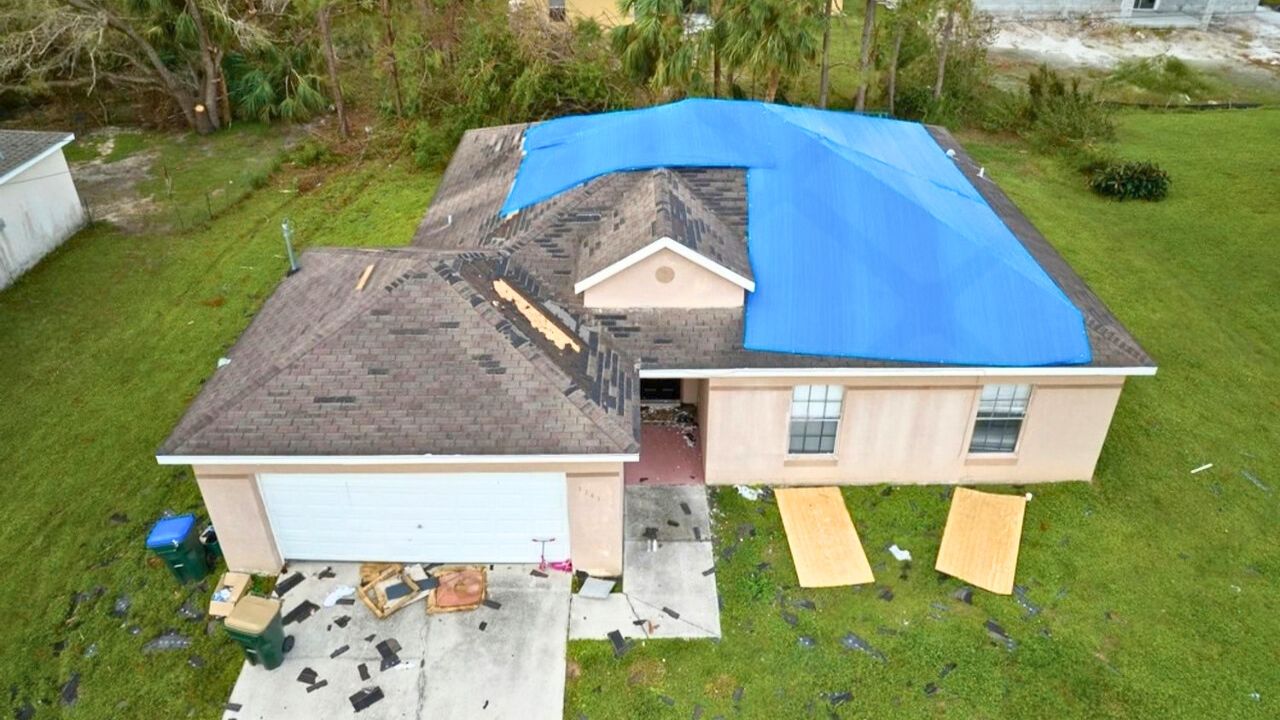
The roof is the surface that absorbs the full force of wind, rain, hail, and flying debris, which is why so many loss reports start with missing shingles and punctured decking. Restoration firms describe how Types of Storm often begin with compromised roofing, then quickly extend to soaked insulation and interior ceilings. When high winds lift shingles or tiles, even slightly, water is free to track along nails and seams into the layers you never see.
Inspectors point out that Roofing Complications after a storm are not limited to obvious holes. Granule loss on asphalt shingles, bent flashing, and loose ridge caps can all signal that wind has stressed the system enough to shorten its life, even if leaks have not started yet. By scheduling regular roof checks, especially after major events, you give yourself a chance to repair small failures before they escalate into structural rot or mold inside your attic.
3. Doors and garage doors: the openings storms love
Every opening in your exterior wall is a potential pressure valve in a storm, and Doors are especially vulnerable because they combine moving parts with large surface areas. Guidance for hurricane regions stresses that any entrance exposed to direct wind can fail if its frame is weak, its hinges are undersized, or its latch hardware is loose. Once a door blows in, internal pressure can rise fast enough to lift sections of roof or push out nearby windows.
Garage doors are an even bigger weak point because of their width and the thin panels used in many older homes. In coastal markets, analysts warn that Doors are a in hurricane winds, and that you should Make sure any garage opening has bracing or an impact rated design that can hold up to major winds. If you retrofit nothing else, reinforcing or replacing a flimsy garage door can dramatically lower the chance that wind will pressurize your entire interior and trigger catastrophic structural damage.
4. Windows and glass: beautiful views, fragile barriers
Large glass areas give you light and views, but to a storm they look like thin, brittle targets. In hurricane conditions, debris such as broken branches or loose roof tiles can shatter unprotected glass on impact, leaving jagged openings that let wind and rain pour into living spaces. Coastal building experts treat Areas of Your at Risk During Hurricanes as including standard windows that lack impact rated glazing or shutters, because once a pane fails, the surrounding frame and wall can quickly follow.
Even away from the coast, high winds can turn gravel, patio furniture, or roof fragments into projectiles that behave the same way. Insurance adjusters routinely document Broken windows and as early signs of serious water intrusion and potential mold growth or structural instability. Adding laminated glass, storm panels, or even temporary plywood covers you can deploy quickly gives those fragile surfaces a fighting chance to stay intact when gusts and debris hit hardest.
5. Foundations and water: damage that starts below your feet
While you watch shingles and branches blow around overhead, long lasting damage often starts at ground level where water collects. Prolonged rain and localized flooding can saturate soil, then push that moisture against your slab or crawlspace walls. Inspectors in Texas describe how Signs Your Home by a Storm include doors that suddenly stick and new cracks in drywall, which can signal that shifting soil and trapped water are stressing both your foundation and home.
Once water finds a path under or along your foundation, it can also seep into flooring systems and wall cavities. Georgia based inspectors warn that Summer storms in the Southeast, especially across Atlanta, Alpharetta, and Athens, routinely leave behind hidden moisture that feeds mold long after puddles disappear. Pairing good grading and drainage with periodic checks of your slab, crawlspace, or basement reduces the odds that a single storm quietly sets up years of structural and air quality problems.
6. Hidden structural shifts you only notice later
Not all storm damage announces itself with a leak or a fallen branch. Structural experts caution that Some damage is, but less noticeable changes such as windows that no longer open and close correctly can signal that frames have racked or that the building has shifted slightly. If you ignore those subtle clues, you may only discover the full extent of the problem when a later storm exploits the weakened joints.
Storm restoration teams advise you to walk your property slowly once conditions are safe and treat anything that feels different as a possible warning. A door that sticks, a new hairline crack over an interior doorway, or a porch post that looks slightly off plumb can all point to movement under load. Bringing in a qualified inspector early gives you a chance to stabilize framing and connections before the next round of wind and water pushes those stressed components past their breaking point.
7. How climate and aging homes widen the gap
Climate scientists at NOAA have warned that the Atlantic basin is likely to see another active hurricane season, and their outlook for another active Atlantic means you have less margin for outdated construction. Older properties built before modern wind and flood standards simply face more intense storms than their original designers anticipated. That gap shows up most clearly in aging roofs, unreinforced masonry, and single pane windows that were never intended to resist today’s extremes.
Vacation properties often lag even further behind. Analysts tracking coastal markets report that Beach communities such as Ocean City, Maryland, and Rehoboth Beach, Delaware, have experienced more frequent wind driven storms, yet many owners still rely on outdated shutters and infrequent inspections. If you only visit a property for short periods, you are more likely to delay upgrades or miss slow developing issues like corrosion and rot, which leaves the building especially vulnerable when the next major system comes ashore.
8. Practical steps to assess and reinforce your home
You cannot control where the next storm tracks, but you can control how prepared your structure is when it arrives. Risk specialists recommend that you Assess Your Home and its Vulnerability to Severe Weather by starting with a simple checklist of roof condition, window and door integrity, and drainage. From there, you can prioritize upgrades such as impact resistant windows, reinforced doors, and improved water shedding around your foundation, which often deliver far more risk reduction than cosmetic projects.
Storm readiness also involves choices about materials and systems. Guidance for hurricane regions highlights the value of hurricane proof your doors with stronger tracks and bracing, as well as using flood resistant flooring in ground level rooms that are most likely to get wet. When you combine those targeted investments with regular maintenance, such as clearing gutters and trimming trees, you shift your home from passive target to actively managed asset that can better withstand repeated hits.
9. Learning from recent storms so you are not surprised next time
Recent extreme weather has already provided a preview of what repeated stress can do to aging infrastructure and housing. Energy analysts examining Winter Storm Fern noted that But the storm revealed the grid’s real weakness in lots of old utility poles and wires, not the power plants themselves, which mirrors what you see at the household scale when older components fail first. In the same way, winter restoration crews report that Common Weak Spots include Flashing Around Chimneys and Skylights, where metal that seals the joints is often Damaged by Wind or Age long before the rest of the roof wears out.
Home inspectors and restoration companies therefore encourage you to treat each storm as a stress test rather than an isolated event. When you see Roof Damage as one of the first warning signs after severe weather, or notice that Guard your windows with shutters or film becomes standard advice, you can respond by upgrading those known failure points instead of simply patching them. If you keep learning from each event and steadily reinforcing the same handful of vulnerable areas, your home is far less likely to be caught with the weak spots that storms have already exposed.
Like Fix It Homestead’s content? Be sure to follow us.
Here’s more from us:
- I made Joanna Gaines’s Friendsgiving casserole and here is what I would keep
- Pump Shotguns That Jam the Moment You Actually Need Them
- The First 5 Things Guests Notice About Your Living Room at Christmas
- What Caliber Works Best for Groundhogs, Armadillos, and Other Digging Pests?
- Rifles worth keeping by the back door on any rural property
*This article was developed with AI-powered tools and has been carefully reviewed by our editors.