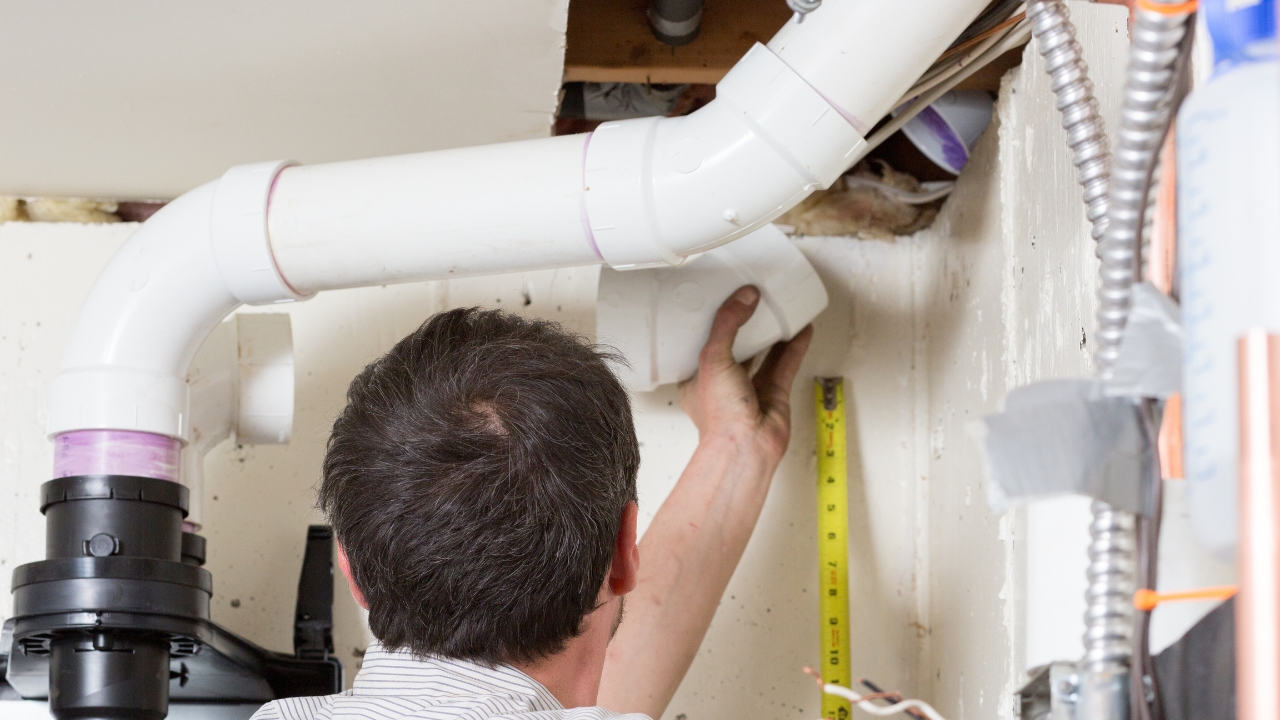
The venting detail that can force a bigger job than you planned
Every homeowner who has opened a wall or roof for a “simple” plumbing fix learns the same lesson: the venting details you cannot see are often what turn a quick repair into a full‑scale project. The pipes that quietly move air through your drains are tightly regulated, structurally sensitive, and unforgiving when you get them wrong. If you underestimate them, you can find yourself tearing into finished roofs, reframing walls, or re‑running entire drain lines just to satisfy code and keep your house from smelling like a sewer.
Understanding how those vents are supposed to work, where the codes draw hard lines, and which small mistakes trigger big corrections gives you a chance to plan properly before you cut the first hole. It also helps you push back, knowledgeably, when a bid suddenly balloons because of “venting issues” that should have been anticipated from the start.
Why venting is the hidden backbone of your plumbing job
When you picture your plumbing system, you probably think in terms of drains and supply lines, not the airways that let wastewater move without gurgling or siphoning traps dry. Yet the vent network is what keeps every flush and drain from fighting a vacuum, which is why modern codes treat it as a core part of the drainage, waste, and vent (DWV) system rather than an optional accessory. In practice, that means any time you move a fixture, change a drain size, or reroute a stack, you are also taking on the responsibility to keep the venting pattern compliant, even if you never planned to touch the roof.
Once you open that door, the rules get specific fast. The 2018 International Plumbing Code devotes an entire chapter to Vents, spelling out how they must connect, how far they can run, and what diameters they need to maintain to protect trap seals. Those details are not academic. If your new layout violates a distance, slope, or sizing requirement, the inspector can insist that you extend or relocate vents, which may mean cutting into additional walls or ceilings you never intended to disturb. That is how a modest bathroom refresh can quietly morph into a multi‑room renovation.
The code clauses that quietly expand your scope
The most common surprise is that vent pipes are not just “any size that fits.” Under section 906.2 of the International Plumbing Code, the diameter of individual vents, branch vents, circuit vents, and relief vents is tied to the size of the drains they serve, with minimums such as 1 1/4 inch (32 mm) in size. If your existing house was built under a looser standard and you touch that system today, you may be required to upsize sections of vent piping to meet the current table. That can force you to open more framing to fit larger pipe or reroute around structural members that no longer clear the new diameter.
Distance rules create similar ripple effects. Guidance on Methods of Venting Plumbing Fixtures and Traps under the IPC explains that how vents connect is based on trap arm length, fixture load, and pipe slope, not just convenience. If you move a sink or shower even a short distance, the trap arm may now exceed the allowed run before it reaches a vent, which can force you to add a new vent line or convert to a different venting method. Each of those fixes means more pipe, more fittings, and more demolition than you probably budgeted when you thought you were only “shifting the vanity a bit to the left.”
Roof penetrations: the small extension that becomes a big project
Once your vent lines reach the attic, they still have to exit the building correctly, and that is where many projects suddenly involve roofing work. The International Plumbing Code requires that vent terminations extend above the roof to a specific height so sewer gases disperse safely and snow or standing water cannot block the opening. Industry guidance on vent pipe extensions notes that the code section on roof extension, Plumbing 904.1, sets minimum clearances that vary with roof use and local conditions, which means a stubby pipe that once passed inspection may no longer be acceptable if you rework the roof or change the occupancy.
Roofing specialists also point out that all open vent pipes that penetrate a roof must be properly flashed and, in many jurisdictions, extended to at least 24 inches (609.6 mm) or even 84 inches (2134 mm) above the roof surface, depending on how the roof is accessed. When you adjust vent locations or heights to meet those requirements, you are not just gluing on a coupling. You may need to coordinate with a roofer to install new boots, patch shingles, or rework membranes so the penetrations stay watertight, as highlighted in guidance on vent pipe extensions. That coordination adds labor, staging, and sometimes scaffolding, which is why a modest plumbing change can suddenly carry a line item for roof work you never saw coming.
Frost, flashing, and the weather risks you inherit
Climate adds another layer of complexity that can expand your job. In colder regions, the International Plumbing Code warns about frost closure, where moisture in vent gases condenses and freezes at the terminal, gradually choking off airflow. To prevent that, the code requires vent terminals to be sized and located so they are less likely to ice over, which can mean upsizing the portion of the vent that passes through unheated space or raising it higher above the roof. If your remodel touches the vent stack in a snow‑prone area, the inspector may insist that you correct an undersized or poorly placed terminal, even if it has “worked fine for years,” and that can mean more attic and roof work than you planned.
Weather also punishes the details around the vent, not just the pipe itself. The 2024 Plumbing Code Essentials notes that Vent Termination The most common termination of vents is through the roof, and it explicitly calls for Approved flashing material to prevent leaks where the pipe penetrates the roofing. If your project exposes a brittle boot or corroded flashing, you cannot ethically close the ceiling back up without addressing it. Replacing those components can mean removing more roofing than you expected, and if the surrounding materials are aged or fragile, the repair area can grow quickly, turning a simple vent adjustment into a partial reroof.
Inside the walls: when one vent change triggers structural work
Below the roofline, venting decisions can collide with framing realities. A vent stack that once threaded neatly through 2×4 studs may need to be upsized or shifted to meet modern spacing and connection rules, and that new path might not fit inside existing cavities. If you discover that the only way to run a compliant vent is through a load‑bearing wall or a tight joist bay, you may be forced to involve a structural contractor to add headers, reinforce framing, or reroute around beams. Those changes are rarely part of a homeowner’s initial mental picture when they approve a “simple” bathroom reconfiguration.
Because the IPC treats vents as an integrated network, you also cannot always abandon or cap an old vent line in place. The chapter on Vents ties vent sizing and connectivity to the total fixture load and layout, so removing one branch may require recalculating the capacity of the remaining stack and headers. In some cases, that means adding a new vent header or relief vent to keep the system balanced, which can involve opening additional walls on other floors. What looked like a localized change at one vanity can ripple vertically through the house, especially in multi‑story buildings where the main stack passes through closets or chases you had not planned to disturb.
The many types of vents you might be forced to add
Another way a job grows is when you discover that the existing system relies on shortcuts that no longer pass muster. Modern practice recognizes a range of vent types, from individual vents that serve a single trap to branch vents, circuit vents, relief vents, common vents, and full vent stacks. A detailed overview of the variety of plumbing vents explains how each style is used to protect traps in different fixture groupings, such as back‑to‑back bathrooms or long banks of fixtures. If your remodel changes how those fixtures are arranged, you may lose the ability to rely on a shared vent and instead be required to add new individual or relief vents, each of which needs its own path through framing and, often, to the roof.
Code commentary on venting methods under the IPC reinforces that the choice between, say, a circuit vent and a common vent is not just a design preference but a matter of meeting specific criteria for pipe size, slope, and fixture count. The brochure on Methods of Venting Plumbing Fixtures and Traps notes that the vents as they connect are based only on the required vent size and the number of fixtures, which means that once you add a shower, relocate a toilet, or convert a tub, the old configuration may no longer qualify. At that point, your contractor may have no choice but to re‑engineer the venting scheme, which can turn a targeted update into a near‑gut of the affected bathroom or kitchen.
Clogs, damage, and leaks that force you to open more than planned
Even if you are not changing the layout, existing vent problems can hijack your project. Contractors who investigate sluggish drains often find that the real culprit is not the trap or the main sewer line but a blocked vent. One guide to plumbing vent inspections notes that camera work and smoke testing are sometimes needed to confirm that the DWV system meets code and is free of hidden obstructions. If your plumber discovers a blockage while working on a seemingly unrelated fixture, they may need to open walls or the roof to clear or replace the affected section, expanding the job well beyond your original scope.
Exterior portions of the vent are especially vulnerable. Reporting on Clogged vents notes that over time, debris such as Leaves, bird nests, or even small animals can fall into roof vents and nest in open vent pipes, restricting airflow. Other troubleshooting guides on Common Plumbing Vent Problems explain that exposure to sun, wind, and temperature swings can crack or deform vent pipe above the roof, potentially damaging your plumbing system. Once those issues are uncovered during a remodel, you cannot responsibly ignore them, so a job that started at the bathroom floor can end with ladder work, roof repairs, and replacement of brittle exterior piping.
Water where it should be air: when vent leaks change the plan
Sometimes the vent itself becomes a water problem, which is almost guaranteed to expand your project. If you notice staining around a vent penetration or hear dripping in a wall, you may be dealing with a vent that is cracked, poorly flashed, or sloped incorrectly so condensation and rainwater collect instead of draining away. A detailed homeowner guide on Plumbing Vent Leaking Water explains that a damaged or cracked vent can allow water to enter the building envelope, threatening finishes and framing and shortening the longevity of your plumbing vents. Once you open a ceiling to fix that leak, you may find saturated insulation, mold, or rot that must be remediated, turning a vent repair into a partial restoration project.
Other times, the leak is a symptom of deeper design flaws. An analysis of What Are Common Causes of Plumbing Vent Leaking Water notes that Your home’s plumbing system does a lot behind the scenes, and improper vent terminations or missing flashing can let rain follow the pipe into the structure. Correcting those mistakes may require not only replacing the vent components but also reworking the roof penetration, adjusting slopes, and adding proper supports so the problem does not recur. Each of those steps adds time and cost, and because water damage is involved, you may also need to coordinate with your insurer or a remediation specialist, further complicating what you thought would be a straightforward plumbing visit.
How to keep a vent detail from hijacking your renovation
You cannot eliminate the complexity of venting, but you can keep it from blindsiding you. The first step is to treat vent work as a central part of any plumbing‑heavy project, not an afterthought. Ask your contractor early how they plan to handle vent sizing, routing, and roof terminations, and insist that their bid reflects any likely code upgrades tied to sections like 903.2 on frost closure and the related vent terminal rules. If your home is older, budget for the possibility that some vents will need to be upsized or rerouted to meet current standards, and consider combining that work with other planned wall or roof access so you only open those assemblies once.
It also pays to be proactive about maintenance so existing problems do not surface at the worst possible moment. Periodic checks for Vent Pipe Damage: exposure to weather, debris buildup, or animal activity can catch issues before they force emergency repairs. When you do schedule a remodel, ask whether a camera or smoke test of the vent system is warranted so hidden defects are addressed while walls are already open. By treating venting as a first‑class design and budgeting concern, you give yourself a realistic picture of the work ahead and reduce the odds that a single overlooked pipe on the roof will turn your tidy project plan into an expensive surprise.
Like Fix It Homestead’s content? Be sure to follow us.
Here’s more from us:
- I made Joanna Gaines’s Friendsgiving casserole and here is what I would keep
- Pump Shotguns That Jam the Moment You Actually Need Them
- The First 5 Things Guests Notice About Your Living Room at Christmas
- What Caliber Works Best for Groundhogs, Armadillos, and Other Digging Pests?
- Rifles worth keeping by the back door on any rural property
*This article was developed with AI-powered tools and has been carefully reviewed by our editors.