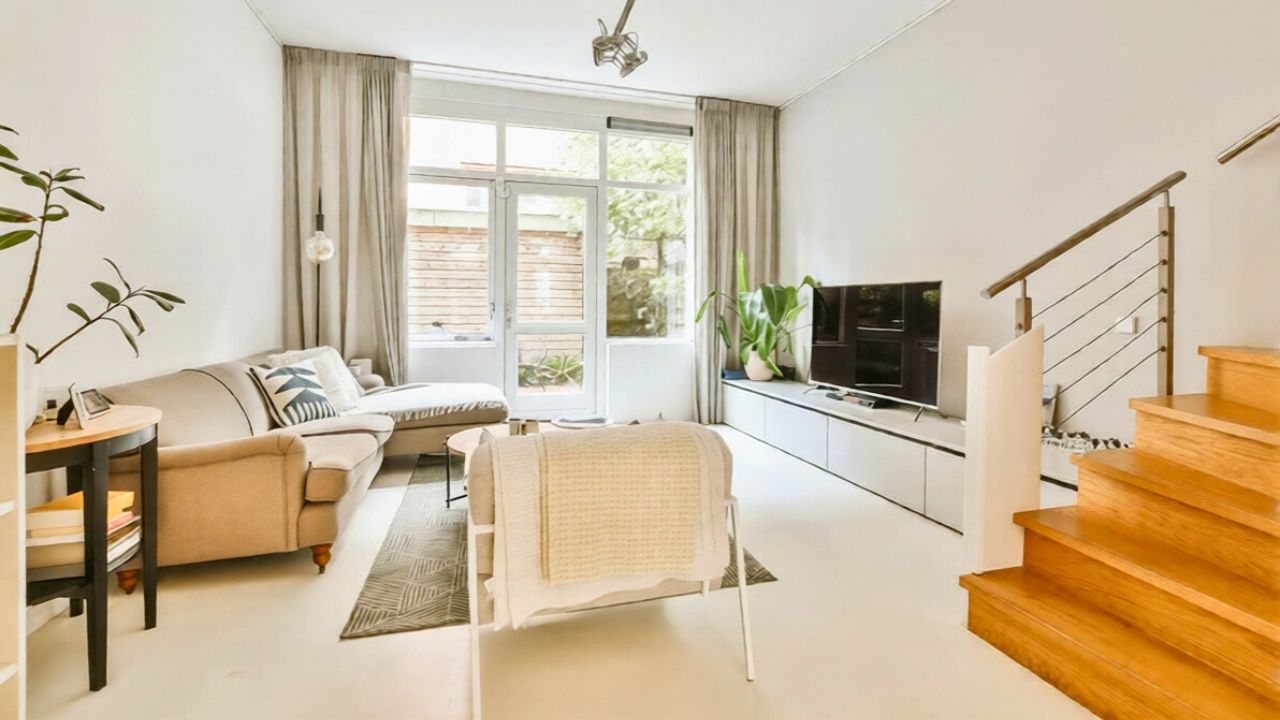
The wall color mistake that makes a living room feel smaller than it is
Your living room can gain or lose visual square footage before you bring in a single sofa, simply through the paint you choose. The wrong wall color compresses corners, shortens ceilings, and throws shadows that make the space feel cramped, even when the floor plan is generous. The most common culprit is not a daring dark shade, but a particular kind of white that works against you instead of opening the room up.
Designers are increasingly blunt that color is not just decoration, it is architecture in pigment, and one misstep can undo good furniture and lighting. By understanding how undertones, contrast, and finishes interact with your light, you can avoid the wall color mistake that visually shrinks your living room and replace it with a palette that feels calm, expansive, and current.
The real mistake: stark, bright white in the wrong room
The wall color that most often makes a living room feel smaller than it is is not charcoal or navy, it is a stark, bright white used in a space that cannot support it. On paper, a pure gallery white sounds like the safest way to brighten a room, but in practice it can emphasize every shadow, corner, and architectural quirk, which chops the room into pieces instead of letting it read as one continuous volume. Designers warn that a very cold, high-brightness white can make walls feel flat and unforgiving, so your eye stops on every edge rather than gliding around the space.
Color experts note that stark white can actually make walls appear closer together, especially when the room has limited daylight or a low ceiling. Instead of bouncing light softly, the surface contrast becomes harsh, which exaggerates the difference between bright patches and dark corners. That is why many designers now recommend off whites with warmer tones, such as a subtle pink or cream, which visually blur edges and help the living room feel more seamless and open.
Why undertones and light matter more than the paint chip
When you choose white or any pale neutral, you are really choosing an undertone, and that undertone decides whether your living room feels airy or pinched. Cool whites with blue or gray bases can look crisp in a sun drenched loft, but in a north facing or shaded room they often turn dingy, which makes the walls feel like they are closing in. Warm whites with yellow, beige, or blush undertones tend to soften shadows so corners recede, which tricks the eye into reading the room as larger.
Color specialists explain that while the instinct in a dark home might be to paint everything white, cool whites can actually accentuate the darkness rather than brighten it. That same logic applies to the viral warnings from paint pros who show how some whites read as yellow, gray, or simply sad once they are on the wall, creating what one influencer calls #dingyhotelvibes. If your living room already struggles with light, a slightly creamy or stone toned white will usually feel more expansive than a blinding, blue based option.
Contrast: the invisible force that shrinks or stretches your walls
Even if you pick a flattering white, you can still make your living room feel smaller by pairing it with high contrast trim, doors, or ceilings. When your walls are bright and your baseboards or window casings are a deep color, your eye bounces between those dark outlines, which visually boxes in the room. Designers who work with compact spaces often recommend keeping contrast low so the boundaries between surfaces blur and the room reads as one continuous envelope.
Paint specialists point out that when you reduce the difference between wall color and trim, the space tends to feel larger and calmer. Similarly, guidance on small space paint mistakes notes that avoiding high contrast trim colors and dark ceilings is key if you want a room to appear bigger, and instead suggests light trim and ceilings that are close to the wall color for a more expansive feel. In a living room, that might mean painting your walls, skirting, and even interior doors in the same family so the eye is not constantly stopping at dark outlines.
The forgotten “fifth wall” that can crush a living room
Ceilings are often left as an afterthought, yet they play a decisive role in how large your living room feels. If you default to a stark, cool white overhead while your walls are warmer, the ceiling can appear visually lower, because the temperature shift creates a hard line where your eye stops. In a small or low ceilinged living room, that disconnect can make the entire space feel compressed, even if the wall color is otherwise flattering.
Designers frequently refer to the ceiling as the fifth wall and warn that ignoring it is one of the classic You Forget About The Ceiling mistakes that make a home look smaller. Advice on paint strategy for compact rooms suggests either matching the ceiling to the walls or choosing a slightly lighter, related shade to create a soft transition that lifts the eye. When you extend your wall color onto the ceiling in a low contrast way, the upper corners dissolve, which can make your living room feel taller and more generous.
Accent walls and chopped up color blocks
Another way you can unintentionally shrink your living room is by using a single bold accent wall against otherwise bright white walls. That high contrast block of color pulls focus and shortens the room in the direction of the darker wall, which can make the footprint feel shallower. In a compact living room, the effect is often that the accent wall feels like it is looming toward you, especially if the remaining walls are a stark white that highlights the difference.
Recent guidance on small space decorating notes that Accent walls are past their heyday and can bring down the perceived size of a room. Instead, designers now favor wrapping a single, well chosen color around all four walls, which creates a cocoon effect that can actually feel larger because there are fewer visual interruptions. If you love contrast, you are usually better off introducing it through art, textiles, or a statement cabinet than through a lone painted wall that slices up the architecture.
Warm, earthy palettes that feel current and spacious
If you are ready to move away from stark white but still want your living room to feel open, the most future facing option is a warm, earthy palette. Trend forecasters for 2026 highlight a shift toward warm, earth toned neutrals, with Warmer, Earth, Toned Neutrals Take Over as cooler grays recede. These hues, which include clay, sand, and muted olive, tend to sit comfortably on the eye, so they recede slightly and make the room feel calm rather than cramped.
Design experts also point to Popular Color Choices for 2026 that lean into warm browns, terracotta, and textured finishes, which add depth without relying on high contrast. Similarly, color forecasters report that for 2026, warm, earthy browns are emerging as sophisticated neutrals that work from bright family rooms to moody living rooms. When you use these tones in a mid range depth on all four walls, they can blur corners and create a cocoon that feels intimate yet not at all small.
How deeper colors can actually make a living room feel bigger
It is easy to assume that any dark color will make your living room feel smaller, but that is not always true. A carefully chosen deep shade can push the walls outward visually, especially if you keep contrast low and layer in generous lighting. When the entire room is wrapped in a saturated color, your eye stops searching for edges, which can make the boundaries feel less defined and therefore farther away.
Color consultants explain that warm colors are advancing colors that can make a room feel cozier and smaller, while cooler, darker hues can recede. That is why some designers now embrace dark, almost black blues and charcoals in living rooms, noting that Dark, almost black blues can feel surprisingly comfortable and inviting for spaces where you spend hours. At the same time, living room trend watchers encourage you to go a bit bolder than simple gray, suggesting that rich greens and browns now read as Even new neutrals that can expand a room when handled with restraint.
Light colors are not a cure‑all for small spaces
Another misconception that can lead you straight into the wrong white is the belief that light equals large, no matter what. If you only ever reach for the palest shades, you risk ending up with a living room that feels washed out and visually cluttered, because every object stands out sharply against the walls. In some cases, a slightly deeper, more saturated color can actually simplify the backdrop so your furniture and art feel integrated rather than floating in a blank box.
Designers who specialize in compact homes caution against Only Opting for Light Paint Colors and instead suggest solid textured wallpaper or painted walls in a considered hue. They note that you should not be afraid of using one dark color, especially if it is applied consistently and supported by good lighting. That advice dovetails with the broader move toward richer living room palettes, where bolder shades are expected to be popular in 2026, with Bolder colors replacing cool grays and beiges as the default.
Choosing the right white and finish for your living room
If you still want a light, neutral living room, the solution is not to abandon white entirely but to choose it more carefully. Start by looking for off whites with a touch of warmth, such as those inspired by the soft off white and buff tone of Color of the Year PANTONE 11-4201 Cloud Dancer. These nuanced whites tend to be more forgiving in everyday light, so they are less likely to turn gray or yellow in the corners, which helps your living room feel consistently bright.
Finish also matters. A dead flat paint can absorb light and show scuffs, while a very shiny one can create glare that highlights imperfections and makes the room feel busy. Many designers now favor matte or low sheen finishes that diffuse light gently, especially on large living room walls. When you are ready to commit, you can order sample pots or peel and stick swatches as a product test, then live with them on multiple walls for a few days. You can even compare different whites side by side using another sample product so you can see which one truly opens up your space.
Like Fix It Homestead’s content? Be sure to follow us.
Here’s more from us:
- I made Joanna Gaines’s Friendsgiving casserole and here is what I would keep
- Pump Shotguns That Jam the Moment You Actually Need Them
- The First 5 Things Guests Notice About Your Living Room at Christmas
- What Caliber Works Best for Groundhogs, Armadillos, and Other Digging Pests?
- Rifles worth keeping by the back door on any rural property
*This article was developed with AI-powered tools and has been carefully reviewed by our editors.