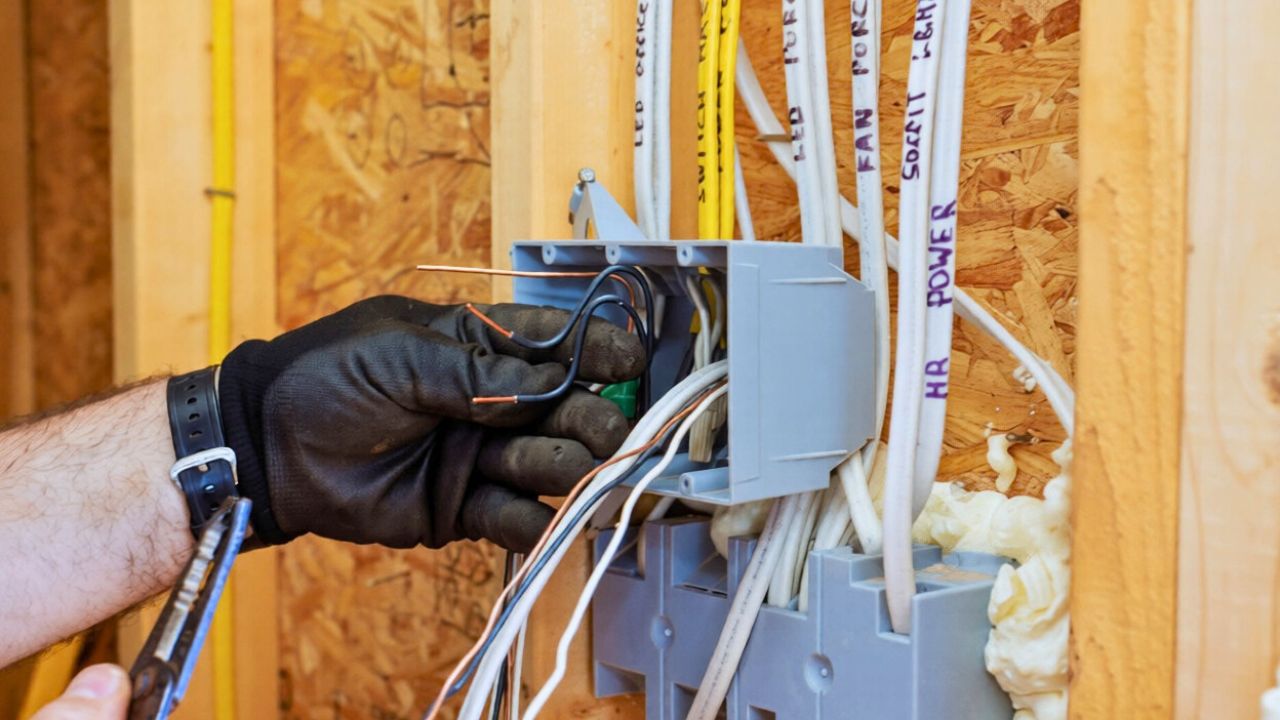
The wiring update that becomes mandatory during certain repairs
Electrical work rarely happens in isolation. Once you open walls, touch a service panel, or replace aging components, you can cross a line where the law stops treating the job as a simple repair and starts requiring a broader wiring upgrade. Understanding where that line sits helps you budget realistically, avoid failed inspections, and keep your home insurable.
The core idea is simple: some wiring updates become mandatory once you trigger certain types of work, even if you had no intention of a full overhaul. The details, however, live in a maze of code rules, insurance expectations, and safety realities that affect everything from aluminum branch circuits to knob and tube runs hidden behind plaster.
Why “grandfathered” wiring is not a free pass
You may have heard that older electrical systems are “grandfathered,” and in many cases that is true. If your home predates modern rules, you are often allowed to keep existing wiring that was legal when installed, even if it would not pass inspection today. Guidance for older home systems notes that you usually are not forced to rip everything out just because the code changed.
That protection is not unlimited. Once you start significant work, such as a major remodel or a new circuit, inspectors can require that the affected portions meet current standards. One electrical safety group points out that if a property is more than 30 years old and still has its original wiring, it is likely to need at least partial updating to meet modern expectations, especially if it still relies on fabric or lead insulated cabling, and that advice is formalized in their guidance on whether you need a rewire.
When a “repair” becomes a remodel in the eyes of code
Building departments draw a sharp line between like for like repairs and work that counts as an alteration. Swapping a broken receptacle for the same type in the same location is usually treated as maintenance. Once you start moving outlets, adding new ones, or opening large sections of wall, you are in remodel territory, and the rules change. One professional forum notes that in some jurisdictions, if 50% of a building’s floor area is being rebuilt or renovated, the entire structure must be brought to present codes, which can turn a modest project into a whole house upgrade.
Even on a smaller scale, adding a new branch circuit or relocating a panel can trigger current code requirements for that specific work. Electricians discussing legal obligations emphasize that if you add a circuit, the entire circuit must meet today’s rules, not the ones in place when the house was built, a point that comes up repeatedly in debates over whether work must be done to current code. That means new cable types, proper grounding, and modern protection devices, even if older circuits elsewhere in the house remain untouched.
Service panel replacements and the hidden upgrade trap
Replacing a service panel looks straightforward, but it is one of the most common projects that quietly forces broader wiring changes. Electricians explain that you do not always have to rewire everything to current standards when you change a panel, but you do have to ensure the new equipment is installed correctly and that the circuits you reconnect meet basic safety rules. In one discussion from Dec, an electrician notes that You do not automatically trigger a whole house rewire, yet you cannot ignore obvious violations when landing old conductors on a new bus.
A full service upgrade is more involved than a simple box swap. Descriptions of What an Electric Service Upgrade Involves highlight that the job can include a new panel and or the meter, new service entrance conductors, updated grounding, and coordination with the utility. Another contractor’s breakdown of how and when to upgrade a residential service panel notes that this work is particularly beneficial for homes with large families, major renovations, or new energy intensive loads, and stresses that the upgrade must comply with Sep electrical codes, which often means bringing grounding and bonding up to date.
Grounding, bonding, and GFCI: small components, big obligations
Even if your branch circuits remain largely intact, modern safety devices can become mandatory once you touch certain parts of the system. Grounding and bonding requirements have evolved significantly, and older installations often fall short of what inspectors now expect. When you upgrade or replace a panel, you may be required to modernize these systems so that your equipment grounding conductors, bonding jumpers, and grounding electrodes all meet current Grounding and bonding requirements, even if the branch wiring itself stays in place.
Protection at the receptacle level has also tightened. The 2023 National Electrical Code expanded the requirements for Ground Fault Circuit Interrupters, so more locations now need GFCI protection than in earlier editions. Industry guidance on Improving Receptacle and notes that these changes affect how adjusters evaluate electrical fire claims, but they also matter to you whenever you replace outlets in kitchens, bathrooms, garages, or exterior spaces. Once you change those devices, inspectors can insist that the new configuration includes GFCI protection, even if the old unprotected receptacles were technically grandfathered.
Old wiring types that stop being optional once you open walls
Certain legacy wiring systems sit on a knife edge between tolerated and unacceptable. Knob and tube is a prime example. Guidance on whether Can You Keep explains that, according to the National Electrical Code and most local rules, existing knob and tube can remain in service if it is in good condition and not overloaded, but once you start renovations, portions of it may need to be deactivated or replaced. Another resource clarifies that Knob and tube wiring is not illegal, yet it does not meet modern codes, and Knob systems can be restricted by Insurance providers that refuse coverage unless you replace or isolate them.
Aluminum branch wiring from the mid twentieth century is another flashpoint. According to the Consumer Product Safety Commission, replacing aluminum wire completely is the most permanent solution because it removes the fire hazard, which is the aluminum wire itself, a point that is spelled out in guidance that begins with According. The preferred aluminum wiring repair method of the U.S. Consumer Product Safety Commission involves attaching a piece of copper wire to the existing aluminum with a special connector, which is treated as a permanent repair of the existing aluminum wiring, and that recommendation is detailed in resources from the Consumer Product Safety. Once you renovate or sell, inspectors and buyers often insist that you either rewire or use this approved method, turning what looked like a voluntary upgrade into a practical requirement.
Insurance, underwriting, and when “optional” upgrades become mandatory
Even if your local inspector allows older wiring to remain, your insurer may not. Underwriters are tasked with verifying that each building’s electrical system meets minimum safety standards, and they pay close attention to how maintenance is handled. Industry guidance on Feb building updates stresses that insurers want to see that electrical work is performed by a licensed electrical contractor and that aging systems are not simply patched indefinitely.
Landlords face a similar dynamic. In one widely cited Jul Comments Section, an electrician notes that, Unless required for specific occupancies by local ordinance, such as registering a dwelling unit, landlords are not always forced to update wiring to the latest code. However, once they apply for certain permits or registrations, or once an insurer flags hazards like aluminum branch circuits or obsolete panels, upgrades can become a condition of doing business. At that point, what looked like a discretionary improvement is effectively mandatory if you want to keep renting or maintain coverage.
Remodeling, additions, and the “partial rewire” threshold
Homeowners often discover the mandatory upgrade line during kitchen or bathroom remodels. Renovations are a prime opportunity, and sometimes a requirement, to replace outdated electrical systems that may pose fire risks or fail to meet current rules. Contractors who focus on Code Compliance and Safety explain that Renovations are a natural time to bring any outdated aspects into compliance, because walls are already open and circuits are being reconfigured.
Guidance for Older homes with grandfathered systems, such as knob and tube wiring or 60-amp panels, notes that these setups can often remain until you undertake major renovations, additions, or new technology installations. Once you add a large load, like a heat pump or EV charger, or expand the conditioned square footage, the electrical system may need to be upgraded to support the new demand, as explained in resources on how electrical code updates impact Older homes. At that point, a partial rewire of the affected areas, along with panel and grounding improvements, often becomes non negotiable.
Outlet and device upgrades that quietly trigger new rules
Swapping a cracked outlet cover is one thing, but once you start replacing receptacles and switches in volume, you can cross into upgrade territory. Electricians who specialize in older houses point out that, for homes built before 1988, Below are some of the necessary upgrades they may have to make, and The Electrical Wiring is often first on the list. One of the key checks is whether existing outlets are properly grounded and whether circuits serving kitchens, bathrooms, and exterior locations have the protection now required, a point that is emphasized in guidance that begins with Mar and continues through Below, The Electrical Wiring, and One of the recommended changes.
Online homeowner discussions echo this reality. In one Oct thread, a user describes the relief of finally upgrading their house wiring and notes that, while requirements can be locality specific, the general rule is that when you touch a circuit, you must bring that circuit up to current standards. That can mean installing GFCI or AFCI devices, correcting reversed polarity, or replacing ungrounded two prong receptacles with properly grounded three prong units or GFCI protected alternatives, even if the rest of the home’s wiring remains unchanged.
How to plan repairs so you are not surprised by mandatory upgrades
Because the line between repair and upgrade is so easy to cross, planning is your best defense against surprise costs. Before you schedule work, ask your electrician explicitly which parts of the job will be judged under current code and whether that will force changes beyond the immediate repair. Resources aimed at homeowners stress that if a property is more than 30 years old with original wiring, it is likely to need at least partial updating, so you should budget for more than a simple fix when you finally open walls or replace a panel, as highlighted in the guidance on whether you need a rewire.
Understanding what actually happens during major work also helps you make informed decisions. Detailed walk throughs of What Happens During an Electrical Panel Upgrade An electrician will typically remove your old breaker box, install a new panel with higher capacity, re terminate circuits, and verify that your home can safely support today’s power demands. That process is exactly where inspectors will insist on proper grounding, bonding, and overcurrent protection, so if you are already investing in the work, it is often smarter to lean into the required upgrades rather than fight them piecemeal over several projects.
Like Fix It Homestead’s content? Be sure to follow us.
Here’s more from us:
- I made Joanna Gaines’s Friendsgiving casserole and here is what I would keep
- Pump Shotguns That Jam the Moment You Actually Need Them
- The First 5 Things Guests Notice About Your Living Room at Christmas
- What Caliber Works Best for Groundhogs, Armadillos, and Other Digging Pests?
- Rifles worth keeping by the back door on any rural property
*This article was developed with AI-powered tools and has been carefully reviewed by our editors.