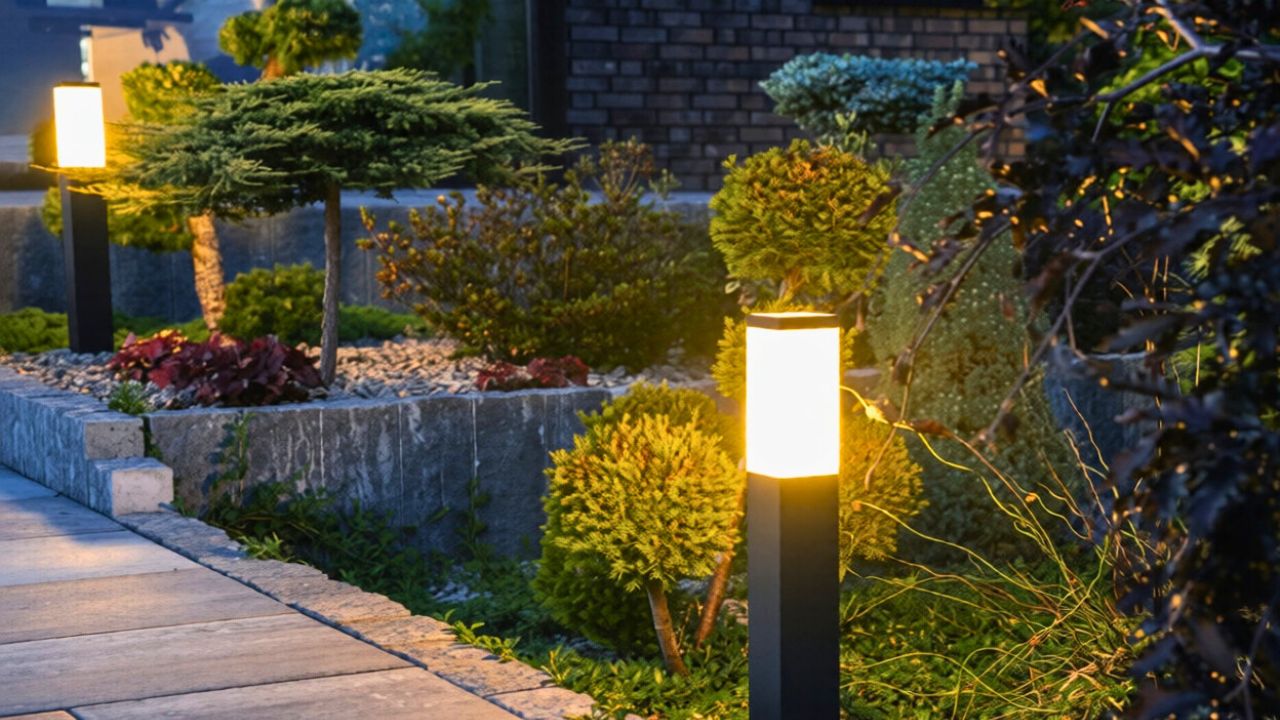
These “easy” landscaping lights fail after the first hard rain
Photo credit: Welcomia/istock.com
You invest in sleek “easy install” landscaping lights to frame your walkway, only to watch half of them die after the first serious storm. Instead of a welcoming glow, you are left with dark patches, tripped outlets, and mystery shorts that seem to appear every time the forecast calls for rain. Understand why these kits fail so quickly, and you can design an outdoor setup that survives more than a single hard downpour.
The weak point is rarely the rain itself. The real problem is how budget fixtures, flimsy connectors, and undersized transformers react when water and electricity start sharing the same cramped plastic housing. Once you know where those hidden vulnerabilities sit in your yard, you can choose better hardware, fix recurring failures, and stop treating your garden lighting as disposable.
When “easy install” really means “short life span”
Pick up an all-in-one lighting kit at a big-box store and you are usually buying speed and low upfront cost instead of durability. You get thin-gauge cable, plastic stakes, and connectors that bite into the wire insulation instead of using a proper sealed joint. Those shortcuts help you get lights in the ground in an afternoon, but they also create dozens of tiny entry points where water can creep into the system and start corroding metal parts. As soon as the soil stays saturated for a day or two, those weak spots turn into failure points.
Professional installers regularly trace dead runs of lights back to these shortcuts. One guide on outdoor lighting failures points to poor connections, damaged wire insulation, and waterlogged fixtures as the most common reasons your system suddenly goes dark. When a kit relies on pierce-style connectors and thin plastic housings, you multiply all three risks across every fixture in the yard. That is why you often see a pattern where everything works perfectly in dry weather, then multiple lights fail at once after a storm.
How rain actually kills your fixtures
Rain does not have to flood your yard to ruin your lights. A steady storm can push moisture into hairline gaps in gaskets, cracked lens seals, or loose threaded caps. Once inside, water collects around the socket and wiring, which are usually just millimeters away from energized metal contacts. As one troubleshooting guide from Lutou Tech explains, water often enters through degraded seals or cracked housings and then corrodes internal components until the light stops working.
On low voltage systems, that moisture can also create a path for current to leak into the soil, which drags down voltage along the run and leaves fixtures dim or flickering. When enough water accumulates, you can even get short circuits that trip a transformer or GFCI outlet. Another detailed breakdown of rain-related failures notes that repeated exposure to moisture slowly damages internal components over time, not just in one dramatic event, so a light that survives the first storm may still be on borrowed time. If you only focus on what you see the day after heavy rain, you miss the slow corrosion that started with the first few drops.
Why your GFCI and transformer keep cutting out
When your entire line of garden lights suddenly goes dark after rain, the culprit is often the power source, not the bulbs. Ground fault protection is designed to shut everything down the moment it senses current straying from the intended path. In wet climates, that means your GFCI outlet can trip simply because water seeped into a junction box or an extension cord connection and created a leakage path into the ground. Electricians who specialize in wet-weather problems describe tripped GFCI outlets as one of the most common issues after prolonged rain.
Low voltage systems add another layer of vulnerability. If water gets into the transformer housing or the primary cable connections, you can see intermittent shutdowns or a complete loss of power. A practical troubleshooting checklist from Fix, Reset Your recommends starting any diagnosis by resetting the GFCI and transformer, then checking for corrosion or moisture around those components. When your “easy” kit fails after rain, you often find that the transformer is mounted too close to the ground without a drip loop, or plugged into an unprotected outdoor receptacle that is constantly exposed to spray.
IP ratings and what “weatherproof” really means
If the box on your lights says “weatherproof,” you might assume they can handle any storm. In reality, that label is only meaningful if it is backed by a clear IP rating. An IP (Ingress Protection) code tells you exactly how resistant a fixture is to dust and water. One guide on What Does IP explains that the two digits in the code describe protection against solids and liquids, and that a higher second digit usually signals better performance in rain or even water jets.
More detailed breakdowns of Understanding IP Ratings spell out that IPX3 fixtures resist spraying water at up to 60 degrees from vertical, IPX4 units resist splashing from any direction, and more demanding environments call for IP65 or higher. Another manufacturer-focused guide to What Makes Outdoor highlights IP44 as basic protection against small water splashes and IP65 as full protection against dust and water jets. If your kit never mentions IP44, IP65, or anything similar, you are taking the manufacturer’s word on “weatherproof” without any defined test standard.
Cheap metals, plastic housings, and the cost of cutting corners
Even if your fixtures carry a decent IP rating, the materials used in the body, stakes, and fasteners can still limit how long they survive in wet soil. Thin aluminum, low grade steel, and brittle plastic degrade quickly when they are constantly soaked and dried. Corrosion eats away at screws and brackets, while UV exposure cracks plastic stakes until they wobble or snap. A design guide that explains why Landscape lighting is points directly to the need for fixtures made from materials that can withstand weather, and notes that spending more improves longevity.
High end systems often use brass or stainless steel housings specifically because they resist corrosion over years of exposure. One discussion of hurricane-resistant products notes that some fixtures contain molybdenum in the alloy, which makes them exceptionally resistant to corrosion in harsh coastal climates. Another buying guide bluntly warns that while some options might seem more budget-friendly, they may not have the longevity of fixtures made with higher quality materials, and that better fixtures will still look as good as they did on day one. When your “easy” kit fails after one season, you are seeing the long-term cost of those initial savings.
Connectors and splices: the hidden failure points underground
The most fragile parts of your lighting system are often the ones you never see. Every splice, tap, and connector that sits under mulch or soil is a potential entry point for water. Many DIY kits use quick-connect fittings that literally pierce the insulation of the main cable with small metal teeth. A troubleshooting guide from DIY kits explains that many of these wire piercing connections are popular because they are quick, but they can loosen over time and create intermittent failures.
When rain saturates the ground, those tiny punctures let moisture reach bare copper. That moisture can cause corrosion that increases resistance, which in turn lowers voltage at downstream fixtures and leaves them dim or dead. A more detailed checklist from Essential Landscape Lighting recommends opening suspect fixtures, checking that gaskets are intact, and reassembling everything securely to keep connections dry. If your kit came with unsealed snap-on connectors, you can expect them to be the first pieces to fail after a heavy storm.
Voltage, layout, and why low voltage still needs real planning
Low voltage lighting is marketed as safer and simpler, which is true, but that does not mean you can ignore design. Daisy-chain too many fixtures on a single run and you create voltage drop that leaves the last lights in the line noticeably dimmer. One design resource on Landscape Lighting Voltage stresses that low voltage is the way to go for longevity and energy savings, but you still need a properly sized transformer and quality fixtures if you want the system to last for many years.
Water exposure magnifies any weakness in that layout. If you already have marginal voltage at the end of a run, a little corrosion in a connector or socket can be enough to drop a fixture below its operating threshold. A practical troubleshooting table from Quick Troubleshooting encourages you to find the root cause in minutes by matching symptoms to likely issues, such as dim lights at the end of a run indicating voltage drop, or multiple lights out suggesting a bad connection or tripped transformer. When rain hits, those borderline segments are the first to fail.
How to diagnose failures after a hard rain
When your lights go out after a storm, you get better results if you follow a structured checklist instead of guessing. Start at the power source and work your way outward. Verify that the GFCI is not tripped, reset the transformer, and confirm that any built-in timer or photocell is still set correctly. Then walk the line and look for obvious physical damage, such as cut wires from yard work or fixtures that have been knocked over. A detailed troubleshooting guide on Problem, Just One recommends swapping bulbs between fixtures to see whether the problem follows the bulb or stays with the housing, which can quickly isolate a bad socket.
Once you narrow it down to specific fixtures, open them and check for moisture, rust, or white mineral deposits. If you find water inside, dry the components thoroughly and inspect the seals before reassembling. A step-by-step guide from Discovered, The Ultimate explains how ingress protection ratings relate to real-world testing against tools, dirt, and moisture, which can help you decide whether a consistently flooded area needs a higher rated fixture. If you repeatedly see the same failure pattern after every heavy rain, that is a sign you have a systemic issue with connectors, fixture quality, or layout, not just bad luck.
Designing a system that survives more than one storm
If you are tired of replacing kits, you need to think like a long-term owner instead of a weekend installer. That starts with choosing fixtures that have clear IP ratings, solid materials, and sealed connections. A buying guide that warns that some options might more budget-friendly, they may not have the longevity you expect, is essentially telling you that cheap kits are designed for short service lives. If you instead invest in better housings, proper burial-rated cable, and gel-filled or heat-shrink connectors, you dramatically reduce the number of places water can attack your system.
You also need to match your design to your climate. If you live where storms are frequent, choose fixtures rated at least IP65 and mount them where they are less likely to sit in standing water. A technical overview of Ingress Protection explains that higher ratings are tested against both solid objects and moisture, which gives you a more objective way to compare products. Combine that with a thoughtful low voltage layout that avoids overloading any single run, and you end up with a system that can handle the first hard rain, the second, and the tenth without turning your yard into a dark puzzle every time the clouds roll in.
Like Fix It Homestead’s content? Be sure to follow us.
Here’s more from us:
- I made Joanna Gaines’s Friendsgiving casserole and here is what I would keep
- Pump Shotguns That Jam the Moment You Actually Need Them
- The First 5 Things Guests Notice About Your Living Room at Christmas
- What Caliber Works Best for Groundhogs, Armadillos, and Other Digging Pests?
- Rifles worth keeping by the back door on any rural property
*This article was developed with AI-powered tools and has been carefully reviewed by our editors.