These “winter prep” habits actually cost people more money in the long run
Photo credit: New Africa/Shutterstock.com
Getting ready for winter feels productive—you’re sealing gaps, changing filters, and stocking up on supplies. But some of the things people do “just to be safe” end up wasting money over time.
A lot of so-called winter prep habits come from advice that made sense decades ago but doesn’t fit today’s materials, appliances, or energy prices.
Over-insulating your home
You can have too much of a good thing. Piling on insulation without understanding airflow traps moisture and creates mold issues, especially in attics. Modern homes are already built to hold heat efficiently, so blocking off every vent or stuffing extra insulation where it doesn’t belong can lead to costly repairs later. Focus on sealing gaps and checking attic ventilation instead of smothering your house.
Closing off unused rooms
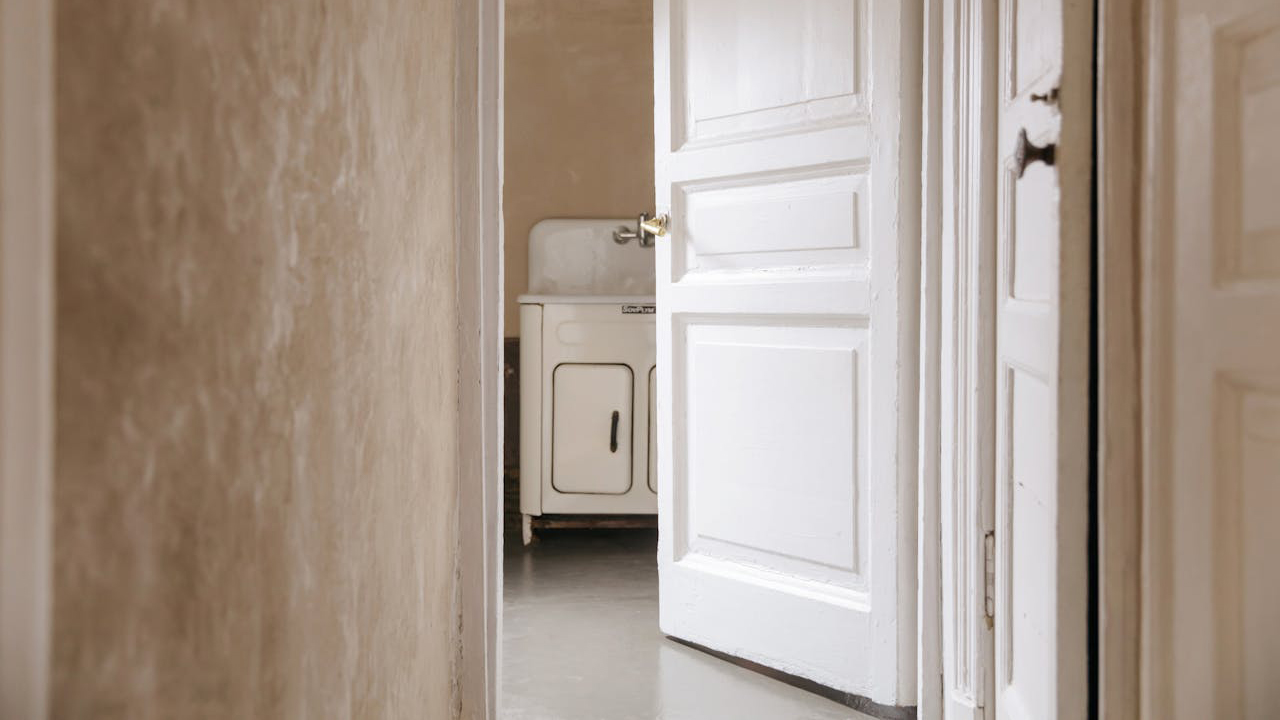
It feels logical to shut off rooms you don’t use in the winter, but it throws off your home’s air circulation. When vents are closed, your heating system still pushes air into the ducts, creating pressure that can cause leaks or make the furnace work harder. You end up spending more to heat less space. Keeping doors open and air flowing actually maintains even warmth and better efficiency.
Leaving the heat too low when you’re away
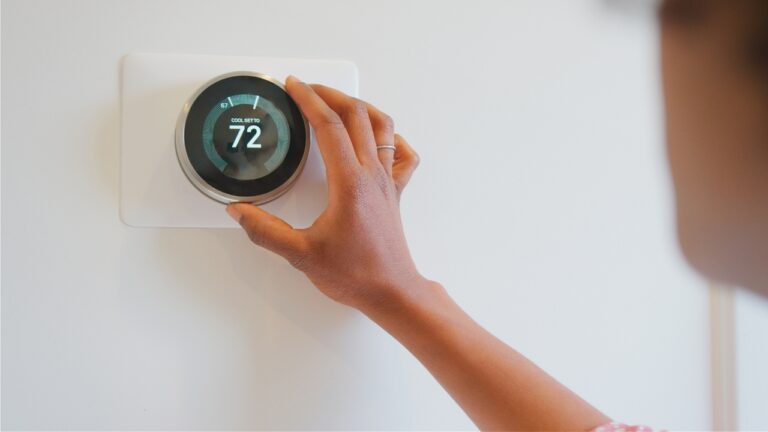
Turning your thermostat way down to “save” energy can backfire when pipes freeze or your system has to work overtime to reheat the house. Most experts recommend keeping it around 55–60°F when you’re away. The small difference in your bill isn’t worth the risk of burst pipes or moisture buildup from condensation.
Buying more “winter gear” than you need
Each year brings new gadgets—heated hoses, frost-proof covers, oversized generators—and many sound helpful but go unused. Before buying, look at last year’s needs and what actually failed. Replacing working gear or overpreparing for rare freezes costs more than maintaining what you already own. Stock smart, not big.
Overusing space heaters
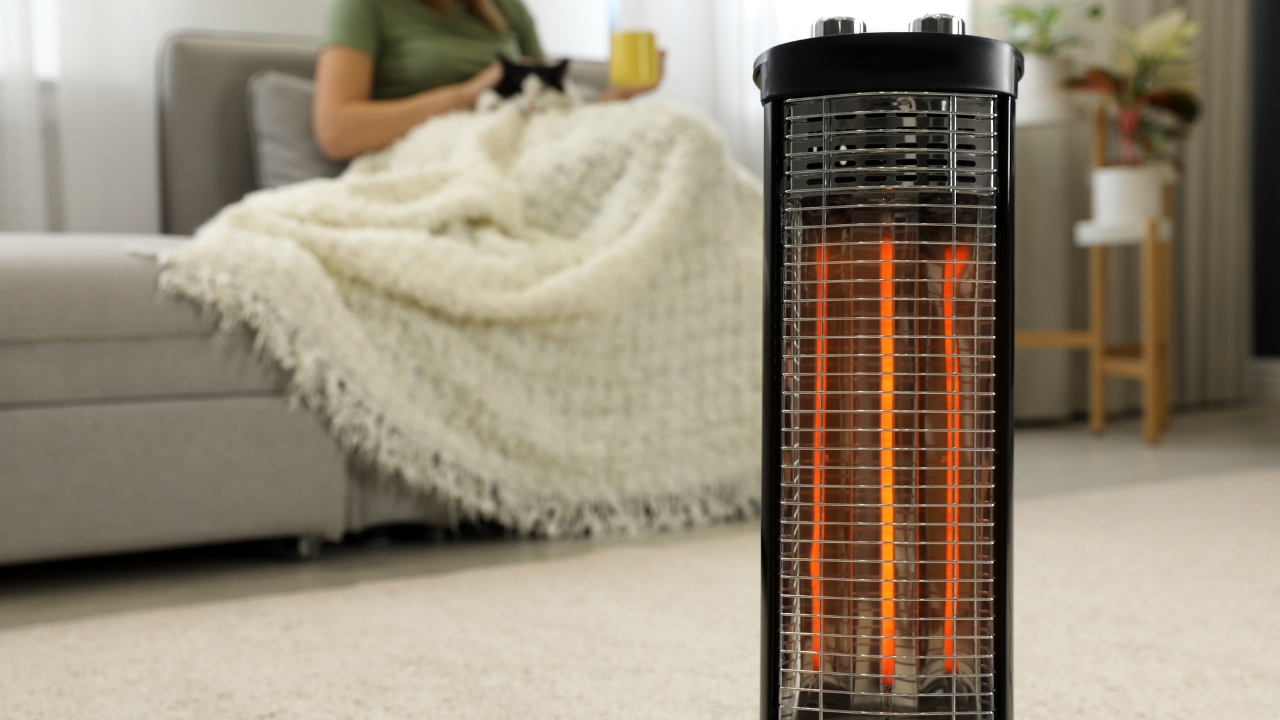
Space heaters seem like an easy fix for cold spots, but they’re one of the most expensive ways to heat a room. They also create uneven humidity and stress your wiring if used often. Instead, find and fix the draft causing the issue—weatherstripping, window film, or even heavier curtains pay off far faster than running a space heater all day.
Ignoring regular maintenance because it’s cold
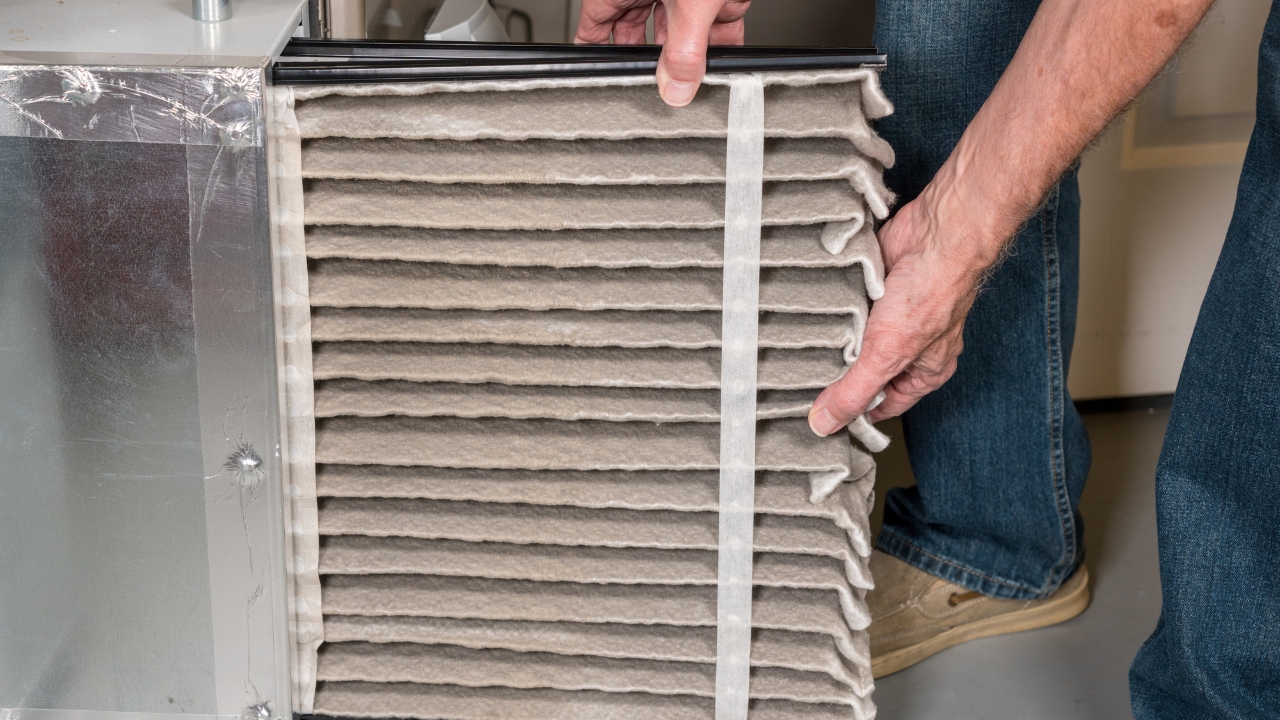
Many people put off servicing HVAC systems, changing filters, or checking insulation once the weather turns cold. The logic is “I’ll deal with it in spring,” but small winter neglects become big summer expenses. A clogged furnace filter or dirty coil doesn’t just waste energy—it shortens the system’s lifespan. A 10-minute checkup now can save hundreds later.
Winter prep should make life easier, not more expensive. The trick isn’t doing more—it’s doing what actually helps. Fewer reactionary habits, more preventive ones, and your home will handle the cold without draining your wallet.
Like Fix It Homestead’s content? Be sure to follow us.