This gutter upgrade prevents the kind of clog that ruins fascia boards
When gutters clog, most people think “annoying” before they think “expensive.” You see water spilling over the edge, maybe you notice little plants trying to grow up there, and you tell yourself you’ll clean it out when you get a minute. The trouble is overflowing gutters don’t just dump water onto the ground. They can dump it straight onto your fascia boards, behind the gutter line, and into spots that were never meant to stay wet. Over time that can rot wood, peel paint, loosen fasteners, and create the kind of soft, spongy fascia damage that turns into a bigger repair than most homeowners expect. Once fascia starts failing, your gutters can sag, water can run behind the system, and then you’re chasing leaks and stains you didn’t even have before.
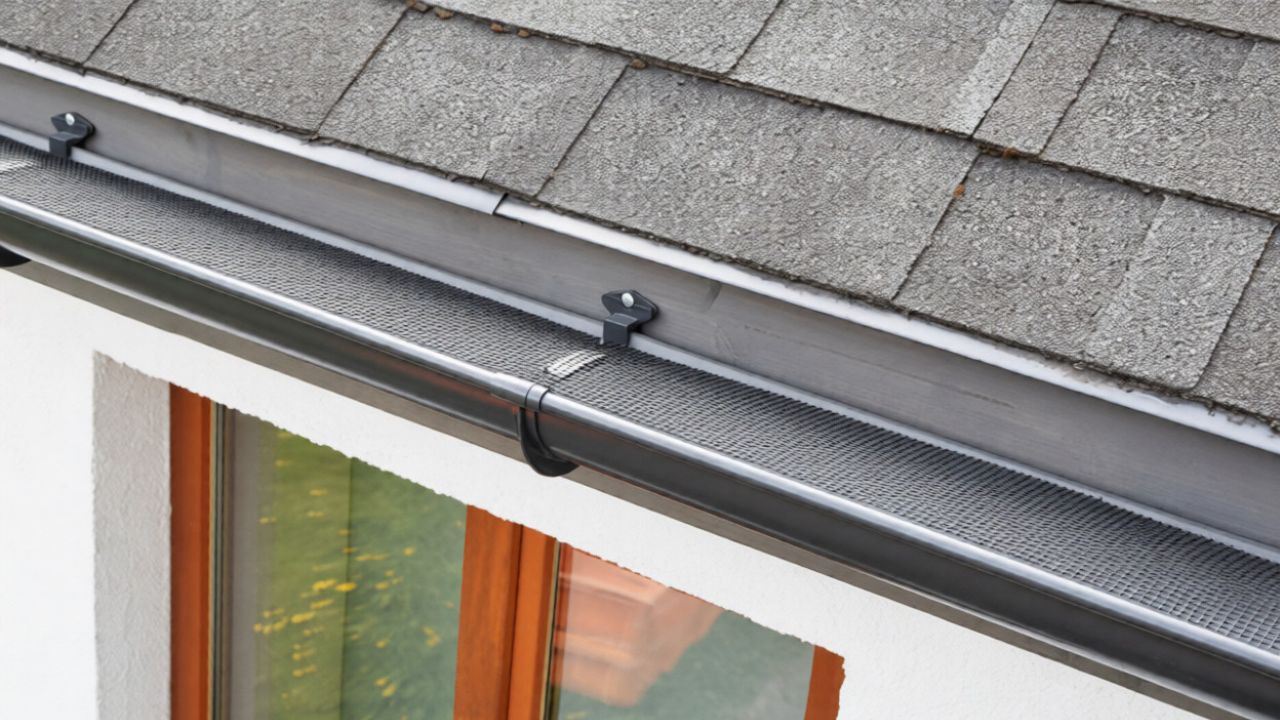
The simplest way to prevent that chain reaction is to stop the clog in the first place, not just clean it after it happens. The gutter add-on that actually helps with this is a quality gutter guard system designed to keep debris out while still letting water in, especially the kind that covers the entire top of the gutter rather than the cheap “screen strip” versions that bend and clog anyway. Not every guard is worth buying, and some can make problems worse if they’re the wrong style for your roof and the trees around your house. But the right guard can drastically reduce the type of packed, wet, decomposing mess that causes water to sit and spill backward toward the fascia.
Why fascia boards get ruined when gutters clog and overflow
Fascia boards sit right behind the gutters and support the gutter system, so they’re basically the first casualty when water starts going where it shouldn’t. A clogged gutter holds water, and once it fills up, the overflow doesn’t always go forward and down the front. A lot of the time it rolls back toward the house, especially if the gutter is slightly pitched wrong, sagging, or packed so tightly with debris that water can’t flow through it properly. That backward spill can soak the fascia and the ends of the rafters, and if the wood is already painted but not sealed perfectly at the edges, moisture gets in and stays in. Repeated soaking and drying cycles are what break down paint, soften wood, and eventually create rot.
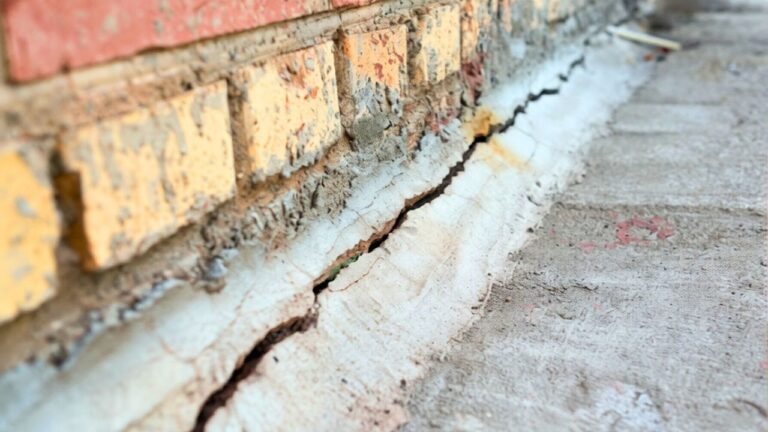
The damage can sneak up on you because it often starts behind the gutter where you can’t see it easily. You might notice peeling paint at the gutter line, dark staining, or gutters pulling away from the house because fasteners no longer have solid wood to grab. If your gutters overflow every time there’s a heavy rain, that’s not just a cosmetic problem. That’s water repeatedly saturating materials that were meant to stay dry. Once wood stays damp long enough, you’re also opening the door for mold and pests, and you can end up with a repair that involves removing gutters, replacing fascia, and sometimes repairing the roof edge as well.
The gutter guard style that actually helps instead of creating new clogs
The best gutter guard is the one that matches your debris type. If you have large leaves, pine needles, seed pods, or lots of small roof grit, the wrong guard can turn into a second filter that clogs even faster than an open gutter. That’s why the cheap plastic screens from the hardware store often disappoint people. They can trap debris on top, sag into the gutter, or let fine stuff through that becomes sludge below. The guard style that tends to work best for most homes is a solid cover with a curved nose or a micro-mesh guard with a rigid frame, because it blocks larger debris while still allowing water to flow in. But the key is that it needs to be strong enough to stay flat, fitted correctly, and designed to handle the debris you actually have.
Micro-mesh is great for stopping small particles, but it can still collect gunk on top, so it works best when the roof slope and rainfall help rinse it off naturally. Solid-surface guards can shed leaves well, but they can struggle with heavy downpours if they’re not designed properly or if your roof water comes off too fast. The right system keeps the gutter interior from turning into a compost bin, which is the exact situation that leads to standing water and backward overflow. And when the gutter stays clear, water flows to downspouts like it’s supposed to, instead of spilling over and soaking the fascia line.
Installation and maintenance details that matter more than the brand name
Even good gutter guards can fail if the gutters themselves are pitched wrong, sagging, or poorly fastened. A guard won’t fix a gutter that already holds water because it’s not sloped properly toward the downspout. If your gutters overflow at one end, you may need to correct the pitch or add a downspout before you add any guard. Also, if your fascia is already soft, you don’t want to attach anything new until the support is solid again, because the entire system depends on that wood holding fasteners securely. A guard is preventative, not a bandage for rotted framing. Getting the structure right first is what keeps the add-on from being a waste of money.
Maintenance still matters, but it becomes smaller and easier. With the right guard, you’re mostly checking for debris buildup on top, making sure downspouts are clear, and inspecting after storms. That’s a lot different than scooping wet sludge out of the gutters every season. The goal is reducing the time your gutters spend clogged and full of water, because that’s what ruins fascia. If you can keep water moving off the roof and down the downspouts like it’s designed to, you prevent the slow, constant soaking that leads to rot, peeling paint, and gutters pulling away from the house.
Like Fix It Homestead’s content? Be sure to follow us.
- I made Joanna Gaines’s Friendsgiving casserole and here is what I would keep
- Pump Shotguns That Jam the Moment You Actually Need Them
- The First 5 Things Guests Notice About Your Living Room at Christmas
- What Caliber Works Best for Groundhogs, Armadillos, and Other Digging Pests?
- Rifles worth keeping by the back door on any rural property
*This article was developed with AI-powered tools and has been carefully reviewed by our editors.