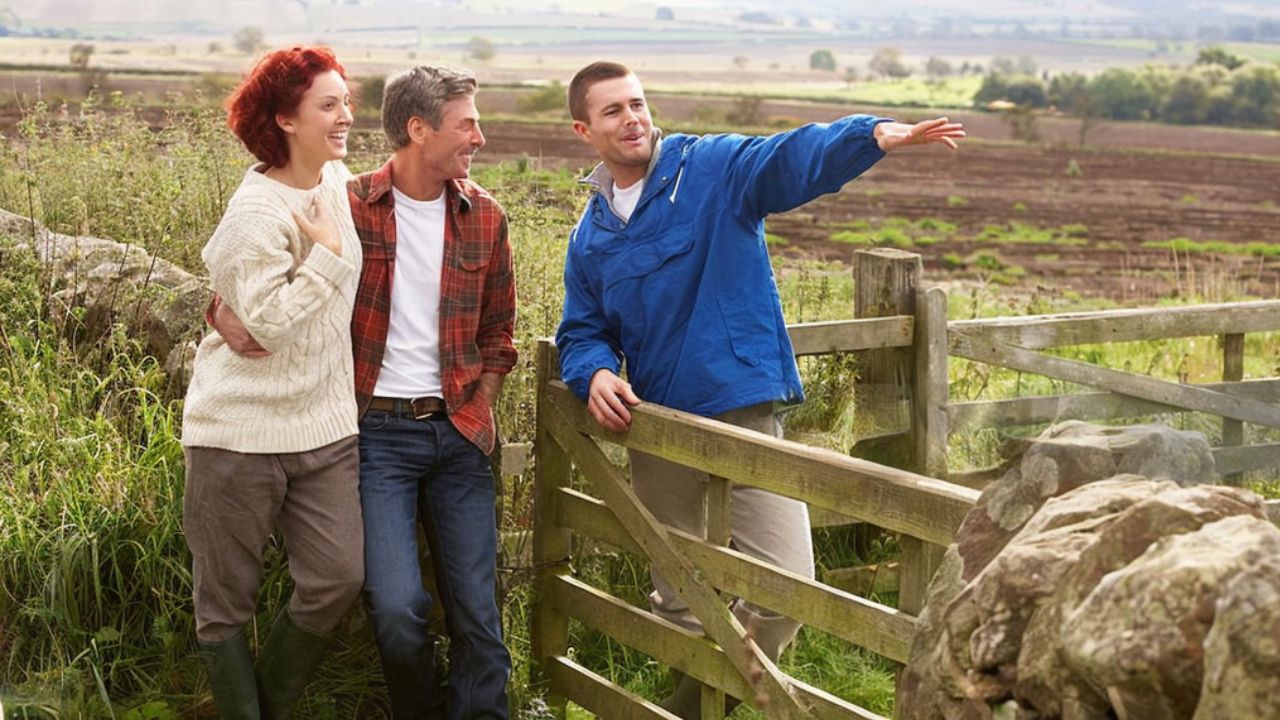
This land decision cost us way more than we planned
When you first buy land, you think you’ve thought of everything. You price out the property, you calculate closing costs, and you even factor in a little extra for setup.
But once you’re actually standing there, boots on your own soil, you realize how many decisions you made before you really understood what they meant. Some of them are small and fixable. Others? They follow you for years.
Our biggest mistake came down to one thing: where we put the driveway.
The “easy” choice isn’t always the smart one
When you’re buying raw land, you tend to look for the most straightforward solution. We chose the path that seemed easiest—a short, direct line from the road to the flat spot we wanted to build on. It looked perfect. The ground was clear, the soil was firm, and the route seemed cheap to cut.
What we didn’t realize was how water would change everything. After our first good rain, we learned the hard way that our “simple” route was the lowest point on the property. Every storm turned that section into a small river. Gravel washed out, deep ruts formed, and by the second month we were sinking tires every time it rained.
It felt like an easy decision at the time. But the easy option is usually the one that costs the most later.
The costs stack up fast
Once you’ve made a foundational mistake like that, everything built around it becomes more expensive. Fixing drainage meant hiring an excavator—again. We had to dig trenches, add culverts, and lay new gravel. Then we had to recompact the whole stretch.
That “cheap” $2,000 driveway ended up closer to $8,000 by the time we stabilized it—and that didn’t include the frustration, the delays, or the equipment that got stuck along the way.
The lesson: even a small decision can multiply costs when it’s tied to infrastructure. Anything that connects to your home, utilities, or main access needs to be thought through like you’re planning ten years ahead, not ten days.
You don’t see the problems until you live with them
On paper, land decisions make sense. You can look at maps, elevations, and soil reports, but nothing replaces being there long enough to see how the land behaves. Where the water flows. Where the ground stays soft after rain. Where the wind hits hardest.
If you rush those decisions, you’re working blind. A few months of observation could have saved us thousands. But like most new landowners, we were eager to start building. The excitement of progress made us skip the patience part—and that’s where it cost us.
Professionals are worth the money early on

We thought we were saving money by doing things ourselves and relying on our own judgment. We watched YouTube videos, asked around, and figured we’d get it right with enough effort.
But professionals see things you won’t. A quick consult with someone experienced in grading or drainage would have told us instantly that our route was a bad idea. Spending a few hundred upfront could’ve saved thousands down the road.
Sometimes “DIY” is the right move—but when it comes to the foundation of your property, getting expert eyes on it early is worth every dollar.
Every fix has a ripple effect
Once you start reworking something that’s already built, it’s not just about that one fix anymore. The heavy equipment to redo the driveway tore up the edges of our yard. The new drainage trench meant moving part of our fence line. Then, because of that change, we had to replan our water line route.
One early mistake snowballed into a chain of unexpected projects. That’s the hidden cost no one talks about. When you’re correcting something on raw land, it never happens in isolation. Every fix connects to something else.
The emotional toll sneaks up on you
It’s not just about money—it’s the mental wear of doing things twice. Watching the same stretch of ground swallow more time and cash than you planned gets discouraging. Every setback feels heavier when you’re trying to build something from nothing.
We learned to take a step back and remind ourselves why we started in the first place. Land ownership isn’t supposed to be perfect—it’s a long game. The early years are full of trial and error, and every mistake teaches you how to do better next time.
You start seeing “cost” differently
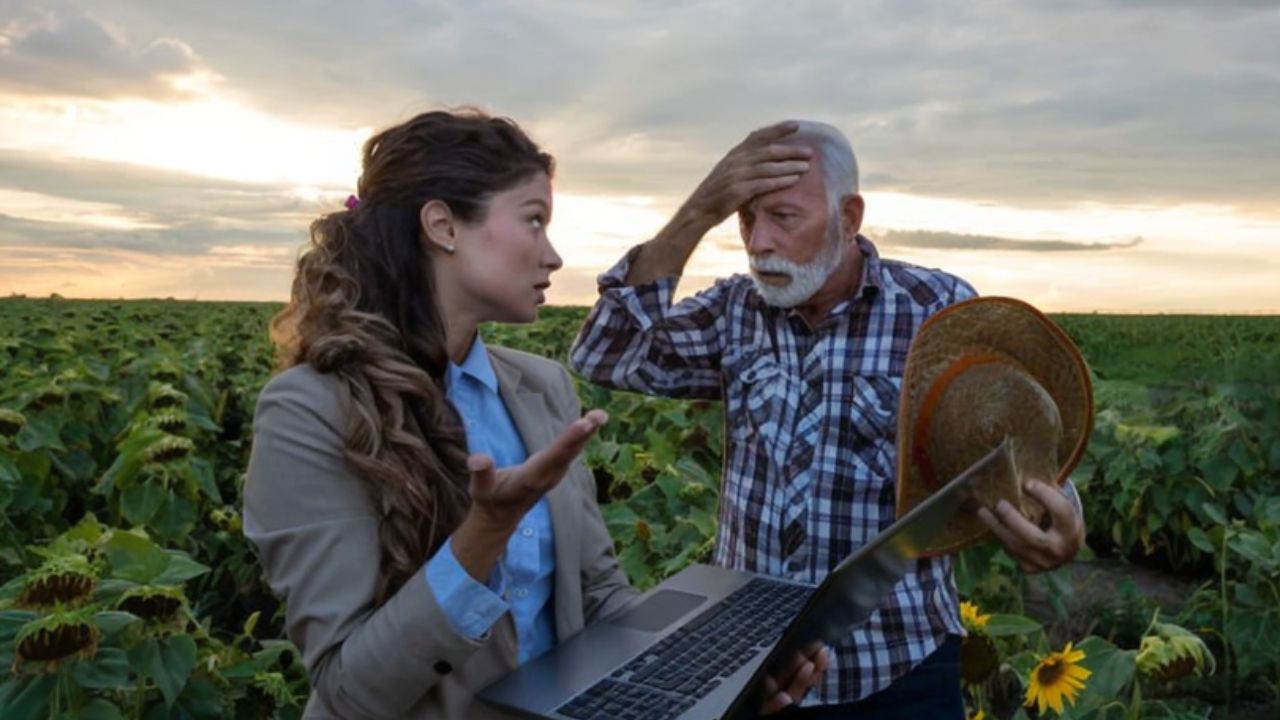
When you first move onto land, cost means dollars. Later, you start realizing your time, labor, and frustration are just as valuable. Spending more upfront to do something right often saves far more in energy and peace of mind later.
That shift changes how you make every decision after. You stop asking, “What’s the cheapest way?” and start asking, “What’s the smartest way?”
You’ll recover—but you won’t forget
We fixed our driveway eventually. It drains properly now, it’s solid year-round, and it’s one less thing we worry about. But the experience changed how we approach every project that followed.
We take our time now. We study the property before breaking ground. We talk to people who’ve been there longer. And when something feels “too easy,” that’s usually a sign to slow down and look closer.
Every landowner has at least one story like this—one decision that cost more than it should have. It’s part of the process. The important thing is to learn from it. Because every time you make a better choice, your land starts working with you instead of against you—and that’s when it finally starts to feel like home.
Like Fix It Homestead’s content? Be sure to follow us.
- I made Joanna Gaines’s Friendsgiving casserole and here is what I would keep
- Pump Shotguns That Jam the Moment You Actually Need Them
- The First 5 Things Guests Notice About Your Living Room at Christmas
- What Caliber Works Best for Groundhogs, Armadillos, and Other Digging Pests?
- Rifles worth keeping by the back door on any rural property
*This article was developed with AI-powered tools and has been carefully reviewed by our editors.