This “small upgrade” causes big problems in older homes
In an older house, the projects that look smallest on paper are often the ones that unravel the fastest. A new outlet, a sleeker toilet, a bit of spray foam in a chilly wall cavity can all seem like modest upgrades, yet each one can expose hidden weaknesses that have been quietly building for decades. If you live in a prewar bungalow or a mid‑century ranch, treating these tweaks as harmless can turn a weekend refresh into a structural, electrical, or plumbing crisis.
The pattern is consistent: you add one modern convenience, and the rest of the system, never designed for that load or moisture level, starts to fail. Understanding where those fault lines usually sit, and how other homeowners have stumbled into them, is the difference between a satisfying improvement and a renovation that spirals into emergency repairs.
When a “simple” outlet upgrade overloads old wiring
One of the most common small upgrades in an older home is adding more places to plug things in. You might want a couple of extra sockets behind the TV or a charging station by the bed, and on the surface that sounds minor. The problem is that many older houses still rely on fuse boxes and wiring layouts that were never intended to handle today’s dense clusters of electronics, so a new outlet can quietly push a fragile circuit past its limit.
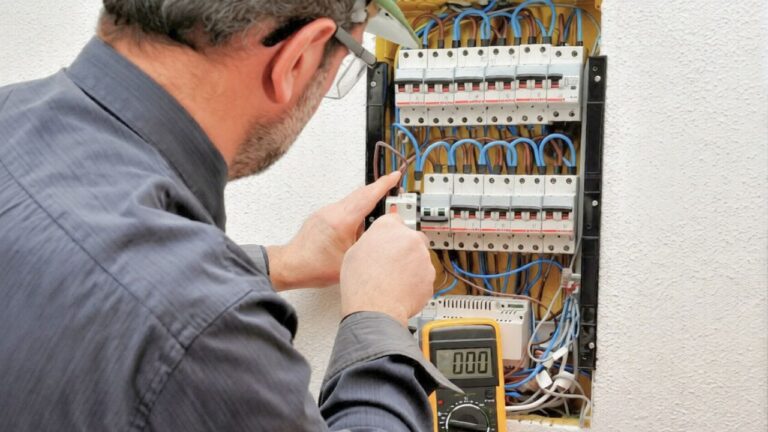
Guides to electrical modernization point out that Outlets are simply access points to a much larger system, and that system may be undersized or deteriorated. In many older homes, the branch circuits feeding those Standard receptacles share long runs of aging cable and may still be tied into outdated panels that are already at capacity. Homeowners swapping in a few extra outlets without checking the panel rating or circuit loading often report tripping breakers, flickering lights, or warm faceplates once they start plugging in televisions, game consoles, and space heaters at the same time.
The hidden risk behind “more power” and new panels
Another deceptively small upgrade is replacing an old electrical panel to “get more power” for a kitchen or home office. On paper, installing a modern breaker box looks like a straightforward safety improvement. In practice, if you simply bolt a larger panel onto wiring that was sized for a much lower demand, you can mask underlying hazards and encourage heavier use on circuits that were never meant to carry it.
Electrical specialists warn that top resale upgrades like new panels only deliver their value when the rest of the system is evaluated and, if necessary, replaced. Another detailed breakdown notes that Many older homes still rely on panels that are not equipped for modern energy usage, which tempts owners to oversize replacements. Without checking conductor sizes, grounding, and the condition of junction boxes, that “small” panel swap can leave you with hidden overheating in walls and ceilings that only shows up later as scorched insulation or a tripped main breaker during a heat wave.
New fixtures on Old pipes: why bathrooms go wrong
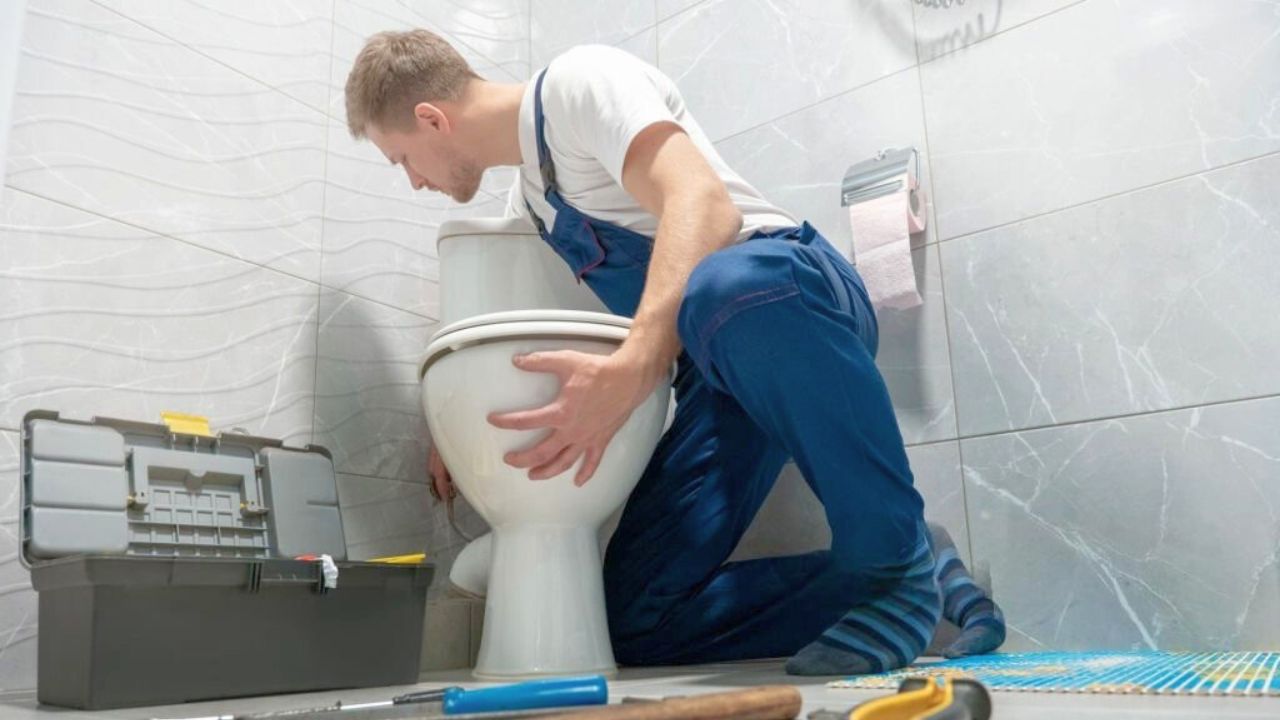
Bathroom upgrades are another classic example of a modest change that can expose serious weaknesses. Swapping in a sleek faucet, a rainfall showerhead, or a low‑flow toilet feels contained to one room, yet those fixtures demand consistent pressure and clean, smooth supply lines. When you connect them to decades‑old plumbing, even minor imperfections in the pipes can turn a cosmetic refresh into a chronic leak or clog.
Plumbing specialists note that Even small rough spots inside older pipes can catch debris and create turbulence, which becomes a bigger problem once Modern fixtures expect steady flow and pressure. In many older homes, supply and drain lines are still galvanized steel or cast iron, and guidance on system upgrades stresses that it is not uncommon for older homes to have galvanized pipes with internal corrosion. When you add a new shower valve or toilet to that mix, the increased use and pressure can dislodge rust, clog aerators, or reveal pinhole leaks that were previously sealed by mineral buildup.
Galvanized, cast iron and Old plastic: small leaks, big bills
Beyond the bathroom, the age and material of your plumbing can turn tiny upgrades into expensive failures. Replacing a single shutoff valve, adding a fridge water line, or installing a new hose bib all involve disturbing pipes that may be brittle or already compromised. Once you start cutting into those lines, the stress can travel further than you expect, cracking fittings in the next room or accelerating corrosion at old joints.
Plumbing reports highlight that Older pipes such as cast iron are more susceptible to rust and corrosion, which creates rough internal surfaces that slow drainage and cause frequent clogs. Budget‑focused advice adds that Old plastic tubing is one of the most common causes of big, wet, wallet‑draining problems, since it can split or fail at fittings without much warning. Another guide to cost‑conscious improvements warns that Decisions to replace only visible sections of pipe, while leaving hidden Old plastic or galvanized runs untouched, often backfire when Smal drips inside walls grow into mold and structural damage.
Insulation: when “just filling the cavity” traps moisture
Energy prices and comfort concerns push many owners of drafty houses to add insulation, and on paper, topping up a wall or attic looks like a modest, high‑return project. The catch is that older buildings were often designed to breathe, with intentional air movement through walls and roof assemblies. When you treat them like modern sealed boxes and simply pack cavities with foam or dense batts, you can trap moisture where it has nowhere to go.
One detailed explanation of older building envelopes notes that Historic homes were built to be able to breathe and allow air flow to keep up with moisture content, which is Why those old structures often last so long. A case study of uninsulated brick walls found that, as originally built, uninsulated brick walls could dry after rain in part because of heat loss through the wall. Once insulation was added without careful moisture management, the walls stayed damp for longer periods, raising the risk of freeze‑thaw damage and mold. Another insulation guide points out that One of the many disadvantages older homes face is a severe lack of insulation, but it stresses that simply filling cavities is not enough without also planning for ventilation and a proper heating system.
Foundation, basements and the “little” changes that invite water
Some of the most expensive surprises in older homes start in the basement or crawlspace, far from the cosmetic upgrades you see every day. Adding a laundry sink, rerouting a downspout, or finishing a storage room can all seem like small, contained projects. Yet each one can alter how water moves around and under your house, and older foundations are often less forgiving when that balance shifts.
Renovation specialists emphasize that if you are buying an older home, assuring that the foundation is solid is one of the most critical issues you will face, and that it may dictate how you approach everything from framing to moisture and mold in basements. The same guidance, repeated in a separate overview of common problems, warns that even modest remodeling can aggravate existing cracks or drainage issues if you add weight or change grading near the walls. When you punch new holes for plumbing or vents without sealing them correctly, you can create direct paths for water and radon into spaces you plan to occupy.
Toilets, Bidet seats and Modern water demands
Bathroom technology has evolved quickly, and many homeowners now treat toilets and bidet seats as plug‑and‑play upgrades. Swapping in a low‑flush model or adding a powered seat seems like a tidy weekend job. Yet these fixtures change both how much water moves through your lines and how your electrical system is used in a wet room, which can expose weaknesses in older supply, venting, and wiring.
Design coverage of bathroom trends notes that Bidet seats are reducing the amount of paper use after you have gone number two, and that Low‑flush toilets mean we are not using as much water. A separate guide to bathroom updates explains that Modern low‑flow toilets use significantly less water than older designs, which helps reduce usage and lower bills. In an older home, that reduced flow can be a double‑edged sword: undersized or poorly sloped drains may not clear solids as effectively, and if your venting is inadequate, you may see more frequent clogs or sewer gas issues. Adding a powered seat also introduces a new electrical load in a room that may not have been wired with grounded, GFCI‑protected circuits.
What other homeowners learned the hard way
One way to understand how small upgrades can snowball is to look at what other owners of older houses have already tried. Online discussions are full of stories where a seemingly minor change exposed a much larger problem. People talk about replacing a single light fixture and discovering brittle cloth‑wrapped wiring in the ceiling, or adding a dishwasher and realizing the drain line was never properly vented.
In one widely shared thread, homeowners traded examples of a small upgrade that ended up causing big problems, from a new thermostat that revealed failing furnace wiring to a backsplash installation that uncovered crumbling plaster. Owners of older properties also share cautionary tales in communities devoted to vintage houses, where one commenter named Itsrigged warned that insulating a Historic brick masonry wall without understanding how it was built can be bad for the frame because that construction has no natural space to insulate. These anecdotes echo the professional advice: the age and design of your house matter more than the apparent size of the project.
How to plan “small” upgrades so they do not spiral
If you live in an older home, the safest way to approach any upgrade is to assume it touches a larger system, even when the work looks minor. Before you change a fixture, add insulation, or swap a panel, map out what sits upstream and downstream: which pipes or wires feed it, how water or air moves around it, and what materials are hidden behind the surfaces you see. A short inspection and a few test holes can reveal whether you are dealing with galvanized pipes, cast iron drains, knob‑and‑tube wiring, or uninsulated brick, all of which demand more caution.
Plumbing experts who focus on efficiency upgrades stress that it is not uncommon for older homes to have galvanized pipes that need replacement rather than piecemeal fixes. Renovation guides to remodeling older homes recommend starting with structure, moisture, and mechanical systems before you invest in finishes. Electrical overviews remind you that Standard outlets and panels should be evaluated together, not in isolation. When you treat every “small” upgrade as a chance to understand and, if necessary, modernize the system behind it, you are far more likely to end up with a home that feels both historic and reliably safe.
Like Fix It Homestead’s content? Be sure to follow us.
Here’s more from us:
- I made Joanna Gaines’s Friendsgiving casserole and here is what I would keep
- Pump Shotguns That Jam the Moment You Actually Need Them
- The First 5 Things Guests Notice About Your Living Room at Christmas
- What Caliber Works Best for Groundhogs, Armadillos, and Other Digging Pests?
- Rifles worth keeping by the back door on any rural property
*This article was developed with AI-powered tools and has been carefully reviewed by our editors.