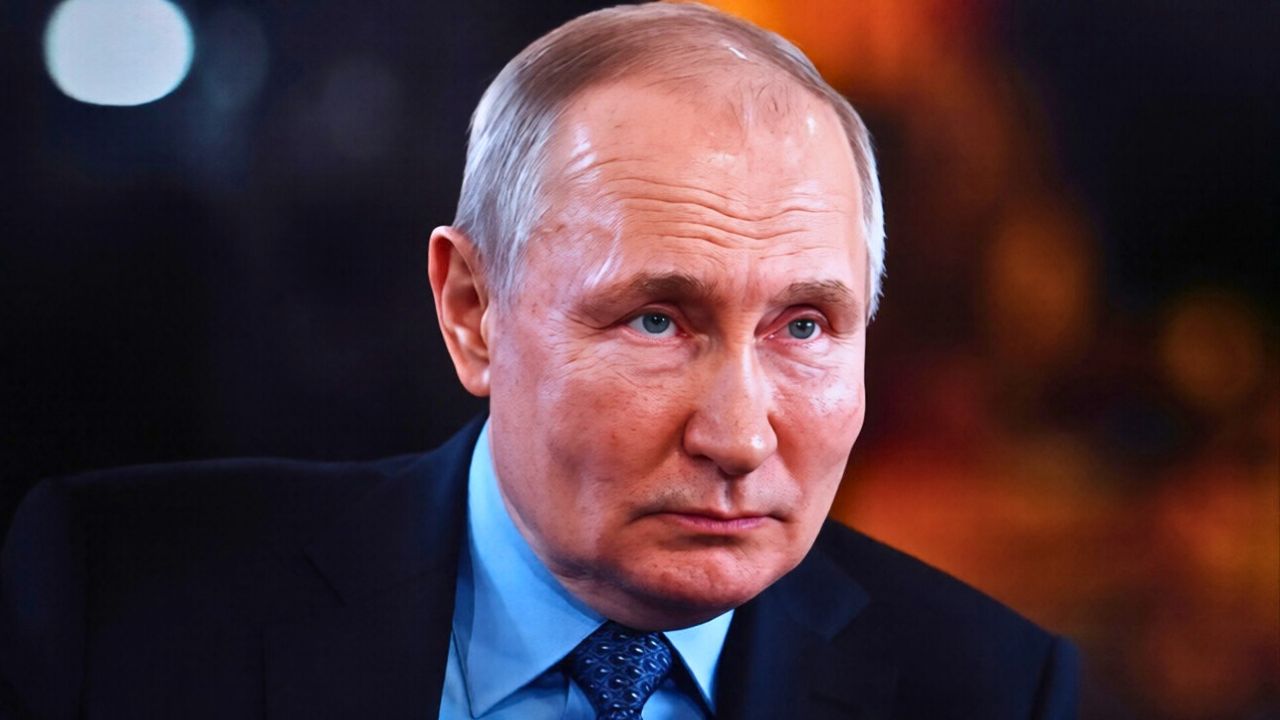
Trump says Putin “wants to be helpful” ending Ukraine war
Photo credit: FotoField/Shutterstock.com
Donald Trump is casting Vladimir Putin as a potential partner in ending the war in Ukraine, telling supporters that the Russian leader “wants to be helpful” and could prove it by stopping the fighting. The comments followed a new phone call between the two men that also touched on the conflict in Iran and turmoil in the Middle East, underscoring how Trump sees Moscow as central to multiple crises. His framing immediately sharpened questions about whether flattering Putin in public can translate into real leverage on the battlefield.
Trump’s remarks came as Ukraine, Russia and the United States weigh new diplomatic contacts and as Ukrainian President Volodymyr Zelenskyy presses for firm security guarantees. Against that backdrop, Trump’s suggestion that Putin might be coaxed into ending the invasion adds another layer of uncertainty to already complex war diplomacy.
Trump’s “very good call” and the pitch to Putin
Speaking in DORAL, Florida, Trump described a fresh conversation with Russian President Putin that he said focused on both Ukraine and Iran. He told supporters that he had raised the conflicts in Ukraine and Iran directly with Putin and portrayed the call as part of a broader effort to calm multiple flashpoints at once, according to an account of the Ukraine and Iran discussion.
He later told an audience that he had a “very good call” with President Putin and described Ukraine as “just a never-ending fight,” in a video clip shared from Mar remarks about the war in Ukraine. In that clip, he repeated that he saw the conversation as constructive and suggested that the two leaders had gone into detail on the grinding conflict, as seen in the Mar video of his comments.
Trump framed Putin as eager to play a constructive role, particularly in the Middle East. He said that Russian President Putin “wants to be helpful” in that region, and then added a pointed suggestion that Putin could be “even more helpful” by ending the war in Ukraine, according to a recording of his remarks on the Middle East.
That line captured the core of Trump’s message: public praise for Putin’s supposed willingness to help, paired with a request that he prove it by pulling back in Ukraine. It also echoed Trump’s long-standing preference to treat personal rapport with foreign leaders as a diplomatic asset.
How Moscow describes the call
The Kremlin has presented the same conversation in more formal terms. According to its account, Trump called Putin and the two discussed Russian ideas for a speedy end to the war in Iran, with the suggestion that a resolution there could be reached quickly if certain proposals were accepted. Russian officials described the contact as the first telephone call between Trump and Putin this year and stressed that Moscow had shared specific proposals meant to end the Iranian conflict, as detailed in the Kremlin summary.
The Kremlin’s version highlighted Iran more than Ukraine, in contrast to Trump’s own emphasis on the war in Ukraine and his claim that Putin wants to help in the Middle East. The gap between Trump’s political messaging and Moscow’s official language suggests that each side is tailoring the story for its own audience.
Russian officials have also pushed back on some characterizations of the call that emerged in U.S. political debate, including suggestions that Moscow had made promises that it did not acknowledge publicly. According to the same account, Russian officials denied certain claims about the phone conversation that had circulated in American commentary.
Trump’s broader framing of Putin and war
Trump has repeatedly presented his relationship with Putin as an asset, often pointing to their conversations as evidence that he can manage crises more effectively than rivals. His comments in DORAL, Florida, fit that pattern, as he described how he had personally discussed the conflicts in Ukraine and Iran with Putin and suggested that this direct line could help bring the wars to an end, a portrayal consistent with the DORAL remarks.
In his public recounting, Trump blended praise and pressure. He said Putin wanted to be helpful in the Middle East, then pivoted to the idea that the Russian leader would be “more useful” if he ended the war in Ukraine. That formulation, described in a summary of his comment that “You could be even more helpful if you ended the war in Ukraine,” positioned Putin as someone who already has influence in multiple theaters and could choose to use it differently, as reflected in the Middle East exchange.
Trump also linked the Ukraine war to energy and shipping security. After lengthy remarks threatening further action against Iran if oil tankers could not cross through the Strait of Hormuz, he described how he had told Putin to “be helpful” in resolving regional crises. In that account, he tied the security of the Strait of Hormuz to broader conversations with Putin about Iran and conflict, as reflected in the Strait of Hormuz remarks.
Supporters heard a familiar argument: that Trump’s personal diplomacy with figures like Putin can reduce the risk of wider war. Critics, however, question whether public flattery of a wartime leader who ordered the invasion of Ukraine actually strengthens any leverage that Washington might have.
Ukraine, Iran and the Middle East on one call
Trump’s own description of the call suggests that he sees Ukraine, Iran and the Middle East as linked theaters. He said he and Putin talked about the ongoing war between Russia and Ukraine and also about the conflict in the Middle East, stressing that the Russian leader “wants to be helpful” across these fronts, according to his account of the discussion of Russia and Ukraine Middle East.
The Kremlin’s focus on Iran and Trump’s focus on Ukraine and broader regional turmoil point to different priorities but also to overlapping bargaining chips. Moscow has leverage in Syria and ties to Iran, while Washington has influence over sanctions and energy markets. Trump’s suggestion that Putin could end the war in Ukraine if he chose to hints at a belief that the decision ultimately rests with the Russian leader, a view shared by many analysts.
At the same time, Trump’s comment that Ukraine is “just a never-ending fight” captured the sense of stalemate that has set in after years of war. It also signaled his frustration with the open-ended nature of Western support for Kyiv, even as he tells audiences that he and Putin could find a way out.
Parallel diplomacy with Kyiv and trilateral talks
Trump’s outreach to Putin is unfolding alongside his contacts with Ukraine’s leadership. Earlier, Trump and Zelenskyy met in Florida, where Ukrainian President Volodymyr Zelenskyy spoke of “strong security guarantees” and signaled that Kyiv was seeking clear commitments from Washington on support and future cooperation, according to a summary of What the two leaders discussed in Florida.
In parallel, there are signs of more structured talks that could involve Ukraine, Russia and the United States. Witkoff and Dmitriev met in Florida on 11 Mar as Ukraine, US and Russia trilateral talks were shifted to 16 to 22 Mar at the request of the American side, according to an account that described how Witkoff and Dmitriev prepared for the next phase.
A separate account noted that on Mar 9, US President Donald Trump and russian dictator vladimir putin had a phone conversation in which they discussed the possibility of such trilateral talks, which were later scheduled at the suggestion of the American side, as described in the summary of how President Donald Trump Putin set the stage.
Those planned meetings suggest that Trump’s rhetoric about Putin helping to end the war is not only campaign messaging but also part of a broader diplomatic track that involves intermediaries and scheduled sessions in Florida. Whether that track can deliver a ceasefire or political settlement remains uncertain.
Domestic and international stakes
Like Fix It Homestead’s content? Be sure to follow us.
Here’s more from us:
- I made Joanna Gaines’s Friendsgiving casserole and here is what I would keep
- Pump Shotguns That Jam the Moment You Actually Need Them
- The First 5 Things Guests Notice About Your Living Room at Christmas
- What Caliber Works Best for Groundhogs, Armadillos, and Other Digging Pests?
- Rifles worth keeping by the back door on any rural property
*This article was developed with AI-powered tools and has been carefully reviewed by our editors.