We didn’t expect these issues when clearing our land
Clearing land seems like one of those things you can knock out in a weekend—until you’re knee-deep in tree roots, equipment delays, and unexpected bills. You picture a clean slate, but real life throws a few curveballs.
Whether you’re working with heavy machinery or going at it by hand, clearing land comes with a long list of surprises that nobody really warns you about. These are the things that caught us off guard and might catch you off guard too.
Tree Removal Is Only Half the Job
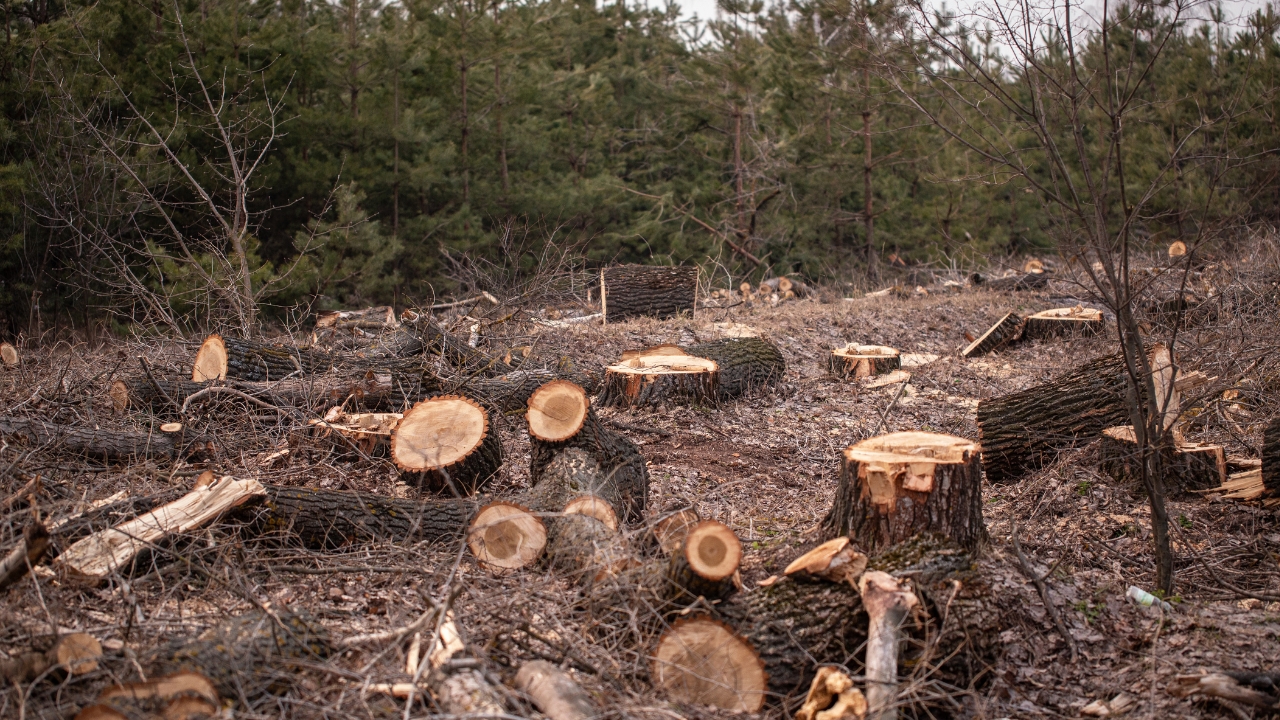
Getting the trees down feels like progress, but it’s what comes after that eats up your time. Stumps need to be pulled or ground down, root systems can wreck your equipment, and there’s usually more underbrush than you thought.
You’ll also need a plan for what to do with all the leftover trunks and branches. Hauling it off costs extra, burning it takes time and permits, and mulching it onsite requires equipment most folks don’t already own.
Hauling Off Debris Adds Up Fast
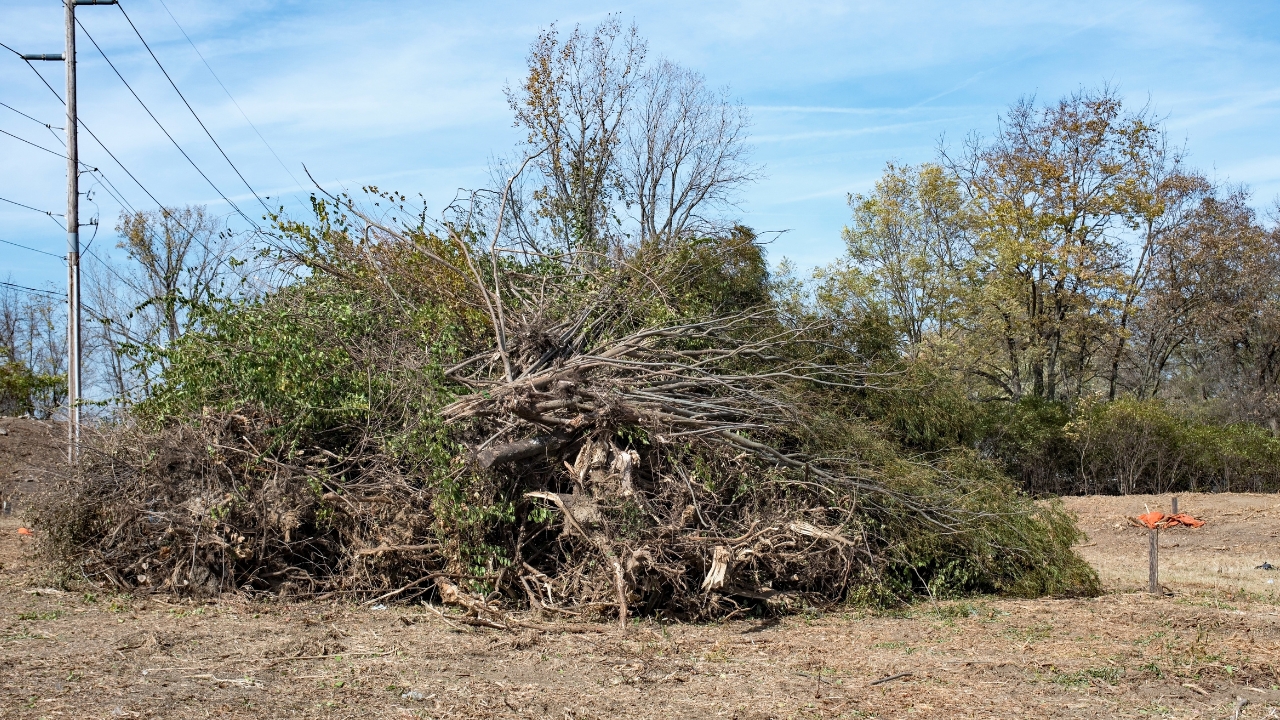
You can’t just push brush into a pile and call it done. If you don’t have a burn permit or the county doesn’t allow it, you’re going to need someone to haul off load after load of trees, roots, and brush.
Even if you do burn it, it takes days to manage and clean up, and you’ll still need to dispose of anything that won’t burn down easily—like root balls and thick hardwood. It’s one of the biggest hidden costs that piles up fast.
Drainage Problems Start Early
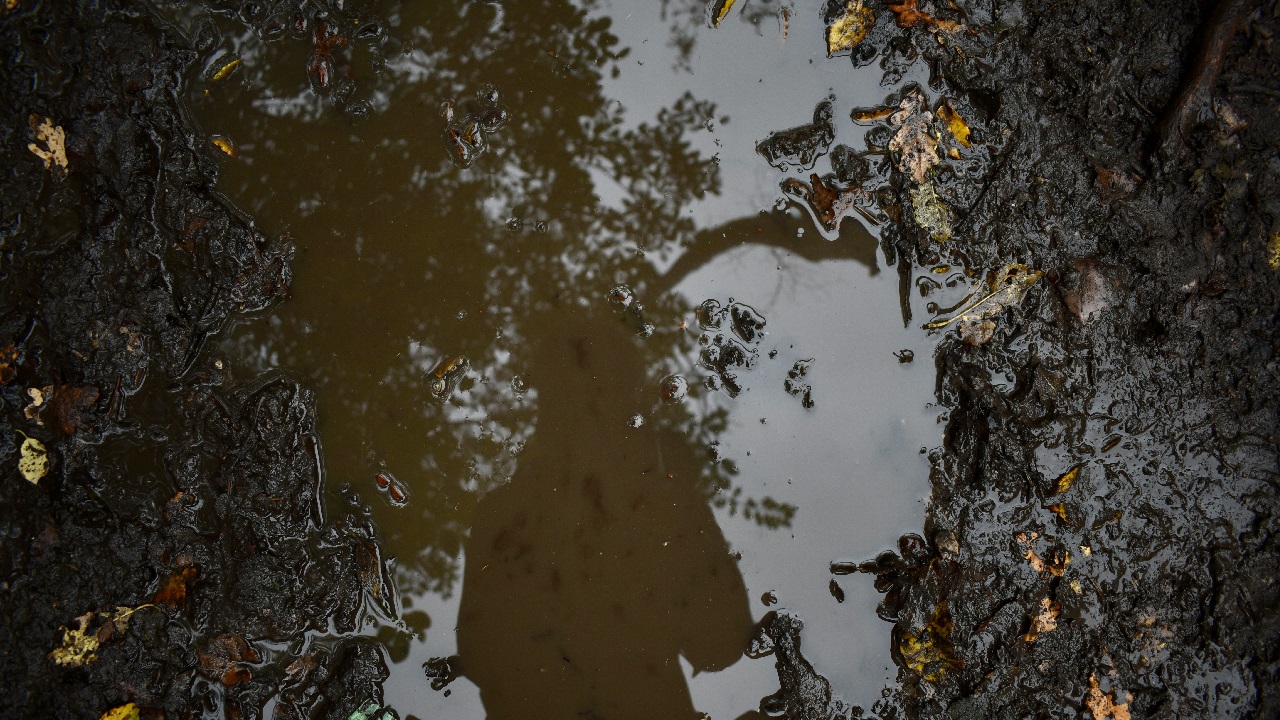
Once the trees are gone and the soil’s exposed, you may realize your land holds more water than you thought. Low spots turn into puddles, and slopes that looked fine start channeling water straight toward your build site.
Before clearing, it helps to walk your land during or after a good rain. That gives you a better idea of where water naturally flows and where you might need to grade, trench, or bring in extra fill to avoid future drainage issues.
Your Equipment Might Not Cut It

Even if you’re renting machinery, it might not be enough. A standard skid steer or tractor can struggle with thick roots or big stumps, and trying to muscle through can lead to broken attachments or wasted fuel.
If your land has larger trees, you might need an excavator, a dozer, or a forestry mulcher—and those don’t come cheap. It’s easy to underestimate how much power you’ll actually need to clear and prep your land properly.
Underground Surprises Slow Everything Down
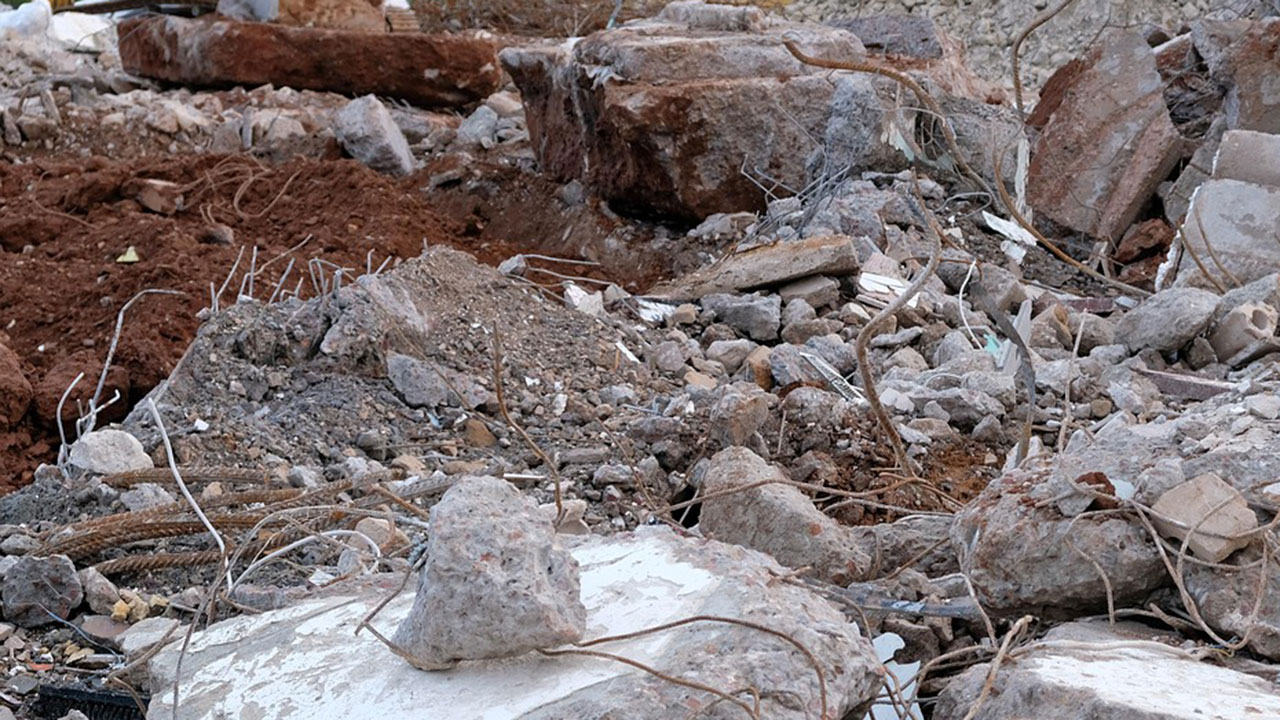
Once you start digging, you’re going to find things—old metal, concrete chunks, tangled roots, or even old fence lines buried under the surface. These slow progress, damage equipment, and throw off your timeline.
That’s not even counting utility lines. Always call 811 before digging. Even on raw land, you’d be surprised how often someone’s old well, power, or gas line still runs through it.
Burn Bans Can Throw Off Your Whole Timeline
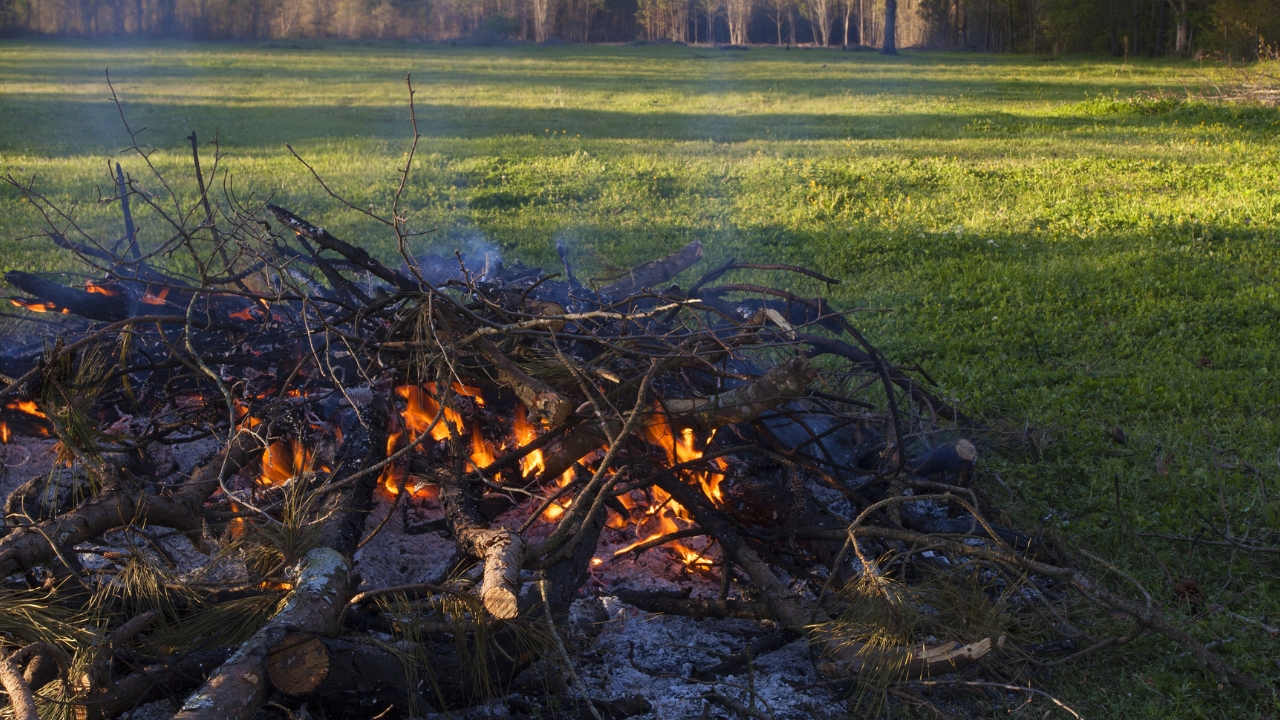
If you’re planning to burn brush piles, you better keep an eye on the forecast and local burn rules. A single burn ban can stall progress for weeks, especially in summer or dry seasons.
When you’re on a tight timeline, waiting on fire approval can be frustrating. If you don’t have a backup plan like mulching or hauling, your cleared brush will sit there and get in the way of everything else.
Mulching Doesn’t Always Mean “Ready to Build”
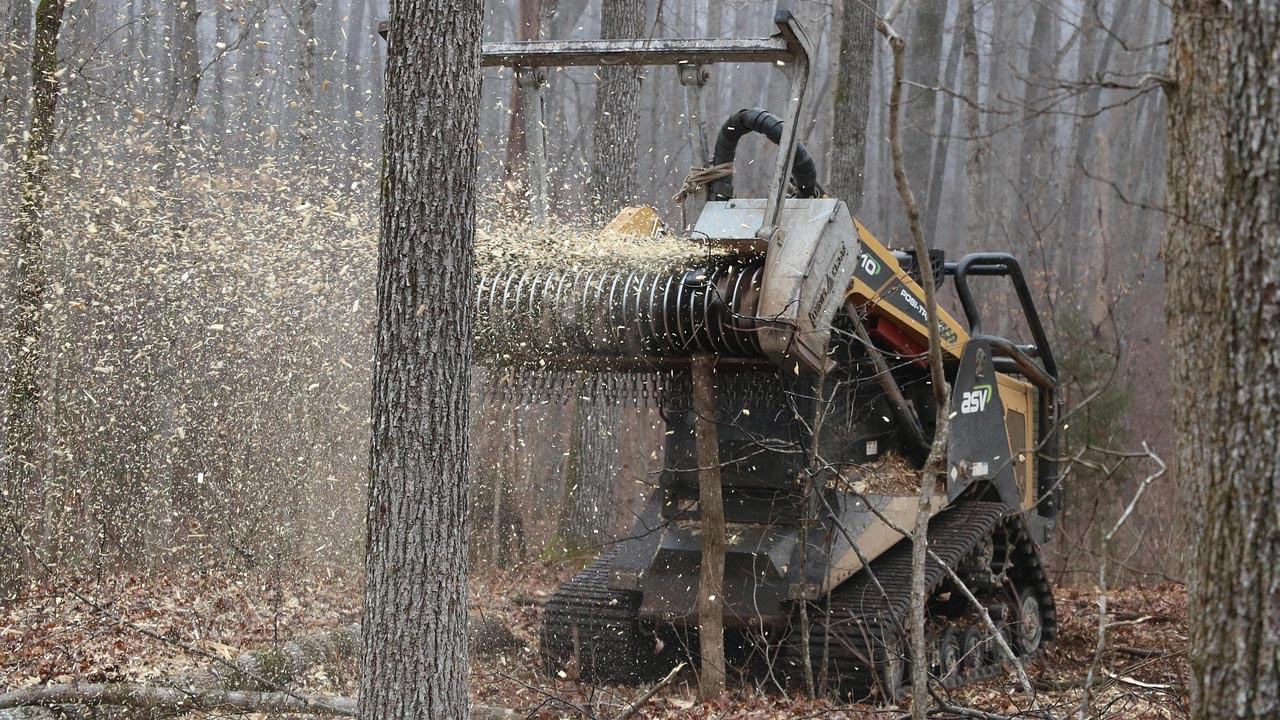
Running a forestry mulcher over the property looks great from a distance, but all that chipped debris doesn’t break down quickly. It creates an uneven layer that’s hard to build on, plant in, or even mow.
If you’re planning to use the area soon, you’ll likely still need to rake it, grade it, or remove the mulch. A lot of folks don’t realize it’s more of a visual cleanup than a real land-prep solution.
You’ll Fill In More Holes Than You Think
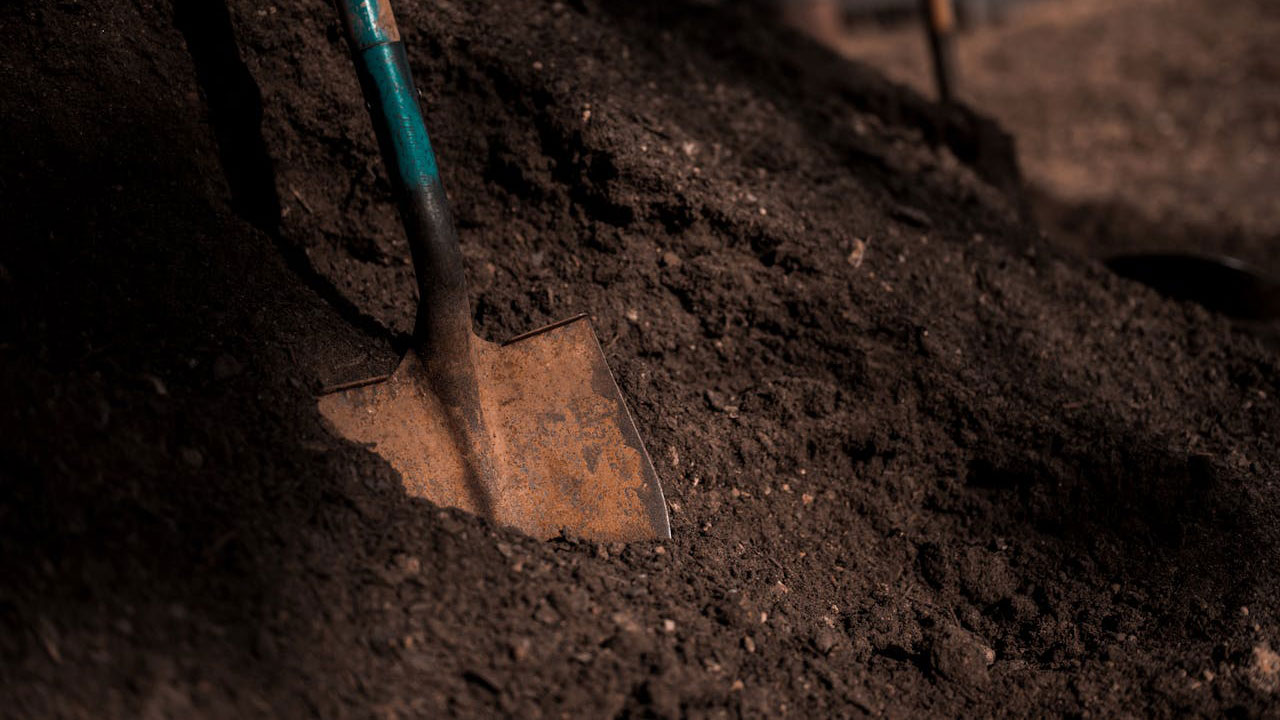
Every tree you remove leaves a hole—and if you’ve got dozens of trees, that’s a lot of spots to fill. Those voids can lead to uneven ground, water pooling, and unstable footing for future builds.
You’ll need to compact the soil, fill it with clean dirt or gravel, and level it properly. Ignoring those dips now means more work later when they turn into muddy messes or trip hazards.
Clearing Too Much Creates Its Own Problems
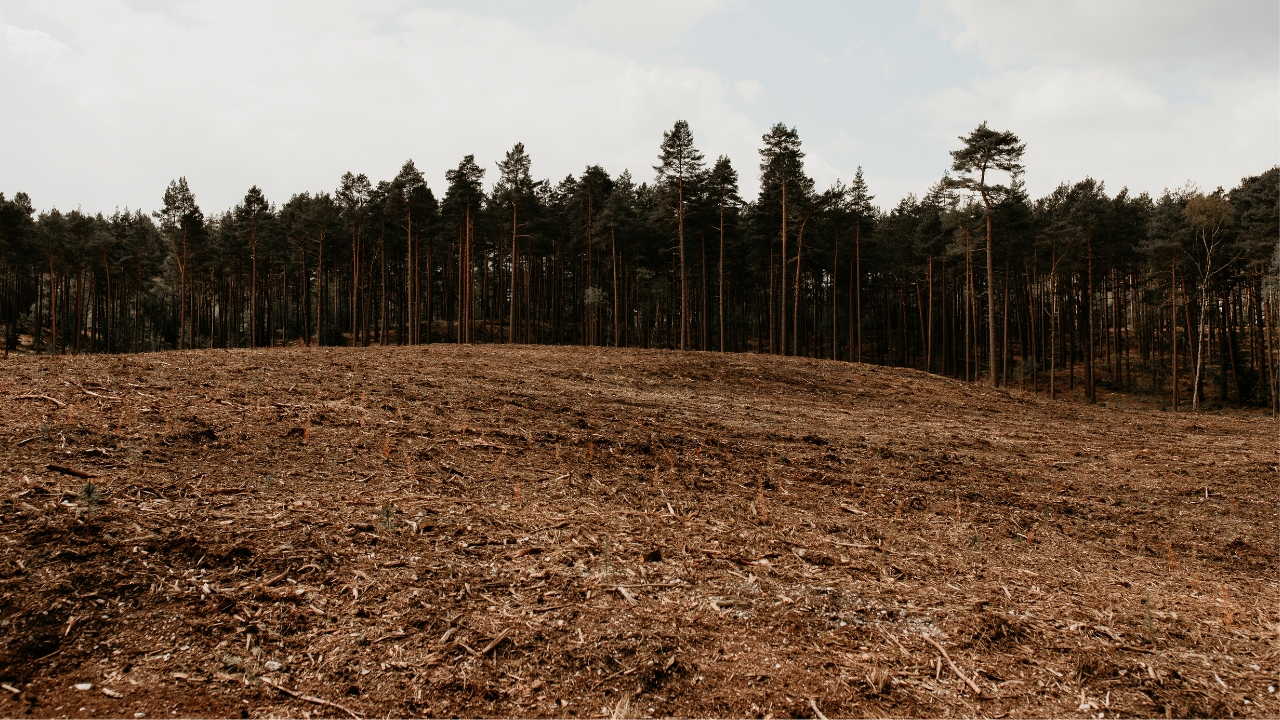
It’s tempting to clear everything in sight so you have a blank canvas. But fully clearing the land can increase erosion, remove natural shade, and expose you to wind and dust you didn’t have to deal with before.
Leaving a buffer of trees, especially near property lines and natural slopes, can help with privacy, drainage, and soil retention. You can always clear more later, but putting trees back isn’t so easy.
It’s Physically and Mentally Exhausting
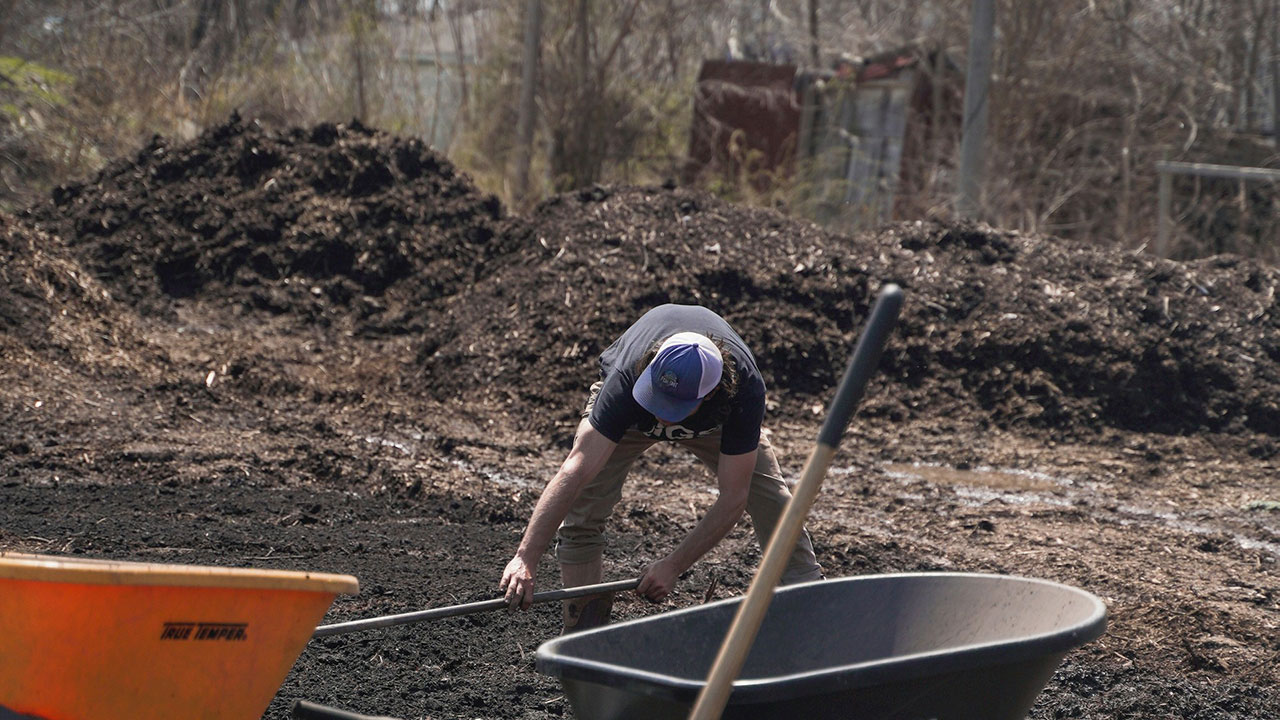
Even with hired help, clearing land takes a toll. It’s long days in the sun, constant problem-solving, and unexpected expenses. It’s easy to burn out before you’ve even started building.
If you’re doing it yourself, give yourself more time than you think you’ll need. If you’re hiring it out, build in a buffer for delays. Land clearing is one of those things that looks manageable on paper—but it hits harder in real life.
*This article was developed with AI-powered tools and has been carefully reviewed by our editors.