
What Actually Keeps Mice Out of a House
Photo credit: Paulpixs/Shutterstock.com
You don’t notice mice until you do. It’s the scratch in the wall at midnight, the chewed dog food bag, the little black droppings behind the toaster. Getting rid of them is part trap work, part house work, and the house work matters more.
1. Sealing Gaps With Steel Wool And Caulk
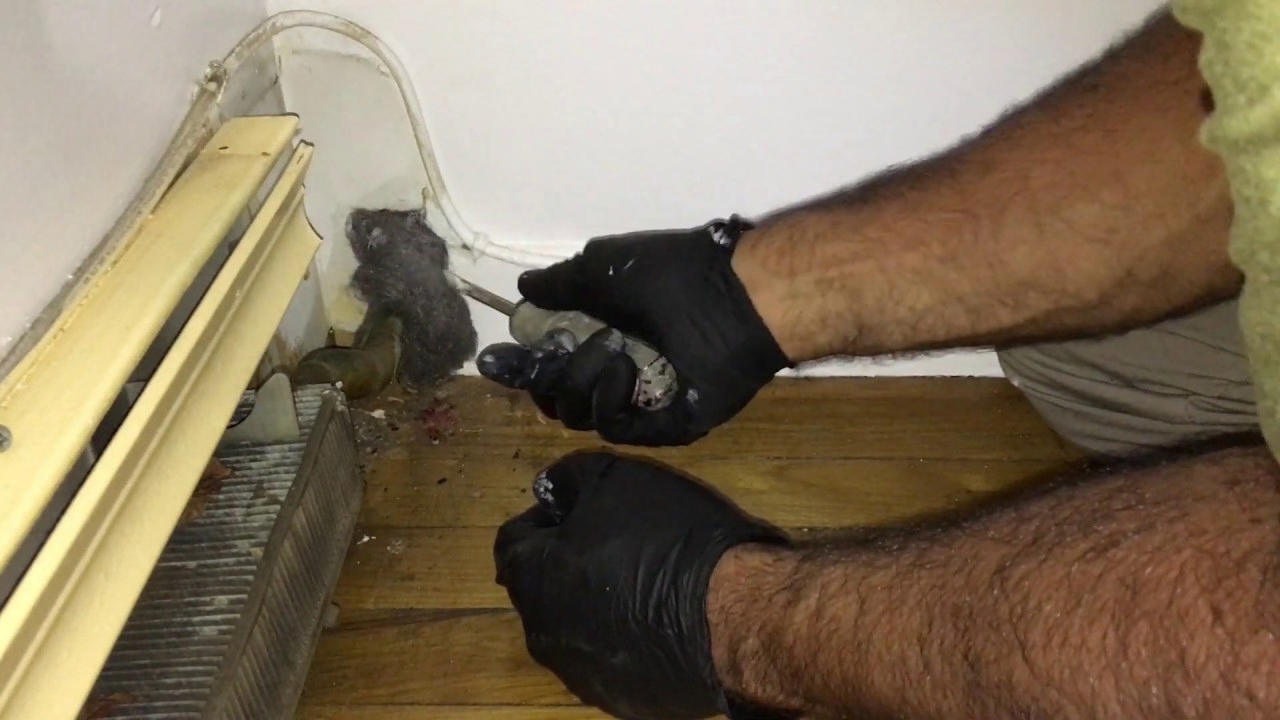
Most mouse problems start with a hole you can’t see from standing height. Look where siding meets foundation, where pipes and wires enter, under door thresholds, and at the rim joist area in a basement or crawlspace. If you can fit a pencil in a gap, a mouse can usually work it wider.
Stuff the opening tight with copper mesh or steel wool, then lock it in with exterior-rated sealant or expanding foam that’s labeled pest-blocking. Foam alone gets shredded and turned into bedding. This is cheap work, but it takes a slow, methodical lap around the house with a headlamp and a putty knife.
2. Hardening Basement Windows And Vents
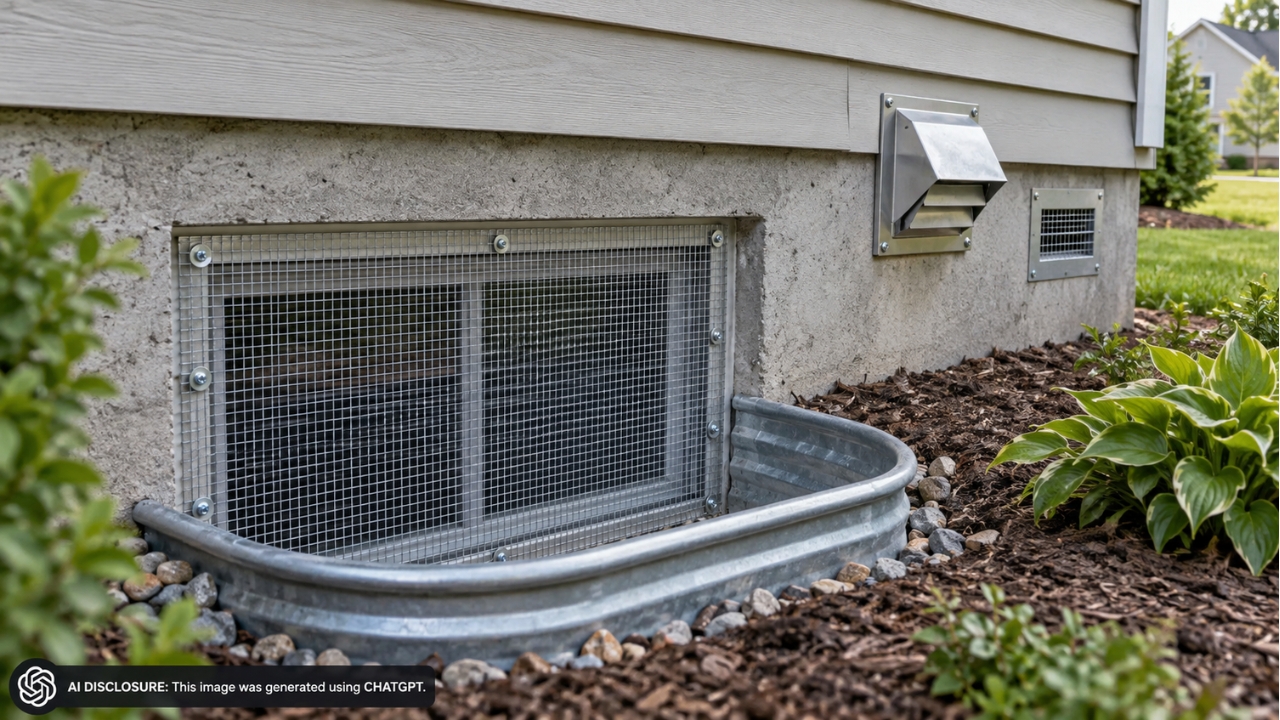
People replace traps for months while the basement window screen has a torn corner and the vent cover is loose. Window wells, dryer vents, crawlspace vents, and bath fan vents are straight highways into warm air and stored food.
Use 1/4-inch hardware cloth, not flimsy screen, and fasten it with screws and washers so it can’t be pushed in. Replace broken vent hoods and add a proper backdraft damper where it belongs. If a vent ties into a gas appliance, don’t improvise, follow the appliance manual and local code, and call a licensed pro if you’re not sure.
3. Fixing The Garage Door Bottom Seal
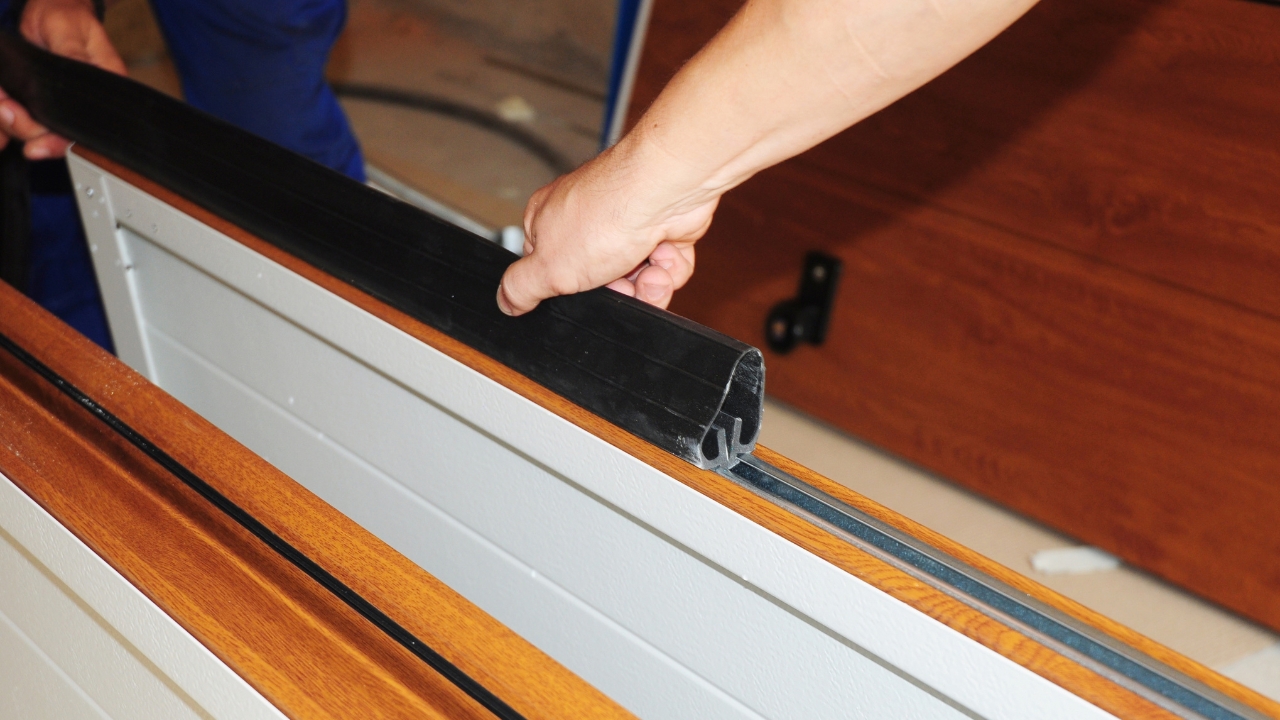
The garage is where mouse problems get started, then they move into the wall voids. A daylight gap under the door is a welcome mat, and the rubber bottom seal wears out fast on rough concrete.
Close the door and look from inside with the lights off. If you see a line of light, replace the bottom seal and adjust the door so it sits evenly. Add a threshold seal on the slab if the floor is wavy, but clean and dry the concrete first or it peels up in one season.
4. Cleaning Up Birdseed And Pet Feed
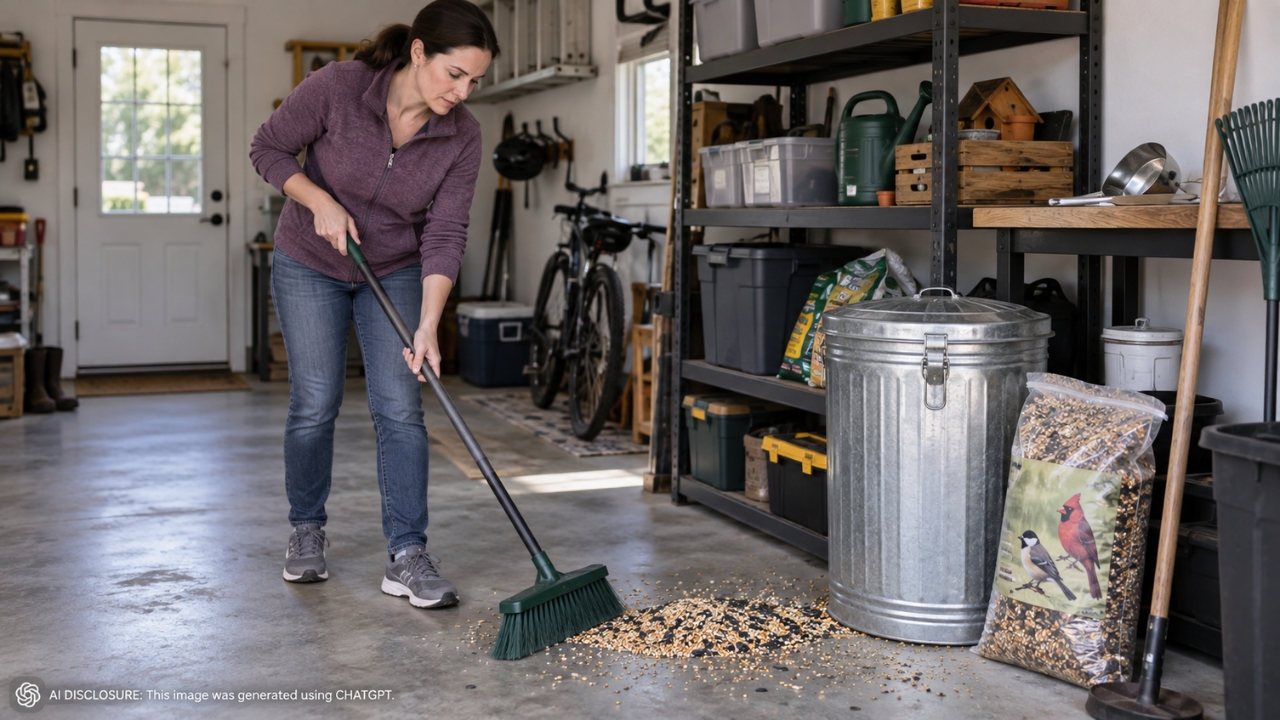
Feeding birds feels harmless until the ground under the feeder turns into a snack bar. Same with leaving a scoop of dog food in the garage, or storing a 40-pound bag in a paper sack next to the water heater.
Move feeders away from the house and use trays or sweep the spill zone often. Store all feed in metal cans with tight lids or thick plastic bins that actually latch. Thin tote lids get chewed at the corner, and you won’t notice until the mice do.
5. Cutting Back Brush And Low Branches
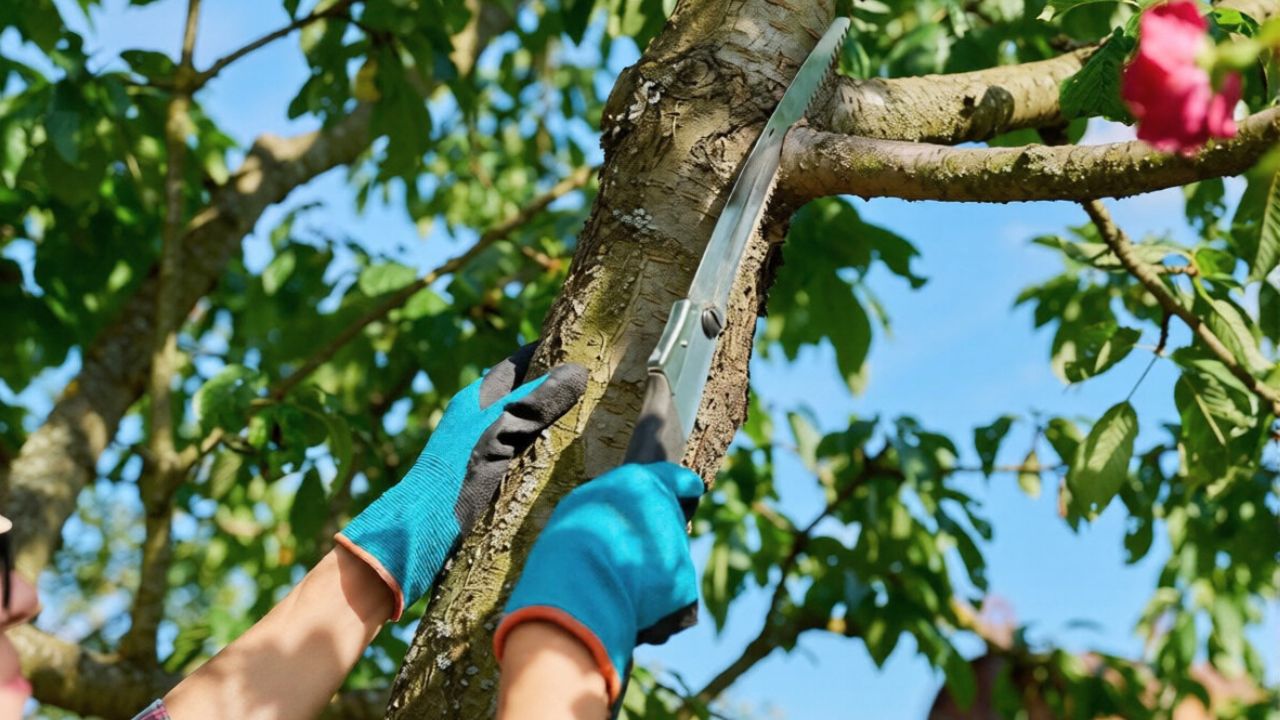
Overgrown shrubs hide entry points and give mice cover from owls, cats, and you. When branches touch the roof or siding, they become a ladder to soffits and gaps around fascia.
Cut back plants so there’s a clear space along the foundation, and keep tall grass trimmed near the house. Stack firewood and brush piles well away from the wall, on a rack if you can. This is more about timing than anything, do it before fall nights get cold and rodents start shopping for indoor heat.
6. Fixing Drips And Damp Crawlspaces

Mice don’t need a lot of water, but a steady drip turns a dark corner into a hangout. Leaky hose bibs, sweating cold pipes, and wet crawlspaces also mean insects, and insects are food.
Repair the leak, then deal with the moisture source. In a crawlspace, that can mean a vapor barrier laid right, a working sump pump, or better drainage outside. If you’ve got standing water or moldy framing, bring in a pro, it’s not a weekend guess-and-check job.
7. Using Snap Traps In Tight Runs
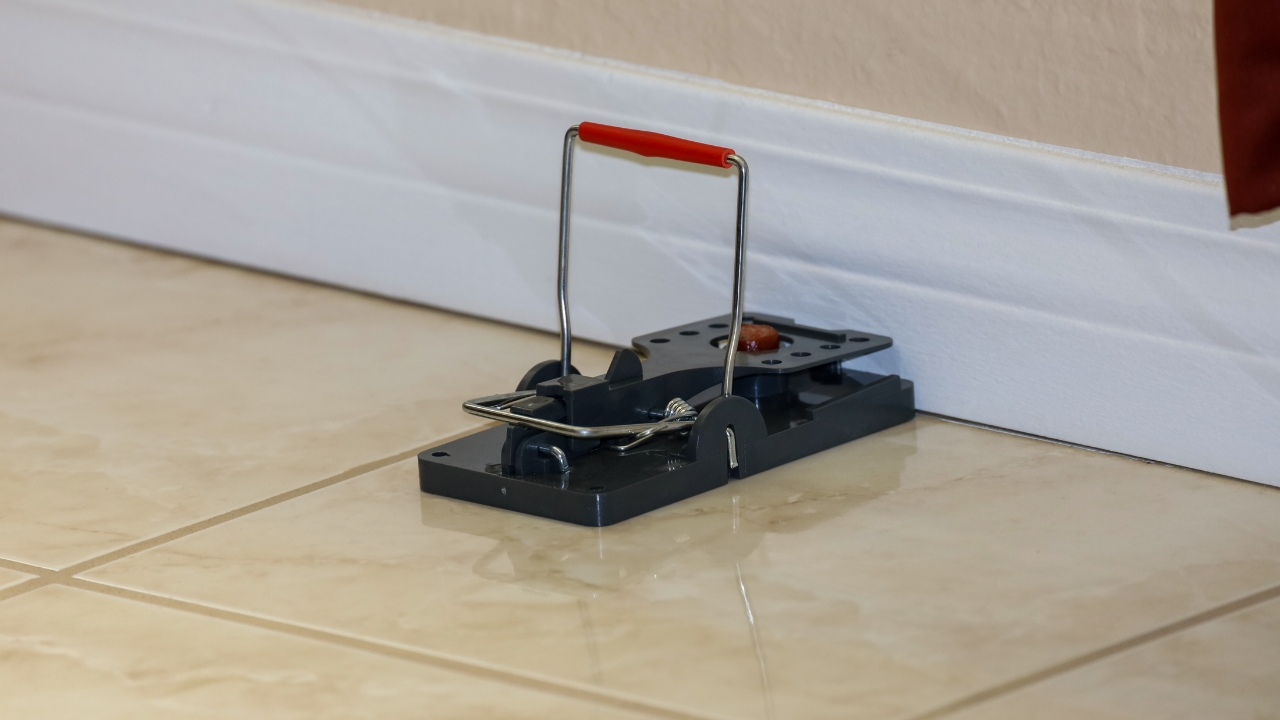
Poison sounds easy until you get the smell in a wall and flies in the window. Snap traps are blunt, but they let you see what’s going on and stop it fast.
Set traps perpendicular to the wall with the trigger end against the baseboard, because mice run edges. Use a small dab of peanut butter, or a bit of chocolate, and don’t overload it. Place them behind the fridge, under the sink, along garage walls, and near droppings, then check daily with gloves.
8. Blocking Stove And Cabinet Toe Kicks
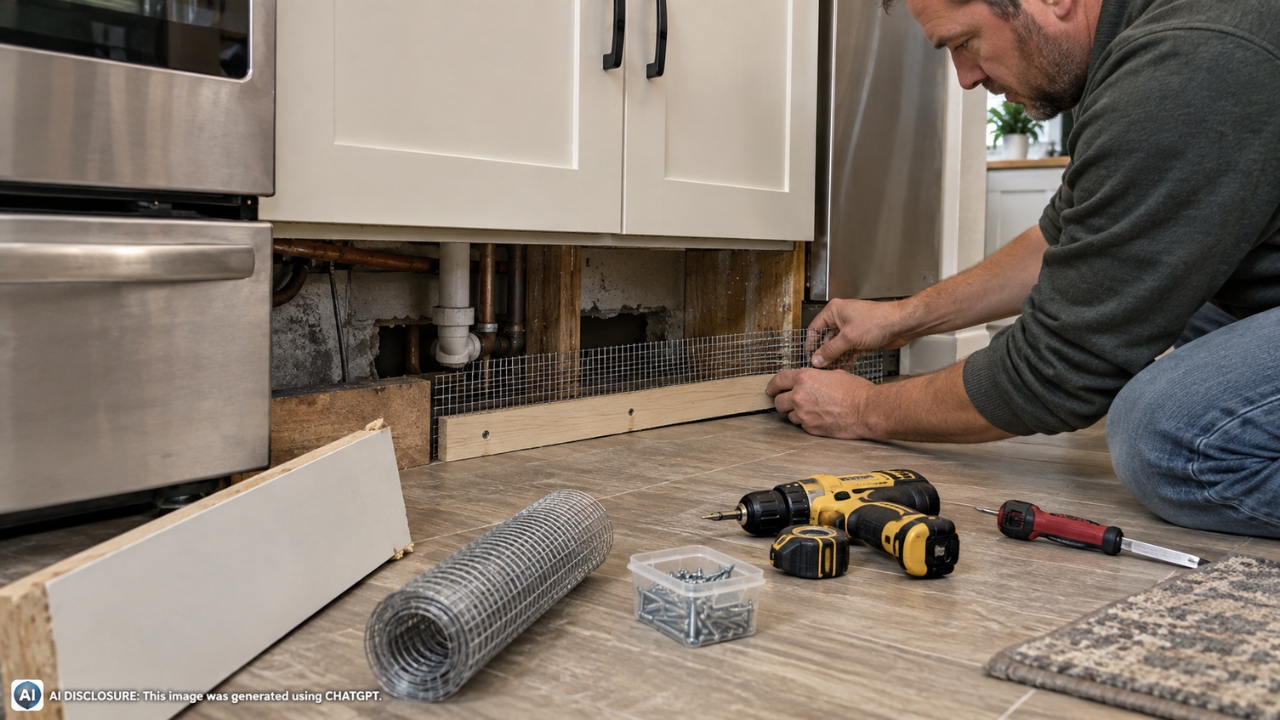
The space under cabinets and appliances is a safe tunnel system. A mouse can travel from a hole behind the dishwasher to the pantry without crossing open floor.
Pull the toe-kick panel and look for gaps around plumbing and the back wall. Patch openings with hardware cloth and screws, or a thin strip of plywood sealed at the edges. This is fussy work, but it keeps your kitchen from being the highway.
9. Treating Attic Access Like An Exterior Door
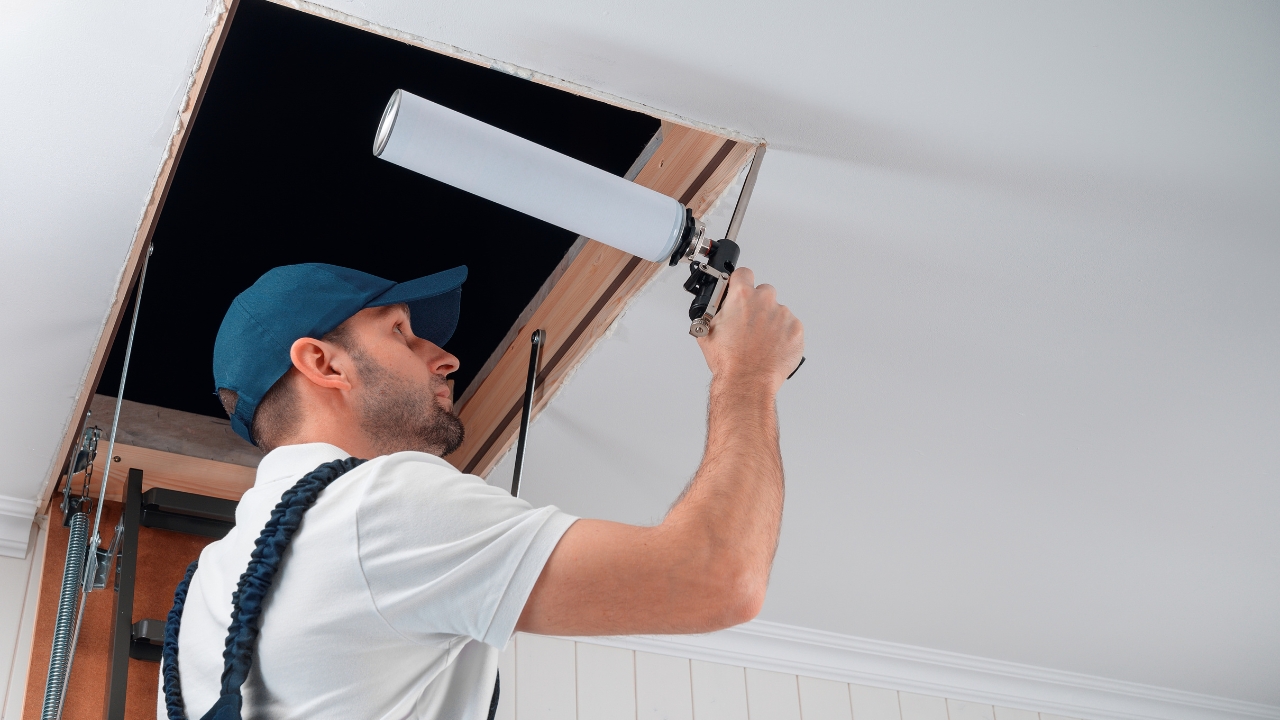
Pull-down stairs and attic hatches get installed, then ignored for years. The trim gaps and warped panels leak heat and scent, and mice follow the smell of insulation, cardboard, and stored holiday snacks.
Add weatherstripping and a tight latch so the panel pulls snug. Don’t store birdseed, pet food, or candles made with food oils up there. If you find droppings in insulation, wear a respirator and gloves, mist the area lightly to keep dust down, and bag debris carefully.
10. Not Trusting Peppermint And Ultrasonic Plugs
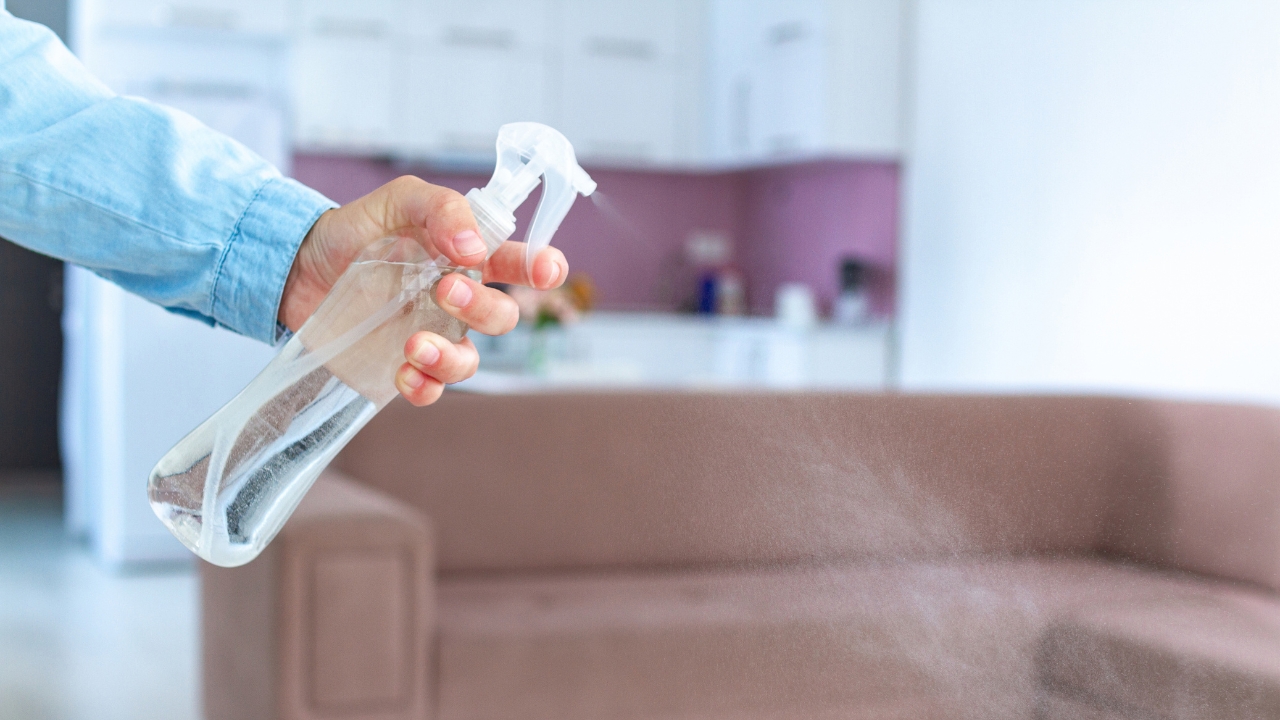
Those little plug-in noisemakers and strong-smelling oils sell because you want a clean fix. They’re not consistent, and you still have holes, food, and nesting spots.
There’s one honest exception. Peppermint oil on cotton balls can help in a small, short-term spot like a drawer you’re cleaning out, mostly as a reminder to keep the area cleared and monitored. It won’t hold a garage or crawlspace, and it won’t stop a hungry mouse in November.
11. Watching Deliveries And Stored Boxes

Cardboard is free nesting material, and it hides droppings and gnaw marks. Mice also come in as stowaways, especially with pallets, used furniture, and boxes stored in sheds or barns.
Break down boxes fast, and store seasonal stuff in sealed totes with a tight lid. Keep storage a few inches off the floor so you can see along the wall. If you bring in a used couch or appliance, give it a quick inspection outside before it sits overnight in your living room.
12. Closing The Big Holes First
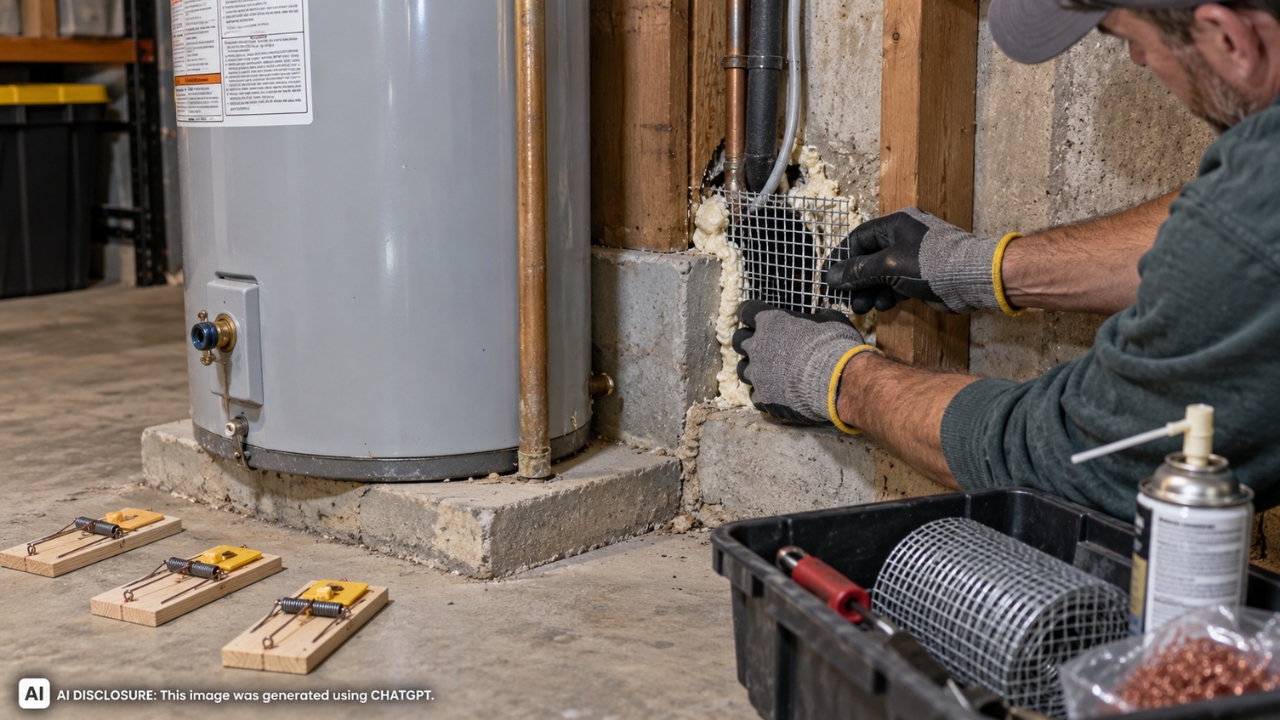
People love to start with a trap because it feels like action. If there’s a fist-sized opening behind the water heater or a missing cleanout cap, you’re trapping while new mice move in.
Do one pass to find and block the largest entries, then trap hard for two weeks. After activity drops, go back and seal the smaller gaps you missed. This order saves money and keeps you from playing whack-a-mouse all winter.
If you hear scratching after you’ve sealed and cleaned, don’t assume the job failed. Keep trapping, keep checking for fresh droppings, and take another slow walk around the outside on a cold evening when the house is warm and the gaps are easiest to feel.
Like Fix It Homestead’s content? Be sure to follow us.