What beef price volatility means for freezer stocking and meal planning this winter
Beef is becoming one of the most unpredictable line items in your winter grocery budget, and the stakes are higher than a single splurge steak. When prices jump from week to week, the way you stock your freezer and plan meals can either lock in savings or quietly drain your wallet. By treating your freezer like a financial tool and your meal plan like a strategy board, you can turn beef price volatility into an opportunity instead of a stressor.
That starts with understanding why beef is so expensive right now, then working backward to how much you buy, how you store it, and how you stretch every pound into multiple dinners. With a clear plan, you can head into the coldest months with a full freezer, a realistic budget, and fewer last minute dashes to the store.
Why beef prices are so jumpy heading into winter
You are not imagining the sticker shock in the meat aisle. The latest available CPI data shows the beef and veal category is up 14.7% while overall food is up 3.1%, a gap that hits hard when you are trying to plan a month of dinners. That kind of divergence means beef is not just getting more expensive, it is outpacing almost everything else in your cart, which makes it risky to rely on week to week sales. When a single category is moving that fast, you need to think in seasons, not single shopping trips.
Recent holiday reporting underscored the same pattern, with one analyst noting that Beef prices are up about 15% year over year as of November according to the Consumer Price Index data, a reminder that the pressure is not just a blip tied to one holiday. When you see double digit increases like that, the smart move is to stop assuming prices will drift back down in a few weeks and instead build a winter plan that assumes beef will stay elevated and choppy. That mindset shift is what makes freezer stocking and meal planning worth the effort.
How supply and demand keep prices elevated
Behind the numbers, the basic forces of supply and demand are working against you. Agricultural economists point out that, through tools like the State Meat Demand Monitor, they can see that demand for beef remains historically strong even as cattle inventories are currently at historically low levels. When people still want steaks and roasts at the same time herds are smaller, packers and retailers have little incentive to cut prices, and that imbalance filters directly into what you pay per pound. In practical terms, it means waiting for a big price correction is likely to be frustrating.
Industry voices are blunt about how long it could take for any real relief to reach your cart. One Close observer, R-CALF USA CEO CALF USA Bill Bullard, has warned that the traditional tight link between cattle prices and retail beef prices has been severed, and that significant rebuilding of the cattle herd will be needed in order for prices to decline. For your winter planning, that translates to a simple rule: assume high prices are the baseline, then use your freezer and your recipes to work around them.
Why a full freezer is a financial safety net
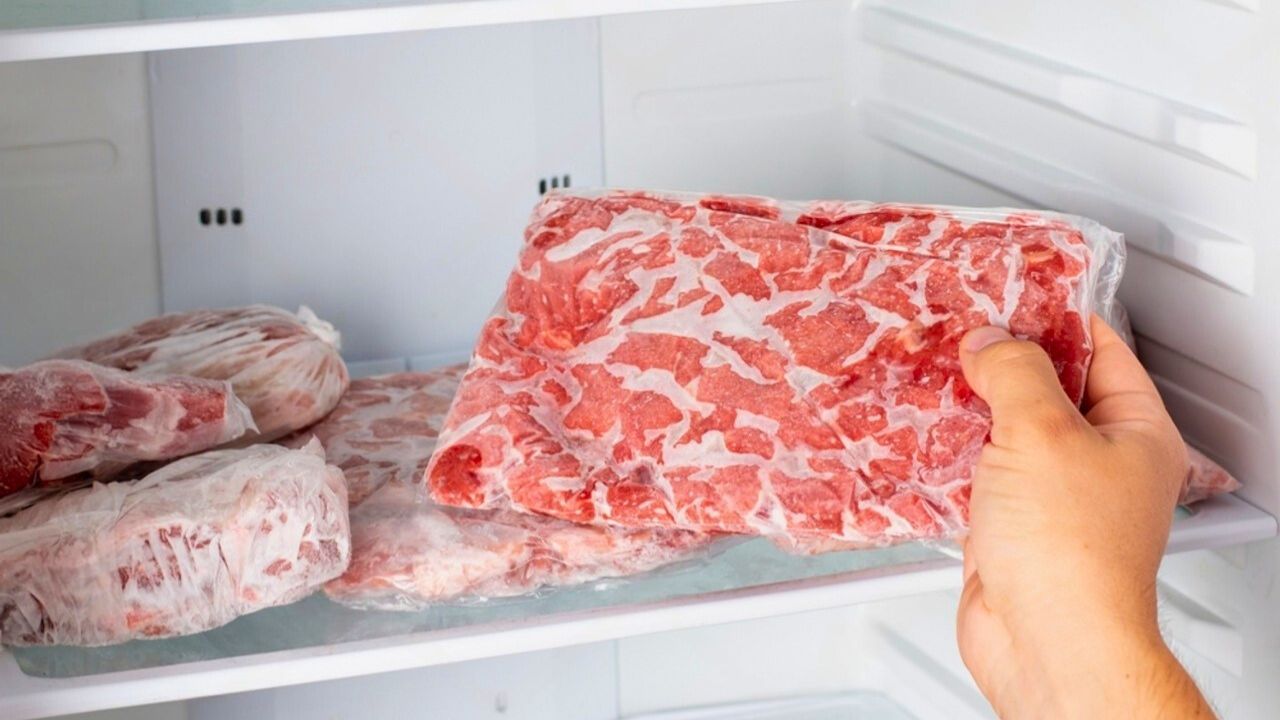
In a volatile market, your freezer becomes less of a convenience and more of a hedge. When you buy beef in larger quantities at a favorable price and store it properly, you are effectively pre paying for future meals at a known rate instead of gambling on what the shelf tag will say next month. Guides on stocking up for winter emphasize that a full freezer lets you capture savings when you find them and then draw down that inventory slowly, rather than being forced to buy whatever is available at whatever price when a storm or holiday rush hits, a point underscored in advice on How Much Freezer Space Do You Need Per Pound of Meat.
Before you start loading up, it helps to do a quick capacity check. Experts suggest calculating how many pounds of meat your appliance can realistically hold, then matching that to how your household actually eats over a month or a season, guidance that appears in resources that stress, Before you stock up, it is essential to understand your space. That simple math keeps you from overbuying in a panic and then losing money to freezer burn or power outages. A deliberately full, well organized freezer is a buffer against price spikes, not a frozen junk drawer.
Buying bulk beef without blowing your budget
Once you know how much space you have, the next decision is how to buy. Bulk beef, whether as a quarter, half, or curated box, can dramatically lower your per pound cost compared with picking up individual steaks and roasts at retail. One detailed guide on beating rising food prices notes that when you are working with a tight budget, beef is still one of the most reliable food staples you can buy if you purchase in bulk and plan ahead. The key is to think in terms of the blended price across all cuts, not just the glamour pieces.
Some suppliers make that easier by packaging a mix of steaks, roasts, and ground beef that is ready for long term storage. With Simpson Meats, for example, the pitch is that you receive hand cut portions designed to eliminate last minute trips to the store and to keep you stocked up for the long haul. For your winter budget, that kind of predictable, all in price can be easier to manage than chasing weekly specials, especially when you pair it with a clear plan for how each cut will be used over several months.
Freezer tactics that protect your investment
Buying beef in bulk only pays off if you keep it in top condition. That starts with packaging. Home cooks who stock up on frozen meat are urged to Invest in sturdy freezer bags or vacuum sealers to protect against air exposure, which causes freezer burn and off flavors. The same advice stresses labeling each package with the cut, weight, and date, so you can rotate older items forward and avoid the dreaded mystery meat at the bottom of the chest freezer.
Organization is just as important as packaging. Butcher and homesteading guides recommend simple systems like dedicating one bin for ground beef, another for roasts, and another for steaks or stew meat, a strategy echoed in lists of Why Buy Meat and other freezer hacks that focus on reducing waste. When you can see at a glance what you have, you are far more likely to build your weekly meals around what is already paid for and frozen, instead of defaulting to a fresh purchase at current prices.
Stretching beef across multiple winter meals
In a high price environment, the way you cook beef matters as much as the price you pay for it. Rather than centering every dinner on a large steak, you can treat beef as a flavor base that anchors soups, stews, casseroles, and grain bowls. One practical set of tips on rising food costs suggests that, while you might not buy steak as often as before, you can still Cook a Steakhouse Dinner At Home occasionally by choosing a well marbled strip or ribeye and pairing it with simple sides, while relying on more economical cuts for everyday meals.
Bulk buyers are also encouraged to Choose Dishes That Stretch, like chili, lasagna, shepherd’s pie, and stir fries that combine smaller amounts of meat with beans, vegetables, and grains. When you plan your winter menu around those kinds of recipes, a three pound package of ground beef can become three or four dinners instead of one. That approach turns your freezer from a stash of single use cuts into a reservoir of building blocks for multiple nights, which is exactly how you outmaneuver volatile prices.
Meal planning that bends, not breaks, with price swings
Even with a full freezer, you still need a flexible plan for how and when you use what you have. Rigid calendars that assign a specific beef dish to a specific night can fall apart the moment your week changes or you spot an unexpected deal on another protein. One widely shared framework for stress free cooking emphasizes that you should Stay adaptable, because Flexibility is a huge part of any meal planning strategy that actually works.
In practice, that might mean sketching out themes instead of fixed recipes, like “soup night,” “taco night,” or “roast and vegetables,” then choosing the exact cut from your freezer based on what needs to be used first. When prices spike unexpectedly, you can lean harder on the beef you already own and shift your fresh purchases toward cheaper items like potatoes, carrots, and frozen vegetables. When you stumble on a rare sale, you can reverse the flow, using your plan to decide whether it is worth adding more beef to your winter stash.
Balancing beef with the rest of your food system
Price volatility is not just a household budgeting problem, it is a symptom of a wider food system under strain. Analysts who look at the big picture argue that the rising cost of beef highlights vulnerabilities in the current supply chain, from concentrated processing to international trade pressures, and that strengthening regional networks could help stabilize access and prices over time. One detailed Conclusion on this topic argues that investing in local and regional producers can help ensure access to quality beef for generations to come.
For you as a shopper, that perspective can shape where you buy your winter beef, not just how much. Joining a regional meat cooperative, buying a quarter from a nearby rancher, or supporting a local butcher who sources from smaller farms can sometimes offer more predictable pricing and transparency than relying solely on national chains. It also means your freezer strategy is not just about personal savings, it is part of a broader shift toward a more resilient food system that is less likely to leave you facing empty shelves or sudden price spikes when the next disruption hits.
Putting it all together for a calmer winter
When you zoom out, the path through this winter’s beef volatility is straightforward, even if the numbers are not. You start by accepting that prices are elevated, with beef and veal up 14.7% compared with 3.1% for overall food and year over year increases around 15%, then you respond by buying smarter, not just buying less. That means using bulk purchases to lock in better per pound costs, treating your freezer as a carefully managed inventory, and choosing recipes that stretch every cut into multiple satisfying meals.
Layered on top of that, you build a flexible meal planning routine that can absorb surprises, whether they come from your schedule or the store shelf. You protect your investment with good packaging and organization, lean on dishes that make beef go further, and consider how your buying choices support a more stable regional food network. Taken together, those moves will not make beef cheap again overnight, but they will give you control over how much price volatility reaches your table, and that is the kind of quiet, practical win that matters most in the middle of winter.
Like Fix It Homestead’s content? Be sure to follow us.
Here’s more from us:
- I made Joanna Gaines’s Friendsgiving casserole and here is what I would keep
- Pump Shotguns That Jam the Moment You Actually Need Them
- The First 5 Things Guests Notice About Your Living Room at Christmas
- What Caliber Works Best for Groundhogs, Armadillos, and Other Digging Pests?
- Rifles worth keeping by the back door on any rural property
*This article was developed with AI-powered tools and has been carefully reviewed by our editors.