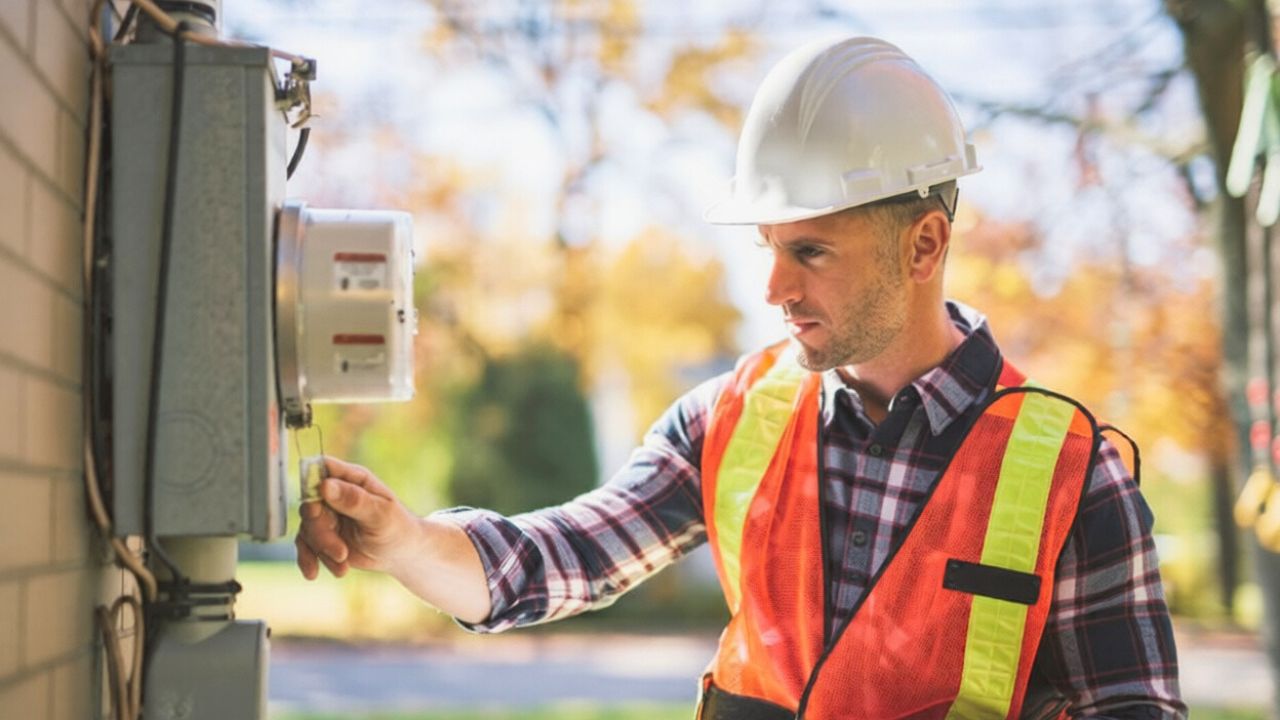
What inspectors look for first in aging electrical systems
Aging electrical systems rarely fail all at once. They telegraph trouble in small, specific ways that trained eyes pick up long before a breaker trips or a wall feels warm. When an inspector walks into an older home, the first things they check are not cosmetic details but the components most likely to spark a fire, shock someone, or quietly fall short of modern safety expectations.
If you understand what those early checkpoints are, you can spot warning signs yourself, budget for upgrades, and avoid surprises during a sale or insurance review. The priorities inspectors bring to an older system are a practical roadmap for how you should think about your own wiring, panel, and protection devices.
The big picture: why aging systems get extra scrutiny
Inspectors approach an older electrical system with one core question in mind: does it still protect people and property the way it was meant to, given today’s loads and standards. That is why a formal Electrical review looks at the essential elements of the home’s wiring, from service entrance to outlets, and not just whether the lights turn on. In an aging house, the risk is not only outright failure but also slow degradation, where insulation dries out, connections loosen, and protective devices no longer match what the circuits are being asked to do.
That is why guidance on Why Regular Electrical stresses that maintaining a safe and efficient electrical system is essential for every property, and that older installations may need more frequent checks. When you add decades of renovations, DIY fixes, and heavier modern appliances, the original design assumptions often no longer hold. Inspectors know that, so they start by looking for systemic red flags that suggest the whole setup is overdue for a deeper overhaul.
First stop: the main panel’s age and condition
In most older homes, the main service panel is the first place an inspector goes, because it is the control center for everything downstream. Professional checklists emphasize the panel’s Overall Condition and, looking for rust, scorch marks, missing knockouts, or signs of water intrusion that indicate problems that need addressing. If the enclosure itself is corroded or the dead front is damaged, that tells an inspector the system has been neglected and may hide deeper issues.
To understand just how old a panel really is, many professionals start by trying to Find the Manufacturer and Label First, then cross reference model numbers and data stickers. A quick visual check of the panel’s style and labeling can also hint at its era, and if the equipment is far past its expected service life, inspectors will flag it as a safety concern even if it is still technically functioning. In older properties, that age assessment often drives recommendations for replacement rather than piecemeal repair.
How inspectors read the panel layout and wiring
Once the cover is off, the next priority is how the panel is wired and organized. Inspectors look for overcrowded gutters, double tapped breakers, and neutrals and grounds that are not terminated correctly. Detailed guidance on Electrical Panels and notes that Correct Wiring and are a central focus, because loose or improperly sized conductors can overheat and create a potential fire hazard.
Professionals also pay attention to labeling and breaker sizing. Poorly marked circuits make troubleshooting harder and are one of the Poor practices that often lead to inspection failure, along with Outdated wiring and overloaded circuits. If a 15 amp breaker is feeding a circuit wired with conductors intended for a different rating, or if tandem breakers are crammed into spaces not designed for them, an inspector will see that as a sign the system has been stretched beyond what the original panel was meant to handle.
Grounding, bonding, and basic safety protections
After the panel’s physical condition and layout, inspectors turn to grounding and bonding, because these are the quiet safeguards that keep faults from turning into shocks. Professional descriptions of what Inspectors do during a home electrical inspection explain that they focus first on the electrical panel, checking for secure connections, correct breaker sizes, clear labeling, and proper grounding. In older homes, it is common to find missing bonding jumpers, undersized grounding electrodes, or neutral and ground conductors that are incorrectly tied together in subpanels.
Broader Electrical Home Inspection guidance notes that inspectors evaluate circuit breakers and the electrical panel to ensure they protect occupants and reflect the condition of the system. That includes looking for missing or outdated ground fault and arc fault protection in locations where modern codes expect them, such as bathrooms, kitchens, and bedrooms. In an aging system, the absence of these devices is not always a violation if the home predates the requirement, but it is still a safety gap that inspectors will highlight so you can decide whether to upgrade.
Wiring types, outlets, and the fire risk in older homes
Beyond the panel, the wiring itself tells a story about the home’s age and risk profile. Inspectors know that older homes are more likely to have brittle insulation, splices hidden in walls, or legacy configurations that were acceptable decades ago but are now known hazards. Guidance focused on Prevent Electrical Fires stresses that One of the most significant risks in older homes is faulty wiring, which can lead to electrical fires if outlets and circuits are not inspected for proper function and safety.
That risk is echoed in advice about Electrical Hazards Older homes may hide. Reports warn that Faulty wiring can lead to fires and ungrounded outlets can increase shock risk, especially when you plug in modern electronics that expect a reliable ground. Inspectors will often sample outlets in each room, looking for reversed polarity, missing grounds, or signs of overheating such as discoloration or brittle faceplates, because those small clues often point to more serious problems inside the walls.
Older panels, breakers, and the limits of legacy gear
Some of the most consequential calls inspectors make involve legacy breaker panels that have long outlived their design assumptions. Technical commentary on Older Homes notes that older breaker panels also are more likely to have worn internal parts, and that replacing them can help homeowners feel a little more at ease. When an inspector sees a panel from a manufacturer with a history of performance issues, or equipment that predates modern interrupting ratings, they know that even a system that has not yet failed may not respond correctly in a fault.
That concern is not abstract. Broader safety discussions about Electrical safety inspections point out that Outdated electrical systems can be a safety hazard, increasing the risk of electrical fires, shocks, and electrocution. Inspectors therefore look closely at breaker brands, bus bar condition, and whether the panel has been modified with non listed parts. If the equipment is obsolete or no longer supported, they will typically recommend replacement rather than trying to nurse another decade out of it.
Everyday symptoms inspectors treat as red flags
By the time you call an inspector, your home may already be sending up flares that something is wrong. Recurring tripped breakers, flickering lights, or warm switch plates are all clues that professionals treat as starting points for a deeper investigation. In guidance on What an Electrical Inspection Includes, inspectors are described examining various components, including surge protection, to protect against electrical surges that can damage equipment and hint at underlying issues.
Homeowners often share similar concerns in forums, asking what to prioritize in an older property. One widely circulated Dec discussion about a 55 year old home, for example, highlights how buyers want inspectors to look closely at electrical systems alongside items like roofs and windows. Professionals reading those symptoms will trace them back to overloaded circuits, loose terminations, or deteriorated conductors, because those are the underlying conditions that cause nuisance problems to escalate into safety hazards.
How formal checklists shape what gets checked first
Behind every quick visual scan, most inspectors are working from a structured checklist that keeps them from missing critical items. A typical residential checklist emphasizes component condition assessment, verifying that panels, breakers, and visible wiring are in good shape or recommending replacement for modern safety standards. That framework is especially important in older homes, where it is easy to get distracted by obvious defects and overlook subtler but equally serious issues.
When a home is being sold, a separate Electrical Panel Inspection Smooth Transaction guide underscores how visual assessments of the panel, including making sure it is not blocked by storage or walls, can prevent last minute surprises. Inspectors know that lenders, insurers, and buyers all rely on their reports, so they prioritize the elements most likely to derail a deal, such as unsafe panels, missing covers, or obvious code violations that will need correction before closing.
When inspections are triggered and what you should expect
Many homeowners only think about an electrical inspection when a transaction or renovation forces the issue. Professional guidance on One of the most common reasons to schedule an inspection notes that buying a home is a key trigger, because hidden defects can lead to long term problems if they are not caught early. During that process, an Electrical inspection for home buyers typically includes a focused look at the panel, visible wiring, and representative outlets and fixtures.
More general descriptions of Electrical home inspections explain that a home inspector will look at the essential elements of the system, including wiring, service equipment, and whether everything appears to be wired correctly. That means you should expect them to remove the panel cover if it is safe to do so, test a sample of outlets and switches, and note any visible deficiencies. In older homes, they may also recommend a follow up by a licensed electrician if they see signs of deeper issues that go beyond the scope of a standard home inspection.
Why proactive maintenance matters more as systems age
By the time an electrical system is several decades old, waiting for something to fail is a risky strategy. Expert commentary on As the years go by without professional maintenance points out that archaic wiring configurations pose increasingly concerning safety risks in older homes. That is why many professionals recommend periodic inspections even when you are not planning a sale or major renovation, especially if you have added high demand equipment like electric vehicle chargers or large HVAC systems.
Broader discussions of Common Electrical Issues in older properties highlight recurring blown fuses or circuit breaker trips, as well as concerns about systems that now support Security, Air Conditioning & Heating loads that did not exist when the home was built. When inspectors see that kind of mismatch between original design and current usage, they know the system is under stress. At that point, the first things they look at are the same ones you should be monitoring yourself: panel age and condition, wiring integrity, grounding, and the everyday symptoms that hint at trouble behind the walls.
What to do if an inspection finds trouble
When an inspection of an aging system turns up problems, the next step is to prioritize repairs so you address the most serious hazards first. Professional advice on wiring repair stresses that a professional will be able to pinpoint the source of overheating, assess the extent of the damage, and replace the faulty wiring to prevent harm or further damage to your property. That same logic applies to panel replacements, grounding upgrades, and the addition of modern protection devices like GFCIs and AFCIs.
Stepping back, the larger case for regular checks is reinforced by guidance on Maintaining a safe and efficient electrical system through periodic inspections tailored to the specific needs of your property. If an inspector flags issues in your aging system, treating those findings as a roadmap rather than a verdict lets you phase upgrades intelligently. Start with the first things they looked at, because those are the components most likely to protect you from the worst outcomes if something does go wrong.
Like Fix It Homestead’s content? Be sure to follow us.
Here’s more from us:
- I made Joanna Gaines’s Friendsgiving casserole and here is what I would keep
- Pump Shotguns That Jam the Moment You Actually Need Them
- The First 5 Things Guests Notice About Your Living Room at Christmas
- What Caliber Works Best for Groundhogs, Armadillos, and Other Digging Pests?
- Rifles worth keeping by the back door on any rural property
*This article was developed with AI-powered tools and has been carefully reviewed by our editors.