What insurers check first after water or electrical damage
When a pipe bursts behind a wall or an electrical short scorches a breaker panel, the chaos in front of you is only half the story. Behind the scenes, your insurer is already lining up a checklist of what to verify first, from the source of the damage to whether you acted quickly enough to limit the fallout. Understanding that checklist gives you leverage, because you can prepare evidence and decisions that match how adjusters are trained to think.
Instead of treating the claim as a black box, you can anticipate what the insurer will scrutinize in the first hours and days, and structure your response around those priorities. That means documenting the scene, stabilizing your home without overstepping into full repairs, and organizing your policy details so you can answer tough questions about water, fire, or electrical damage with confidence.
1. How fast you reported the problem
The first thing insurers look at is how quickly you raised your hand. In property coverage, time is not just money, it is evidence. If you wait days to call, the carrier can argue that additional damage, like swelling floors or spreading soot, happened because you delayed. Many policies require you to give prompt notice, and adjusters will compare your account of when you discovered the leak or electrical issue with timestamps on photos, contractor visits, and even utility records.
Guides for policyholders consistently stress that you should notify your insurer as soon as possible after water damage, because the company will log that first contact as the start of the claim timeline. Some experts recommend that you Contact your insurance of discovering a problem to avoid arguments over late reporting, and consumer advice on water damage coverage notes that you should report issues “as soon as possible” if you want to stay within the policy’s expectations of prompt notice.
2. Whether you stopped the immediate danger
Once the claim is open, adjusters quickly check if you took reasonable steps to stop things from getting worse. Insurers expect you to shut off the main water valve when a supply line fails, flip the breaker when an outlet sparks, or call the fire department if smoke appears. They are not asking you to be a contractor, but they will look for basic mitigation, because most policies require you to protect the property from further damage after a loss.
Restoration specialists explain that when you file a claim for fire or water damage, the insurer will review whether you took early steps to prevent, such as shutting off the water or using fans to start drying. Public adjuster checklists describe water damage as creating “two problems at once,” the physical mess and the paperwork, and they emphasize that you are expected to act on both fronts by stabilizing the scene while you prepare your claim checklist.
3. The exact source of the water or electrical failure
Insurers do not treat all water or electrical incidents the same, so one of the first questions an adjuster will ask is where the problem started. A sudden burst in a pressurized line, a storm-driven roof leak, and a slow drip from a corroded fitting can lead to very different coverage decisions. The same is true for electrical issues: a lightning surge that fries a panel is not evaluated the same way as an overloaded circuit that has been tripping for months.
Consumer advocates point out that the most common reason a carrier denies a water claim is that it classifies the issue as a long-term leak rather than a sudden event, which is why one guide bluntly warns that the biggest enemy in a dispute is “Insurance Company” but the policy language around gradual damage. Another advisory explains that many policies do not cover the appliance that caused the problem in the first place, noting that “NOTE, In the event of water damage, most insurance policies do not cover the appliance that caused the problem,” even if they cover the resulting damage around it.
4. What your policy actually covers for this type of loss
Before an adjuster approves any payment, the insurer will map your situation against the policy’s covered causes of loss. For water, that usually means checking whether the damage came from a sudden and accidental event, like a broken pipe, or from excluded sources such as groundwater or long-term seepage. For electrical damage, they will look at whether the policy includes coverage for power surges, arcing, or damage to electronics, and whether any special deductibles or sublimits apply.
Guidance on water damage coverage explains that homeowners often misunderstand what is included, so experts walk through how the claim and stress that you should know which types of water events your policy lists as covered. Another detailed breakdown of plumbing losses spells out What Plumbing Damages, and notes that when you meet with an insurance adjuster, they will be working from that same list of inclusions and exclusions as they inspect your home.
5. How well you documented the scene
From the insurer’s perspective, photos, videos, and itemized lists are the backbone of a defensible claim. Adjusters will look at your documentation to confirm the timing, the extent of the damage, and the condition of your belongings before you start tearing out drywall or throwing away charred electronics. If you cannot show what was damaged and how badly, the carrier has more room to dispute your estimates or argue that some items were already worn out.
Restoration and mold specialists urge homeowners to Document Immediately As soon as the source of water is contained, and to Take high resolution photos and videos of every affected area before starting cleanup. Public adjuster organizations, such as the association represented at NAPIA, train their members to build detailed inventories and photo logs for clients, because they know insurers will scrutinize every line item against the visual record when they calculate the settlement.
6. The inspection: where adjusters look first
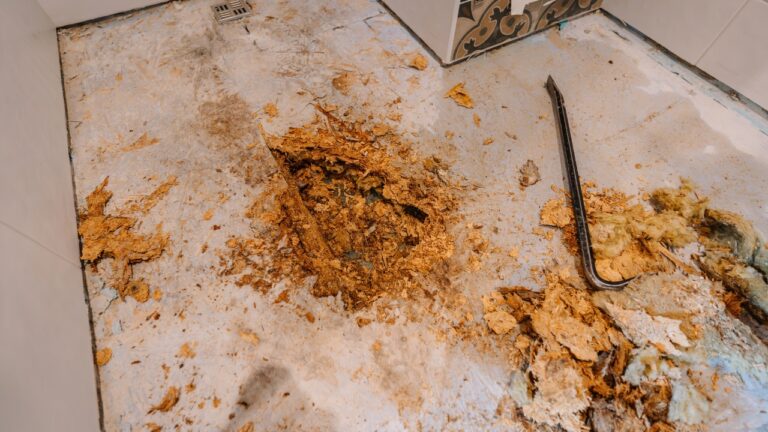
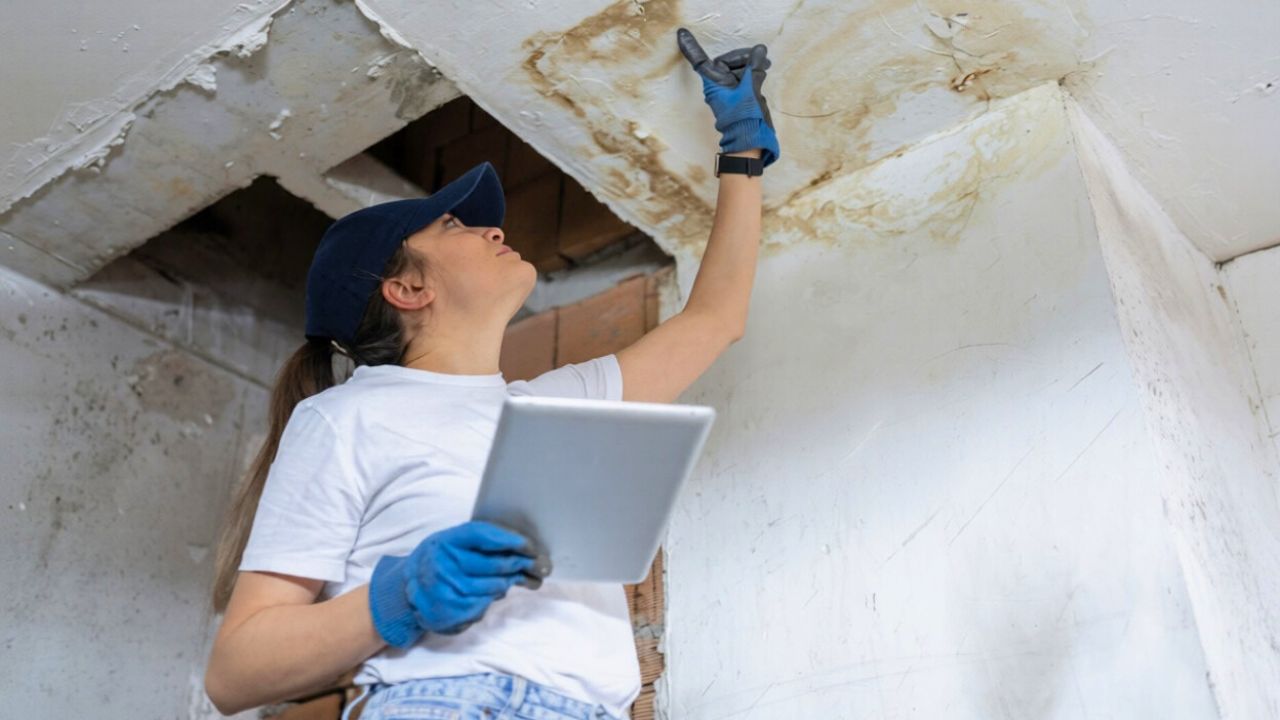
When the adjuster arrives, the first walk through your property is not random. They will usually start at the source of the incident, such as the failed pipe, the burned outlet, or the roof penetration, and then follow the path of water or smoke through the structure. They are looking for visible staining, warped materials, and signs that moisture or heat traveled farther than you might realize, because that affects both the scope of repairs and the risk of future problems like mold or recurring shorts.
Guides to the Typical Claim Timeline explain that after your Initial Report, the insurer will send an adjuster who may use industry standard tools, such as moisture meters and thermal cameras, to check behind walls and under flooring. Another advisory on working with adjusters warns that Unseen water damage is also a concern, and reminds homeowners that no house is 100% watertight, so the adjuster will be thinking about hidden moisture that could lead to future issues such as mold.
7. Signs of neglect, wear, or excluded causes
Even if the damage looks dramatic, insurers will quietly check for clues that it grew out of long term neglect rather than a sudden accident. That might include rusted fittings, years of mineral buildup on a valve, or scorch marks that suggest repeated overheating at an outlet. If they can frame the loss as the end result of poor maintenance, they have a stronger argument that the policy does not apply, because most contracts exclude wear and tear, corrosion, and gradual deterioration.
Water damage claim guides note that carriers often deny losses when they decide the problem came from slow leaks or seepage instead of a one time event, and they warn that the most common reason for denial is how the insurer classifies the source, not the size of the puddle. Advice on storm claims explains that when you ask what your policy covers in a storm, the answer depends on whether the damage fits the definition of a covered peril, since What Homeowners insurance covers in a storm is limited to specific causes like wind or hail, not every possible way water or electricity can cause harm.
8. Your cooperation and communication during the claim
From the first phone call, insurers are also evaluating how responsive and organized you are. If you return calls promptly, provide requested documents, and keep your story consistent, the process tends to move faster. If you miss appointments, ignore emails, or give conflicting explanations of what happened, the carrier may slow the claim, ask for more documentation, or even launch a more formal investigation.
Consumer checklists for water damage emphasize that you should stay in regular contact with your adjuster, respond quickly to requests for estimates, and keep copies of every email and letter. Some guides recommend working with licensed public adjusters, such as those represented by national associations, if you feel overwhelmed or if the insurer is not engaging in good faith, because these professionals understand the carrier’s internal processes and can help you present information in a way that meets the company’s expectations.
9. How your actions affect the final payout
Every early decision you make, from shutting off the water to choosing a contractor, feeds into the insurer’s final calculation of what to pay. If you mitigated damage quickly, documented thoroughly, and stayed within the policy’s rules, you are in a stronger position to argue for full replacement of damaged materials and fair labor costs. If you tossed items without photos, delayed reporting, or authorized non emergency demolition before the adjuster arrived, the carrier may trim the estimate or refuse to reimburse certain charges.
Public adjuster resources describe water damage as especially stressful because it combines immediate cleanup with complex paperwork, and they encourage homeowners in places like Naples, FL, to follow a structured Water damage checklist so they do not miss steps that could cost them money later. Other consumer advocates remind you that the insurer is not your contractor, so while they may suggest vendors, you retain the right to choose your own professionals and to push back, using detailed estimates and photos, if the company’s first offer does not reflect the real scope of the loss.
Like Fix It Homestead’s content? Be sure to follow us.
Here’s more from us:
- I made Joanna Gaines’s Friendsgiving casserole and here is what I would keep
- Pump Shotguns That Jam the Moment You Actually Need Them
- The First 5 Things Guests Notice About Your Living Room at Christmas
- What Caliber Works Best for Groundhogs, Armadillos, and Other Digging Pests?
- Rifles worth keeping by the back door on any rural property
*This article was developed with AI-powered tools and has been carefully reviewed by our editors.