What makes older homes harder to insure
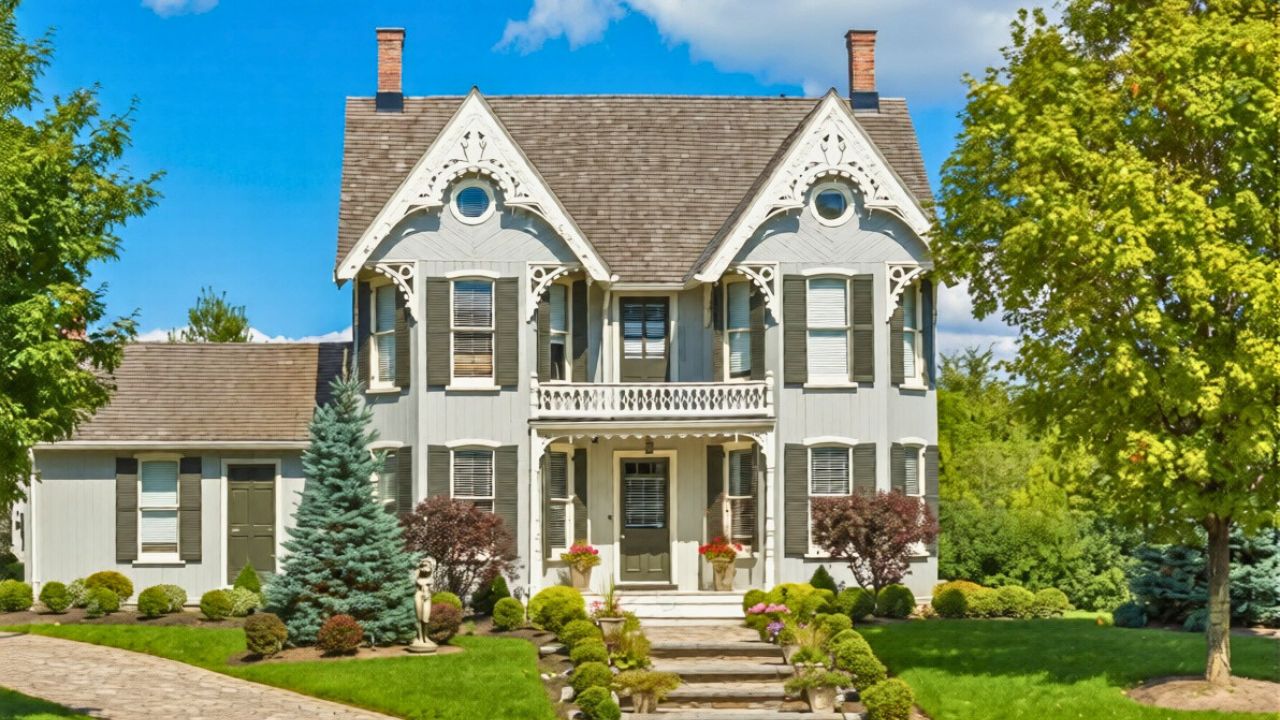
Older homes carry character, craftsmanship, and history, but insurers tend to see something else first: risk. When you shop for coverage on a house that has been standing for decades, you are asking a company to price the cost of future repairs on a structure built to yesterday’s standards with aging systems and materials. That tension, between charm and risk, is what makes coverage for older properties more complicated, more expensive, and sometimes harder to secure at all.
If you understand how insurers evaluate age, condition, and construction, you can anticipate their concerns and address them before they show up as a denial or a steep premium. The same features that make an older home feel solid and distinctive can work in your favor if you maintain them well, document upgrades, and choose the right type of policy.
How insurers see age, condition, and risk
From an underwriter’s perspective, your home’s age is a shorthand for how likely something is to go wrong and how costly it will be to fix. A house that is 80 or 100 years old has lived through more storms, more freeze–thaw cycles, and more owners making changes of varying quality than a newer build. When you apply for coverage, the company looks at the property’s age alongside its current condition, because a well maintained older home can still present less risk than a neglected house that is only a couple of decades old. That is why you are often asked detailed questions about the roof, plumbing, wiring, and any recent renovations before a quote is finalized.
Insurers also factor in how your home’s age and condition interact with your location and replacement cost. In Indiana, for example, older neighborhoods mix early twentieth century houses with newer construction, and the same storm can produce very different claims depending on how those structures were built and maintained. Companies explicitly link the age and condition of the structure to the way your premiums are calculated, because they know that worn materials, outdated systems, and prior damage increase the odds of a loss and the size of the check they may have to write.
Why older homes are often harder to insure at all
When you move from pricing to basic eligibility, age becomes an even sharper dividing line. Many carriers simply do not want to write new policies on homes beyond a certain age unless they see proof of substantial updates. Others will insure the property but limit coverage, for example by excluding certain types of water damage or capping payouts on roofs that are past a set number of years. The logic is straightforward: if a home is old and has not been modernized, the insurer expects more frequent claims and more complex repairs, which can quickly erase the profit from your premium.
Industry guidance often boils the problem down to two main issues, both of which are magnified in older properties. First, the likelihood of a loss is higher because aging roofs, pipes, and electrical systems are more prone to fail. Second, the cost to repair or rebuild is higher when the work involves custom carpentry, plaster, or other traditional methods instead of off the shelf materials. That is why specialists emphasize that there are “two big reasons why it is harder to get insurance for an old house,” tying both the probability and the severity of claims to the structure’s age and construction, and why they frame getting home insurance an older property as a distinct challenge.
Structural and material red flags in aging houses
Beyond the calendar age of the building, insurers drill into how it was put together. Foundations that have settled, cracked, or shifted can signal expensive structural work ahead, and older framing may not meet current load requirements. In regions like the Midlands of South Carolina, carriers pay close attention to how older homes were built to handle humidity, soil conditions, and severe weather, because those factors influence everything from termite risk to flood vulnerability. If an inspection reveals sagging floors, bowing walls, or evidence of prior structural repairs, you can expect more questions and potentially higher premiums.
Materials are another sticking point. Many older homes rely on plaster walls, original wood siding, and trim profiles that are no longer standard, which makes repairs slower and more expensive. Some properties still contain outdated or hazardous materials, such as certain types of insulation or older roofing products, that insurers view as higher risk. In the Midlands, detailed breakdowns of structural and material show how foundations, framing, and exterior cladding all carry specific insurance implications, and why providing thorough documentation and inspection reports can reduce underwriting uncertainty.
Outdated systems: wiring, plumbing, and heating
Even if the bones of your house are solid, the systems running through those walls can make or break your insurability. Old knob and tube wiring, overloaded fuse boxes, and ungrounded outlets increase the risk of electrical fires, which are among the most expensive and dangerous claims an insurer can face. Galvanized steel or cast iron plumbing can corrode from the inside, leading to leaks behind walls and sudden pipe failures that cause extensive water damage. Heating systems that rely on older boilers, oil tanks, or unlined chimneys raise similar concerns about fire and carbon monoxide.
Insurers treat these aging systems as high priority risk factors because they fail more often and can cause catastrophic losses when they do. Guidance aimed at property owners highlights that underwriters view outdated systems as higher risk due to the increased likelihood of system failure and the potential for large claims, especially when those systems are part of aging infrastructure in multifamily buildings. When you see advice explaining why system age, the same logic applies to your single family home: updating electrical, plumbing, and heating is one of the most effective ways to make an older property more acceptable to insurers.
Code changes, replacement cost, and coverage gaps
Building codes are not static, and that creates a hidden complication for older homes. When your house was built, it may have met or even exceeded the standards of the day, but modern codes often require different structural reinforcements, safety features, and energy performance. If a storm, fire, or other covered event damages part of the structure, the repair work may have to bring that area up to current code, which can significantly increase the cost. Insurers know that a partial loss in an older home can trigger a cascade of required upgrades, so they factor that into how they price and structure your policy.
This is where the distinction between actual cash value and replacement cost coverage becomes critical. Some carriers will only agree to insure older homes on an actual cash value basis, which means depreciation is deducted from any payout and you may not receive enough to fully rebuild with today’s materials and standards. Others may offer replacement cost but at a higher premium, or they may limit how much they will pay for certain components like roofs. Industry explanations of how older homes insurance premiums emphasize that your home’s condition, age, and location all influence the amount of coverage you need, and that an older property often requires more robust limits than a 5 year old home to avoid costly gaps.
Historic homes and the need for specialized coverage
If your property is not just old but formally historic, the insurance equation changes again. Preservation rules, custom craftsmanship, and unique architectural details all drive up the cost of any repair, and insurers recognize that a standard homeowners policy may not be adequate. Historic homes often feature slate or tile roofs, original windows, and intricate millwork that require specialized trades to restore after a loss. Those elements are part of the property’s value, but they also represent a larger potential claim.
Specialized guidance for historic properties stresses that insurers will look closely at the condition of key components such as the roof, wiring, heating, and plumbing before agreeing to provide coverage. A well maintained roof is especially important, because it is your first line of defense against weather related damage and a major driver of claim frequency. Owners who can show that they have proactively upgraded critical systems and addressed known vulnerabilities are more likely to be viewed favorably by an insurance company. That is why experts on historic properties urge you to document what steps you have taken to protect features like the roof, wiring, heating, so underwriters can see that you are managing the risks that come with preserving an older structure.
Common reasons carriers label a home “difficult to insure”
Even if your home is not officially historic, certain features can push it into the “difficult to insure” category. Carriers routinely flag properties with aging roofs, deteriorated exteriors, or evidence of prior unrepaired damage as higher risk. They also scrutinize building materials, because some older products are more flammable, more brittle, or more vulnerable to severe weather than modern alternatives. If your house still has original wood shake roofing, single pane windows, or outdated siding, you may find that fewer insurers are willing to offer comprehensive coverage without conditions.
Industry checklists of hard to place homes highlight that the age of the property itself is a key factor, but it is often the combination of age with specific unsafe features that triggers concern. Companies explain that they evaluate building materials, roof condition, and other visible elements when deciding whether a house is difficult to insure, and they encourage owners to address obvious hazards to avoid increasing their insurance rate. In some cases, if a property has multiple red flags, a standard carrier may decline it altogether, leaving you to seek coverage in a surplus lines or specialty market that charges more and offers fewer protections.
Regional realities: from Amityville to the Midlands
Where your older home sits on the map also shapes how insurers respond to it. In coastal communities like Amityville, New York, older houses face not only the typical wear and tear of age but also heightened exposure to wind, salt air, and potential flooding. Local agents point out that Amityville and its surroundings are home to many older houses built with construction techniques that predate modern hurricane standards, and that these outdated methods can make coverage more complicated. Underwriters weigh the age of the structure alongside regional hazards, so an older home in a storm prone area may face stricter requirements than a similar house inland.
In the Midlands of South Carolina, the mix of older homes and regional climate risks creates a different but equally challenging profile. Detailed analyses of why older homes in that region are harder to insure emphasize how foundations, framing, and exterior materials interact with local soil and weather patterns, and how those factors influence both the likelihood and cost of claims. Broader discussions of why some homes to insure underscore that property age, location, and prior loss history all feed into underwriting decisions, and that in some high risk areas you may face higher deductibles, partial coverage, or requirements to share more of the cost of any claim.
What you can do to make an older home more insurable
While you cannot change the year your house was built, you have significant control over how insurers perceive its risk. The most effective step is to modernize critical systems: replacing old wiring, updating plumbing, and installing a safer heating system can transform an underwriter’s view of your property. Addressing roof issues, repairing structural defects, and removing hazardous materials all signal that you are actively managing the risks that come with age. When you complete this work, keep detailed records, including permits, contractor invoices, and photos, so you can show insurers exactly what has been improved.
Like Fix It Homestead’s content? Be sure to follow us.
Here’s more from us:
- I made Joanna Gaines’s Friendsgiving casserole and here is what I would keep
- Pump Shotguns That Jam the Moment You Actually Need Them
- The First 5 Things Guests Notice About Your Living Room at Christmas
- What Caliber Works Best for Groundhogs, Armadillos, and Other Digging Pests?
- Rifles worth keeping by the back door on any rural property
*This article was developed with AI-powered tools and has been carefully reviewed by our editors.