What the latest winter heating forecast means for your monthly budget
Winter heating is no longer a background expense you can set and forget. Forecasts for the 2025–2026 season point to higher fuel prices, colder stretches in key regions, and utility rate pressures that will all filter directly into what you pay each month. If you understand where those increases are coming from and how they vary by state, fuel type, and even neighborhood, you can adjust your budget now instead of being surprised when the first big bill lands.
At the national level, energy advocates are warning that the typical household will spend more to stay warm than last year, with some regions facing double digit jumps. Those broad trends sit on top of very local realities, from the type of system in your basement to the age of your wiring and insulation, so the impact on your own monthly budget will depend on how all of those pieces fit together.
What the national forecasts say about your bill
The clearest signal that your winter costs are heading higher comes from The National Energy Assistance Directors Association, which is tracking what families will pay for heat across the country. In its latest outlook, The National Energy Assistance Directors Association, or NEADA, reports that U.S. households are on track to spend more on winter heating than they did last season, reflecting both higher energy prices and weather that is expected to demand more furnace time. That means you should plan for a larger share of your monthly budget to go toward gas, oil, electricity, or propane, even if your usage habits do not change.
Separate analysis of Winter Heating Costs by State for 2025–2026 underscores how uneven those increases will be, with some states seeing overall jumps of 14.8 percent while others experience more modest changes. When you combine that with NEADA’s warning that the typical winter heating bill is rising, the takeaway for your budget is straightforward: you should expect your baseline monthly payment to be higher, and the cushion you built in last year may no longer be enough.
Why prices are rising even before you touch the thermostat
Even if you keep your thermostat at the same setting as last winter, the price you pay for each unit of energy is climbing. On the electric side, utilities are investing heavily in rebuilding and modernizing the grid, and those capital costs are being passed through to customers. One expert, identified as Wolfe, notes that Electric utilities are rebuilding the grid at the same time that large Data centers are demanding more power, which is driving up costs even more. Those structural pressures mean that a kilowatt-hour of electricity simply costs more than it did a few years ago, and that filters directly into the bill you see each month.
Natural gas and heating oil are facing their own price dynamics, tied to global fuel markets and regional supply constraints. A detailed Home Heating Oil Fuel Outlook for The Northeast that draws on an EIA Forecast Overview for Crude Oil Prices explains how Crude benchmarks ripple into what you pay per gallon to fill your tank. When crude prices rise, distributors in the Northeast and beyond pay more for supply, and those higher wholesale costs show up in your monthly delivery invoice, even if you are using the same amount of fuel as last year.
How much more you might pay, by region and fuel
Regional forecasts show that the impact on your budget depends heavily on what you use to heat your home. In the Midwest, one forecast signals an increase of 16 percent for homes using natural gas, compared with an 8 percent rise across the country for similar customers. That same analysis notes that higher gas prices could add up to $85 million in additional costs in Wisconsin alone, which gives you a sense of the scale involved when you translate percentage changes into real money. If you live in a gas heated home in the Midwest, you should expect your monthly bill to reflect that steeper regional jump.
In the Northeast, many households still rely on oil or propane, and those fuels are not immune to price pressure. For the 2025–2026 winter season, state energy officials in Massachusetts report that Propane is used by About 4 percent of Massachusetts households, and For the coming season the DOER projects that retail prices will reflect both global supply conditions and local distribution costs. If you are in that 4 percent, your monthly budget will need to absorb not only the per gallon price but also the timing of deliveries, which can bunch costs into a few heavy winter months instead of spreading them evenly across the year.
Local realities: why your neighbor’s bill looks different from yours
Even within the same city, two households can see very different winter bills, and that matters when you try to benchmark your own costs. In Santa Clara, for example, a detailed cost of living breakdown notes that Variation Across Neighborhoods means Some utility cost variations can occur across neighborhoods due to factors like local infrastructure or housing types. If you live in an older building with poor insulation or outdated wiring, you may pay more per square foot to heat your space than a neighbor in a newer, better sealed home, even if your thermostat settings are similar.
Climate trends are also reshaping what “normal” winter looks like for your budget. Researchers studying the hidden climate costs of rising temperatures point out that “A lot of the real cost comes from how temperature changes across the whole country ripple through prices and trade,” and that over time, the economic consequences add up quickly. For your monthly bill, that means you are not just paying for the weather outside your window, you are also paying for how climate shifts affect fuel production, transportation, and demand in other regions that share your energy supply.
What utilities and advocates say about managing the hit
While the big picture can feel daunting, utilities and consumer advocates are offering specific guidance to help you keep your monthly costs in check. In Wisconsin, for example, one major provider has outlined a detailed winter heating bill outlook for its customers, explaining what to expect and how to get help if bills become unmanageable. That includes budget billing plans that spread your seasonal costs over twelve months, payment arrangements if you fall behind, and referrals to energy assistance programs that can offset part of your bill if you meet income guidelines.
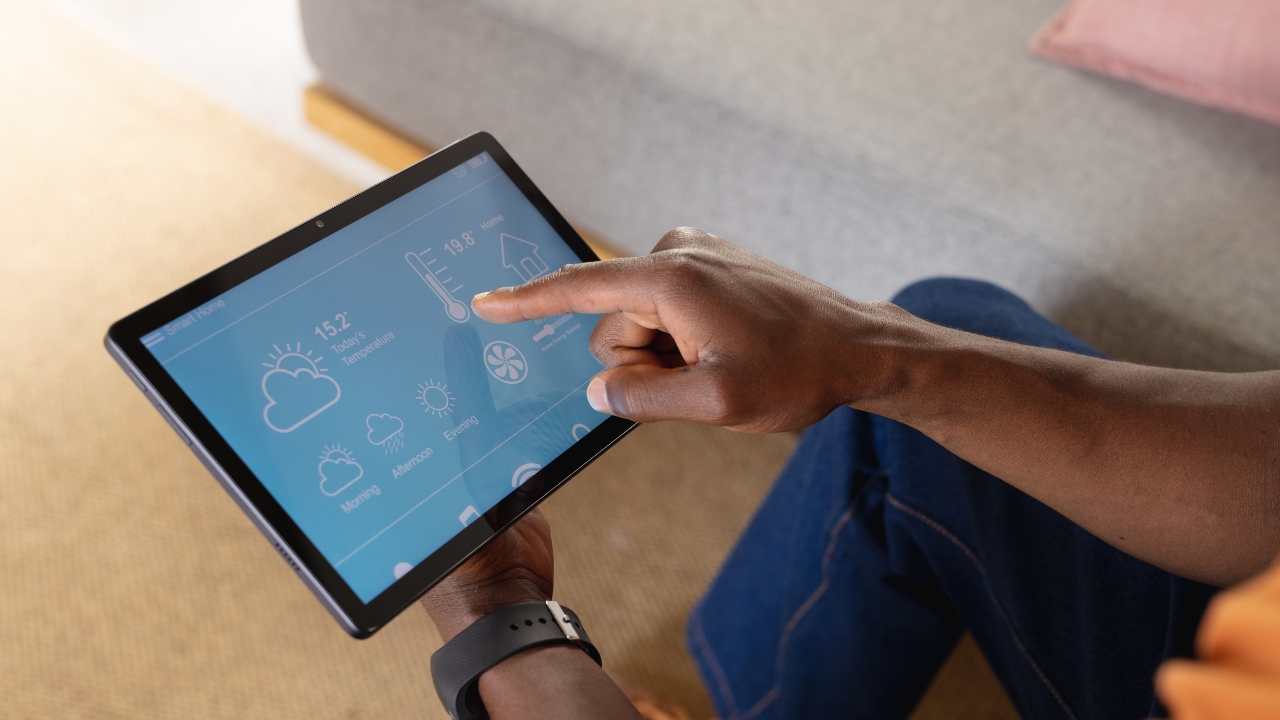
Elsewhere in the Midwest, utilities are warning that You will likely see a higher than normal energy bill during extended cold snaps, and they are urging customers to take control of their usage. One guide from a regional provider, written by Katherine Susko, explains that You can manage your heat and energy usage by sealing drafts, adjusting thermostat schedules, and using smart devices to track consumption in real time. For your budget, those steps translate into fewer surprise spikes and a clearer sense of how each degree on the thermostat affects the bottom line.
Translating forecasts into a practical monthly budget
To turn all of these forecasts into a workable plan, you need to start with a realistic estimate of your total seasonal cost. NEADA has warned that average home heating costs could approach four figures, with some analyses suggesting that Right now, the size of the energy “pie” is growing, which means energy is becoming more expensive for everyone compared with what it was last year. If your household spent, for example, $800 on heat last winter and you live in a region facing a 14.8 percent increase, you should budget for roughly $920 to $950 this season, then divide that by the four or five peak months to see what it means for your monthly cash flow.
Once you have that estimate, you can look for ways to blunt the impact. Some of the most effective steps are low cost: sealing window gaps with weatherstripping, closing fireplace dampers when not in use, and using programmable thermostats to lower temperatures at night or when you are away. Utilities and regulators also stress that the factors driving higher electricity rates are complex, involving fossil fuel prices, infrastructure investments, and regional generation capacity. A detailed explainer notes that the factors that drive changes to electricity rates create an uneven effect on utility bills, which is why your neighbor in another state may see a different percentage increase than you do. For your own budget, that unevenness is a reminder to check your provider’s specific rate notices and programs rather than relying only on national averages.
Like Fix It Homestead’s content? Be sure to follow us.
Here’s more from us:
- I made Joanna Gaines’s Friendsgiving casserole and here is what I would keep
- Pump Shotguns That Jam the Moment You Actually Need Them
- The First 5 Things Guests Notice About Your Living Room at Christmas
- What Caliber Works Best for Groundhogs, Armadillos, and Other Digging Pests?
- Rifles worth keeping by the back door on any rural property
*This article was developed with AI-powered tools and has been carefully reviewed by our editors.