What today’s mortgage-rate zone means if you’re deciding between a remodel and a move
Photo credit: travellight/Shutterstock.com
Mortgage rates have settled into a higher zone than you grew used to in the 2010s, and that shift is reshaping the math on whether you should renovate your current place or shop for a new address. With borrowing costs no longer at rock-bottom, every percentage point affects how far your budget stretches, how much house you can afford, and how ambitious a remodel you can realistically fund. Deciding between staying and upgrading or selling and moving now hinges as much on financing strategy as on square footage and finishes.
If you are weighing a remodel against a move, you are really choosing between two very different ways of using debt in a market where money is more expensive. The rate on a new 30‑year mortgage, the cost of tapping your equity, and the premium you would pay for a similar home in your area all feed into that choice. Understanding how today’s mortgage-rate environment interacts with construction costs, closing fees, and your existing loan can help you make a decision that holds up not just emotionally but financially over the next decade.
The new “normal” for mortgage rates and why it matters
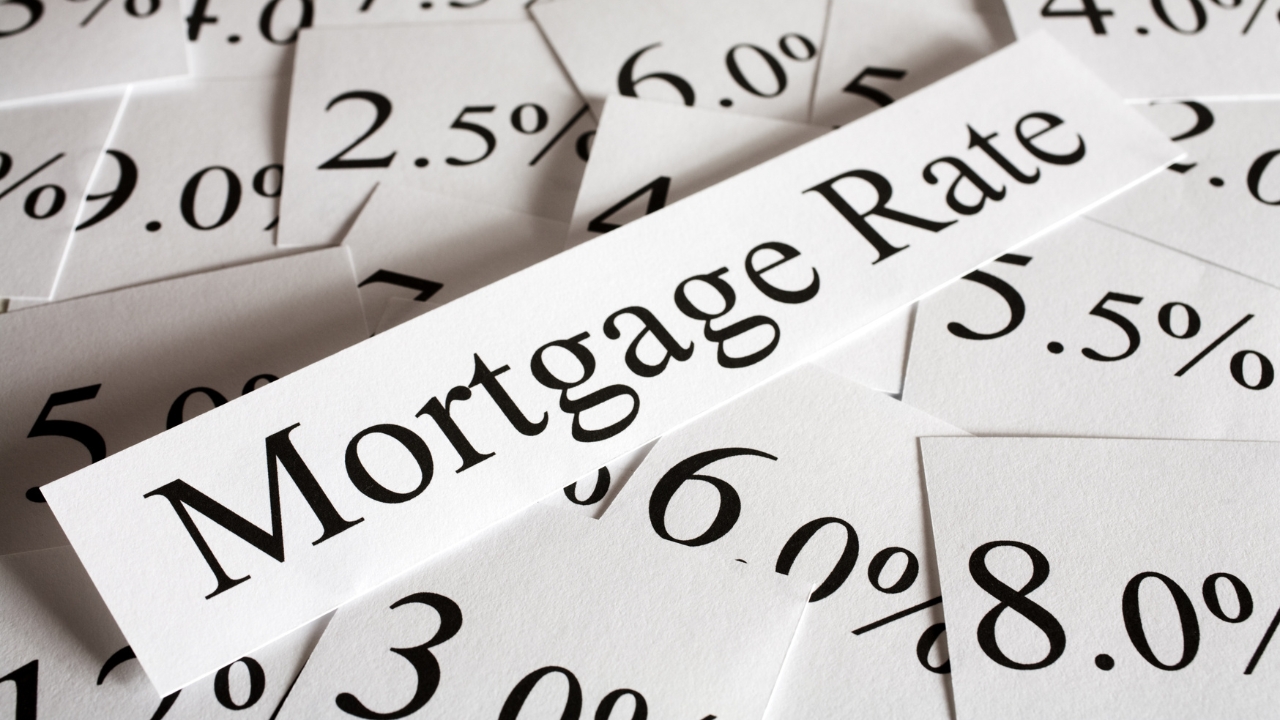
You are no longer operating in a world where a 3 percent mortgage is a realistic baseline, and that alone changes the stakes of moving. Recent national data shows the average 30‑year fixed mortgage sitting under 7 percent but still higher than the day before, a reminder that the current range is elevated compared with the ultra-cheap money of the past cycle, even if it is not at crisis levels. When you trade a low existing loan for a new one in this band, the jump in monthly payment can be dramatic even if the purchase price is only modestly higher.
Housing analysts expect this pattern to persist, with Economists projecting mortgage rates to remain in the 6 to 7 percent zone through 2025 rather than snapping back to pandemic-era lows. On any given day, that can translate into a national average 30‑year rate that is still below 7 percent but edging up, as reflected in recent Mortgage snapshots. For you, that means the decision to move is not just about finding a better layout or neighborhood, it is about deciding whether taking on a fresh loan in this higher band is worth the trade-off compared with keeping your current rate and reshaping the home you already own.
First question: are you solving a design problem or a location problem?
Before you run any numbers, you need clarity on what you are actually trying to fix. If your frustration is mostly about the house itself, such as a cramped kitchen, a missing home office, or a dated primary bath, then a remodel can often solve those design issues without uprooting your life. Guidance from one remodeling firm frames it bluntly: Are you solving a design issue, or is the real problem the location, commute, or school district.
If the pain points are baked into where you live rather than how your home is configured, renovation will not fix them, no matter how much you spend. Long drives to work, a lack of nearby family, or schools that no longer fit your children’s needs are all location issues that usually require a move. The same source notes that If the problem is the house, remodeling makes sense, but if it is the area, you will likely be happier redirecting your energy and money toward a new address. In a higher-rate environment, that distinction is even more important, because you do not want to pay a premium to move only to discover you were really chasing a better floor plan you could have built where you are.
How elevated rates squeeze affordability when you move
When you buy a new home in a higher-rate cycle, you are hit from two directions at once: elevated prices and more expensive borrowing. Financial analysts tracking the housing market point out that Affordability continues to challenge buyers as higher interest rates and elevated home prices push monthly payments upward. That means even a lateral move to a similar property can cost you significantly more each month, not because the house is dramatically better, but because the financing is.
On top of the mortgage itself, the transaction costs of moving stack up quickly. When you sell and buy, you typically pay real estate commissions, transfer taxes, inspection fees, and new closing costs, all of which can run into the tens of thousands of dollars. One breakdown of these expenses notes that Moving costs can add up quickly once you factor in realtor fees, closing costs, and the physical move itself. In a rate environment where every borrowed dollar is more expensive, those one-time costs deserve as much scrutiny as the listing price, because they are dollars you could otherwise direct into equity-building improvements where you already live.
Why your existing low mortgage rate is a powerful asset
If you locked in a cheap mortgage during the last decade, that loan has quietly become one of your most valuable financial assets. Some advisors describe the The Upside of renovating as the ability to keep that dreamy, low interest rate, which other homeowners may envy for years. When you stay put and remodel, you preserve that cheap long-term debt while upgrading the asset it is attached to, effectively boosting the value of each low-rate dollar you borrowed.
By contrast, selling your home and paying off that loan means giving up a piece of financing that would be very hard to replicate today. If you then take out a new mortgage at 6 to 7 percent, you are replacing inexpensive debt with far costlier debt, even if the new house is not dramatically more expensive. That is why some advisors half-jokingly say, Seriously, people may envy you forever if you keep that low rate. In practical terms, it means your monthly payment buys you more flexibility to fund renovations, save for other goals, or simply absorb higher costs elsewhere in your budget.
Financing a remodel when money is not cheap
Higher mortgage rates do not just affect buyers, they also shape how you finance a renovation. If you have substantial equity, a home equity line of credit can give you flexible access to funds, but the rate you pay will reflect the same interest-rate backdrop that is pushing up mortgages. Current HELOC rates show that tapping your equity is no longer a low-cost afterthought, so you need to be deliberate about how much you borrow and how quickly you plan to pay it back.
Remodeling specialists emphasize that the cost of financing is now a central part of any renovation budget. One analysis notes that, as you would expect, the costs of financing your remodel or home purchase ultimately impact the project costs and should play a major role in your decision, especially when you consider how the federal Funds Rate affects mortgage rates and related borrowing. In practice, that means you might scale a project to what you can comfortably finance at today’s rates, phase work over several years instead of all at once, or pair a smaller loan with cash savings to keep interest costs in check.
When remodeling beats moving in a high-rate market
In many real estate markets, the combination of higher rates and limited inventory has made it harder to trade up without stretching your budget. That is one reason some contractors argue that, in the current environment, a well-planned addition or major renovation can be a smarter way to get the space you need. One perspective on Rising Interest Rates suggests that remodeling with a home addition may be a better choice than moving, particularly where new listings are scarce and sellers are reluctant to give up their own low-rate loans.
When you remodel, you avoid bidding wars, inspection surprises on a new property, and the risk that your dream home will not materialize in your price range. You also keep control over the design, tailoring the project to your exact needs instead of compromising on whatever happens to be on the market. Advocates of this approach argue that a carefully scoped Home Addition May Be able to absorb the impact of rising interest rates more effectively than a full move, because you are borrowing less overall and putting that money directly into an asset you already understand.
When moving still makes sense despite higher rates
There are situations where, even with elevated borrowing costs, moving is still the more rational choice. If your current home cannot be expanded due to lot constraints, zoning rules, or structural limits, no amount of creative design will conjure up the extra bedroom or parking you need. In those cases, the question becomes whether paying today’s mortgage rates for a more suitable property is preferable to living indefinitely in a space that does not work for your household.
Location-driven needs can also override the financial appeal of staying put. If your job has shifted to a different city, your parents need care across town, or your children are entering a new school system, the long-term benefits of relocating may outweigh the short-term pain of a higher mortgage payment. Some advisors who walk clients through the stay-or-go decision acknowledge that, even when Renovating lets you keep a low rate, it cannot fix a commute that is burning you out or a neighborhood that no longer fits your life. In those cases, the higher-rate mortgage becomes the price of aligning your housing with your real priorities.
Running the numbers: comparing total costs, not just payments
To make a clearheaded decision, you need to compare the full cost of each path over a realistic time horizon, not just the immediate monthly payment. On the moving side, that means adding up your projected new mortgage payment at current rates, estimated transaction costs, moving expenses, and any immediate repairs or upgrades the new home will require. On the remodeling side, you should total the construction budget, financing costs on any loans or lines of credit, and the opportunity cost of living through a project that may disrupt your routine.
Some construction firms encourage homeowners to think in terms of a five to ten year window, asking whether the combined cost of selling, buying, and furnishing a new home in a higher-rate environment will deliver more value than investing the same amount into targeted upgrades where you are. One detailed guide on Analyzing Cost of Moving Versus Remodeling underscores how quickly fees and closing costs can erode the budget you thought you had for a new place. When you lay both scenarios out side by side, including interest paid over time, you may find that the more modest-looking option on paper is actually the more expensive one once all the line items are accounted for.
How to decide: a practical framework for your next move
Once you understand how today’s mortgage-rate zone affects both moving and remodeling, you can approach the decision with a simple framework. Start by clarifying whether your core problem is design or location, then list the non-negotiables that would make you feel good about staying or going. From there, sketch two realistic scenarios, one where you remodel within a defined budget and one where you buy within a price range that reflects current rates, and compare how each option affects your cash flow, commute, and quality of life over the next decade.
It can help to pressure-test your assumptions with professionals who see these trade-offs every day, such as a local agent, a contractor, and a loan officer who understands how Mortgage Rates Remain Elevated in the current cycle. Ask them to walk you through best and worst case scenarios, including what happens if rates stay in the 6 to 7 percent band longer than expected. In the end, the right choice is the one that balances financial prudence with the way you actually live, using today’s higher borrowing costs as a lens, not a veto, on the home that will serve you best in the years ahead.
Like Fix It Homestead’s content? Be sure to follow us.
Here’s more from us:
- I made Joanna Gaines’s Friendsgiving casserole and here is what I would keep
- Pump Shotguns That Jam the Moment You Actually Need Them
- The First 5 Things Guests Notice About Your Living Room at Christmas
- What Caliber Works Best for Groundhogs, Armadillos, and Other Digging Pests?
- Rifles worth keeping by the back door on any rural property
*This article was developed with AI-powered tools and has been carefully reviewed by our editors.