What to Do the Moment You See a Roach in the Kitchen
Seeing a roach in the kitchen is never a good sign. And no, it probably didn’t wander in from outside. If you spot one, there are likely more hiding where you can’t see them. The good news is you don’t have to panic—but you do need to act fast. Here’s exactly what to do the moment that roach shows up.
Kill It—But Don’t Stop There

Step one is obvious: kill the thing. But don’t assume the problem is solved with one squish or trap. Roaches multiply fast, and one sighting usually means there’s a nest somewhere nearby.
Keep your cool, clean up the bug, and get ready to go on the offensive. This is the time to take the next steps seriously—before they spread.
Figure Out Where It Came From
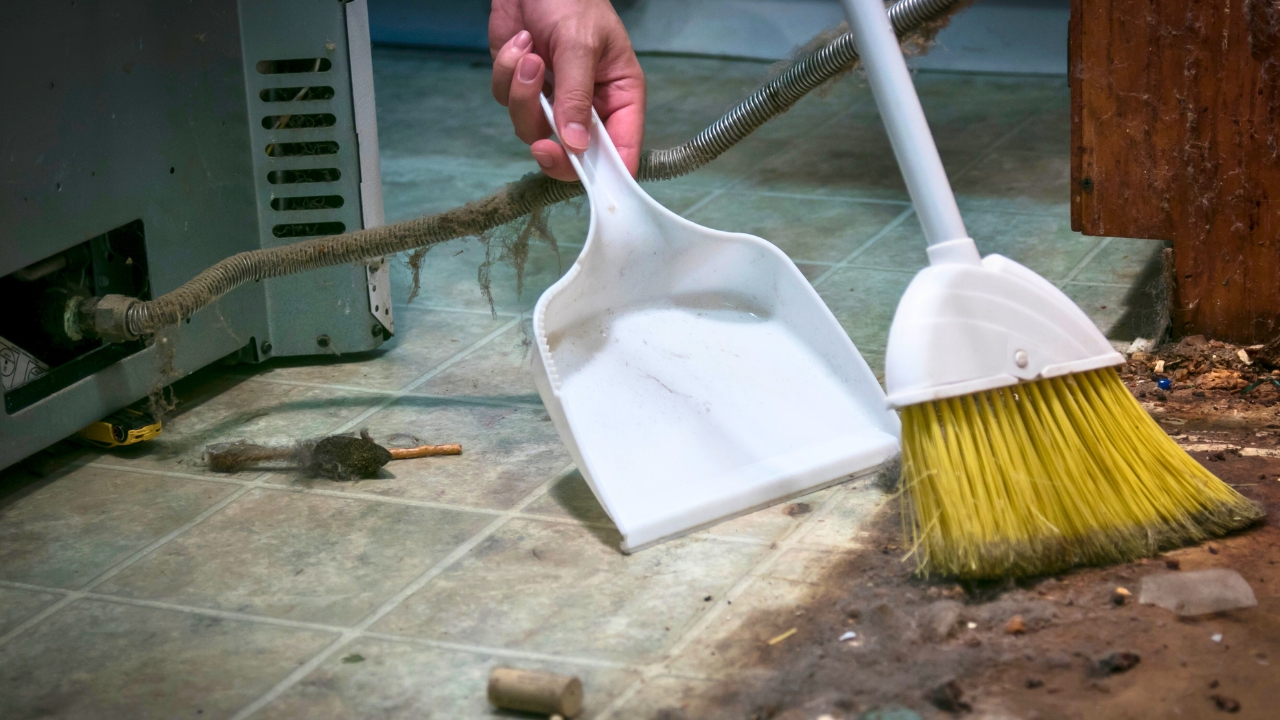
Look around right after you see one. Was it near the trash can? Under the fridge? Crawling out of a cabinet? That location tells you a lot. Roaches don’t like being out in the open, so if you see one, it probably got startled or is foraging close to a hiding spot.
Shine a flashlight under appliances, inside cabinets, or behind the stove to look for droppings, egg cases, or more movement. Don’t skip the pantry or under-sink cabinet.
Clean Everything Thoroughly
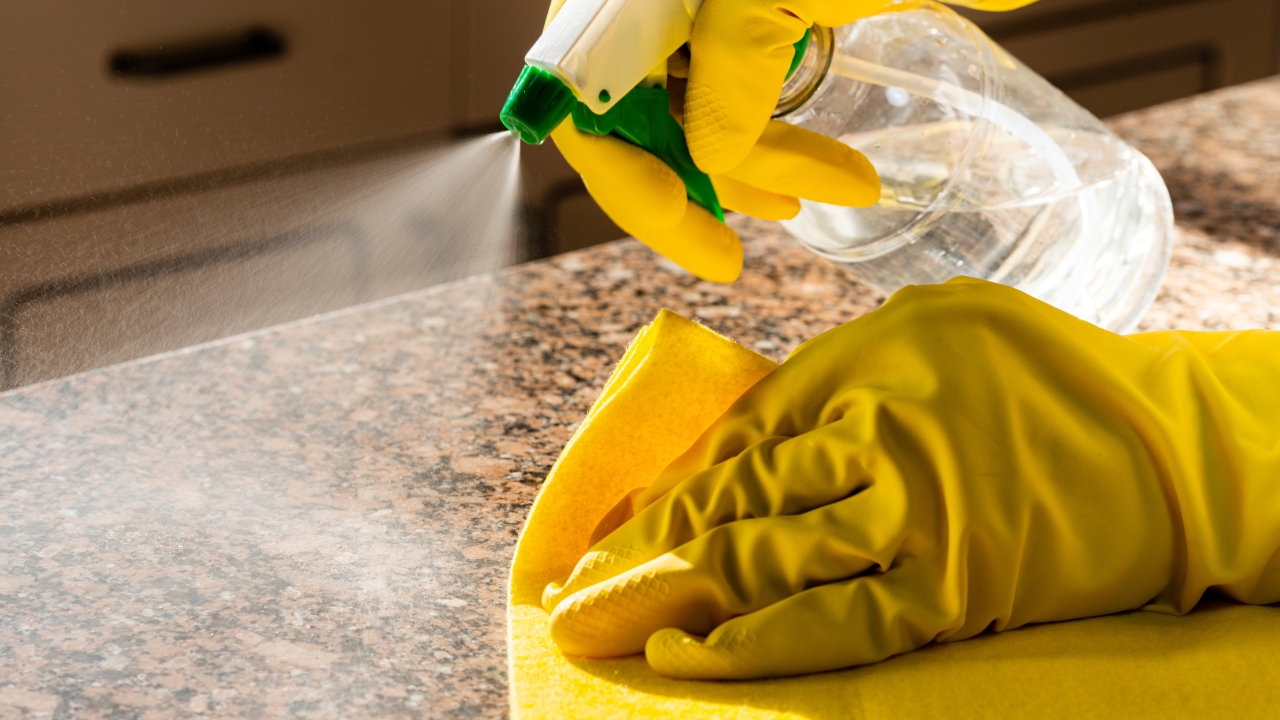
Even if your kitchen seems clean, give it a full reset. Wipe down the counters with a degreaser, vacuum the floors, clean under and behind appliances, and take out the trash.
Roaches thrive on crumbs, sticky spills, and standing water. If any of that’s around, they’ll stay. Don’t give them a reason to feel welcome.
Take Away Their Water Source
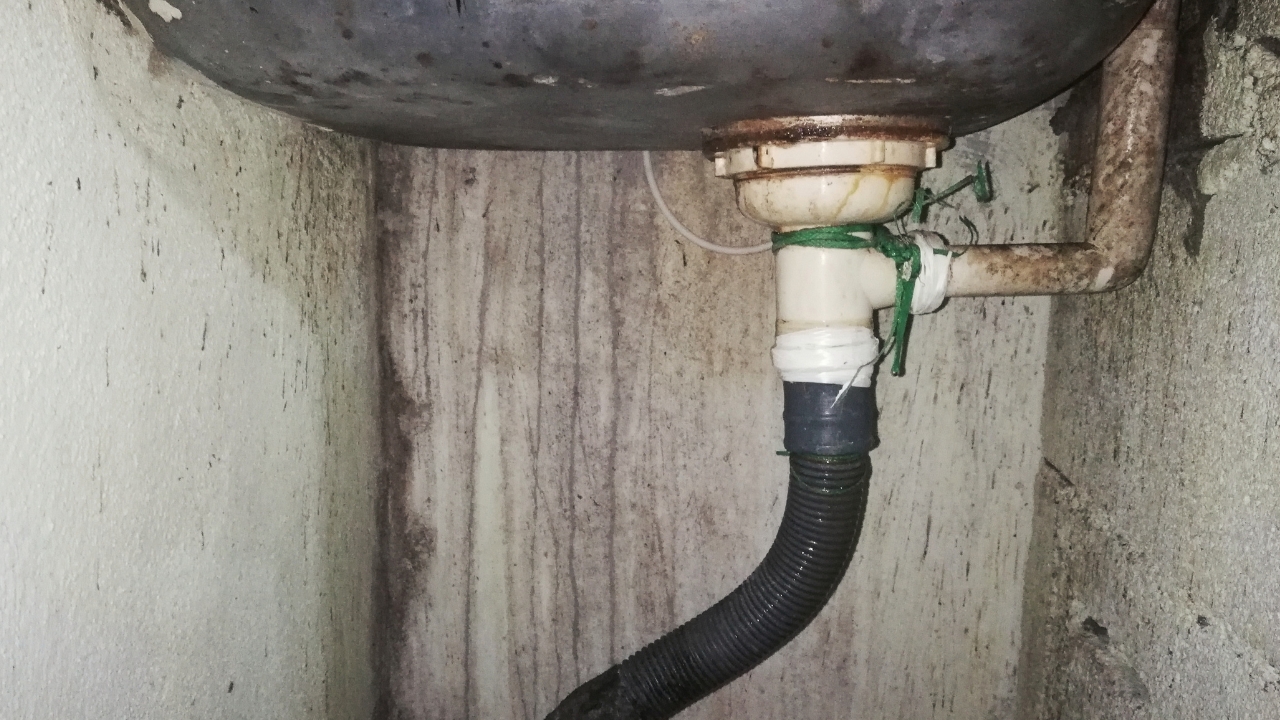
Roaches can live a long time without food, but they need water regularly. Sinks, dripping pipes, and damp dish rags are all fair game to them.
Dry out the sink, fix any leaks under the cabinet, and stop leaving wet sponges or towels sitting out. You’d be surprised how much of a difference that makes.
Set Out Bait Traps
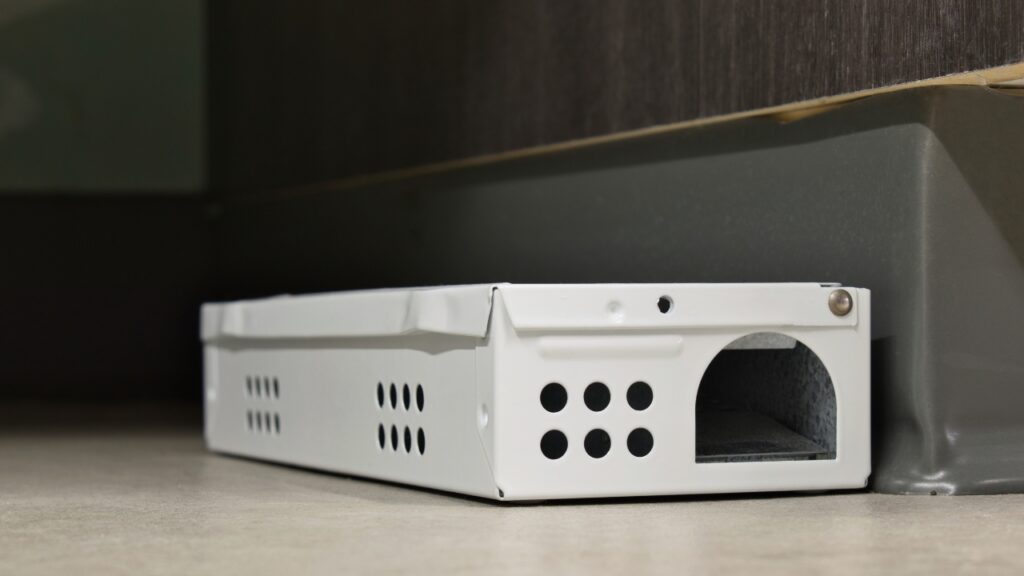
Once you’ve cleaned up, it’s time to set traps. Gel bait works well because it attracts roaches and lets them carry poison back to the nest. Place it in the spots where you saw the roach or near likely hiding areas.
Don’t rely on sprays alone—they kill on contact but won’t take out the rest of the colony. Bait is slow-acting but much more effective long-term.
Check for Entry Points
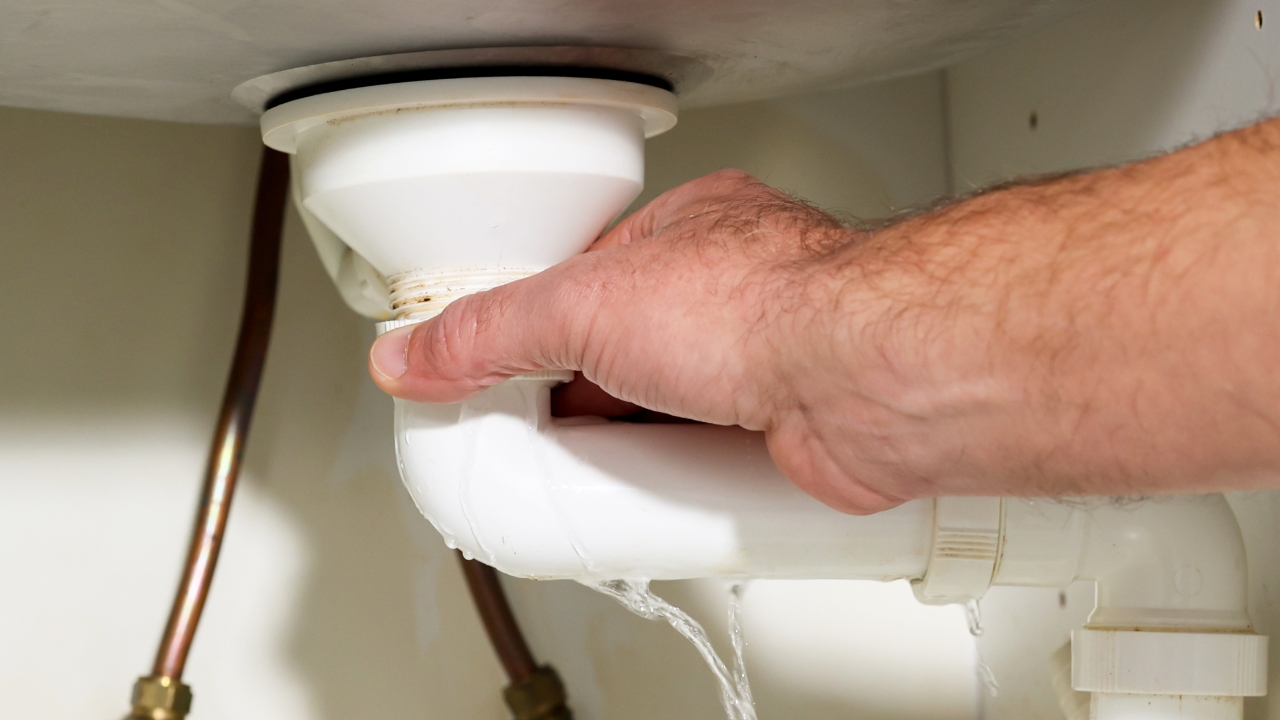
Roaches can squeeze through tiny gaps. Look for cracks around baseboards, gaps in cabinets, or holes near plumbing lines. Seal what you can with caulk or steel wool.
If you live in an older home or an apartment building, blocking their entry points is one of the most important steps you can take to stop repeat visits.
Skip the DIY Bombs

It’s tempting to use a roach fogger and call it good, but those don’t do much. The spray can’t reach where roaches actually live—deep in walls, cabinets, or behind appliances.
Worse, they can push roaches deeper into hiding or into other rooms. Stick to baits, traps, and thorough cleaning first. Leave the bombs for professional use, if needed.
Follow Up Every Day for a Week
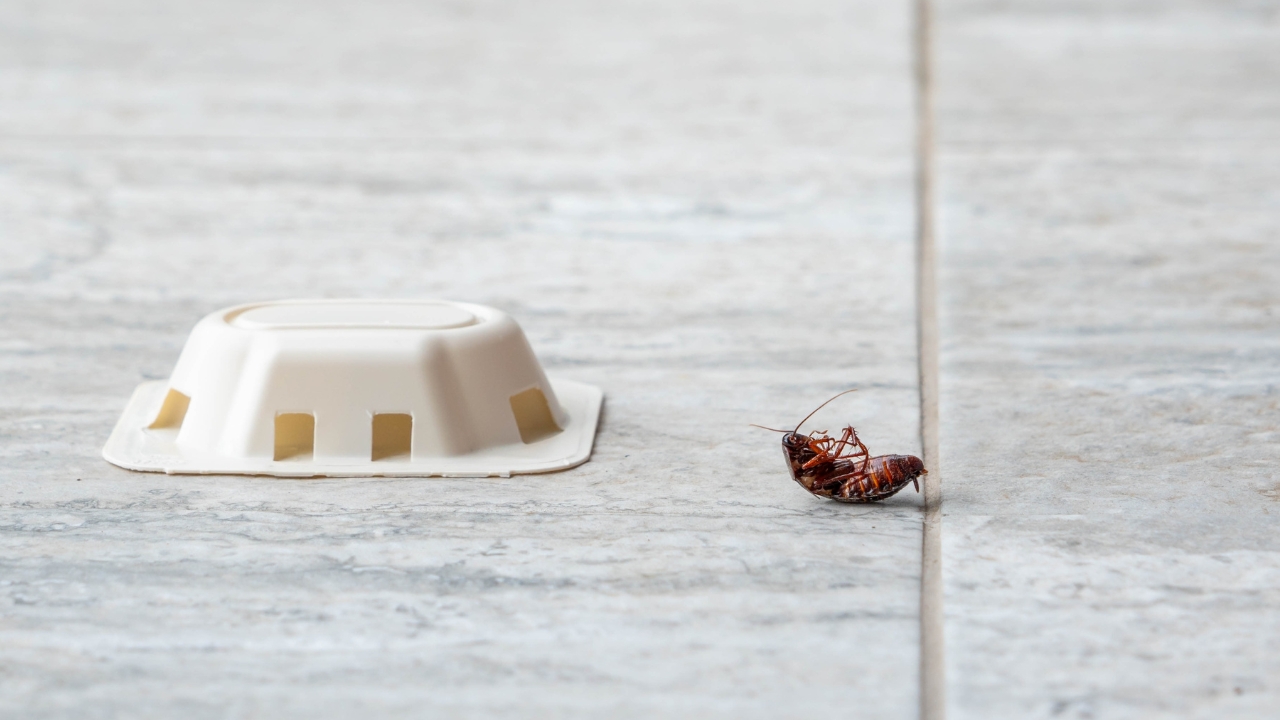
Don’t assume the problem’s gone after one night. Check the traps each day, reapply bait if needed, and stay on top of cleaning and drying out surfaces.
Roaches are stubborn. A consistent routine is what keeps them from rebounding. Even if you don’t see another one, keep going for at least a full week.
If You See More Than One, Call a Pro
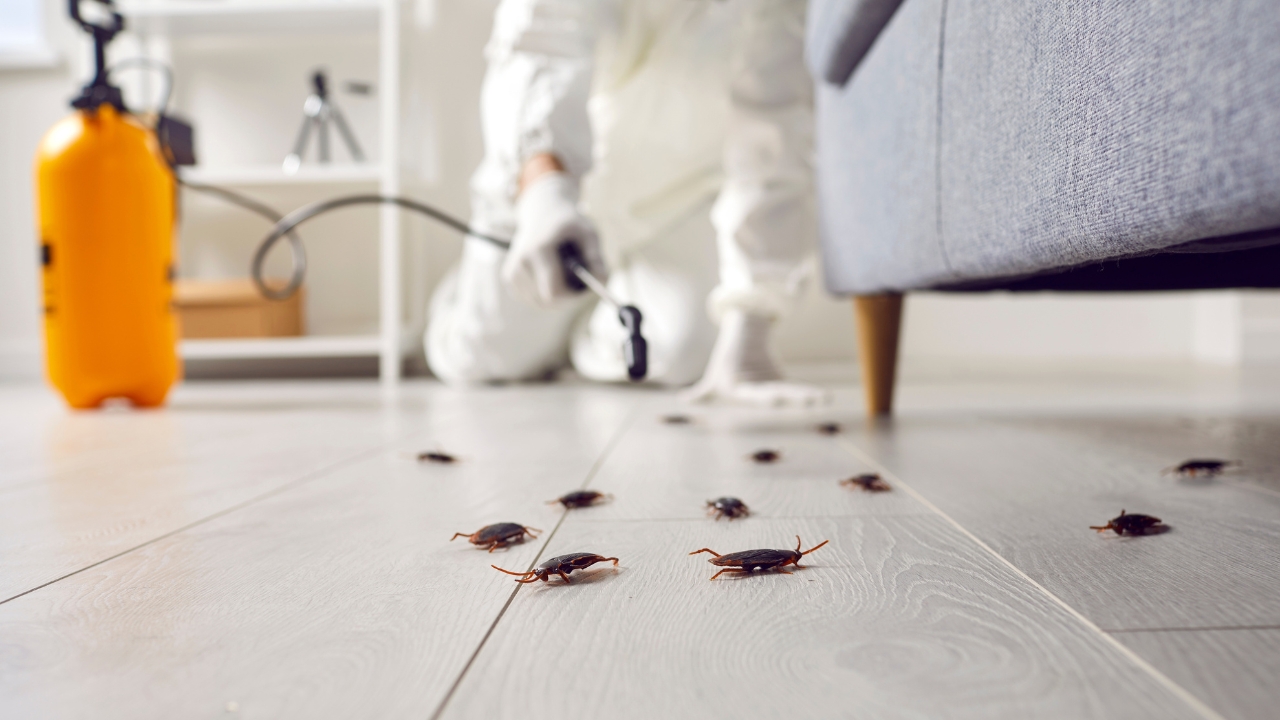
One roach is bad enough. If you see a second within a few days, you likely have an infestation. That’s when it’s smart to bring in pest control.
They can identify nesting spots, treat inside the walls, and use professional-grade bait or barriers that’ll actually last. Better to spend a little now than let it get worse.
*This article was developed with AI-powered tools and has been carefully reviewed by our editors.