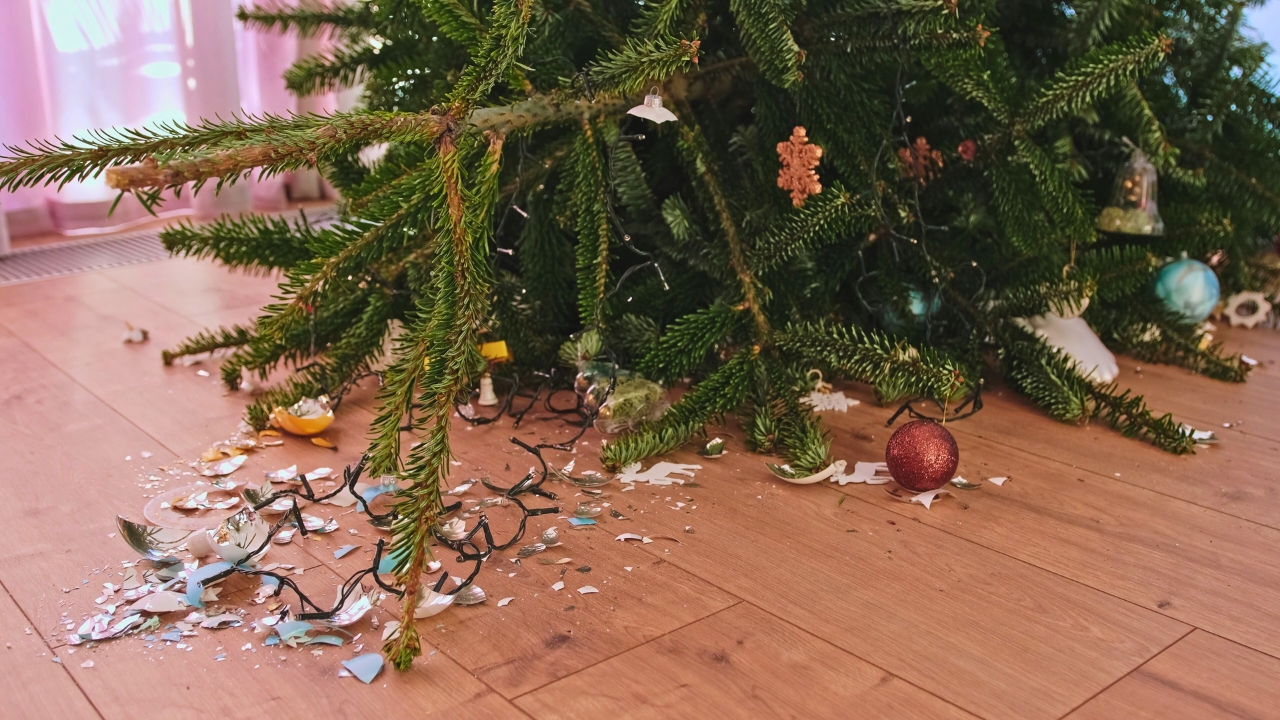
What to Do When Your Christmas Tree Keeps Falling Over
A Christmas tree that won’t stay upright is stressful. You finally get the lights on, the ornaments just right…and then you hear that crash from the next room. By the third time, you’re ready to drag it to the porch and call it done.
You don’t have to live in fear of your tree. A lot of “mystery” tipping comes down to the same handful of issues: bad stand, wrong size tree, uneven trimming, or too much weight on one side.
Start With the Stand (Most Problems Begin Here)
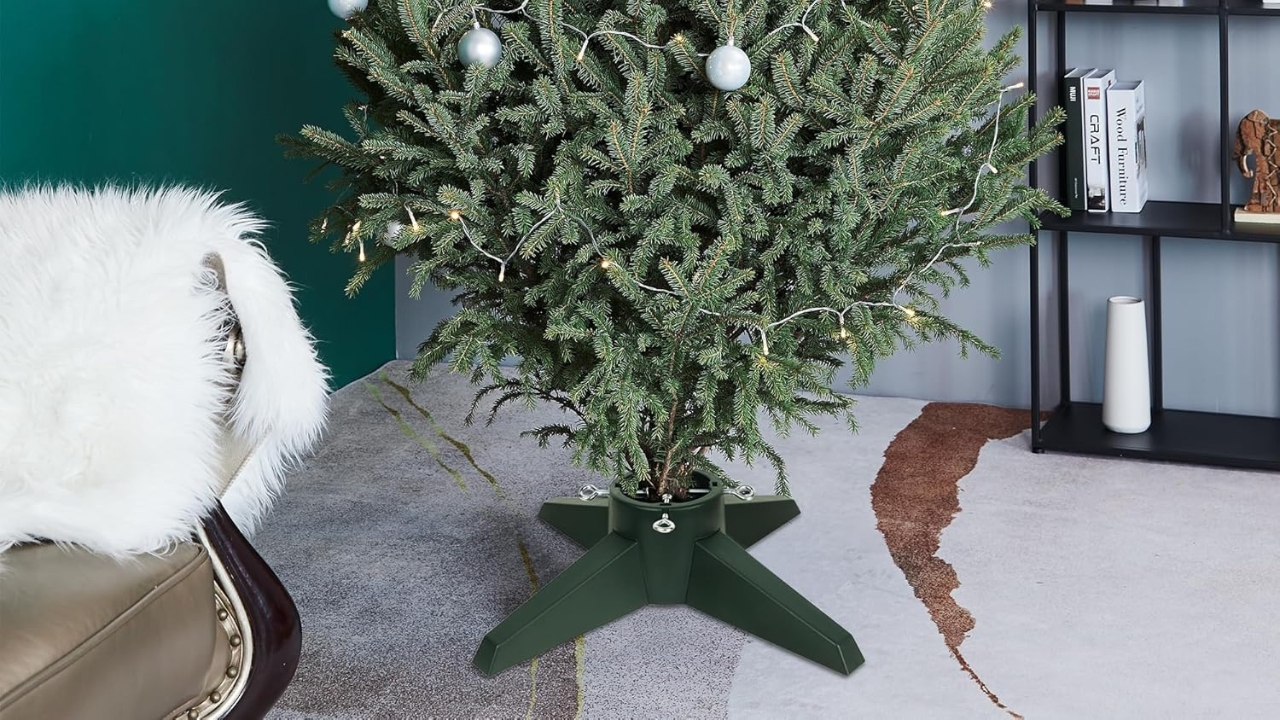
If your stand is flimsy, too small for the trunk, or missing screws, the tree is never going to feel secure. Make sure the stand is rated for the height of your tree and has four sturdy screws or clamps that actually bite into the trunk.
If you can wobble the tree by gently pushing the trunk, you need to reset it. Empty the water, loosen the screws, and start over instead of trying to “fix” it while it’s half-tightened.
Trim the Trunk So It Sits Straight
Sometimes the tree looks straight in the lot, but the base is crooked or uneven. That throws everything off once it’s in the stand. Saw off a thin slice from the bottom so you’re working with a fresh, flat cut.
If the bark is really uneven, shave off small bumps where the stand contacts the trunk. You’re not trying to make it pretty down there—just stable.
Match the Tree Size to the Room
A too-tall, too-wide tree in a small room is more likely to get bumped or pulled. It also has a higher center of gravity, which doesn’t help if the stand is borderline. If your tree is crammed into a corner, consider trimming a little height off the top or branches off the back.
You want enough space to walk around it, not a tree that everyone has to squeeze past.
Balance the Ornaments and Lights
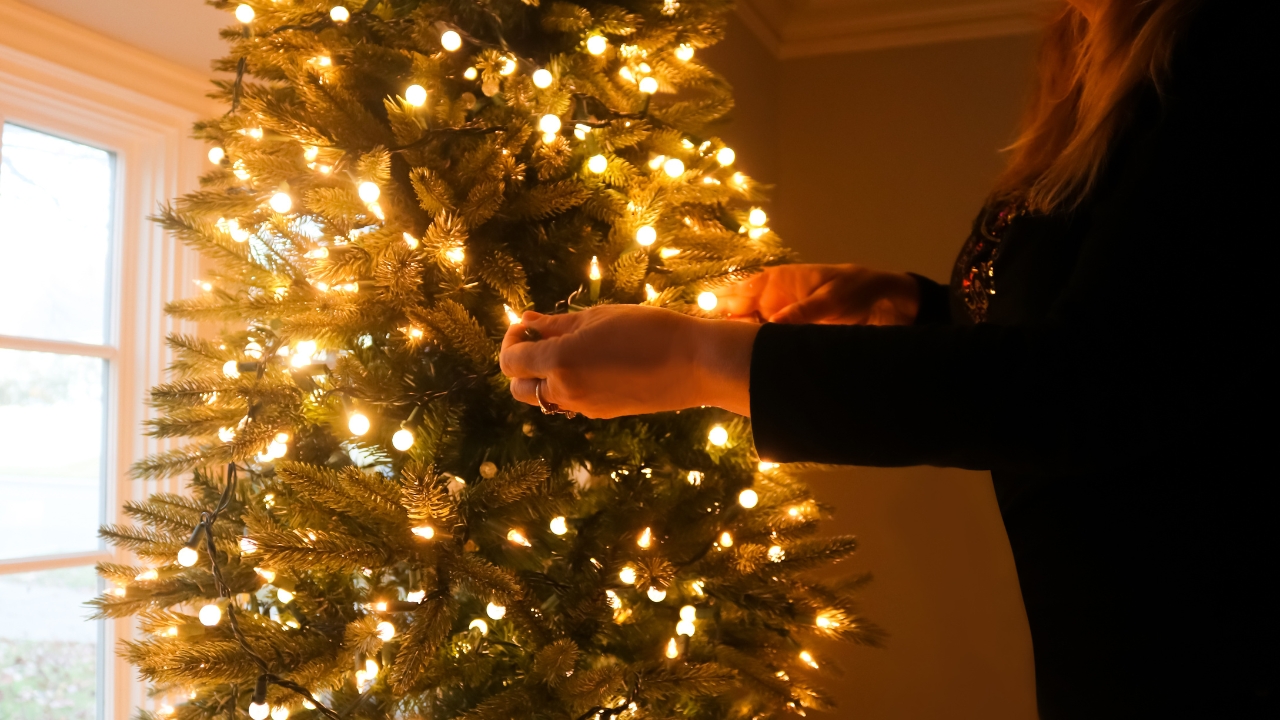
If all your heavy ornaments end up on one side, that side will naturally pull the tree over, especially if the stand is already struggling. Step back every so often and look at the tree from all angles.
Try to spread heavy items around the tree and a little closer to the trunk instead of dangling them on the very tips of branches.
Add Weight to the Base
If your tree stand is sturdy but still feels a little top-heavy, you can add weight around the base. Place the stand inside a wider tub or crate and tuck in bricks, hand weights, or bags of sand around it (covered by a tree skirt so you’re not staring at gym equipment).
You’re basically lowering the center of gravity and giving the tree something to lean on if it does get bumped.
Anchor the Tree to the Wall if Needed
If you have kids, pets, or a tree that still feels a little risky, treat it like furniture. Use clear fishing line or twine to gently anchor the tree to a wall or window frame. Hook small screw-in eye hooks or command hooks high enough that they’re hidden by branches.
You don’t have to cinch it super tight. Just enough tension to catch it if someone tugs an ornament or the cat decides it’s climbing practice.
Protect Your Floor and Surroundings
While you’re solving the falling problem, assume it might happen one more time. Move anything fragile out of the immediate blast zone: glass lamps, picture frames, breakable tabletop decor.
Put a waterproof mat or trash bag under the tree stand, then cover it with your skirt. That way, if it tips or leaks, you’re not dealing with soaked hardwoods or carpet on top of everything else.
Like Fix It Homestead’s content? Be sure to follow us.
- I made Joanna Gaines’s Friendsgiving casserole and here is what I would keep
- Pump Shotguns That Jam the Moment You Actually Need Them
- The First 5 Things Guests Notice About Your Living Room at Christmas
- What Caliber Works Best for Groundhogs, Armadillos, and Other Digging Pests?
- Rifles worth keeping by the back door on any rural property
*This article was developed with AI-powered tools and has been carefully reviewed by our editors.