What to Do With All the Extra Cardboard After Christmas
The week after Christmas, it feels like the boxes are reproducing. Shipping boxes, toy boxes, appliance boxes, Amazon boxes… you can fill an entire room with cardboard if you’re not careful. It’s tempting to just shove it in the garage and forget about it, but then you’re still tripping over it in March.
You don’t have to keep every box “just in case,” but you also don’t have to waste useful material. A little sorting goes a long way.
Start by Sorting Before You Flatten Anything
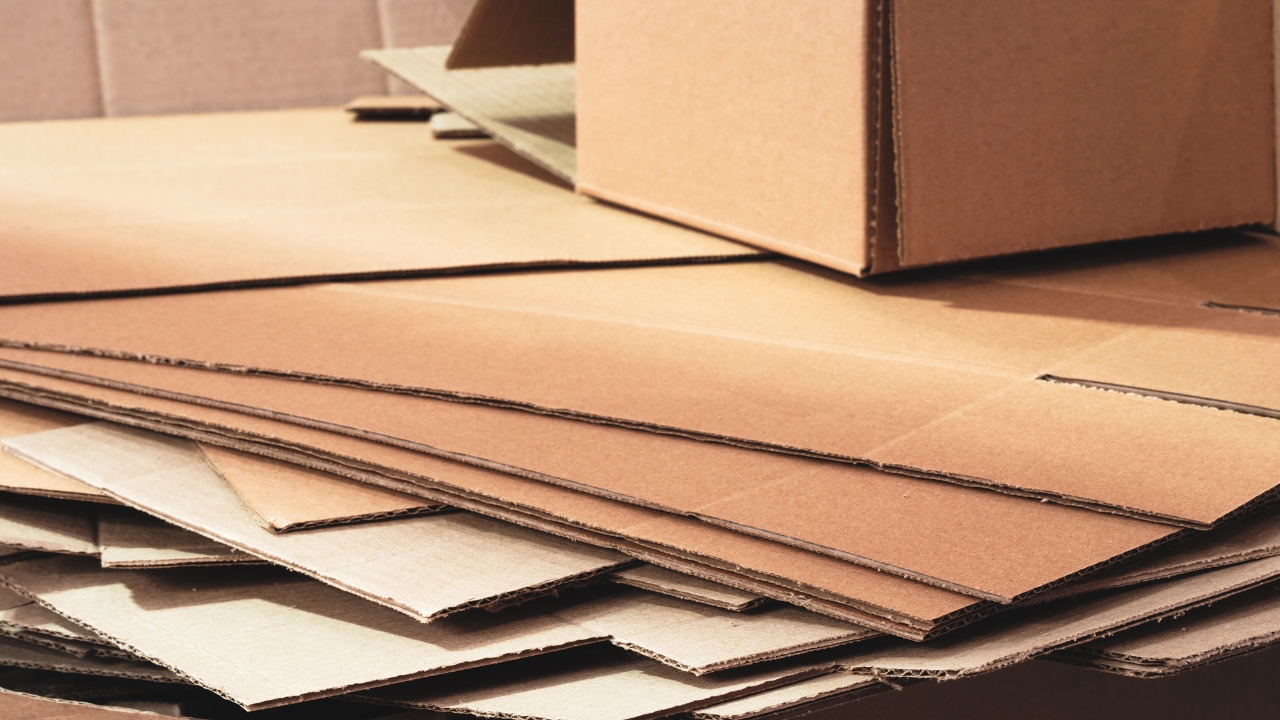
Before you cut and flatten, go through your pile with a quick eye. Separate sturdy, clean boxes from anything greasy, torn, or covered in tape and glitter. Good, plain boxes are worth hanging onto. The rest can go straight into your recycle or burn pile, depending on your area rules.
If a box smells like food or has inside coating from frozen items, don’t save it for storage or garden use. That stuff attracts pests.
Save a Few Solid Boxes for the Year
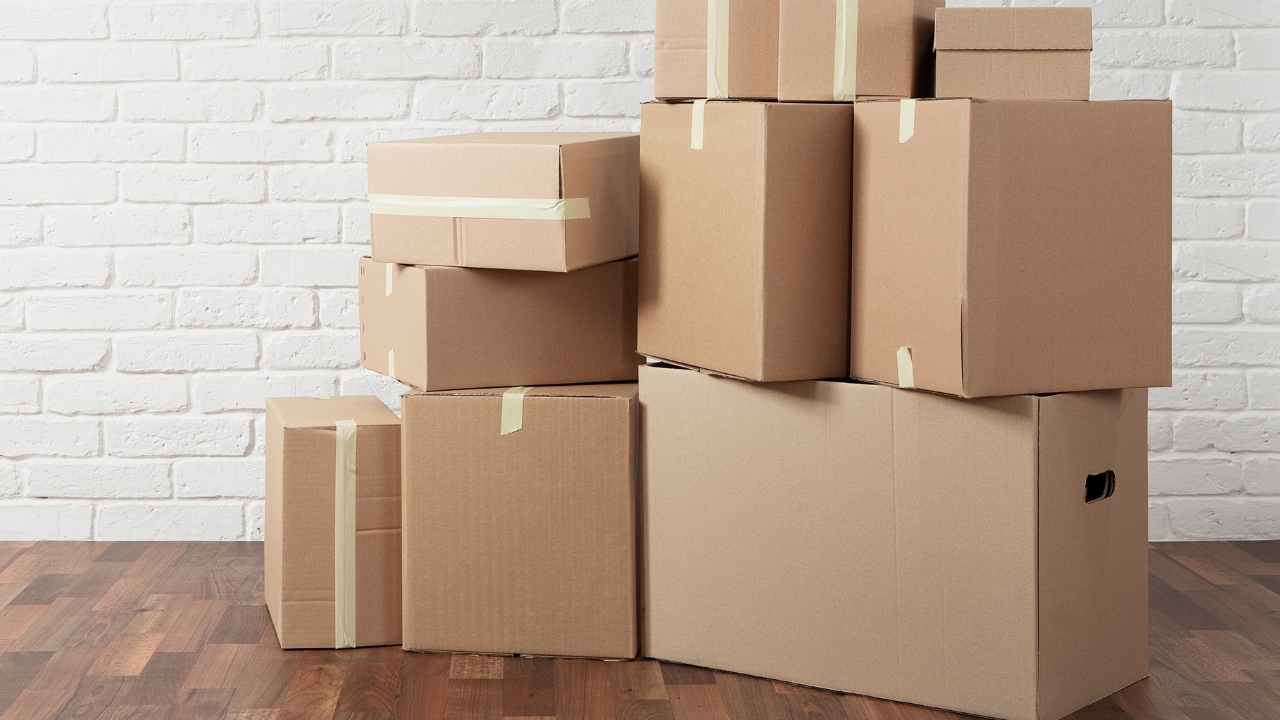
We keep a small stash of “workhorse” boxes: medium-sized, thick, and not full of branding or holes. These are the ones we grab for:
- Shipping things to family
- Storing clothes or hand-me-downs
- Packing up donations
You don’t need twenty. Pick a handful in sizes you actually use and commit to letting the rest go.
Use Cardboard to Organize Storage
Cardboard dividers are your friend. Cut pieces to slide between stacks of books, dishes, or tools in bins. Use smaller boxes as drawer organizers for batteries, cords, craft supplies, or kids’ little toys.
It doesn’t have to look fancy to work. A cut-down box inside a cabinet still keeps things from sliding all over the place.
Put the Best Pieces Aside for Projects
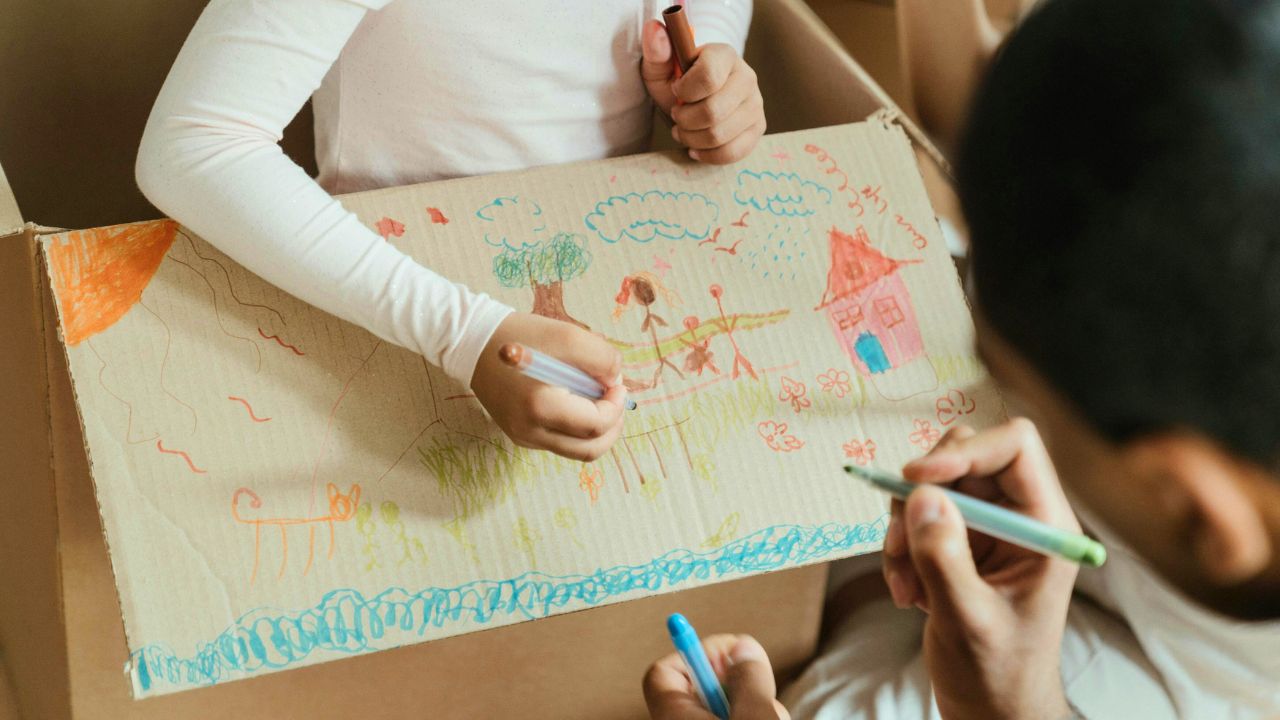
If you have kids, keep a flat stack of panels for crafts and “build something” days. Cardboard makes great:
- Playhouses and tunnels
- Road ramps for cars
- Drop cloths for painting
Keep a few big panels and a couple smaller ones in a closet. If the pile grows beyond that, it’s time to recycle.
Put Cardboard to Work in the Garden
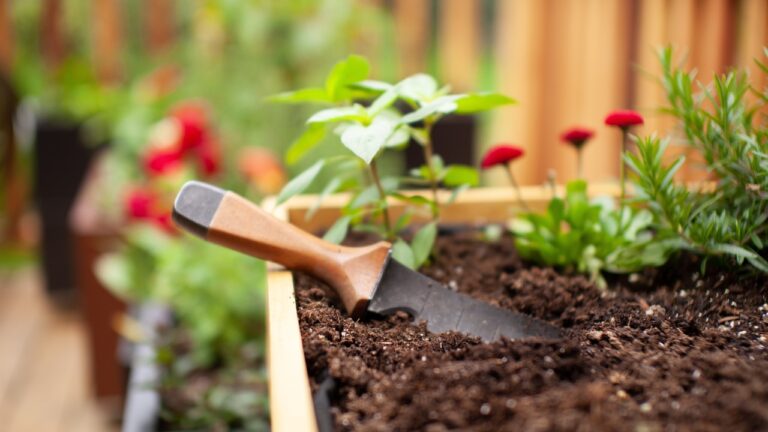
Plain brown cardboard (no shiny coating or heavy ink) is great for the yard and garden. It can:
- Smother weeds under mulch
- Line new garden beds
- Create walkways
Lay it down, wet it, and cover with mulch or compost. Just avoid anything with plastic tape still attached—that won’t break down.
Recycle or Burn the Rest Responsibly
Anything that’s ripped, flimsy, or not useful should be broken down right away. Cut or tear, flatten, and get it into the recycling bin or your burn barrel if that’s normal in your area.
The goal is to keep cardboard from becoming “future clutter.” If it doesn’t have a specific job, it doesn’t need to stay.
Like Fix It Homestead’s content? Be sure to follow us.
- I made Joanna Gaines’s Friendsgiving casserole and here is what I would keep
- Pump Shotguns That Jam the Moment You Actually Need Them
- The First 5 Things Guests Notice About Your Living Room at Christmas
- What Caliber Works Best for Groundhogs, Armadillos, and Other Digging Pests?
- Rifles worth keeping by the back door on any rural property
*This article was developed with AI-powered tools and has been carefully reviewed by our editors.