What to do with poinsettias so they look good past New Year’s
Poinsettias are everywhere in December—by the register, at church, in every big-box store. They look gorgeous for a couple of weeks and then suddenly… droopy, spotty, or half-dead in the corner.
The thing is, they’re not designed to be thrown out December 26. With a little care, they can easily make it past New Year’s and sometimes well into late winter. You don’t need a greenhouse. You just need to baby them a little less like decor and a little more like real plants.
Start by unwrapping them correctly
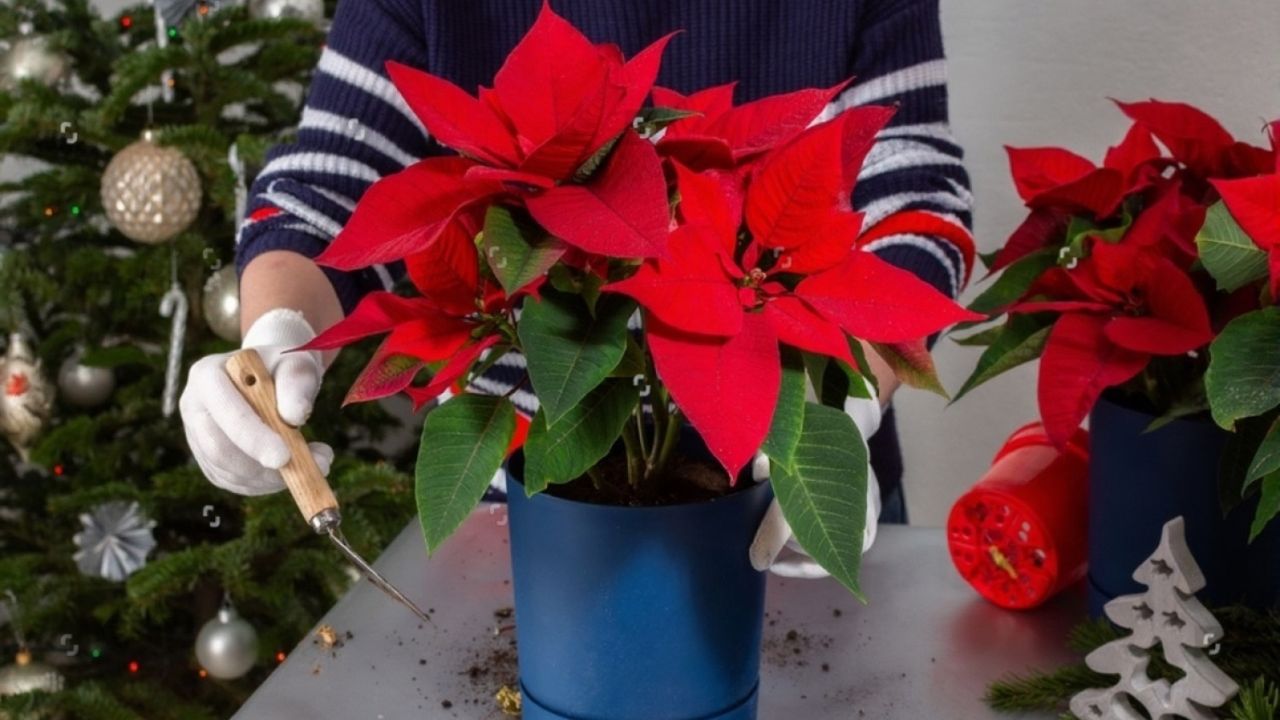
Most poinsettias leave the store wrapped in that crinkly plastic sleeve or foil pot cover. It’s cute, but it’s also a moisture trap.
As soon as you get home:
- Slide off the sleeve so the leaves aren’t smashed together
- Either poke drainage holes in the decorative foil or remove it when you water
- Check the soil with your finger so you’re starting from a good baseline—not soaking wet or bone dry
If water has already pooled in the foil, gently dump it out so the roots aren’t sitting in a swamp. That’s the fastest way to turn a healthy plant into a sad one.
Give them the kind of light they actually like
Poinsettias don’t want harsh midday sun baking them through a window, but they also don’t want to live in a dark corner. Bright, indirect light is their sweet spot.
Think:
- Near a window with filtered light
- Across the room from a sunny window, not pressed right against cold glass
- Away from drafty doors or vents blasting hot air
If the leaves are fading or dropping, check the light situation first. Too little light and they sulk. Too much direct sun and they scorch. A bright spot where you could comfortably read during the day is usually about right.
Be picky with water—but not dramatic
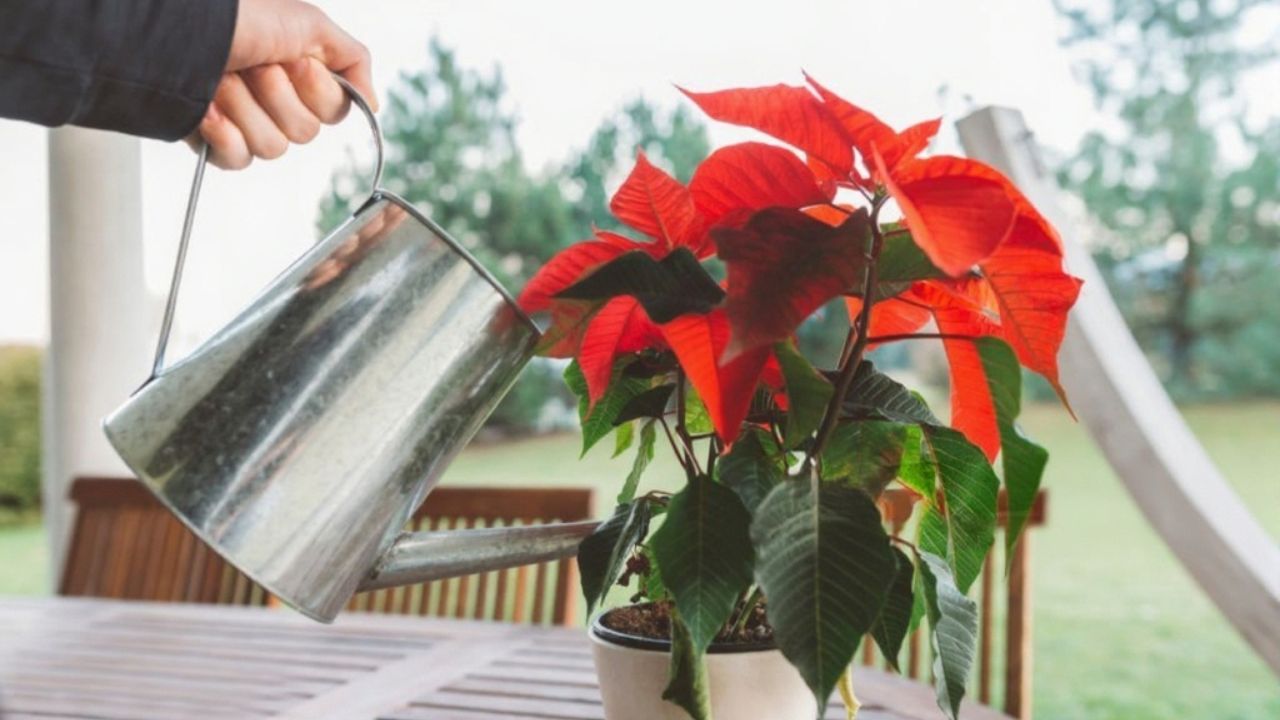
Most poinsettias die from overwatering, not neglect. They don’t like constantly soggy soil.
Use the finger test:
- Stick your finger about an inch into the soil
- If it feels dry at that depth, it’s time to water
- If it’s still damp, wait another day or two
When you do water, give it a good drink until water starts to come out the bottom, then pour off any extra in the saucer or foil after a few minutes. Don’t let it sit in leftover water. That’s when roots start to rot and leaves go yellow.
Keep them away from heat blasts and cold drafts
Holiday plants suffer more from our HVAC habits than anything else. Poinsettias hate being shoved near:
- Heat vents
- Fireplaces
- Drafty exterior doors
- Space heaters
That constant hot-cold swing stresses the plant and makes leaves drop faster. A stable, non-drafty spot where the temperature stays fairly even will keep them looking fresher longer.
Don’t stress about fertilizer during the holiday window
If your only goal is “keep this alive and pretty through New Year’s,” you don’t have to break out fertilizer. The plant came from the grower pretty loaded up and ready to perform.
What helps more is:
- Stable light
- Consistent watering
- Reasonable temperature
If you decide you want to keep it long-term into spring, you can start a light fertilizer routine then. But in December, you’re mainly in maintenance mode.
What to do when they start to look tired
Even with good care, poinsettias will eventually drop some leaves and lose that perfect, full look. When that starts:
- Gently remove any dry or yellowed leaves
- Rotate the plant so it doesn’t lean toward one side of the light
- Check for overly dry soil or sitting water and adjust your watering habits
Sometimes a simple move—away from a heater, closer to a window, out of the traffic path—buys you several more weeks of decent color.
If you want to keep them past the holidays

If you’re the type who hates throwing a live plant away, you can keep poinsettias beyond the holiday season. Just be honest with yourself about how much effort you want to put in.
Bare minimum to keep it going:
- Keep it in bright, indirect light
- Water when the top inch is dry
- Once spring hits, you can cut it back a bit and move it outside in a sheltered spot if your climate allows
Getting it to re-color and bloom again next Christmas is another level of commitment (dark periods, strict light control), which you can absolutely research later—but you don’t have to. It’s perfectly fine to enjoy it as a seasonal plant and let it go when it’s done looking good.
*This article was developed with AI-powered tools and has been carefully reviewed by our editors.