What You Should Always Double-Check Before Burying a Hose Line
Photo credit: Lost_in_the_Midwest/Shutterstock.com
Running a hose line underground sounds like a smart way to clean up the yard—but if you don’t check a few key things first, you’ll end up with leaks, wasted water, or damage that’s hard to spot. Before you cover anything with dirt, take a minute to make sure you’re not setting yourself up for problems down the line.
Make Sure the Hose Is Rated for Underground Use

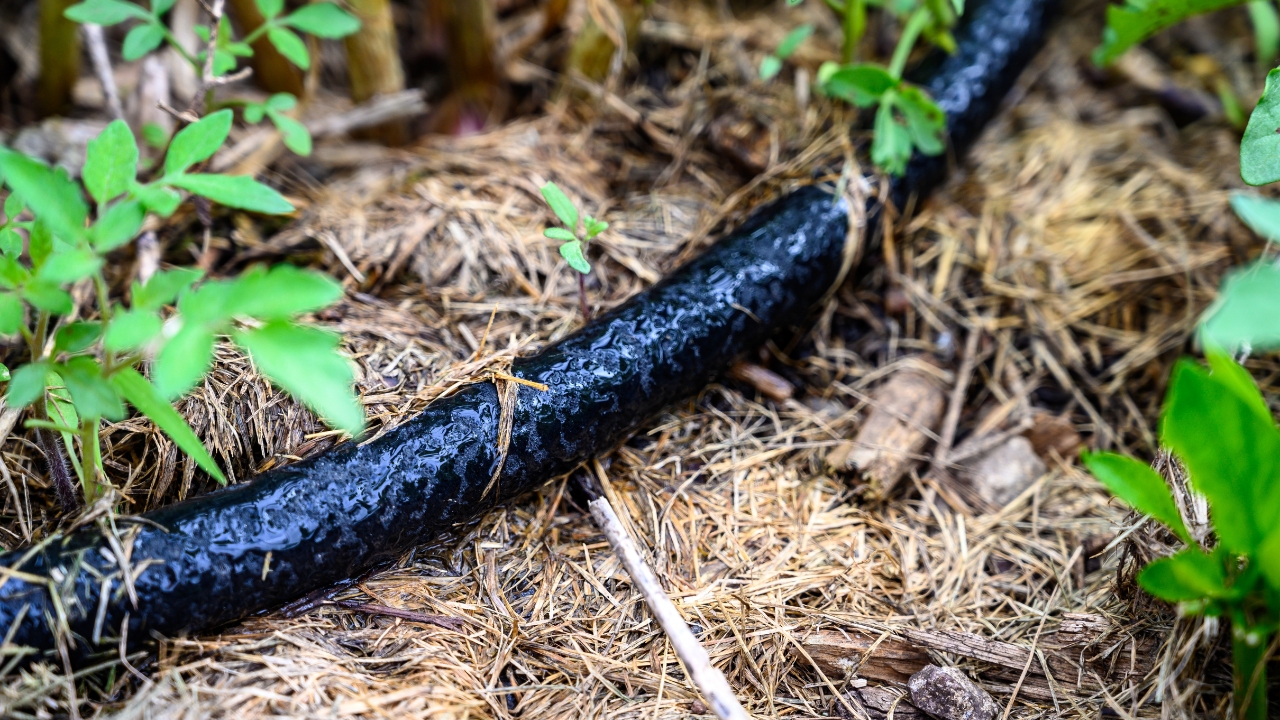
Not all hoses are made to be buried. Regular garden hoses can crack or rot over time if they’re not UV-stable or pressure-rated. If you’re planning to bury it, use a black poly irrigation line or a heavy-duty hose specifically designed for underground systems.
Check for Leaks Before You Cover Anything

Run water through the entire line and walk the length of it slowly. Look for drips at fittings, weak pressure, or damp spots. Even a small leak will be harder to find once it’s buried—and it’ll waste water or cause erosion without you noticing.
Test the Water Pressure at the End

If you’re running a hose a long distance, test the pressure at the far end before covering it. You want to make sure there’s enough flow to do what you need—whether that’s filling a trough or running a sprinkler. If pressure is low, you may need to upsize the hose or change your water source.
Use Proper Connectors, Not Makeshift Ones

Temporary fixes like duct tape or plastic couplers won’t hold up underground. Use proper barbed fittings and clamps or threaded connections made for irrigation. If it’s not built for pressure and moisture, it won’t last once it’s out of sight.
Avoid Sharp Bends or Kinks

Burying a hose that’s already kinked or twisted will restrict flow and eventually damage the hose. Lay it out flat first, smooth any curves, and anchor it with stakes or pins to keep the shape while you bury it.
Mark the Line Location Clearly

Once it’s underground, it’s easy to forget where it runs. Mark it with stakes, flags, or even draw it on a basic map of your property. You’ll thank yourself the next time you need to dig, install something new, or check for issues.
Keep It Shallow But Safe

You don’t need to bury hose lines deep—usually a few inches is enough to protect from UV and keep things neat. But make sure it’s not so shallow that a mower blade or shovel could cut it. Use edging or rocks to protect exposed ends.
*This article was developed with AI-powered tools and has been carefully reviewed by our editors.