What You Should Fix Now to Keep Animals From Getting Under the House
Photo credit: Patrick Hatt/Shutterstock.com
Once something gets under your house, it’s a hassle to get it out. The crawl space is warm, dark, and protected—perfect for animals looking for shelter or somewhere to nest. But you don’t have to wait for the scratching noises or the smell. A few key fixes can block off the usual entry points and save you from future trouble.
Broken or Loose Skirting
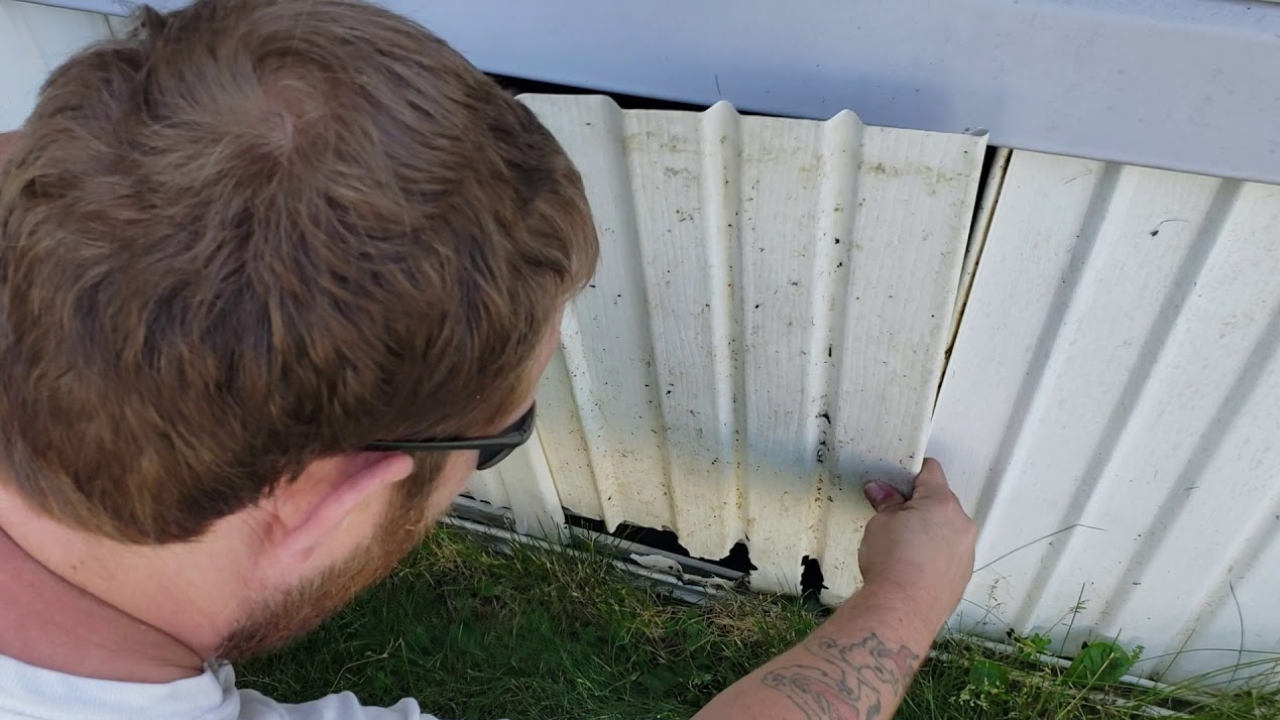
If you’ve got pier-and-beam or mobile home skirting that’s cracked or sagging, that’s an open invitation. Skunks, possums, and even coyotes can squeeze through faster than you’d expect.
Walk the full perimeter and fix any weak spots before something finds them. Even one loose panel is all it takes for an animal to move in and start digging deeper.
Gaps Around Pipes or Vents
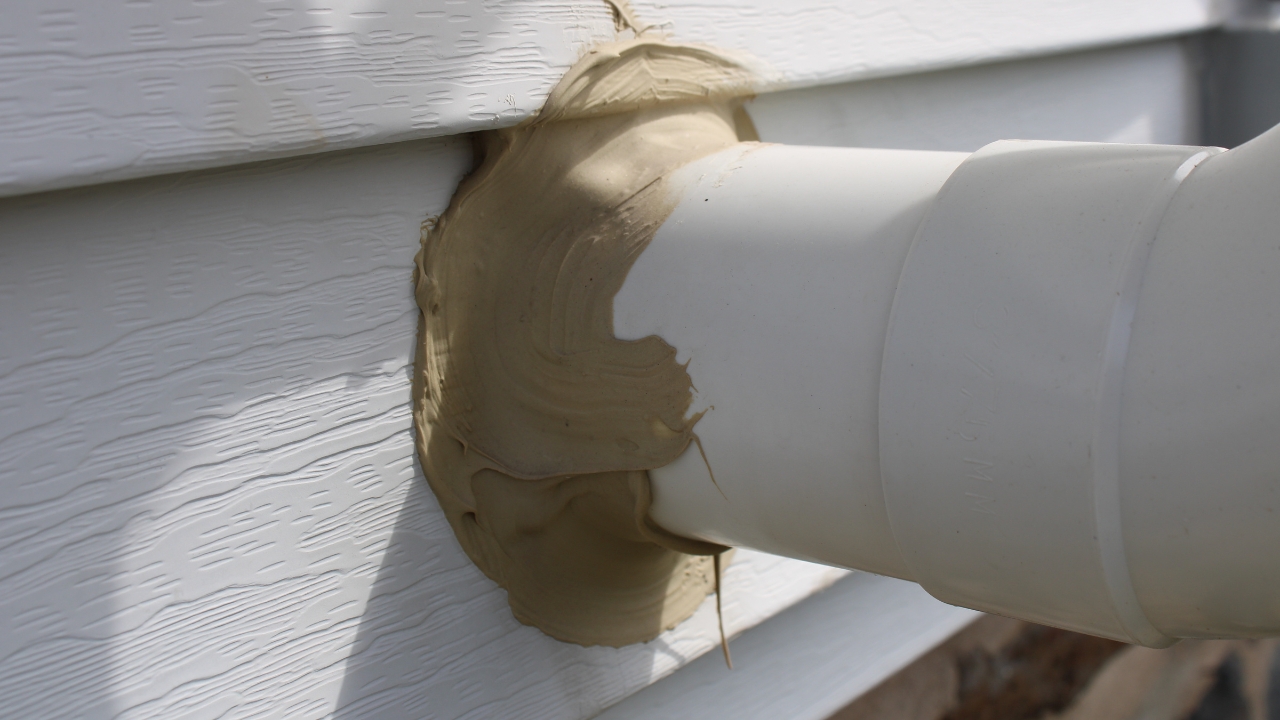
Any spot where plumbing or ductwork enters the house should be sealed tight. Foam or expanding sealant can work, but for larger gaps, use hardware cloth and caulk.
Animals can smell moisture and warmth coming from those areas and will target them. Don’t give them an easy route—they’ll take advantage of even a half-inch gap.
Unsealed Crawl Space Doors
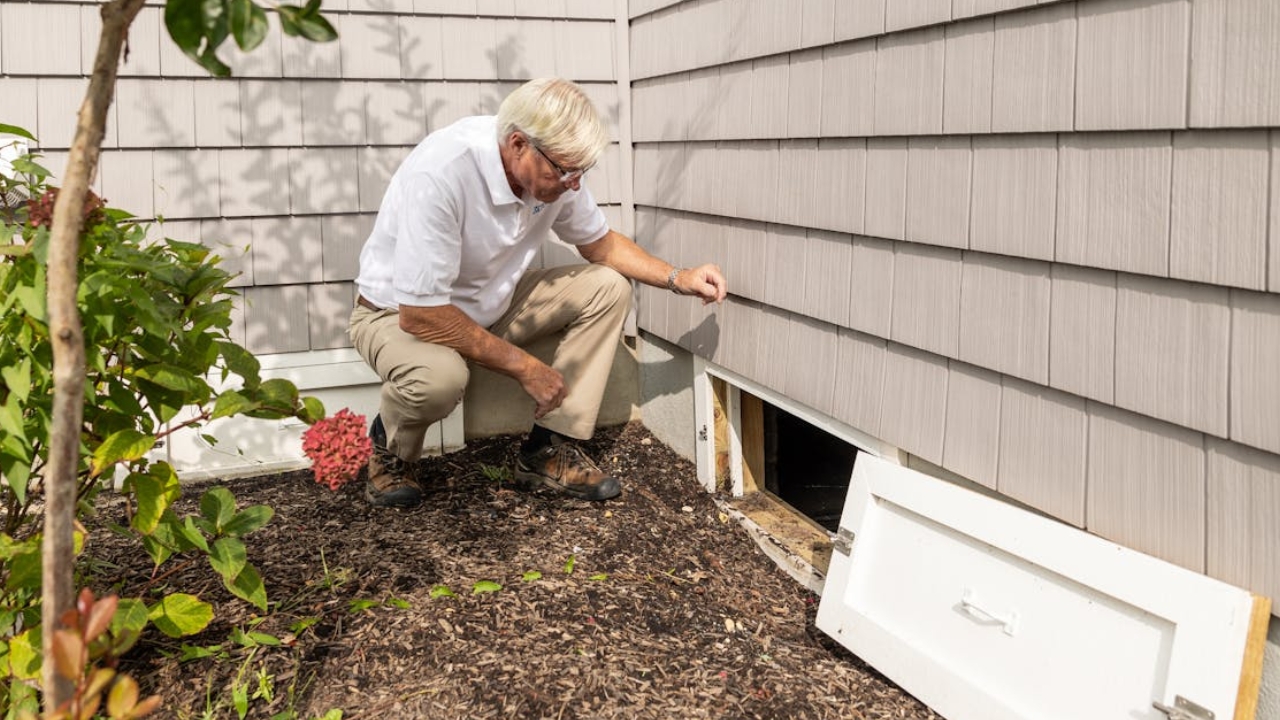
Crawl space doors often get warped, broken, or propped open—and animals are quick to notice. Make sure the latch works, the door sits flush, and the edges are reinforced.
If you’ve got a vent that’s been turned into a makeshift entry point, block it with metal mesh. Wood alone won’t stop a determined raccoon or skunk.
Debris Piled Near the Foundation
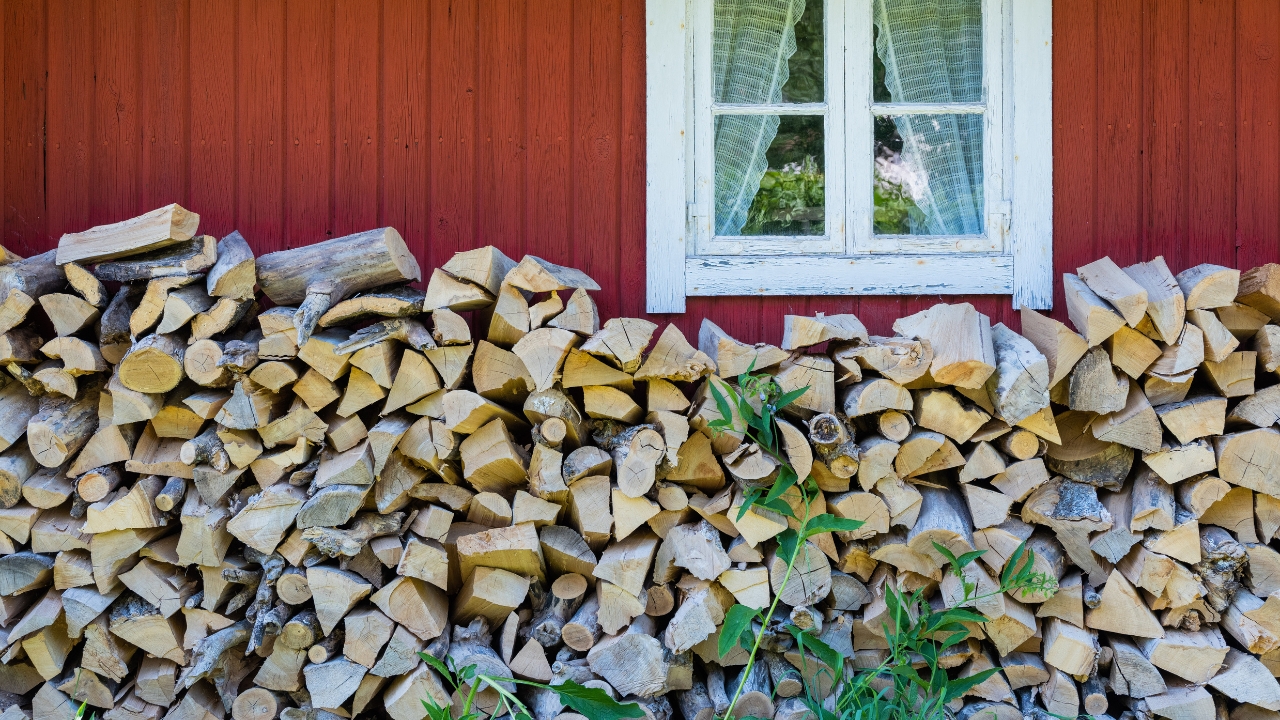
Stacks of wood, tools, or even flower pots near the base of your house can give animals cover to start digging. Clear that stuff back a few feet, minimum.
The less shelter you offer near your foundation, the less likely animals are to loiter and start nesting. Give them nowhere to hide, and they’ll usually move on.
Dirt or Mulch Pushed Too High
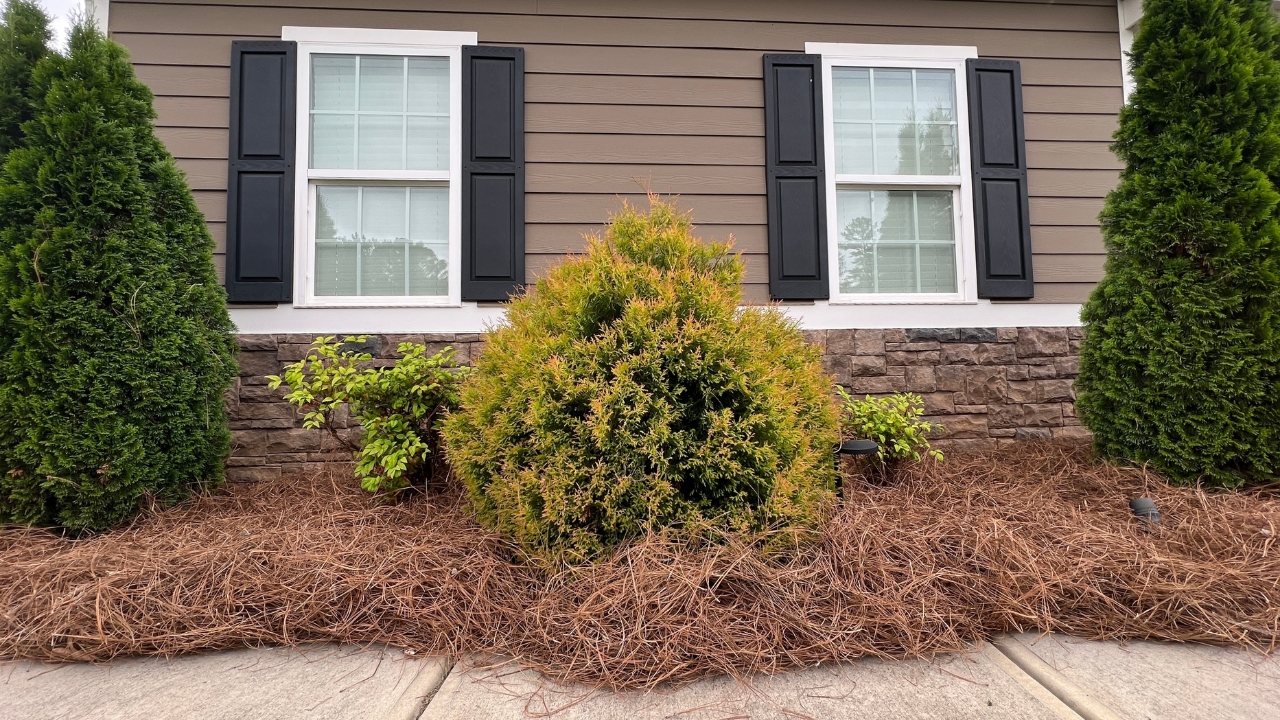
Mulch and soft dirt can make it easier for animals to dig right under your house. If it’s mounded up against your skirting, pull it back to create a barrier zone.
This also helps with moisture control and keeps insects out. It’s a small adjustment that adds up to fewer problems over time.
Gaps Under Steps or Decks
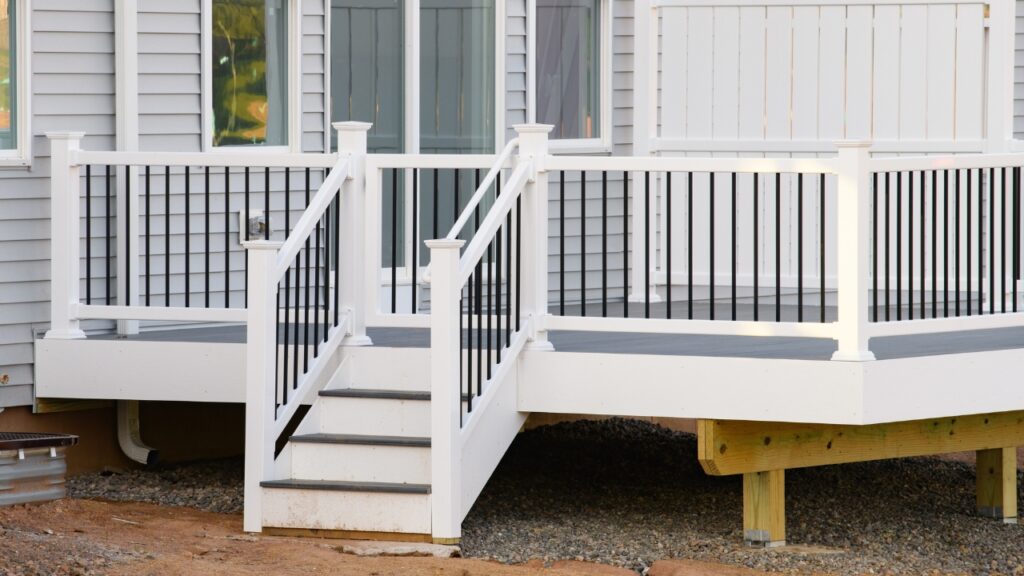
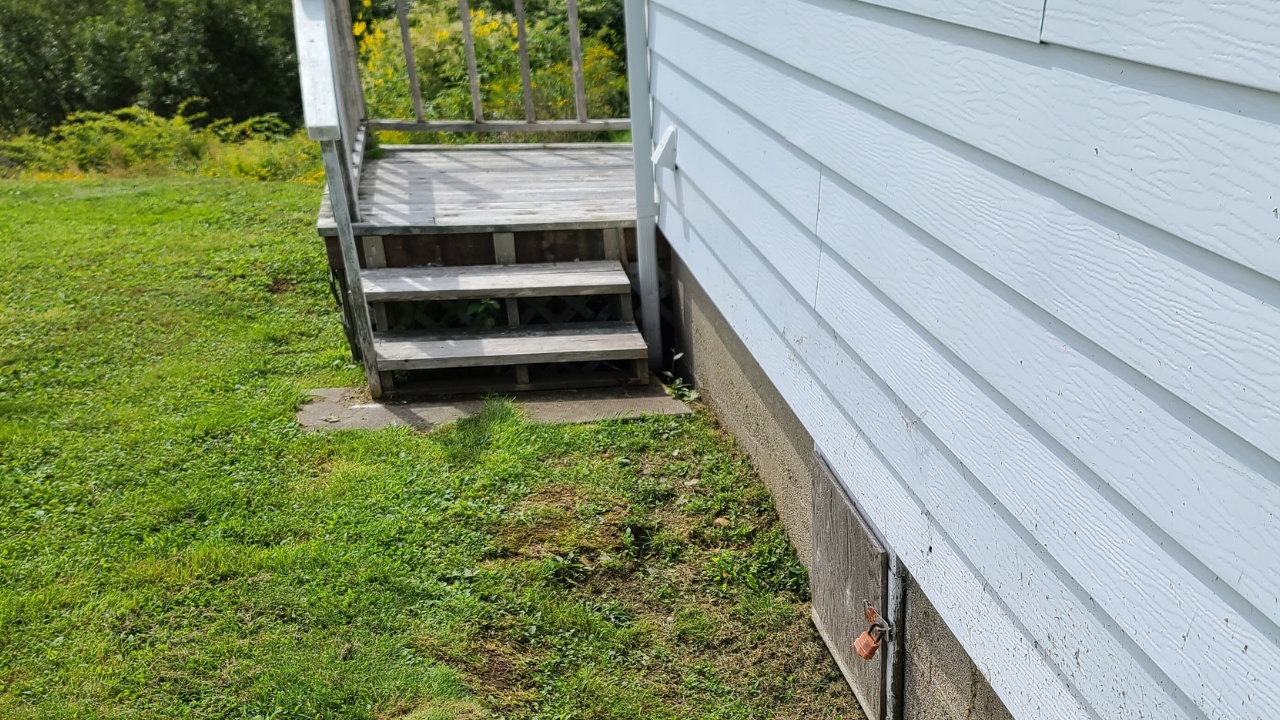
Animals often get in from the sides of small porches or under the front steps. If those aren’t enclosed, consider adding mesh or hardware cloth where the space is exposed.
Even a temporary solution can discourage them from nesting there—especially in winter or early spring when they’re looking for shelter.
*This article was developed with AI-powered tools and has been carefully reviewed by our editors.