What You Should Never Pour Down the Outdoor Sink
Photo credit: Coryn/Shutterstock.com
An outdoor sink seems like the perfect place to rinse messes and dump waste—but it’s still connected to a system that can clog, crack, or contaminate the wrong things. Whether it drains into your septic, graywater, or a dry well, certain materials can do more harm than you realize.
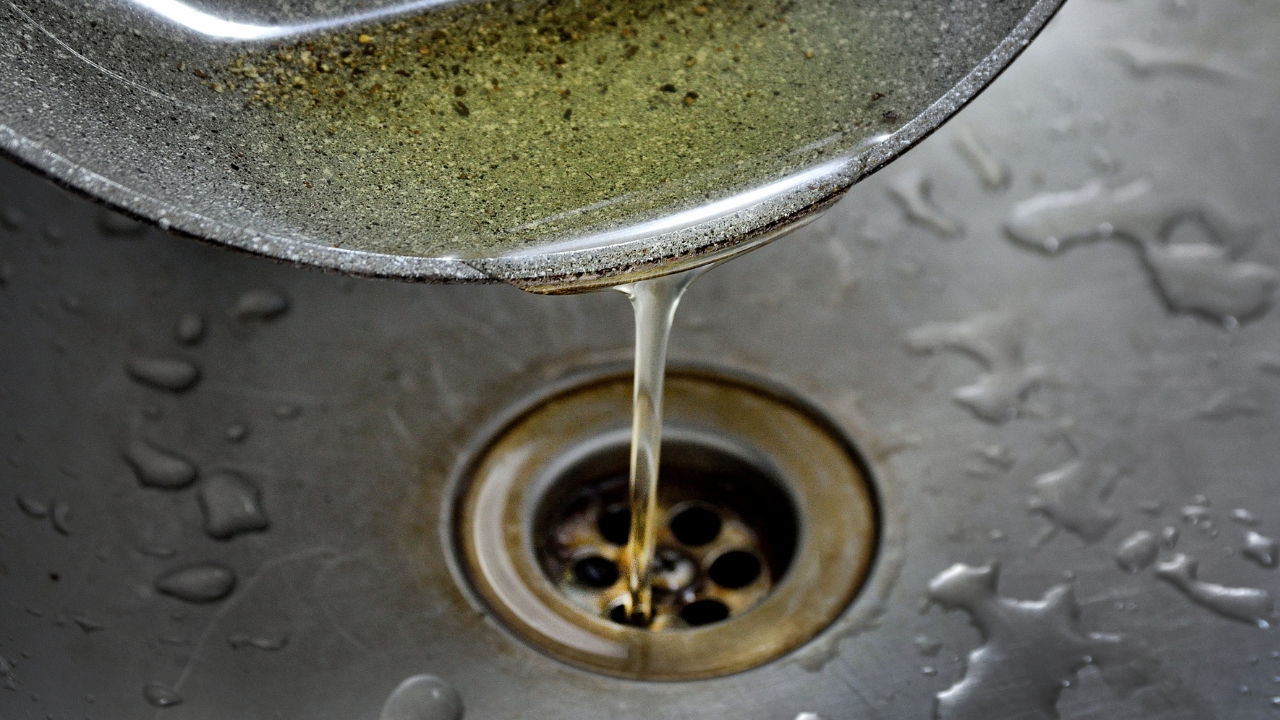
Grease or Fat
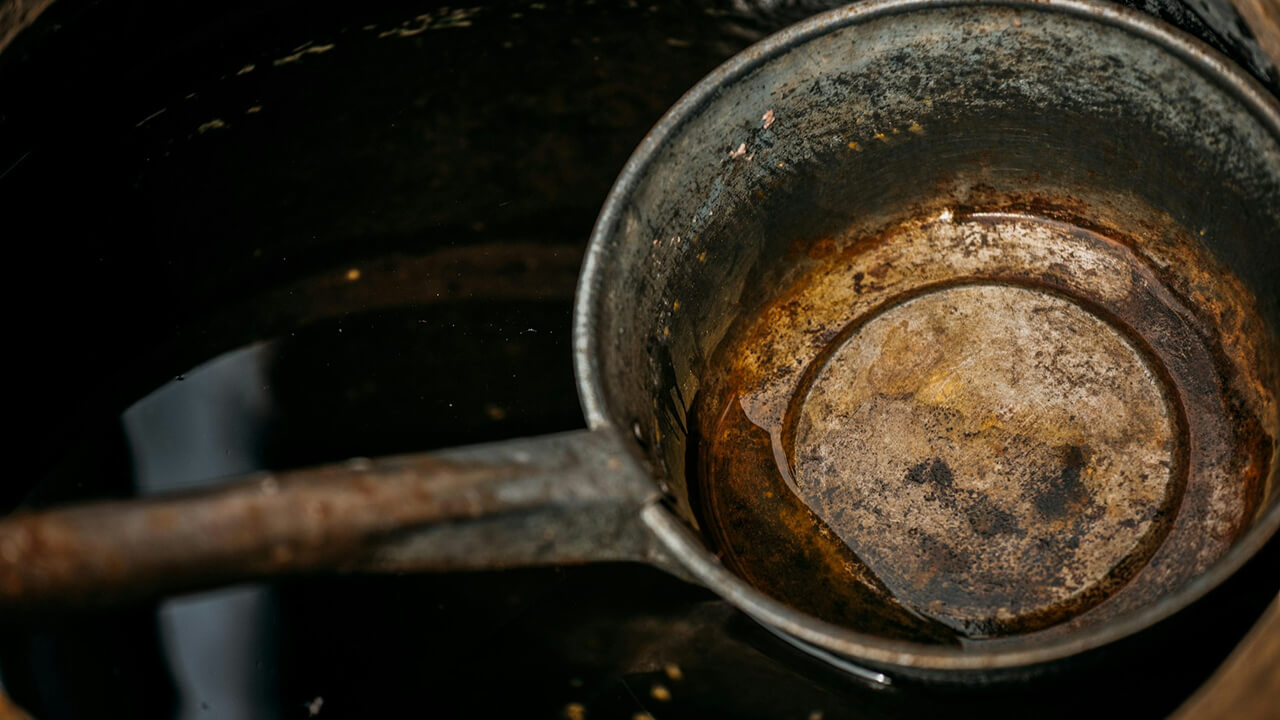
Even outside, grease hardens and sticks to the inside of the pipe. As soon as it cools, it starts collecting debris and slows down drainage. Over time, it can clog the whole line or back up into nearby fixtures. Scrape pans and dump grease in the trash instead.
Paint or Stain Rinse Water

Paints, solvents, and stains contain chemicals that can damage pipes or seep into the soil. Even if it’s water-based, it’s not safe for plants, animals, or groundwater. Let brushes dry out or rinse them over gravel where the runoff won’t cause issues.
Harsh Cleaners or Bleach

Outdoor sinks feel tough, but they’re often hooked to flexible PVC or soft fittings that don’t hold up to harsh chemicals. Bleach can corrode parts over time, especially in heat. Stick with biodegradable cleaners and rinse with plenty of water.
Garden Debris or Soil Sludge

Dumping a bucket of dirty planting water or soil-heavy runoff straight into the sink can clog your trap fast. That sludge settles and hardens, especially in summer heat. Knock heavy dirt or debris into the garden or compost pile first.
Leftover Concrete or Mortar Mix
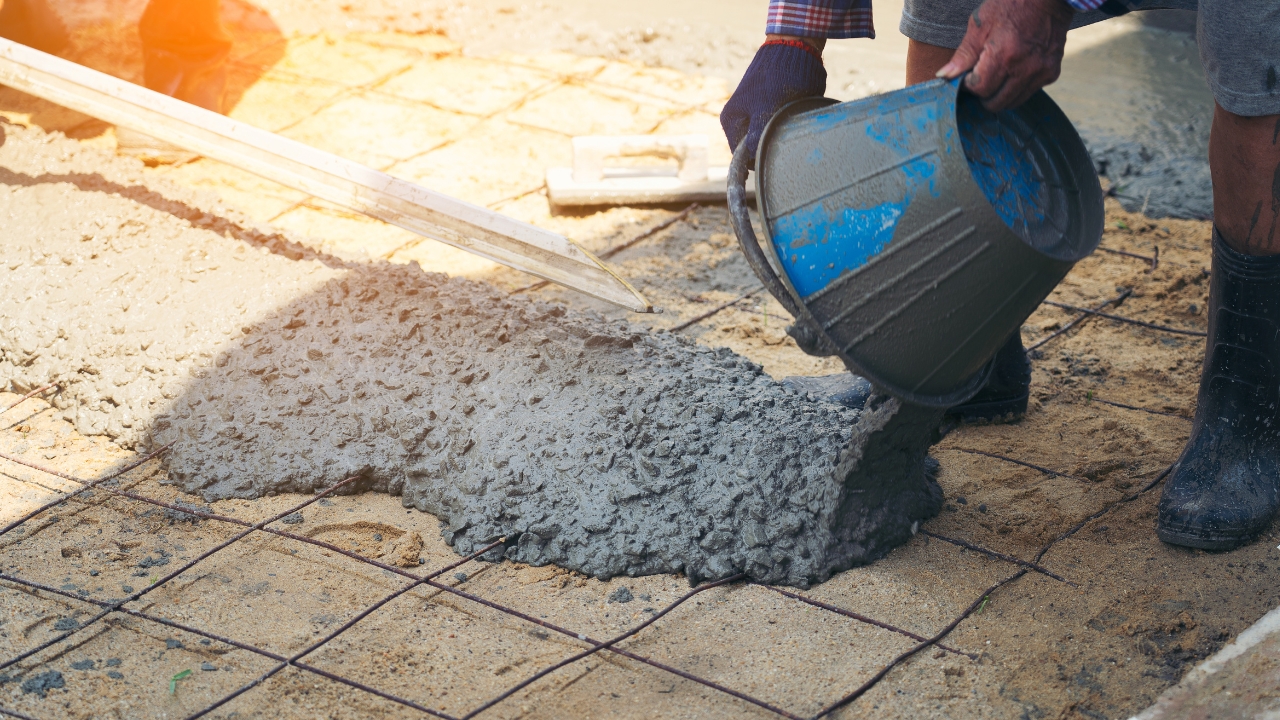
Even a little leftover grout or cement mix can harden inside pipes and create a major blockage. If you’re rinsing tools, do it in a bucket, then dispose of the water in a gravel bed or somewhere it can soak in without touching plumbing.
Food Scraps from Processing Meat or Produce
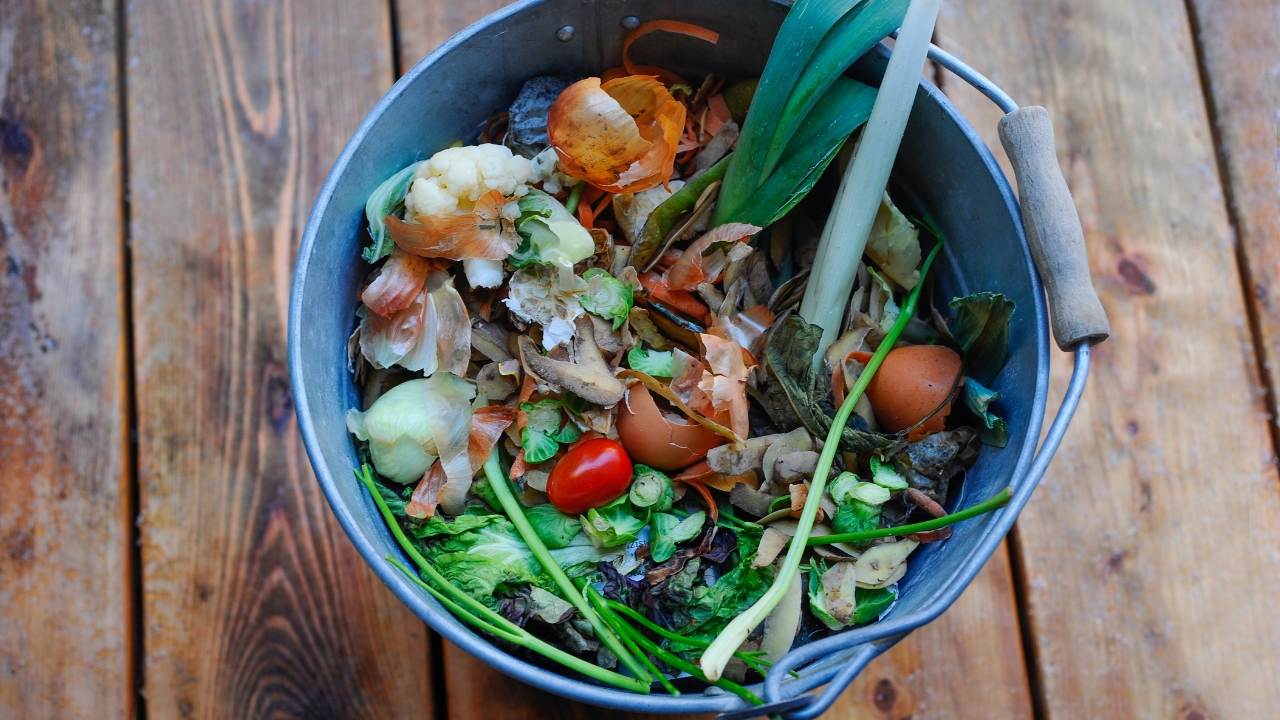
Animal fat, skins, or peels break down slowly and attract pests—especially if your outdoor sink drains into a French drain or graywater system. Toss all scraps in the trash or compost instead of flushing them through a system that can’t handle it.
Hot Cooking Water with Starch or Pasta Bits
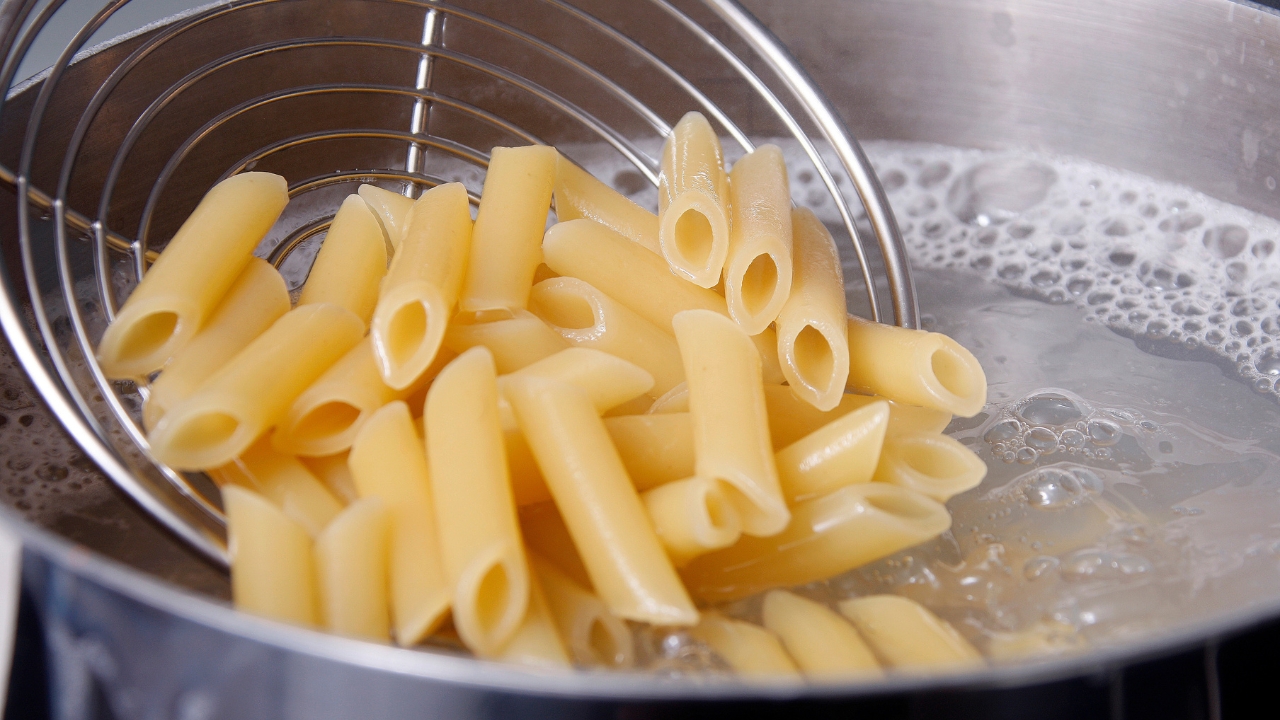
Starchy water thickens as it cools and can leave a film inside the pipe that builds over time. If it’s salty or hot, it can also damage seals or attract animals. Let it cool, then pour it in an out-of-the-way gravel area instead.
Paint Brush Cleaners or Mineral Spirits
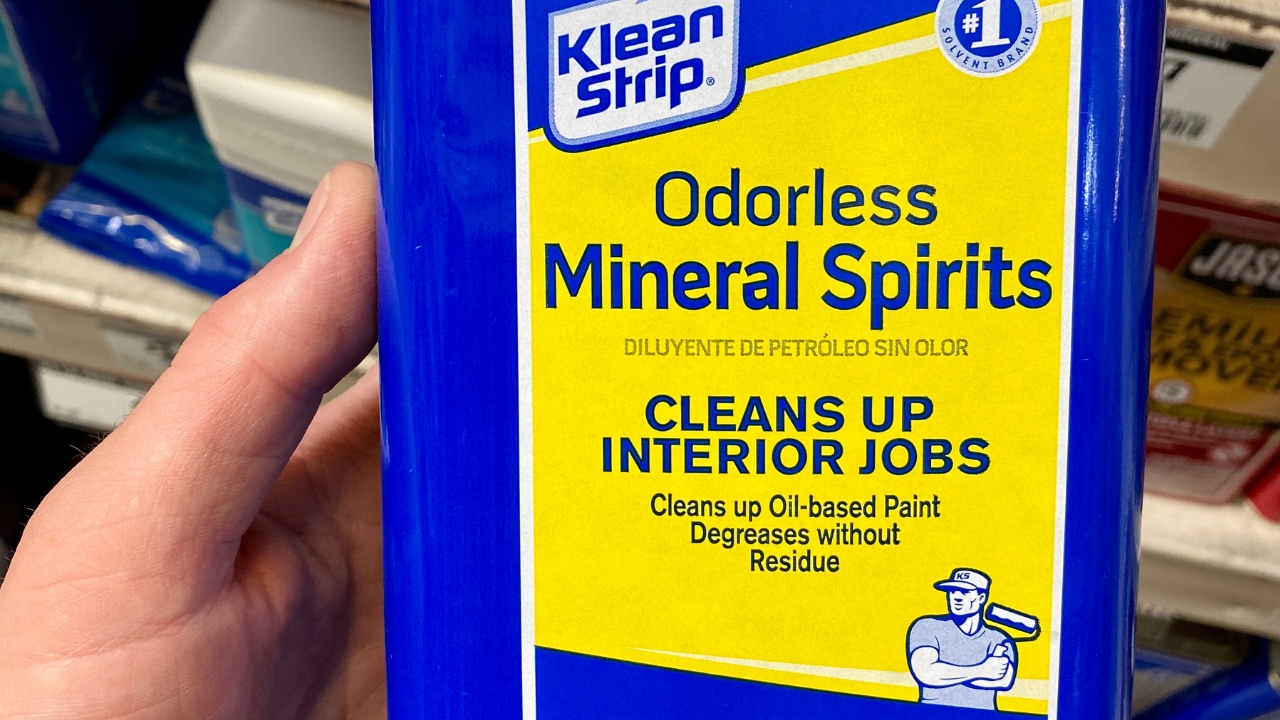
Solvent-based cleaners aren’t safe to rinse through most plumbing—indoors or out. They break down seals and leach into the ground. Dispose of them properly per label instructions or bring them to a local hazardous waste drop-off.
*This article was developed with AI-powered tools and has been carefully reviewed by our editors.