What You Should Power First When You’re Running on a Generator
Photo credit: Yarrrrrbright/Shutterstock
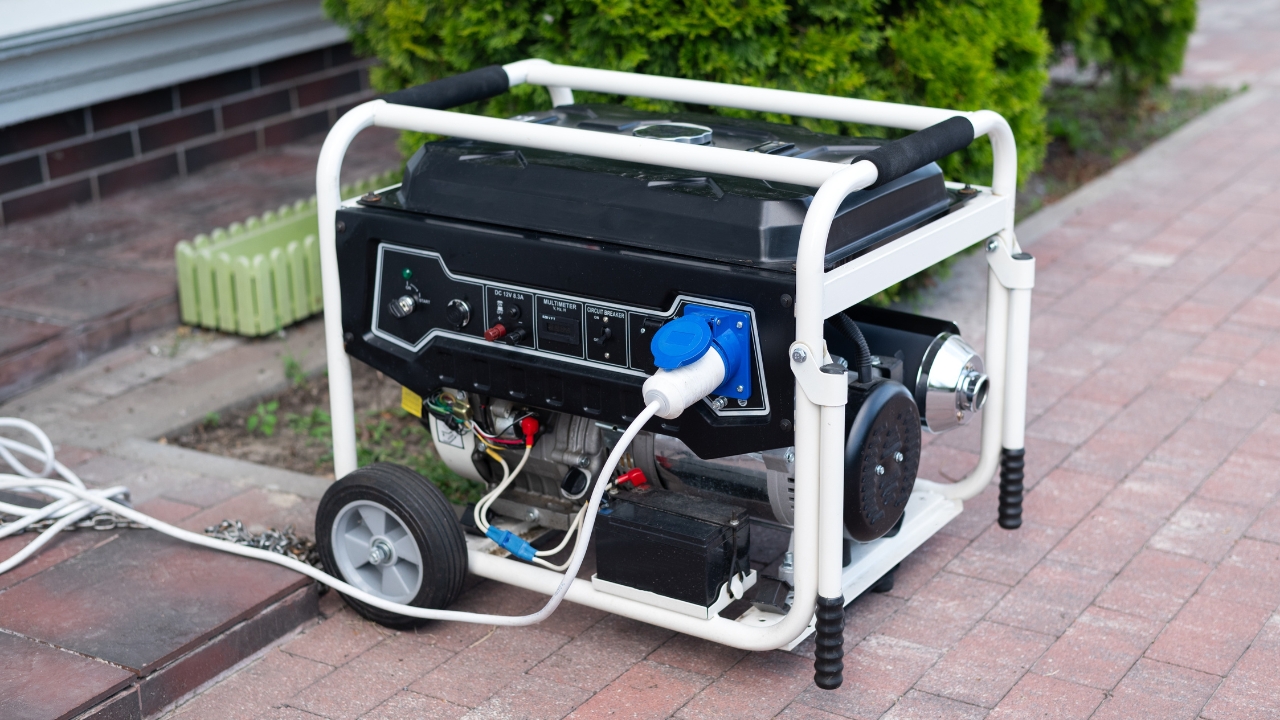
Running a generator gives you flexibility—but only if you know how to prioritize. You won’t be powering the whole house unless you’ve got a massive setup, so it’s all about keeping the right things running and avoiding overload.
Start with the basics, and don’t plug in anything extra until you’re sure the system can handle it.
Refrigerator or Freezer

The first thing you need to keep running is your fridge or freezer. Food spoils faster than most people think, especially if you’re opening it often. Plug in your fridge, let it run long enough to cool back down, and keep the door shut as much as possible.
Well Pump

If you’re on a well, getting water flowing again is high priority. Without a working pump, you’ve got no water for drinking, flushing, or cleaning. Most well pumps draw a decent amount of power, so make sure your generator is sized to handle the load.
Phone Charger or Power Bank

Communication matters during a power outage. A phone charger or power bank doesn’t draw much power and can keep your phone running long enough to check updates, make calls, or contact help. Prioritize charging devices early so you’re not scrambling later.
Lights in Key Areas
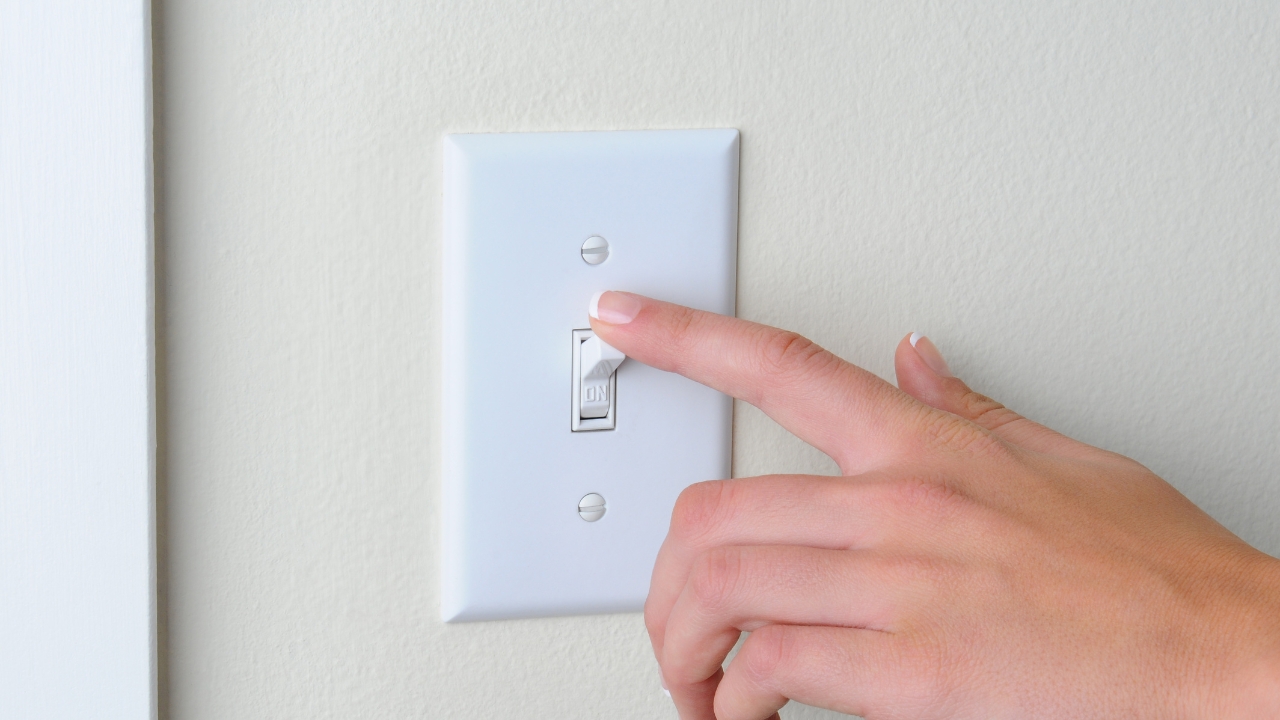
Skip lighting up the whole house. Focus on the kitchen, bathroom, and one main living area. Use LED bulbs if you can—they use way less energy and still provide plenty of light. Battery lanterns or headlamps can fill in the gaps if needed.
Medical Equipment

If someone in your house relies on powered medical gear—CPAP, oxygen, refrigerated meds—those take top priority. You should already know how much wattage that equipment needs and have a backup plan to keep it running safely.
Fans or Heaters (If Safe and Necessary)
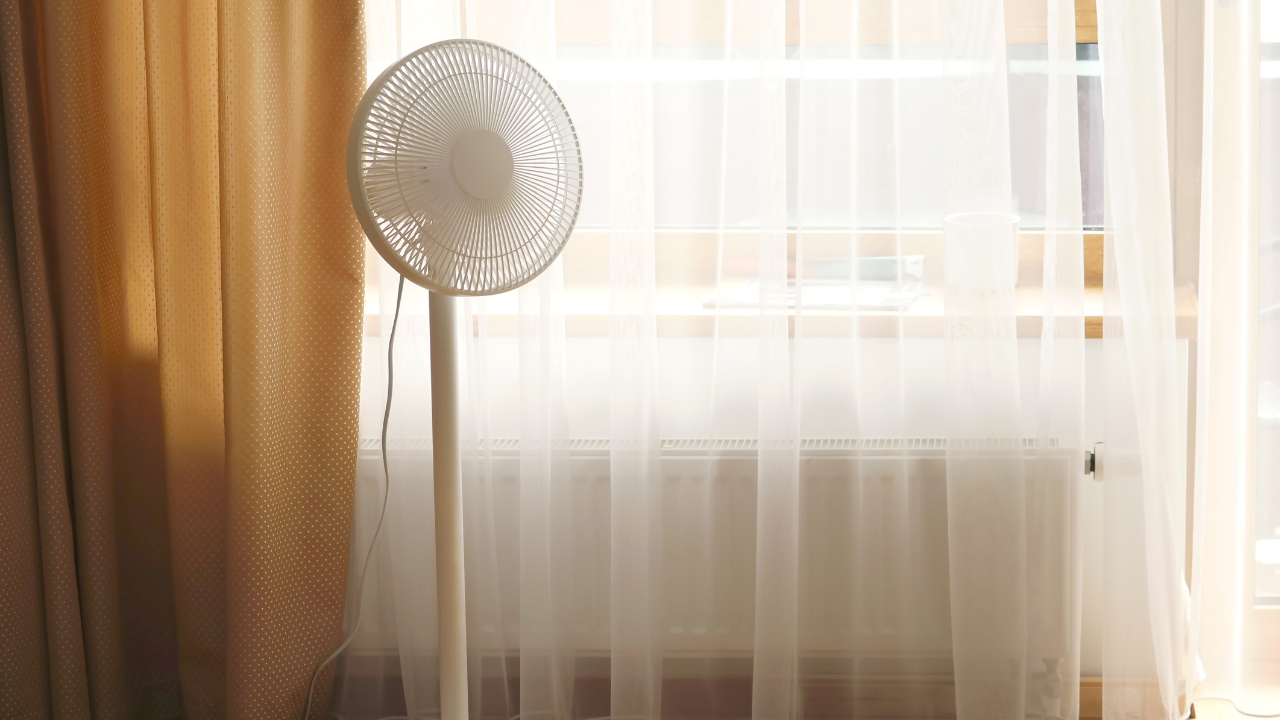
Climate control gets tricky during outages. If it’s dangerously hot or cold, you might need a small fan or space heater. These pull more power than people expect, so only run them if your generator can handle the load, and never plug them into a cheap extension cord.
Coffee Maker or Hot Plate (Sparingly)

Hot food and drinks can go a long way in a rough situation, but heating elements are energy hogs. If your generator has the extra power, run a hot plate or drip coffee maker for a few minutes, then unplug it. Don’t leave anything like that running unattended.
Freezer on a Rotation
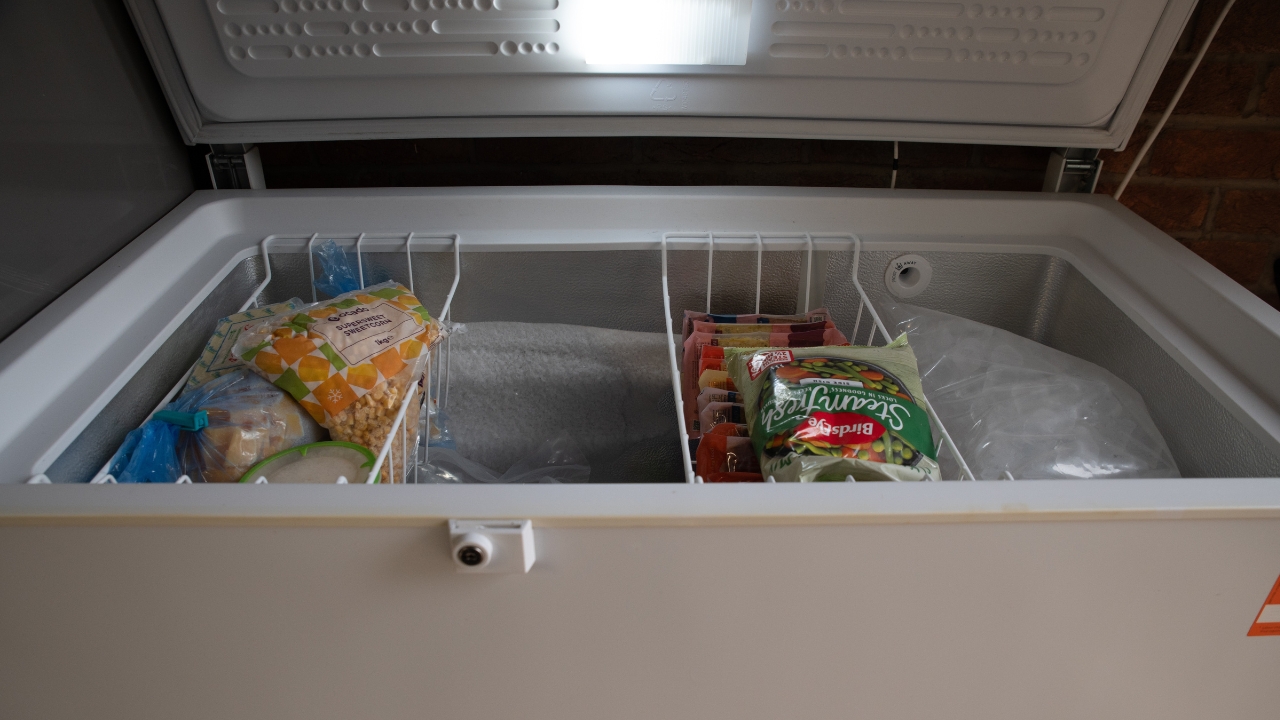
If your freezer is separate from your fridge, you can plug it in for short bursts to keep things cold. An hour or two every few hours is usually enough. This method saves power while still protecting what you’ve stored.
Internet Router (If You Still Have Signal)

Sometimes the internet still works even when the power doesn’t. If you’ve got service and the router’s your only hurdle, go ahead and plug it in. It doesn’t pull much power and can help you stay updated without using your phone’s data.
Washing Machine (Only If You Must)
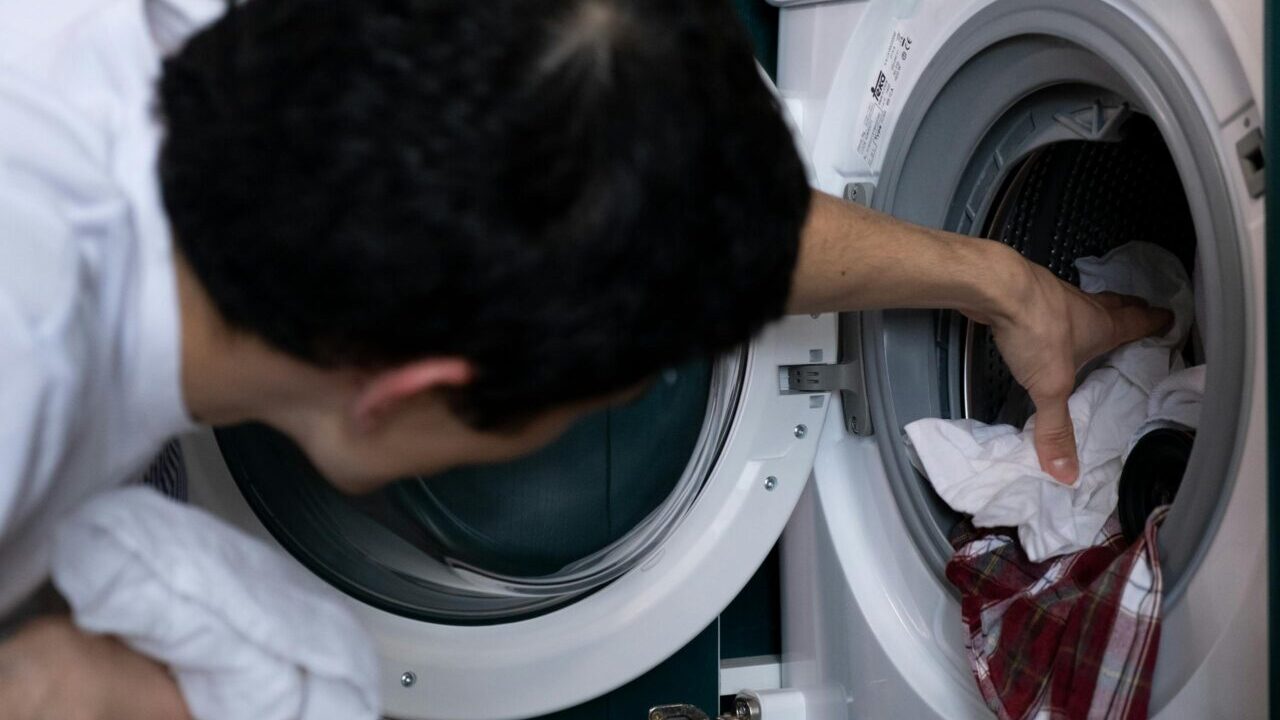
If the outage stretches out and laundry becomes necessary, you can run a small load in a high-efficiency washer. Skip the dryer—hang things out to dry. Don’t run this unless you’ve got a generator big enough to handle the surge when it starts.
*This article was developed with AI-powered tools and has been carefully reviewed by our editors.