What You Shouldn’t Use for Temporary Fencing (Even If It’s Cheap)
Temporary fencing sounds easy enough until the animals start testing it—or the weather does. A lot of folks try to cut corners here because it’s not permanent, but bad temporary fencing causes more long-term problems than most realize.
If it can’t hold up, contain animals, or withstand a storm, it’s going to fail when you need it most.
Pallets That Aren’t Staked or Secured

Loose pallets might seem like a cheap option, but without anchoring, they’re barely a barrier. Animals can push through them, and wind can knock them over fast. If you’re going to use pallets at all, they need to be driven into the ground and reinforced.
Rope or Twine Without Tension

Throwing up twine or poly rope with a few posts might look fine for a minute, but saggy lines are a joke to livestock. If they can duck under or lean through it, they will. And once one figures it out, the rest will follow. If you can’t keep tension, skip it.
Uncoated Chicken Wire

Chicken wire rusts fast, especially when it’s dragged around or left in the elements. It’s also easy to tear or crush, and it doesn’t hold shape well if you’re moving it often. It’s not meant to be structural, and it definitely won’t stop larger animals.
Plastic Snow Fencing

Those orange mesh rolls are good for crowd control, not livestock. They tear in the wind and collapse under any real weight. Goats, dogs, or even chickens will get through it fast. It looks like a barrier but doesn’t act like one once pressure hits.
Rebar Without Caps or Supports
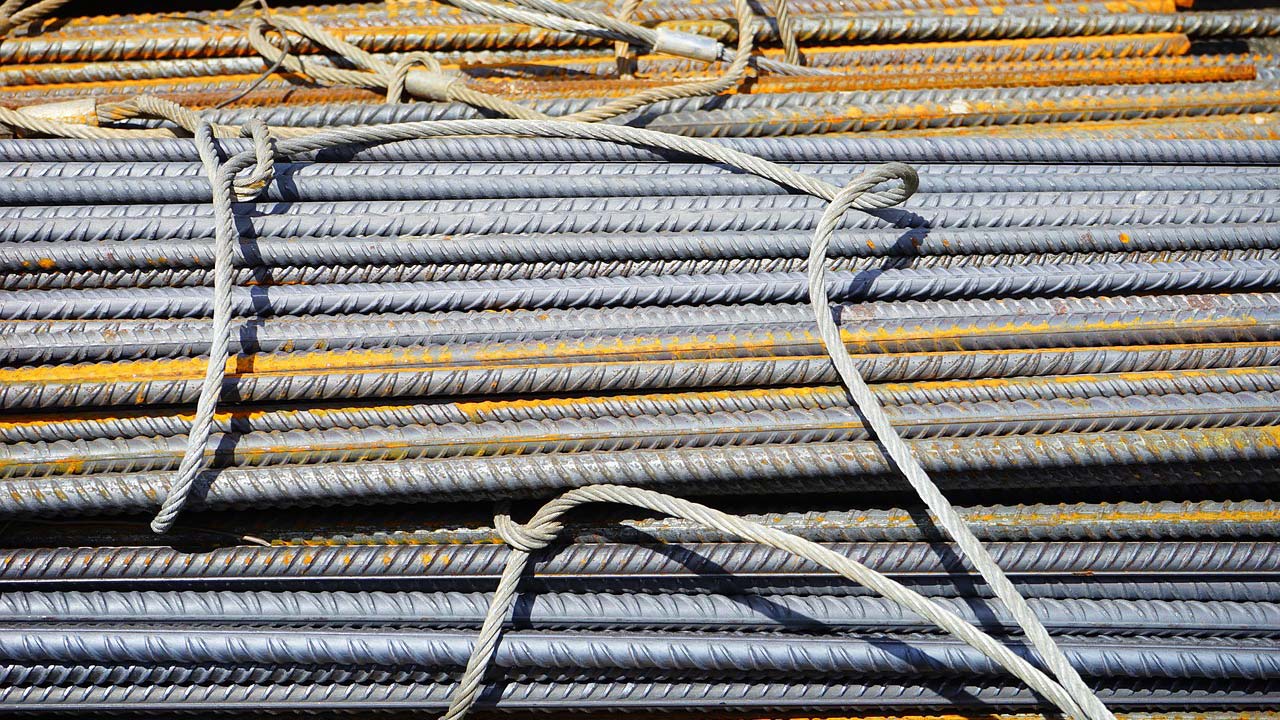
Rebar stuck in the ground might feel like a good quick post, but it’s not tall enough or stable enough on its own. It bends, rusts, and creates safety issues if left uncovered. And with nothing solid to tie to, your whole fence will shift or collapse.
*This article was developed with AI-powered tools and has been carefully reviewed by our editors.