10 Pricey Homesteading Mistakes You Can’t Afford to Make
Image Credit: OUTDOOR_MEDIA/ Shutterstock.
Homesteading isn’t cheap, and I’ve learned that the hard way. Some mistakes might seem small at first, but they can drain your budget faster than you’d think. The worst part? A lot of them are completely avoidable if you know what to look out for.
I’ve made my share of expensive mistakes, and I’ve watched others do the same. Some things you figure out as you go, but when it comes to your time and money, it’s better to learn from someone else’s slip ups. Here are the ones that can cost you the most.
1. Jumping in Without a Plan

Homesteading takes more than just a dream and a patch of land. Without a clear plan, you’ll waste money fixing mistakes that could have been avoided. Water access, fencing, shelter, and food production all need to be thought through before you start.
Too many people rush in, only to realize they don’t have a solid water source or that their land isn’t ideal for livestock. Take time to research, plan, and set up the basics before making big purchases. A little patience now saves a lot of money later.
2. Ignoring Soil Quality
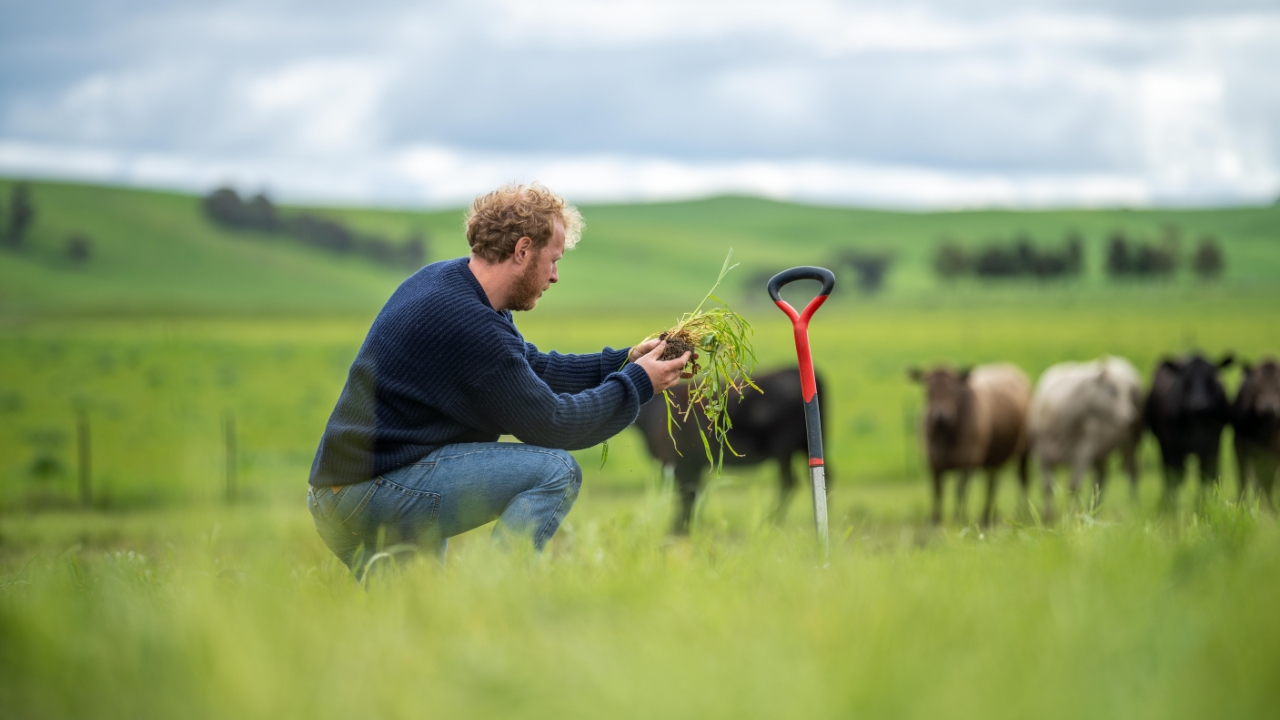
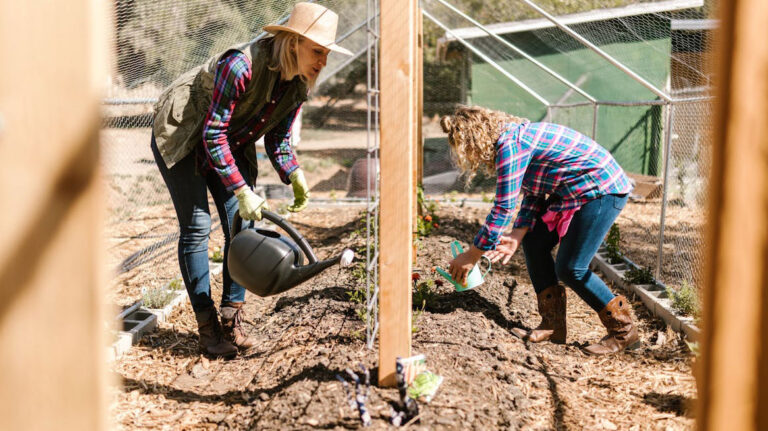
If your soil is poor, your garden won’t thrive—no matter how much effort you put in. A lot of new homesteaders assume they can fix bad soil as they go, but repeated failed harvests and endless amendments get expensive fast.
Start with a soil test. It’ll tell you exactly what your land needs and keep you from throwing money at the wrong solutions. Healthy soil is the foundation of a productive homestead, and skipping this step can cost you years of frustration.
3. Overstocking Livestock Too Soon
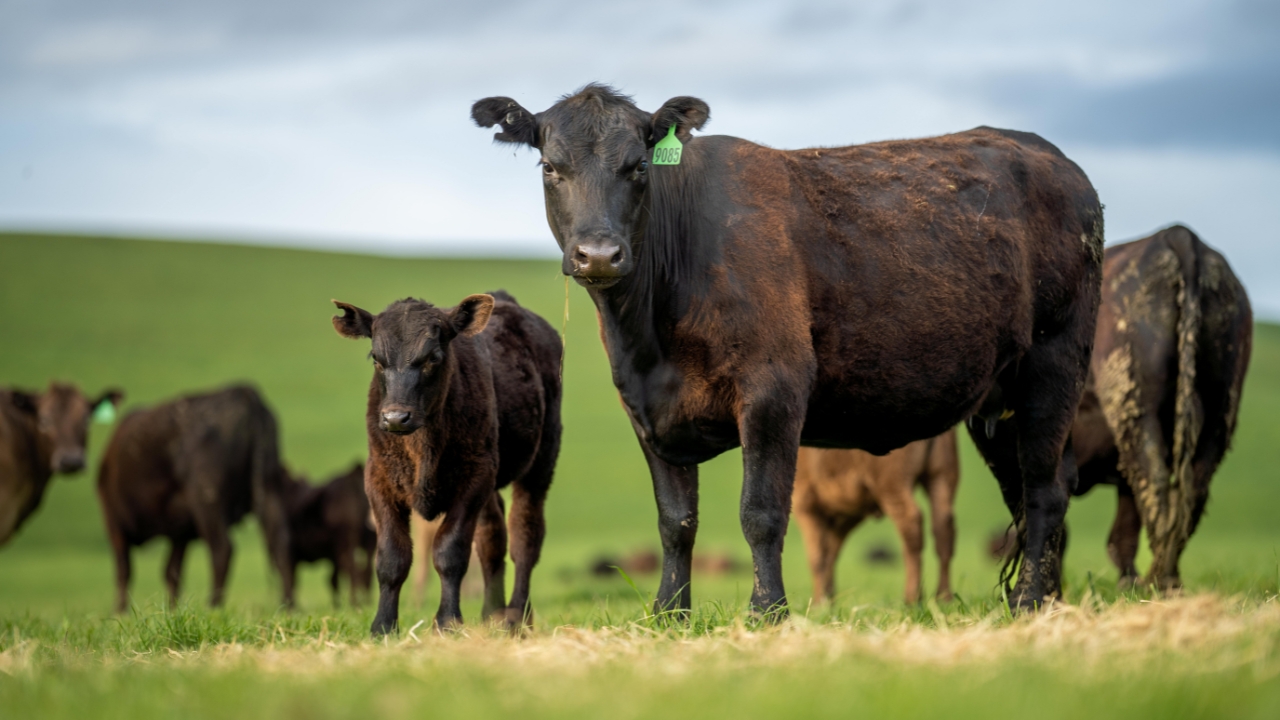
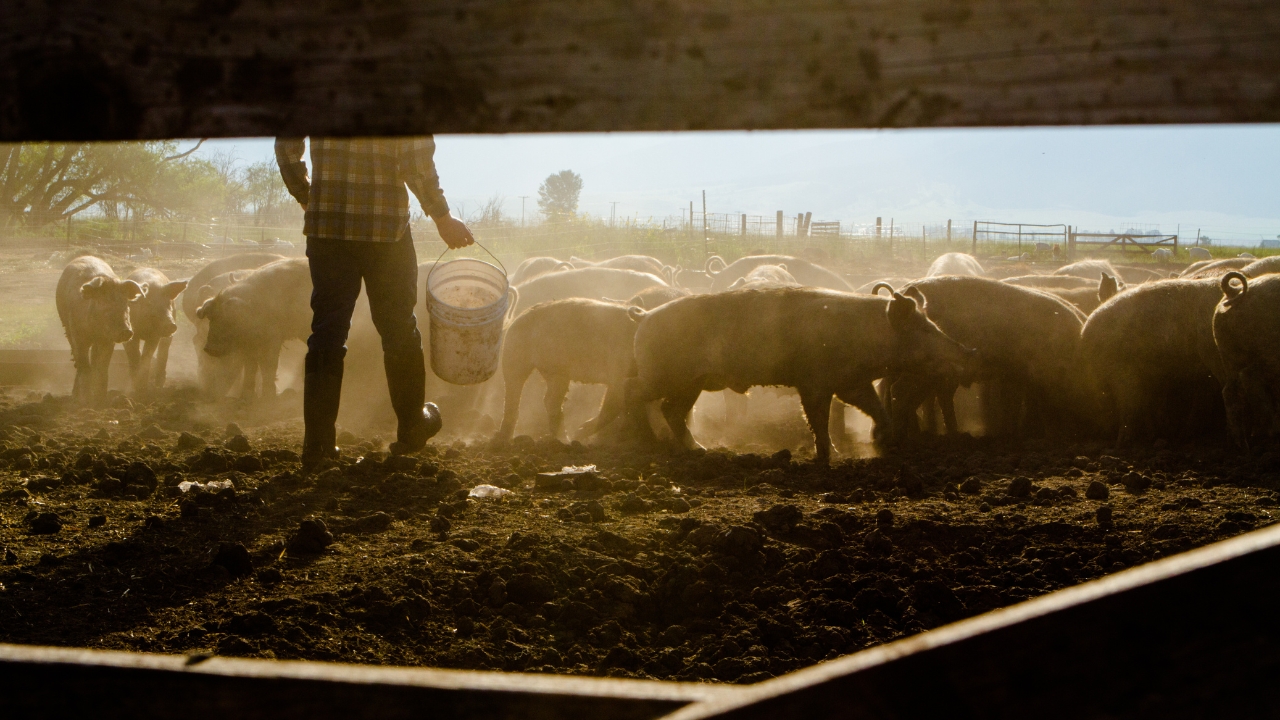
Animals are great, but they’re also a massive responsibility. Bringing in more than you’re ready for leads to expensive mistakes—like running out of feed, struggling with inadequate fencing, or dealing with unexpected vet bills.
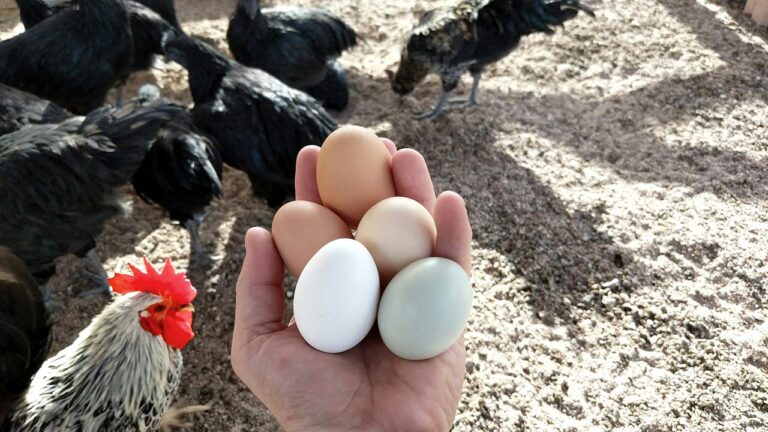
Start small and scale up as you learn. It’s easier to manage a few chickens than a whole flock, and you’ll have time to build the right infrastructure before adding more mouths to feed. Rushing in with too many animals usually ends in stress and lost money.
4. Building the Wrong Fencing
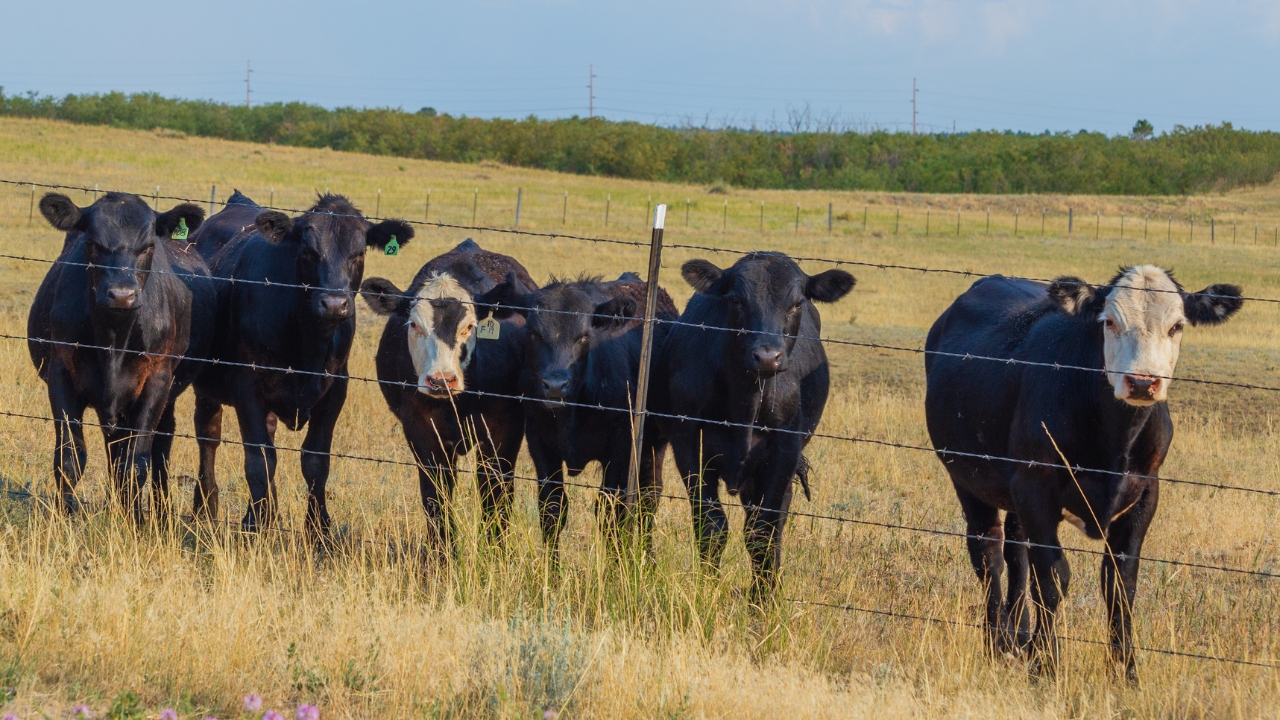
Good fencing isn’t cheap, but bad fencing is even more expensive. If your livestock can push through, predators can get in, or the materials rot too quickly, you’ll end up replacing it sooner than expected.
Invest in the right fence for the right job. Goats need stronger fencing than chickens, and high-tensile wire works better for cattle than cheap welded wire. Skimping on this upfront usually means you’ll be fixing (or completely replacing) your fence within a year.
5. Underestimating Feed Costs

It’s easy to overlook how much feed your animals will actually need, especially when feed prices fluctuate. A mild winter might be fine, but a harsh one could double your expenses—and if you’re not prepared, you’ll feel it.
Buy in bulk when possible and look into alternative feed sources like pasture rotation or scraps from local businesses. Having a backup plan, like growing your own feed or supplementing with forage, can help keep costs under control.
6. Skipping Backup Water Sources
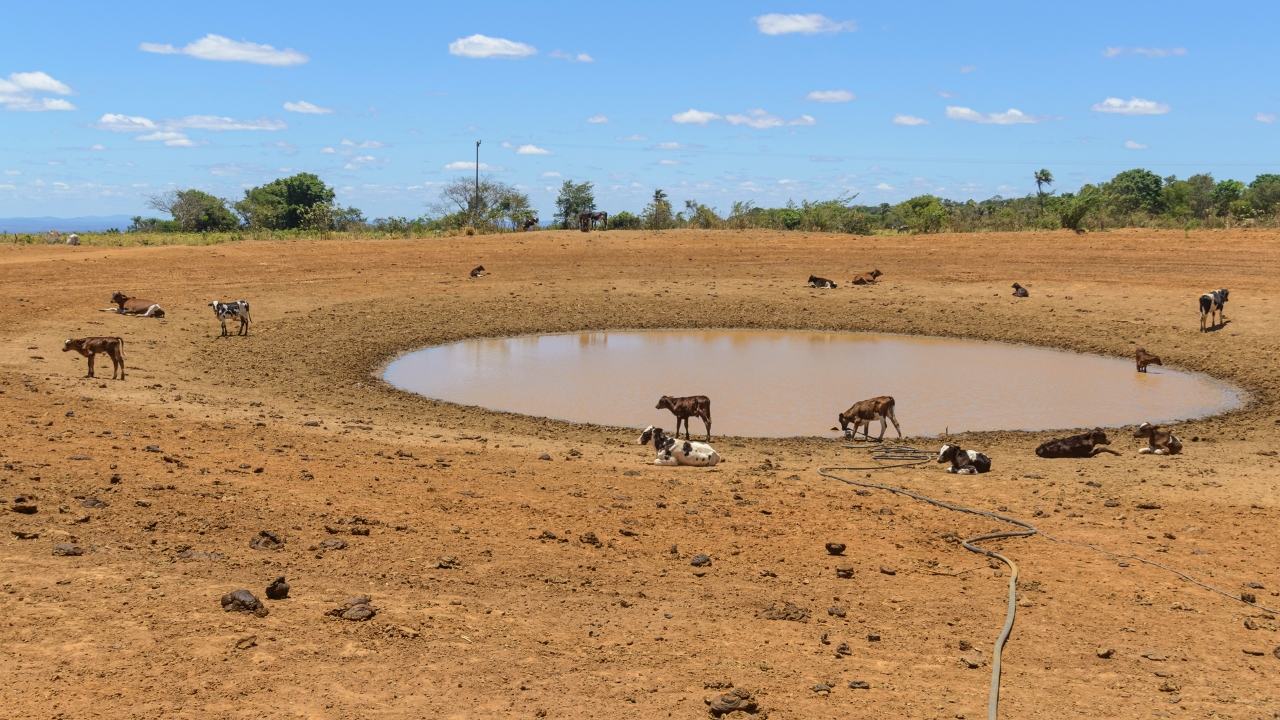
Water problems can shut down your homestead fast. A well pump failure, a frozen line, or a drought can leave you scrambling for solutions—ones that are always more expensive in an emergency.
Have a backup plan before you need it. Rainwater catchment, extra storage tanks, or even just a manual pump can save you from costly last-minute fixes. Water is non-negotiable, so don’t wait until you’re in a bind to figure it out.
7. Buying Equipment You Don’t Need
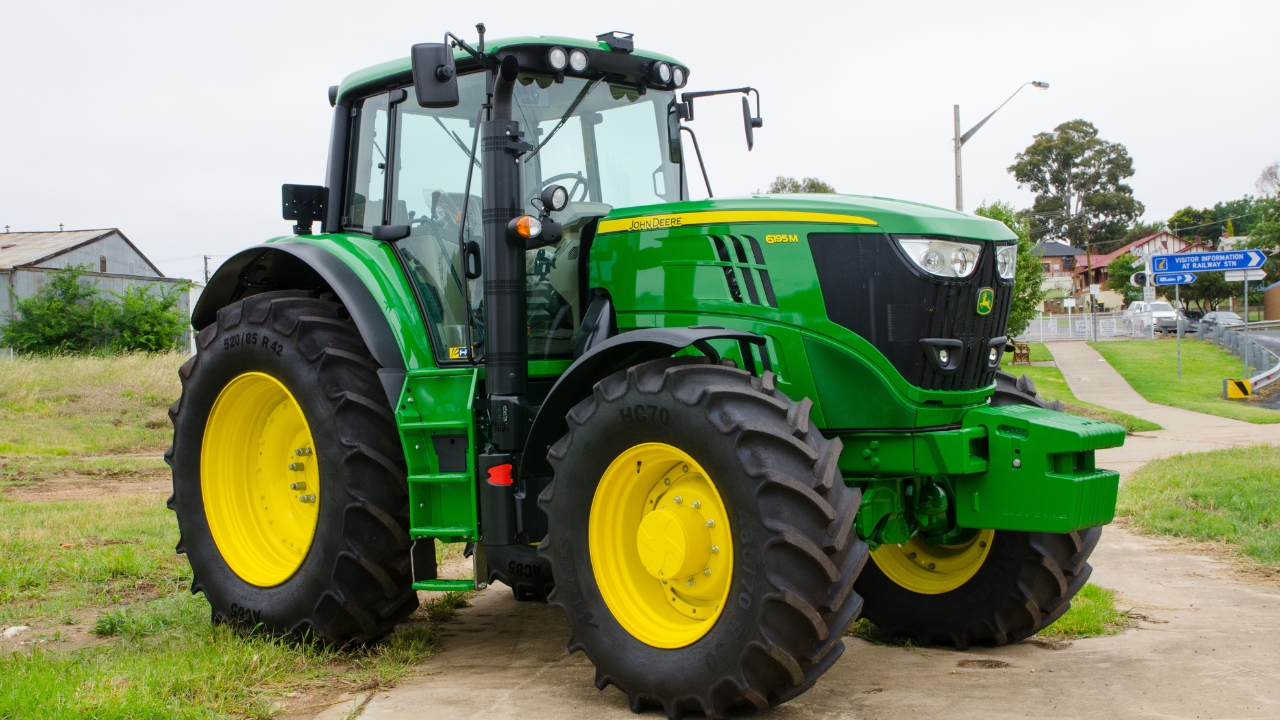
A brand-new tractor might seem like a must-have, but if you don’t actually need it, it’s a financial drain. A lot of new homesteaders buy big-ticket equipment too soon, only to realize they could have gotten by with something simpler.
Start with the basics—hand tools, a good wheelbarrow, maybe a small tiller if you’re gardening seriously. As your homestead grows, you’ll get a better idea of what equipment is actually necessary. Otherwise, you’ll end up with expensive gear that collects dust.
8. Not Preparing for Predators

Predators are a fact of life on a homestead. Coyotes, raccoons, hawks, and even neighborhood dogs will go after your animals if they get the chance. Losing livestock isn’t just heartbreaking—it’s expensive.
Don’t wait until after you’ve lost animals to set up protection. Build secure coops, use electric fencing where needed, and consider livestock guardians like dogs or donkeys. Prevention is always cheaper than replacing lost animals.
9. Underestimating Maintenance Costs

Homesteading isn’t just about building—it’s about maintaining. Everything wears down over time, from fences to barns to the tools you rely on every day. If you don’t budget for upkeep, small issues will turn into costly repairs.
Routine maintenance goes a long way. Checking fences, servicing equipment, and keeping buildings in good shape prevents expensive breakdowns. It’s easy to focus on big projects, but neglecting upkeep will cost you more in the long run.
10. Thinking You Can Do It All at Once
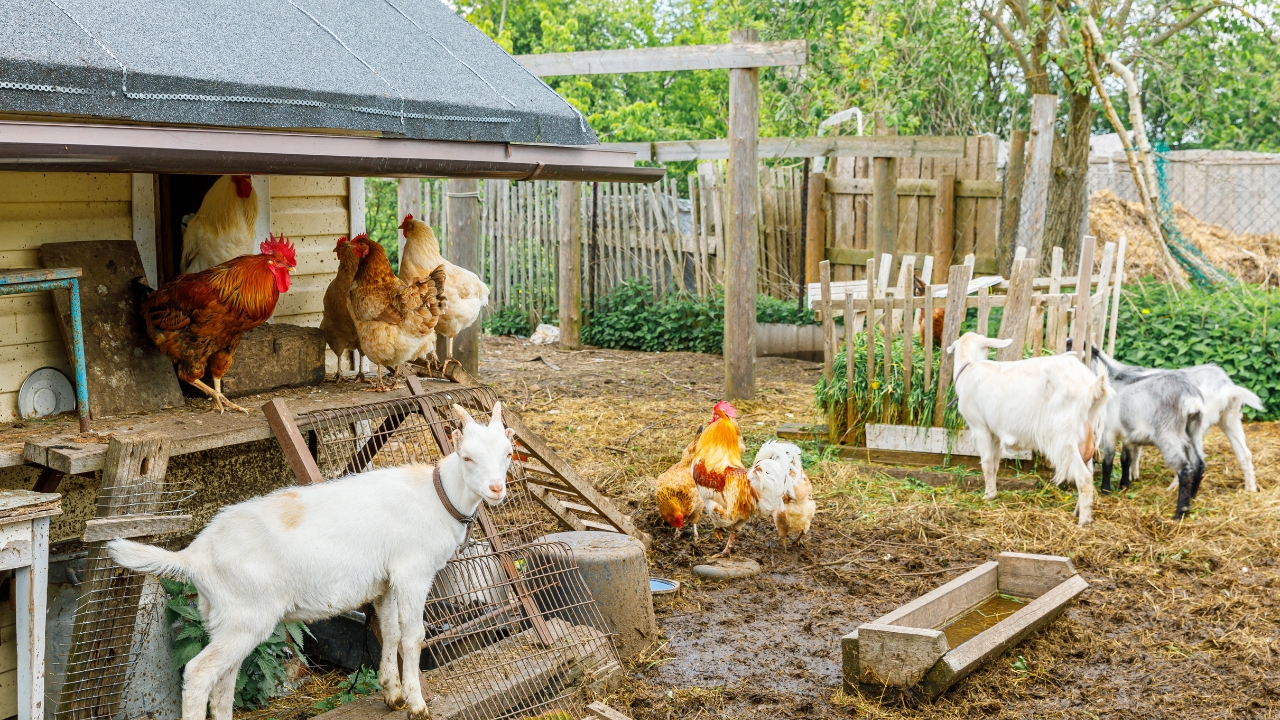
It’s tempting to dive into everything—gardening, livestock, preserving food—all in your first year. But spreading yourself too thin leads to burnout and wasted money on projects that don’t pan out.
Homesteading is a long-term commitment. Start with one or two projects, learn as you go, and expand from there. This approach keeps you from wasting money on things you’re not ready for and makes sure each part of your homestead is set up for success.
*This article was developed with AI-powered tools and has been carefully reviewed by our editors.