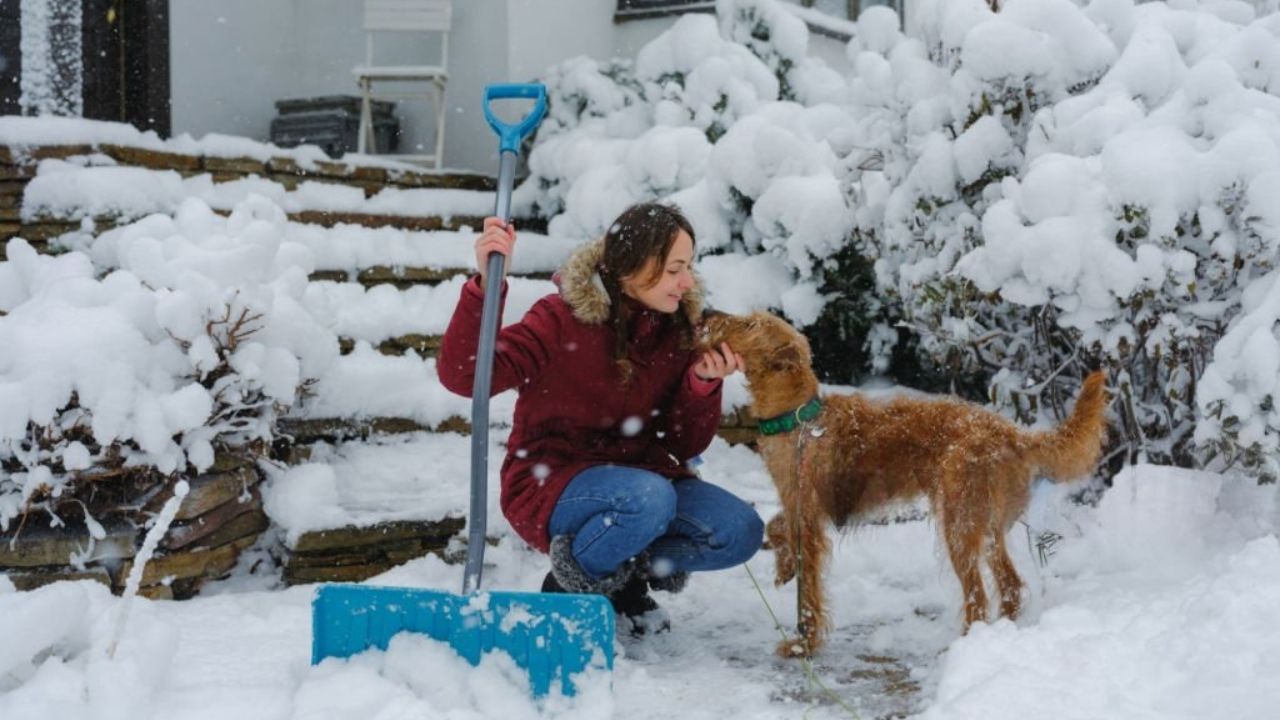
What your house needs before the first hard freeze
The first real freeze of the season has a way of catching people off guard. One night it’s chilly, and the next morning, your hose is split, your outdoor faucet is frozen solid, and your water line is rattling.
Preparing your home before that hard freeze hits can save you from a lot of damage, stress, and unexpected repair bills. The work doesn’t take long—but waiting too long can cost you plenty.
Protect your water lines
Frozen pipes are one of the most common problems once the temperature drops below freezing. Start by disconnecting every garden hose, draining them completely, and storing them somewhere dry. Leaving hoses connected traps water in the spigot and line, which freezes and expands until the pipe bursts.
If your outdoor faucets don’t have frost-proof valves, install insulated covers over them. They’re cheap and easy to use, and they make a big difference. Inside, insulate any exposed pipes in unheated areas like garages, crawlspaces, and attics. Even a few feet of foam pipe wrap can prevent hundreds of dollars in repairs.
Drain outdoor systems and irrigation
Your sprinkler system, outdoor shower, or any water feature needs to be drained before the first hard freeze. Water left inside the lines or valves can freeze and crack plastic or copper fittings. If you have a sprinkler system, shut off the water at the main valve and use the blow-out method to clear the lines—or have a professional do it if you’re unsure.
Don’t forget outdoor fountains, hoses connected to livestock tanks, or RV hookups. Anything that holds standing water should be emptied or insulated. A few minutes of prep here can save a lot of frustration later.
Seal gaps and stop drafts
Cold air always finds a way in. Before winter hits hard, check around windows, doors, and baseboards for drafts. If you can feel a breeze, it’s costing you money. Apply fresh caulk to any cracks and replace worn-out weather stripping.
You’ll also want to check areas that don’t get much attention, like attic access panels and outlets on exterior walls. Cold air seeps through these openings more than most people realize. A little insulation foam or a plug cover can make your home noticeably warmer.
Check your heating system
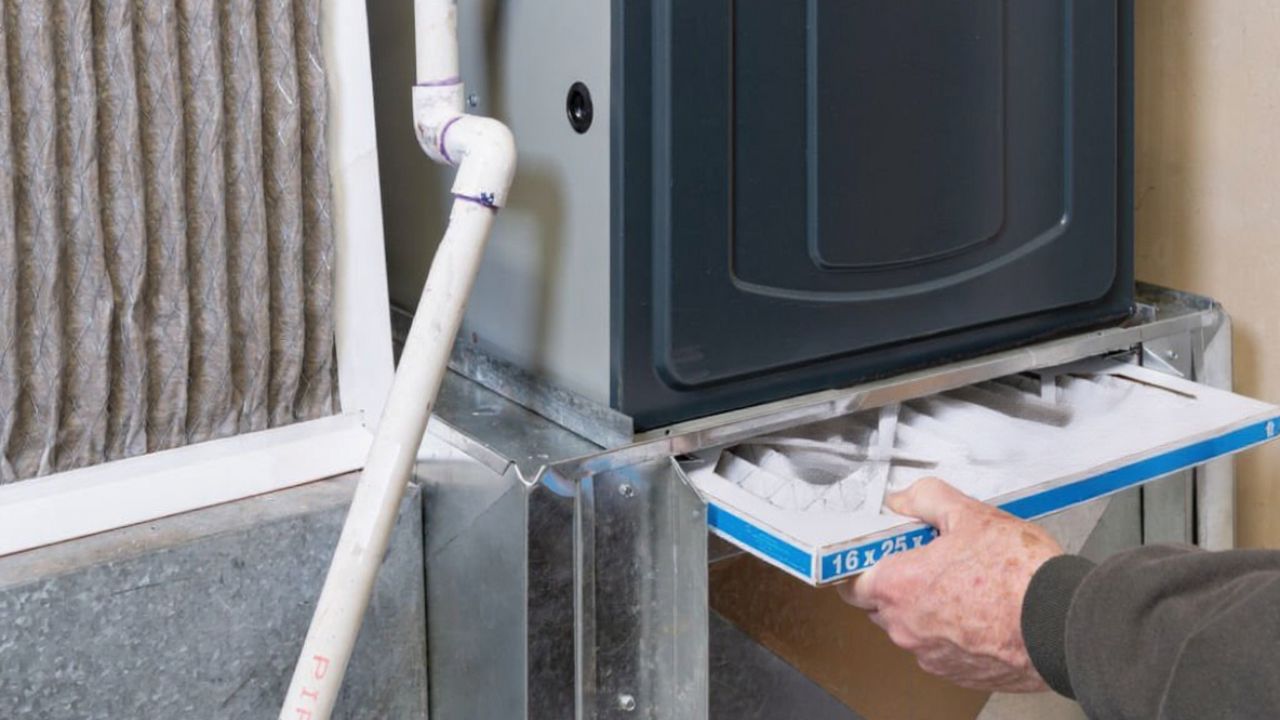
Before you flip the thermostat up, make sure your furnace or heat pump is ready to handle the cold. Change the air filter and clean the vents so air can move freely. If your system hasn’t been serviced in a while, it’s smart to schedule a tune-up before everyone else does—because once the first freeze hits, HVAC techs stay booked solid.
If you use space heaters, double-check cords and outlets for wear. For homes that rely on propane or heating oil, fill up your tanks early while prices are lower. Nothing’s worse than running out of fuel in the middle of a cold snap.
Insulate where heat escapes most
Attics and crawlspaces are two of the biggest culprits when it comes to heat loss. Adding insulation there does more for your comfort and energy bill than almost any other upgrade. If you can see the ceiling joists in your attic, you probably don’t have enough insulation.
Foam pipe wrap, draft stoppers, and even heavy curtains all help trap warm air inside. These small improvements keep your heating system from working overtime and keep your house more comfortable overall.
Prep your exterior
Before freezing weather sets in, take a quick walk around your property. Clear gutters so melting ice can drain properly, and make sure downspouts point away from the house. Clogged gutters can freeze solid, leading to ice dams that cause roof leaks.
If you have outdoor steps or a deck, make sure there’s no loose wood or nails sticking up—frozen moisture can make small damage worse fast. Check that your exterior lights work, too. You’ll be glad to have them when you’re stepping outside on icy mornings.
Protect your well or pump system
If you’re on well water, make sure your pump and pressure tank are insulated. Wrap exposed pipes with foam and consider using a heat tape designed for cold-weather protection. Keep an eye on any small leaks—those spots freeze first and can expand into bigger cracks once the temperature drops.
If your pump house isn’t heated, a small space heater with a thermostat can make all the difference. You don’t need to keep it hot, just warm enough to prevent freezing.
Don’t forget vehicles and outbuildings
Detached garages, barns, and sheds often have water lines or equipment that can freeze, too. Drain outdoor sinks, empty pressure washers, and move any liquids like paint, sealant, or cleaning chemicals that could be damaged by freezing.
It’s also smart to check your vehicles—antifreeze levels, battery condition, and tire pressure all drop with the temperature. Keeping them ready now prevents last-minute surprises when the roads are icy and stores are closed.
Stock what you’ll need for cold weather
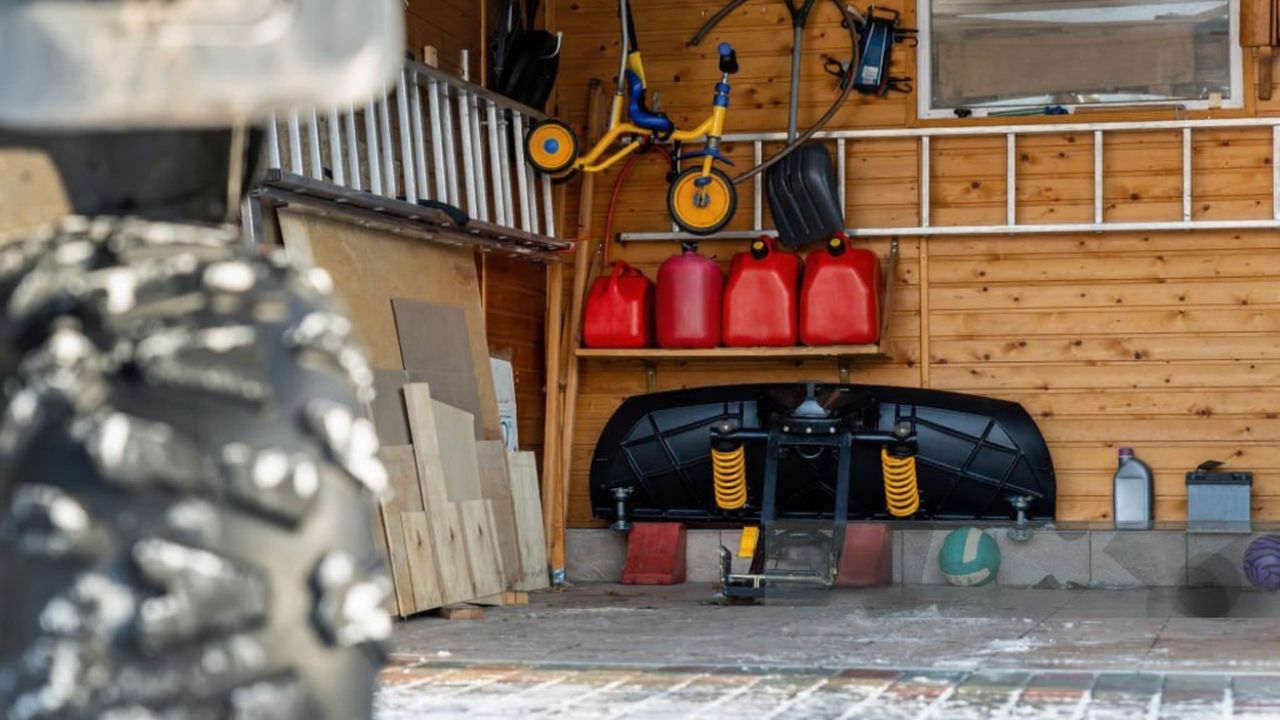
A hard freeze usually comes with ice or snow, so make sure you’re stocked up on essentials before it happens. Ice melt, sand, snow shovels, and flashlights should all be easy to reach. If you rely on a generator, test it now and have extra fuel on hand.
Inside, keep blankets, bottled water, and batteries ready in case the power goes out. Even a short outage feels a lot longer when it’s 20 degrees outside.
Winter prep doesn’t take long—but waiting too long costs you
You don’t need an entire weekend to winterize your home, but you do need to act before that first hard freeze. Once temperatures drop below 32°F for a full night, unprotected lines, equipment, and surfaces start taking damage.
A few hours of prep can save you from broken pipes, flooded basements, or frozen pumps later. The goal isn’t to get through winter—it’s to stay ahead of it.
Like Fix It Homestead’s content? Be sure to follow us.
- Man Says He Found Out the Fence He Paid For Wasn’t Actually on His Property
- Woman Says Her Neighbor Started Taking Mulch From Her Delivery Pile Before She Could Even Spread It
- I made Joanna Gaines’s Friendsgiving casserole and here is what I would keep
- What Caliber Works Best for Groundhogs, Armadillos, and Other Digging Pests?
*This article was developed with AI-powered tools and has been carefully reviewed by our editors.