Why DIY fixes are replacing professional repairs for many homeowners
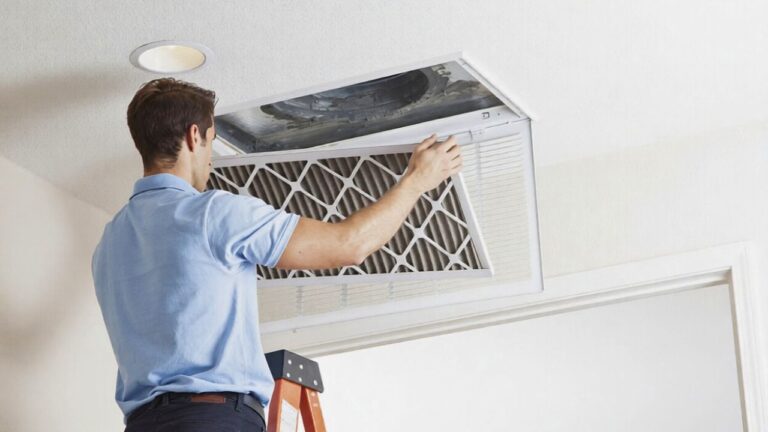
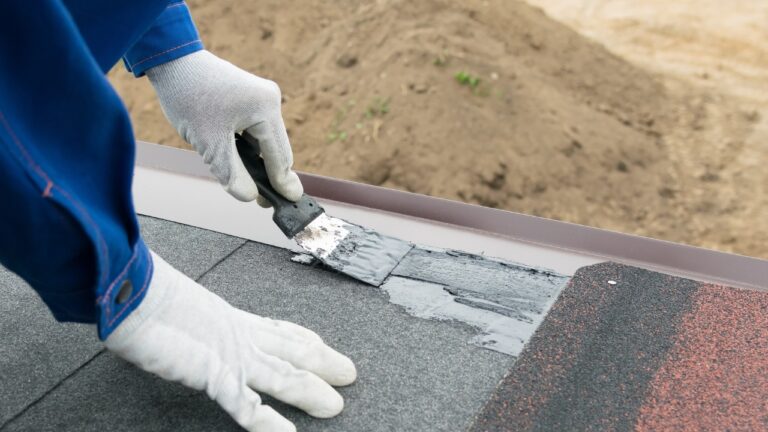
Across the country, homeowners are quietly rewriting the rules of home maintenance, trading service calls for socket wrenches and smartphone tutorials. Instead of defaulting to contractors, more people are choosing to diagnose, plan, and complete repairs themselves, turning what used to be a specialist’s domain into a mainstream household skill set.
That shift is not just a lifestyle trend, it is a response to rising costs, a strained labor market, and a growing ecosystem of digital tools that make complex projects feel achievable. As I look at the data and the stories behind it, the pattern is clear: do-it-yourself fixes are no longer a niche hobby, they are becoming the default starting point for a large share of homeowners.
The economic squeeze pushing repairs in-house
The first force tilting households toward DIY is simple arithmetic. Home renovation and repair costs are climbing faster than many budgets, with material prices and labor both expected to keep rising, a reality that has But homeowners weighing projects against drained savings and delayed vacations. On the repair side, inflation layered on top of labor shortages is making even routine jobs more expensive, as outlined in reporting on Inflation and Labor Shortages that are raising the price of calling in a professional.
Faced with that pressure, Americans are increasingly explicit that they want to save money by handling more work themselves, a sentiment captured in a study on how Americans are approaching home repairs. Separate research on home maintenance budgets found that those budgets have dropped by 42% in 2025 and that 62% of homeowners perform work on their own instead of hiring professionals, according to a survey that underscores how cost-cutting is reshaping behavior.
Labor shortages and a widening trust gap
Even when homeowners are willing to pay, they are not always able to find help. The skilled trades are facing a significant labor shortage, with the Department of Labor reporting nearly 250,000 positions going unfilled and that gap expected to persist. On the ground, that translates into long wait times, higher bids, and a sense that basic jobs are harder to schedule than they should be, a frustration echoed in commentary that Finding dependable workers is one of the biggest challenges in the trades.
At the same time, confidence in the home improvement industry itself is under strain. Reporting on a widening trust gap notes that There are many reasons remodeled homes are more in demand than fixer-uppers, including buyers who worry they will have to hire a professional to fix previous work. That skepticism feeds a feedback loop: if homeowners are not sure they will get quality for the price, they are more likely to take a chance on their own skills, especially for projects that feel manageable.
Digital tools turning amateurs into planners
What makes that leap feel less risky is a wave of technology that lowers the barrier to entry. Home design and planning software that once required professional training is now accessible in a browser, with platforms like Homestyler offering free 3D modeling tools that let homeowners visualize layouts with no need for professional grade tools. A broader ecosystem of renovation apps, including services that highlight how Check out top home maintenance and planning platforms, has turned smartphones into project dashboards.
Beyond design, the internet has democratized expertise itself. Detailed home renovation websites now package step-by-step guidance and product recommendations in ways that They describe as making professional-level insight accessible to anyone with an internet connection. On social platforms, tradespeople and brands are encouraged to share how-to content, with marketing advice that urges contractors to grow by posting video tutorials and step-by-step guides, noting that Consistently creating and posting these resources builds trust and gives homeowners instructions they can rely on when the need arises.
Social media, confidence, and the culture of DIY
As tutorials proliferate, the culture around home projects is shifting from necessity to identity. A major data point comes from a Survey Reveals Why Americans are Tackling DIY Home Projects, which found that 98% of respondents are taking on some kind of home project themselves, based on a Survey that highlights how mainstream this behavior has become. Separate analysis notes that thanks to social media showing us trendy projects, Thanks to that exposure, DIY for Americans is evolving from a practical necessity to a rewarding hobby.
Platforms like TikTok have become a go-to place for quick, renter-friendly hacks, with coverage pointing out that Far from simply a lip-syncing app, it now hosts a flood of DIY content, even as experts warn that some viral tricks are not worth the hype. More broadly, analysts of online education argue that As the DIY culture continues to flourish, tutorials represent a movement toward greater independence, creativity, and self expression, which helps explain why people are willing to invest weekends and evenings into learning skills that used to be outsourced.
Younger homeowners leading the shift
Generational dynamics are amplifying the trend. Research on maintenance habits shows that Young people are most inclined to embrace DIY, with about 2 in 3 Gen Z and millennial homeowners skipping professional help for some repairs. That aligns with broader consumer data showing that in recent years, homeowners’ spending on DIY projects and furniture has grown by 44%, a surge tied to Factors like remote work and more time spent at home.
For younger buyers who entered the market during a period of high prices and tight supply, the calculus is pragmatic: they may stretch to afford a property, then rely on sweat equity to make it livable. Advice columns now explicitly encourage owners to Take it into your own hands with DIY, noting that Many are still struggling to find the right labor for projects. That combination of financial constraint, digital fluency, and limited contractor availability makes younger homeowners natural early adopters of the DIY-first mindset.
From cost-cutting to lifestyle choice
Over time, what starts as a budget decision often becomes a lifestyle. Financial educators point out that Home improvement is Often worth it when you do it yourself, since Tackling projects can dramatically reduce labor costs and build equity. A separate financial tip sheet notes that Financial advice now routinely highlights that DIY projects can cut thousands from renovation costs, especially for cosmetic updates.
But the appeal is not just monetary. Commentators on homeowner behavior note that Many DIY enthusiasts enjoy the sense of accomplishment that comes with completing a project themselves and the chance to develop new skills and hobbies. That emotional payoff is reinforced by social media, where before-and-after photos and time-lapse videos turn home repairs into shareable milestones, and by lifestyle coverage that notes how DIY Home Repair Trends for 2025 in Cana include custom projects that combine creativity with practical upgrades.
Where DIY makes sense, and where it does not
Even as more people reach for the toolbox, the line between smart DIY and risky improvisation matters. Home repair guides stress that Why DIY Appeals to Homeowners is clear, thanks to Cost savings and Faster start times when no scheduling is required, but they also outline clear thresholds for when to call an expert. Real estate advice echoes that guidance, urging owners to Go the DIY Route When There is no structural risk, no exposure to dangerous materials, and no legal requirement for permits or inspections.
Appliance specialists make a similar distinction, noting that Understanding the pros and cons of each option is crucial and that Understanding DIY Appliance Re pairs often means sticking to simple adjustments or parts swaps. Television personalities echo that caution, with coverage of HGTV’s Mike Holmes warning that some DIY upgrades can backfire and that Homeowners sometimes struggle to find the right contractors to fix botched work, a reminder that the cost of a mistake can erase any initial savings.
The next phase of the home repair reset
Looking ahead, the data suggests that DIY is not a temporary spike but part of a structural reset in how households manage their homes. Consumer research shows that DIY spending is rising even as overall budgets tighten, while lifestyle surveys find that people are rethinking not just what they clean with but why they clean in the first place, with Reasons for using natural products and hands-on methods tied to health, sustainability, and control. At the same time, coverage of how Jul and other seasonal markers shape cleaning habits hints at how cyclical routines are being reimagined as ongoing, self-managed maintenance.
For professionals, that does not mean extinction, but adaptation. Contractors are being advised to lean into education and transparency, to meet homeowners where they are, and to compete less on secrecy and more on service. As more people treat their homes as both investment and workshop, the most successful pros may be those who see the rise of DIY not as a threat, but as a sign that a new generation of clients is more informed, more engaged, and more determined to be part of the repair process from the first loose hinge to the last coat of paint.