9 decorating fads from the 2000s that flopped fast
Photo credit: jantsarik/Shutterstock.com
The early 2000s brought in plenty of decorating experiments—some fun, some regrettable. Looking back, a lot of the “must-have” styles didn’t age well. Here are the ones homeowners wish they’d skipped.
Tuscan Kitchens
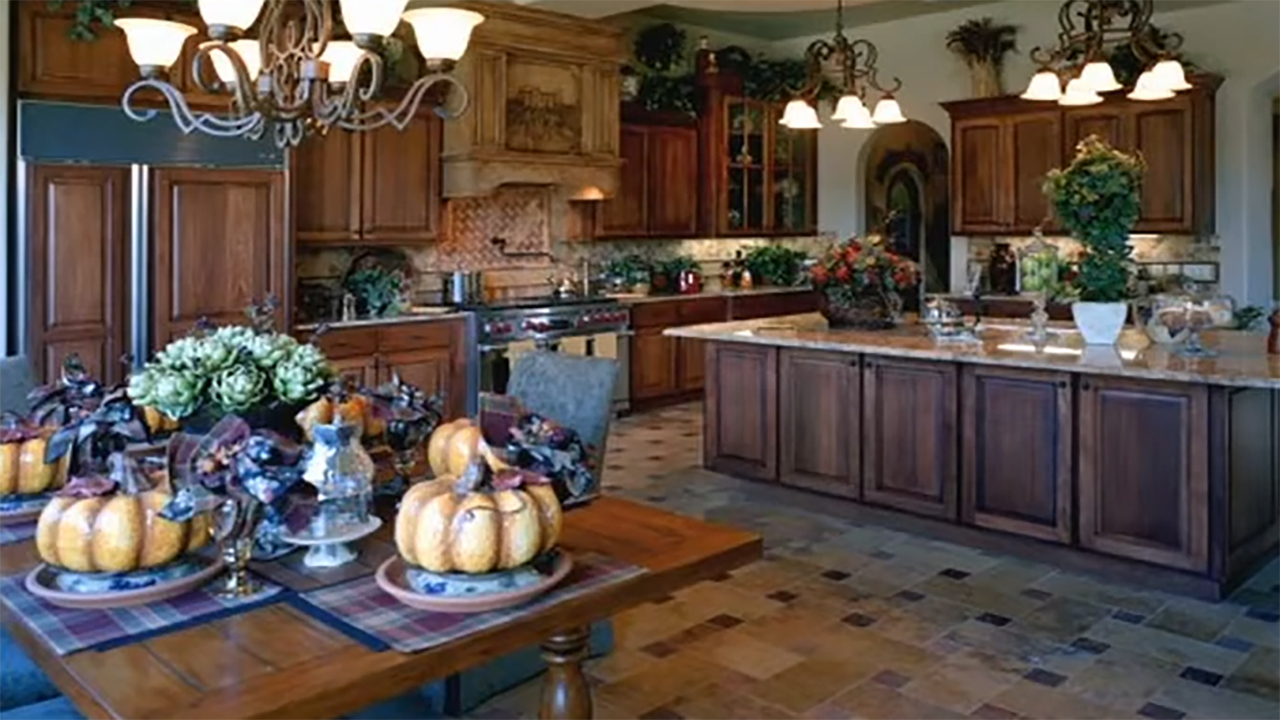
Dark wood, heavy granite, and faux finishes were all the rage.
The Tuscan style promised old-world luxury but quickly made kitchens feel dark and dated. People spent thousands on ornate cabinetry and textured walls, only to regret how heavy and hard-to-maintain it was. Today, buyers prefer light, open kitchens instead.
Word Art on Walls

“Live, Laugh, Love” decals popped up in almost every home.
They were inexpensive and easy to apply, which made them appealing at the time. But they became overused to the point of cliché. Most people now see word art as a decorating shortcut that doesn’t really add character. Neutral art or personal photos have replaced this fad.
Sponge-Painted Walls
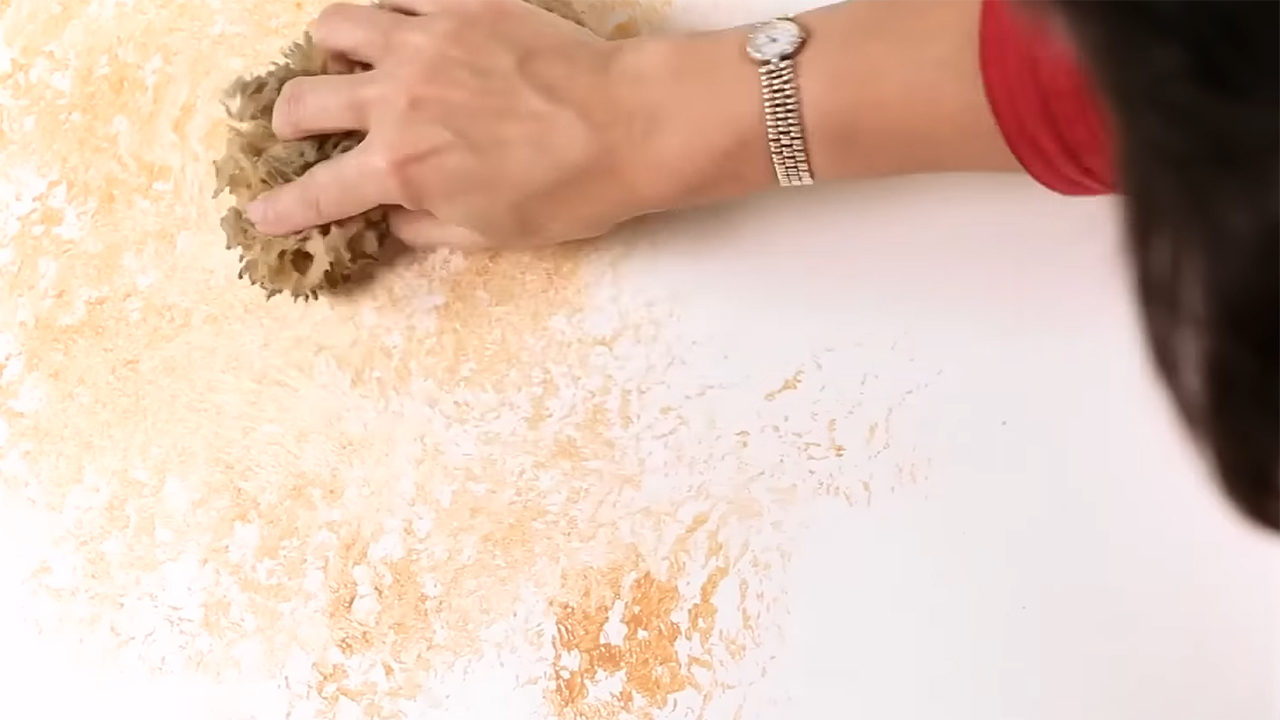
Sponge painting was seen as creative, but it didn’t hold up.
The idea was to give walls texture and depth, but in practice it often looked messy. Many homeowners ended up painting over it within a few years. It’s one of those trends that seemed fun in the moment but instantly dated a room.
Vessel Sinks

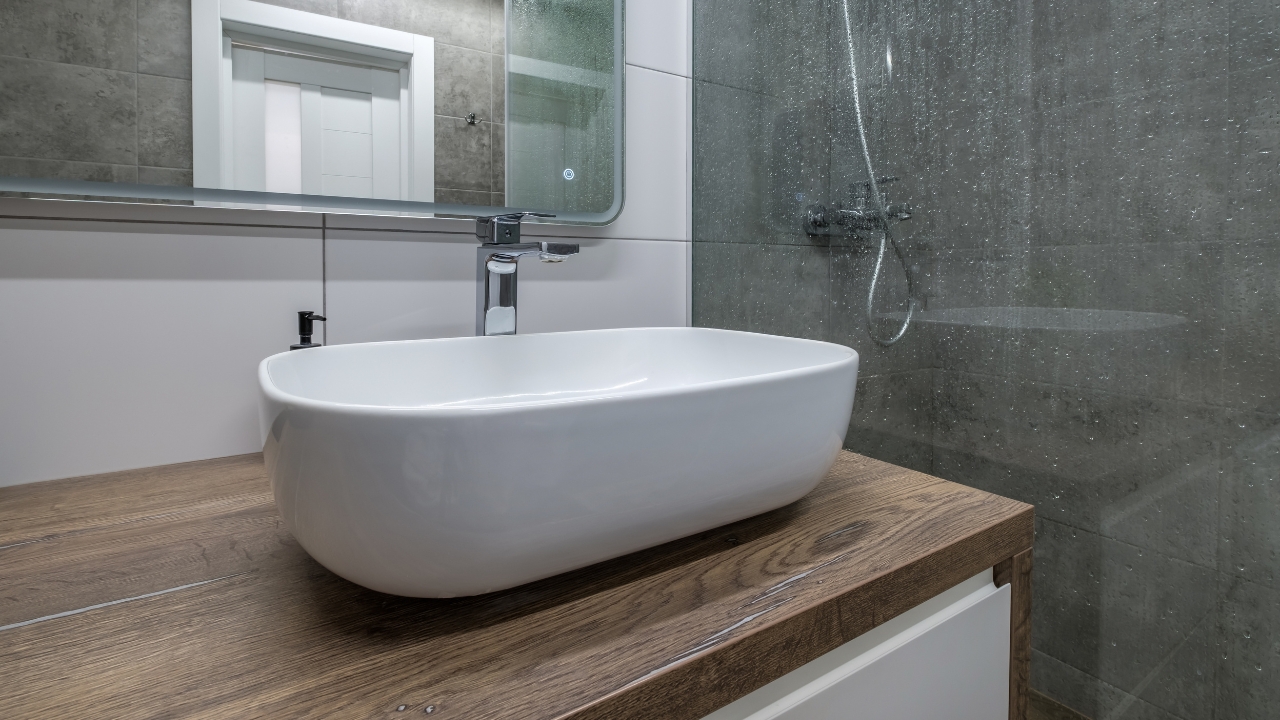
Bathrooms across the 2000s embraced raised bowl sinks.
They were meant to feel modern and high-end, but they weren’t practical. They splashed easily, were tough to clean around, and often broke under daily use. Most homeowners who installed them eventually switched back to under-mount or standard sinks.
Overstuffed Sofas
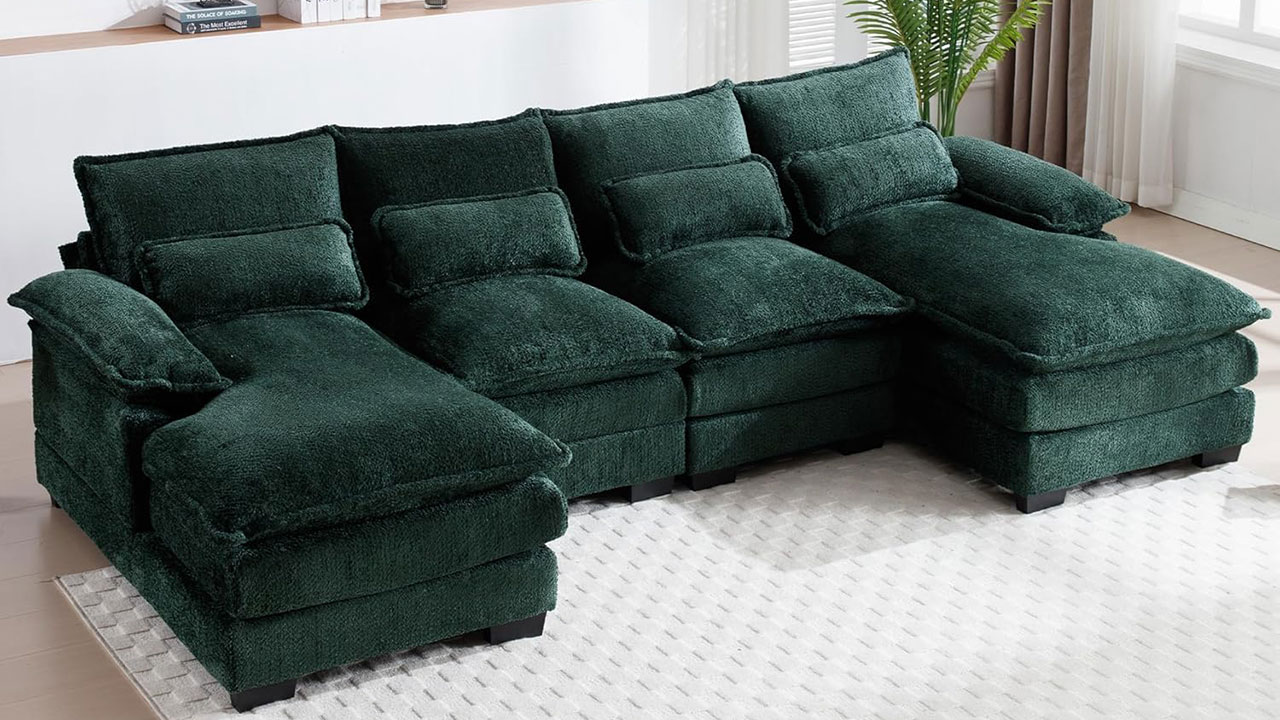
The bigger, the better was the mantra for living room furniture.
Huge overstuffed couches took up entire rooms, and while comfortable, they lacked style. These pieces quickly became bulky eyesores in smaller homes and apartments. Slimmer furniture has since replaced them, offering comfort without eating up space.
Glass Block Walls
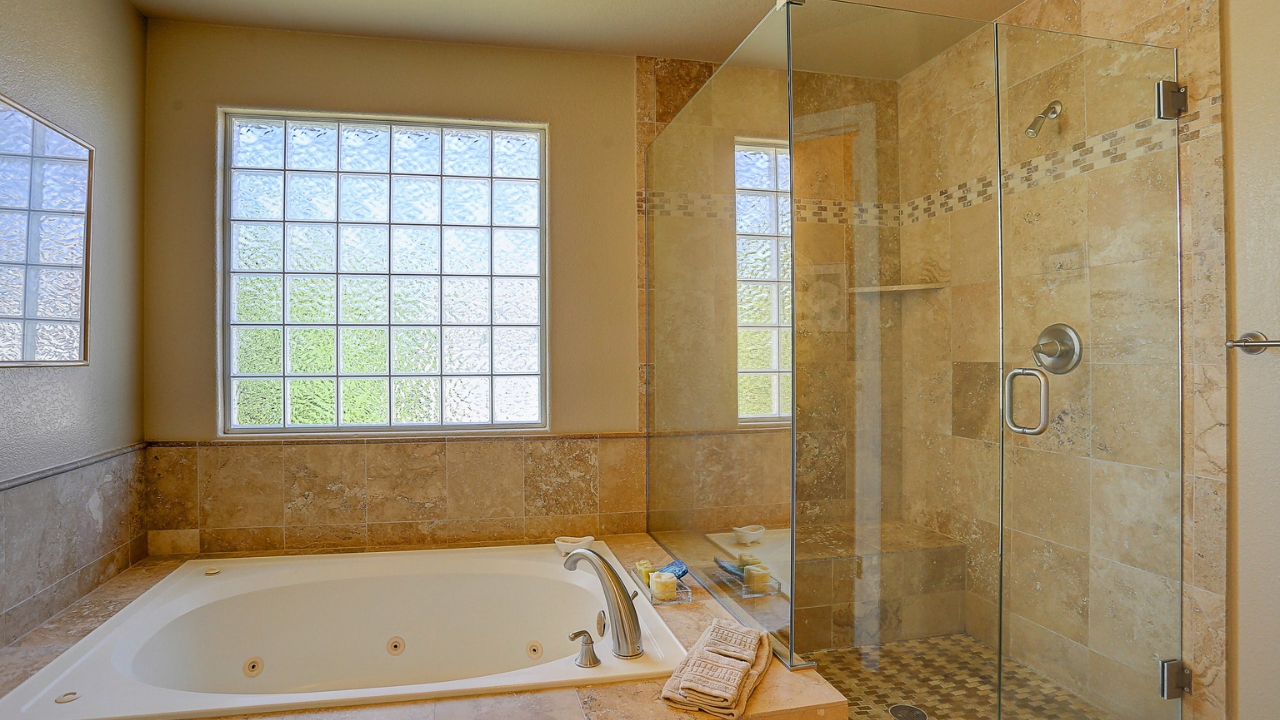
Meant to feel modern, glass blocks were used in showers and even dividing walls.
They provided light while still offering privacy, but they became hard to clean and felt more like a design gimmick than a lasting choice. Today, they’re often ripped out during renovations.
Faux Columns and Arches
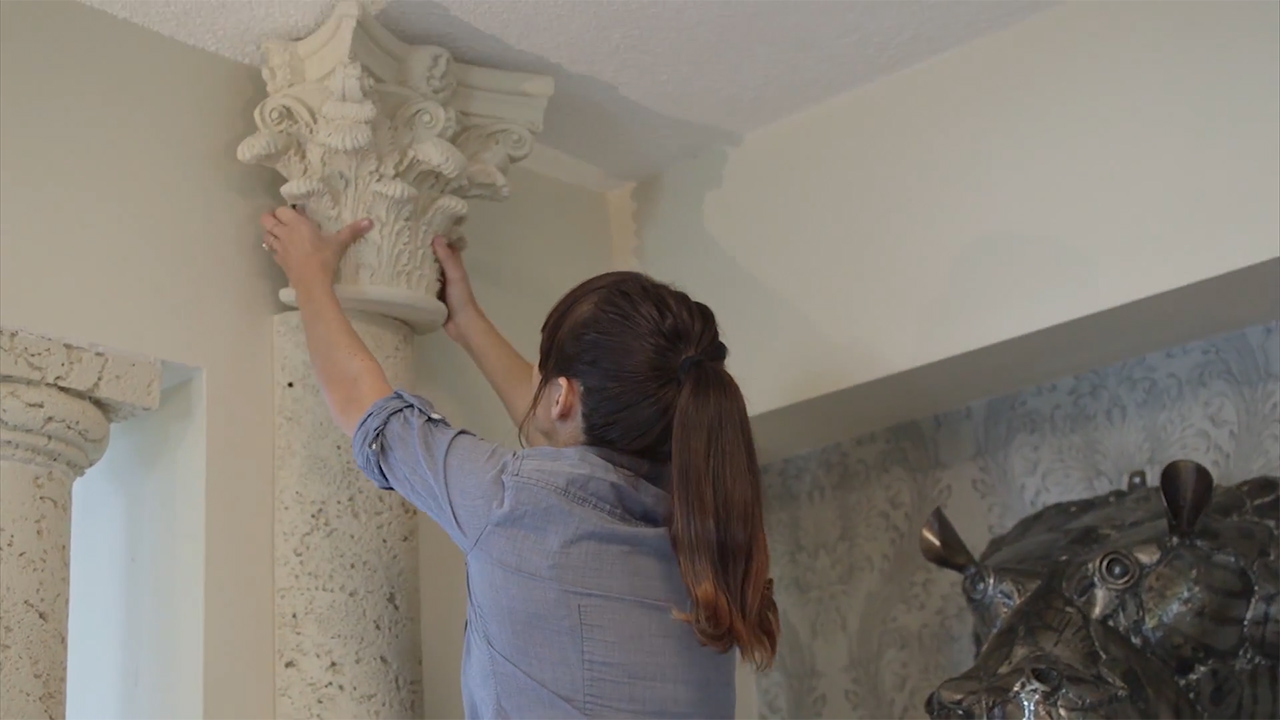
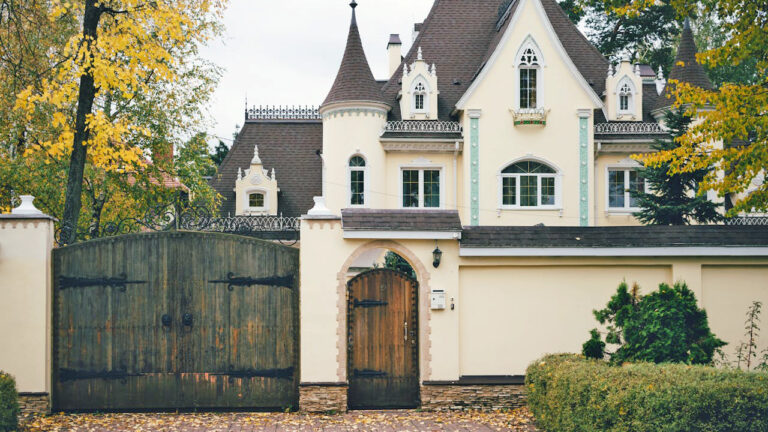
Houses built in the 2000s often added fake architectural details.
Foam or drywall columns and arches gave the illusion of grandeur but didn’t add real value. Most homeowners later realized they cluttered spaces instead of enhancing them. Clean lines are now the preference.
Beige on Beige

Neutral walls, carpet, and furniture in the same beige tone dominated the era.
The intent was timelessness, but it left rooms feeling flat and lifeless. Homes lacked contrast or personality, which is why people now lean toward layered neutrals or pops of color.
Heavy Drapery
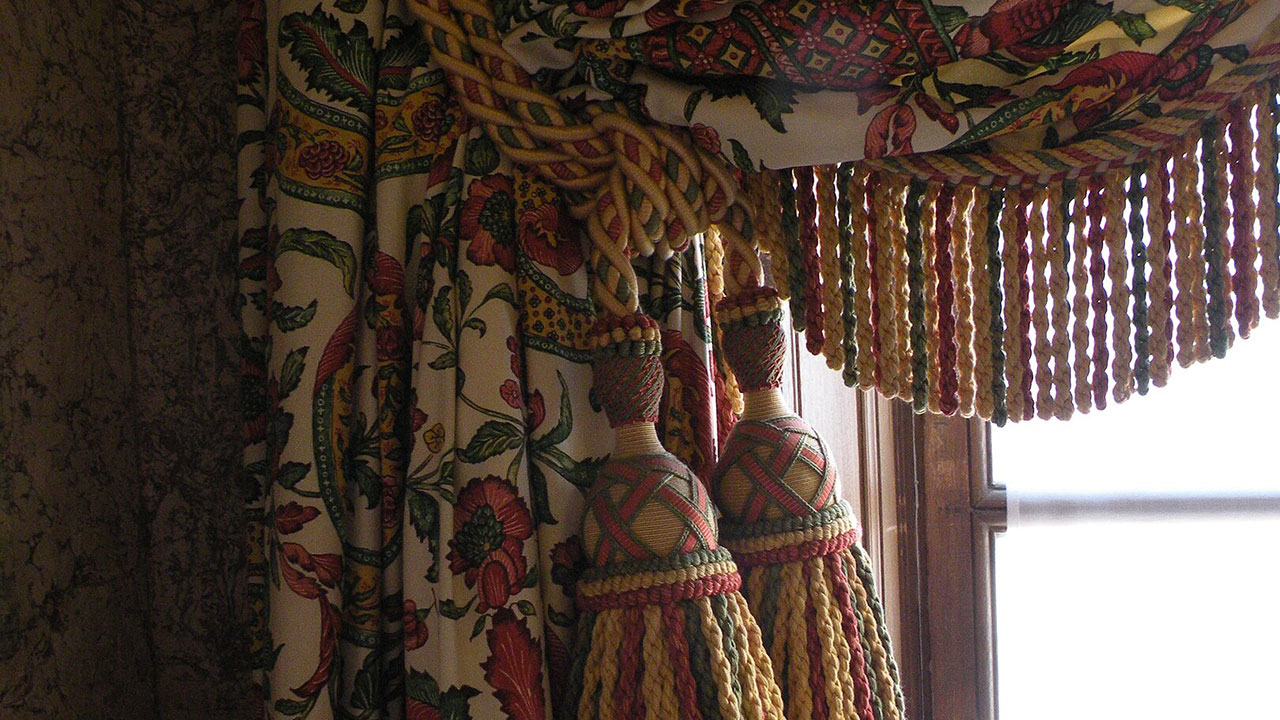
Thick curtains with tassels and valances were everywhere.
They were expensive and felt fancy at the time, but they blocked light and collected dust. Most homeowners eventually swapped them for lighter, simpler window treatments that make rooms feel more open.
*This article was developed with AI-powered tools and has been carefully reviewed by our editors.