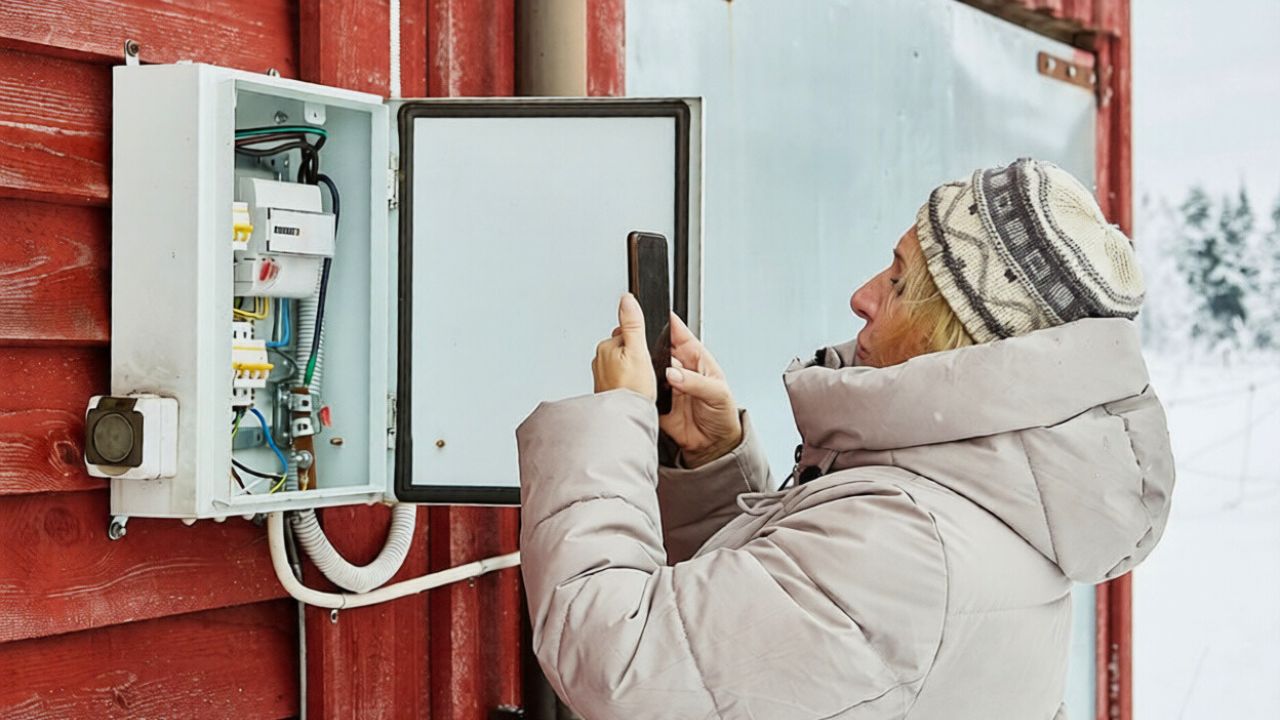
Why insurers now ask for panel photos after even minor electrical work
Insurers are turning what used to be a quick phone call about “a small electrical job” into a documented inspection, complete with close‑up photos of your panel and breakers. The shift is not about nitpicking cosmetic work, it is about carriers trying to see, in detail, whether your wiring and equipment match the risk they are pricing into your policy. For you, that means even a minor breaker swap or subpanel addition can trigger a request for panel photos before coverage is renewed or a claim is paid.
Behind that request is a broader change in how property risk is measured. Instead of assuming that a permitted upgrade is safe, insurers now want visual proof that the work reduced hazards rather than hiding them behind a freshly painted cover. Understanding why those images matter, and how to take them on your terms, can help you avoid surprise non‑renewals, premium hikes, or disputes after a fire.
From quick phone call to photo file: how underwriting has changed
Underwriting used to lean heavily on checklists and self‑reported answers, but carriers are now building a visual record of your home, from the roof down to the electrical panel. Property photos let them assess the actual condition of systems, not just the age you type into an online form, and that includes whether your panel looks modern, overcrowded, or obviously altered. Guidance for agents notes that Insurance companies take pictures of your house to assess its current condition, verify that it matches the coverage in place, and spot issues that could lead to claims.
That same logic now applies to electrical work. When you tell your carrier you upgraded a breaker or added a circuit, they want to see whether the panel is labeled, whether there are double‑tapped breakers, and whether the enclosure itself looks like an older, higher‑risk model. Industry explanations of How Photos Help stress that one of the main reasons carriers insist on images is to deter exaggerated or entirely false reports, and a dated panel that suddenly becomes “new” on a renewal application is exactly the kind of discrepancy they are trying to catch.
Why electrical panels are suddenly at the center of your policy
Electrical panels have moved from background hardware to a frontline underwriting concern because they sit at the intersection of fire risk and modern power demand. Electricians point out that Walka and other contractors now routinely warn homeowners that the panel plays a big role in whether a home can be insured or renewed, especially when the original equipment was not designed for today’s loads of EV chargers, heat pumps, and high‑draw appliances.
Insurers are also tracking specific brands and models that have a history of failure. Technical guidance flags Federal Pacific Electric panels, particularly the Stab and Lok series, as having a well documented history of safety failures that led to widespread concern among inspectors and carriers. When your insurer asks for a clear photo of the panel label after even a small breaker change, they are often trying to confirm that you are not still relying on equipment that many underwriters now treat as a red flag.
Photos as proof: how insurers use your images to price risk
For carriers, a panel photo is not just a snapshot, it is a data point that feeds into a broader risk model. Industry explanations of why Insurers are paying closer attention to maintenance photos and receipts note that companies are no longer treating maintenance as a background detail. Instead, they are actively collecting visual evidence of work so they can distinguish between homes that are proactively upgraded and those that are quietly deteriorating behind the drywall.
That push is reinforced by a wider move toward more proof in property underwriting. Recent guidance on why carriers are asking for more documentation in 2026 explains that companies are accelerating their use of advanced inspection technologies, including aerial imagery and street level photos, so that when a company can see the actual condition of a property it can place that home into a higher or lower risk bucket with more confidence. The same logic applies when an adjuster studies your panel photo: the visible condition of breakers, wiring, and labeling helps determine whether your home lands in a standard tier or a higher risk category, a shift that is reflected in analyses of more proof in 2026.
Old panels, new work: why “minor” jobs trigger major scrutiny
From your perspective, replacing a single breaker or adding a 240 volt circuit for a dryer may feel routine, but for an underwriter it is a prompt to recheck the entire system. Technical advisories on Outdated electrical panels note that older equipment may fail to meet modern safety standards or be a fire hazard, especially in older homes, and that upgrading to a safer panel can help keep your rates down. When you report new work, the insurer wants to know whether you simply added more load to a marginal panel or actually reduced the underlying risk.
That is why many carriers now send letters asking for panel photos or even full electrical inspections before they will renew coverage. Industry breakdowns of electrical requests explain that insurers are in the business of managing risk, not just paying claims, and that they are particularly focused on panels that are undersized or rated for lower amperage than current needs. A photo taken after a “small” job gives them a fresh look at whether your system is already maxed out.
When a photo request is really a safety check
Although the request comes from your insurer, the underlying concern is often basic electrical safety. Guidance on Understanding Insurance Requirements notes that panel insurance standards exist to minimize fire hazards and ensure that the system can safely handle the home’s load. Once work is completed, insurers and electricians alike recommend documenting the panel and any upgrades to show that the installation supports electrical safety for your home.
Social media advisories aimed at homeowners underline the same point in plain language. One widely shared explanation of why Why Insurance Companies stresses that many homeowners are surprised to receive letters from their insurer about panel inspections, but that the goal is to confirm the system can support modern electrical loads. When your carrier asks for a photo after a minor job, it is often using that moment to double check that your panel is not quietly becoming the weakest link in the house.
Like Fix It Homestead’s content? Be sure to follow us.
Here’s more from us:
- I made Joanna Gaines’s Friendsgiving casserole and here is what I would keep
- Pump Shotguns That Jam the Moment You Actually Need Them
- The First 5 Things Guests Notice About Your Living Room at Christmas
- What Caliber Works Best for Groundhogs, Armadillos, and Other Digging Pests?
- Rifles worth keeping by the back door on any rural property
*This article was developed with AI-powered tools and has been carefully reviewed by our editors.