Why older homes struggle with modern water heaters
When you try to pair a century old house with a twenty first century water heater, the clash is rarely subtle. The equipment is engineered for high demand, tight efficiency standards, and strict safety rules, while your building may still be working with pipes, wiring, and layouts that predate color television. The result is that modern water heaters do not simply “drop in” to older homes, they expose every weak link in the structure around them.
If you understand where those weak links sit, you can usually fix them without gutting the house you love. The real work is less about the tank or heat pump you buy and more about the plumbing, electrical, and space constraints that surround it, from outdated pipes and low water pressure to undersized wiring and missing expansion tanks.
1. Old plumbing bones, new performance expectations
Modern water heaters are designed around assumptions that your older home may not meet, especially when it comes to basic plumbing layout. Newer systems expect consistent pressure, predictable pipe sizing, and drains that can handle both volume and temperature, while many early twentieth century houses were plumbed for a very different era of fixtures and usage. When you ask that infrastructure to support a high recovery gas unit or a large electric tank, the system can struggle long before the heater itself is at fault.
Contractors who work in aging neighborhoods routinely find that older homes were not built for the kind of simultaneous hot water demand that is now common, such as multiple showers, dishwashers, and washing machines running together. That same reporting describes Outdated Plumbing Systems as One of the most frequent problems, with long horizontal runs and awkward slopes that make it harder for hot water to circulate and for waste water to drain effectively. When you add a powerful new heater to that mix, you often magnify existing bottlenecks instead of solving them.
2. Outdated pipes and chronic low pressure
If your home still relies on original supply lines, the material itself can be a major reason a new heater seems to “underperform.” Galvanized steel and other Outdated Pipes corrode from the inside, closing down the diameter of the line and starving fixtures of flow. Even a high capacity tank or tankless unit cannot deliver strong showers if the water has to fight through decades of mineral buildup and rust before it reaches the bathroom.
Plumbing specialists describe Inadequate Water Pressure as a predictable side effect of Aging lines, noting that One of the most prevalent problems in older homes is the simple presence of those Many outdated materials. Replacing key sections of pipe, especially near the water heater and main branches, often does more for your daily comfort than upgrading the appliance alone, because it restores the flow that modern heaters are built to assume.
3. Hidden risks in obsolete plumbing materials
Beyond pressure and performance, the age of your plumbing can create safety and reliability issues that complicate any water heater upgrade. Materials that were once standard, such as certain early plastics or aging copper with lead based solder, may no longer meet current codes or health expectations. When you connect a new heater to that network, you are tying fresh equipment into a system that may already be at higher risk of leaks, bursts, or contamination.
Technicians who catalog common plumbing issues in older homes point out that Obsolete Materials are a recurring theme, and that Many older houses still rely on components that have long since been phased out in new construction. Separate reporting on Plumbing Struggles of notes that Challenges of Older include a higher risk of leaks, especially in early twentieth century Plumbing that has never been comprehensively updated.
4. Electrical systems that were never built for heat pumps
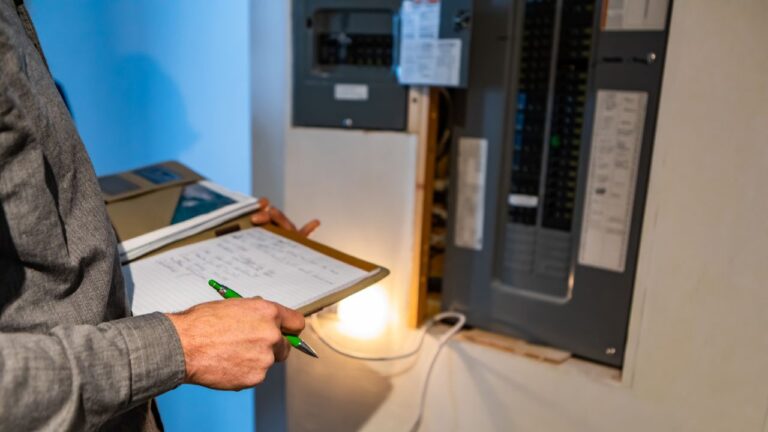
Even if your pipes are sound, the wiring behind your walls can quietly sabotage a modern water heater, especially if you are considering a heat pump or high wattage electric unit. Many older houses were wired when the biggest electrical loads were a few lights and perhaps a small range, not a 50 gallon hybrid heater, multiple televisions, and a Level 2 EV charger. When you add a large new appliance to that mix, you can overload circuits, trip breakers, or create unsafe conditions if the system is already stretched thin.
Electricians who advise on What Electricians Want to Know About Older stress that Owning a vintage property often means living with panels and branch circuits that were never intended to support modern conveniences like central air conditioning, let alone a heat pump water heater. That same perspective is echoed in broader guidance on Recognizing the Risks of outdated wiring, which can include undersized conductors, missing grounding, and overfused circuits that all become more critical when you introduce a large continuous load like a water heater.
5. Space, venting, and the heat pump puzzle
Space is another reason your older home may resist a straightforward upgrade, particularly if you are looking at heat pump technology. These units are physically larger than many traditional tanks and need room for air to circulate around them, which can be a problem in tight basements, crawlspaces, or small utility closets. They also work best when they can draw from and exhaust to areas that meet specific temperature and airflow requirements, something many older layouts do not naturally provide.
Manufacturers that focus on Heat Pump Water in Older Homes describe Limited Space as one of the primary Challenges. Their guidance notes that while the charm of an older home is clear, the same architectural quirks that make it appealing can create Barriers to proper ducting, condensate drainage, and noise control. Those Solutions often involve creative placement, such as using semi conditioned spaces or pairing the heater with modest duct runs to adjacent rooms.
6. Tank size, recovery rate, and structural limits
Even if you stick with a conventional tank, the size and weight of modern units can strain older structures. Today’s standard tanks are often taller and heavier, especially when filled, and they may require seismic strapping, drain pans, and clearances that your original framing or platform does not provide. If the heater sits on an upper floor or in a small closet, the load on joists and the risk of damage from leaks both increase.
Guidance on today’s standard tank style heaters notes that they are designed to keep a large volume of water hot so you can run multiple fixtures without running out, but that same capacity means more stored energy and more potential for damage if something fails. Analysts who review Issues in older buildings point out that cramped mechanical rooms and improvised platforms are common, and that upgrading to a larger tank without reinforcing supports or improving drainage can leave you vulnerable if you ever experience a leak while you are away for the night.
7. Expansion tanks and pressure control that did not exist before
One of the most jarring surprises for owners of older homes is the discovery that a new water heater may require an accessory they have never heard of: an expansion tank. As municipal systems add backflow prevention and as plumbing codes evolve, more homes are treated as “closed” systems where heated water has nowhere to expand. Without a place for that extra volume to go, pressure spikes can stress valves, fixtures, and the heater itself.
Specialists who focus on these add ons hear a familiar refrain, summed up in the phrase Water Heater Didn’t Come with an Expansion Tank, so I Don’t Need One. Their guidance is blunt that this assumption is wrong, and that Just because an older heater ran for years without one does not mean your new installation can safely do the same. In practice, that means you may need to carve out wall space, add support, and coordinate with your plumber to integrate pressure control hardware that your original system never contemplated.
8. Aging water heaters that drag the whole system down
Sometimes the struggle is not between an old house and a new heater, but between an old house and an equally old heater that should have been retired years ago. As tanks age, sediment builds up at the bottom, burners and elements lose efficiency, and safety devices can start to fail. In an older home where access is tight and maintenance has been sporadic, those problems can go unnoticed until you experience lukewarm water, strange noises, or a sudden leak.
Analysts who track Water Heater Headaches in older buildings note that Dealing with older units is a challenge in itself because They are often less efficient, consume more energy, and are more prone to failure. Broader reviews of Frequent Clogs and in older plumbing systems underline how sediment and corrosion can travel beyond the heater, clogging aerators and valves throughout the house, which makes any eventual upgrade more complicated because you are not just swapping equipment, you are cleaning up years of deferred maintenance.
9. How to plan an upgrade that respects your home’s limits
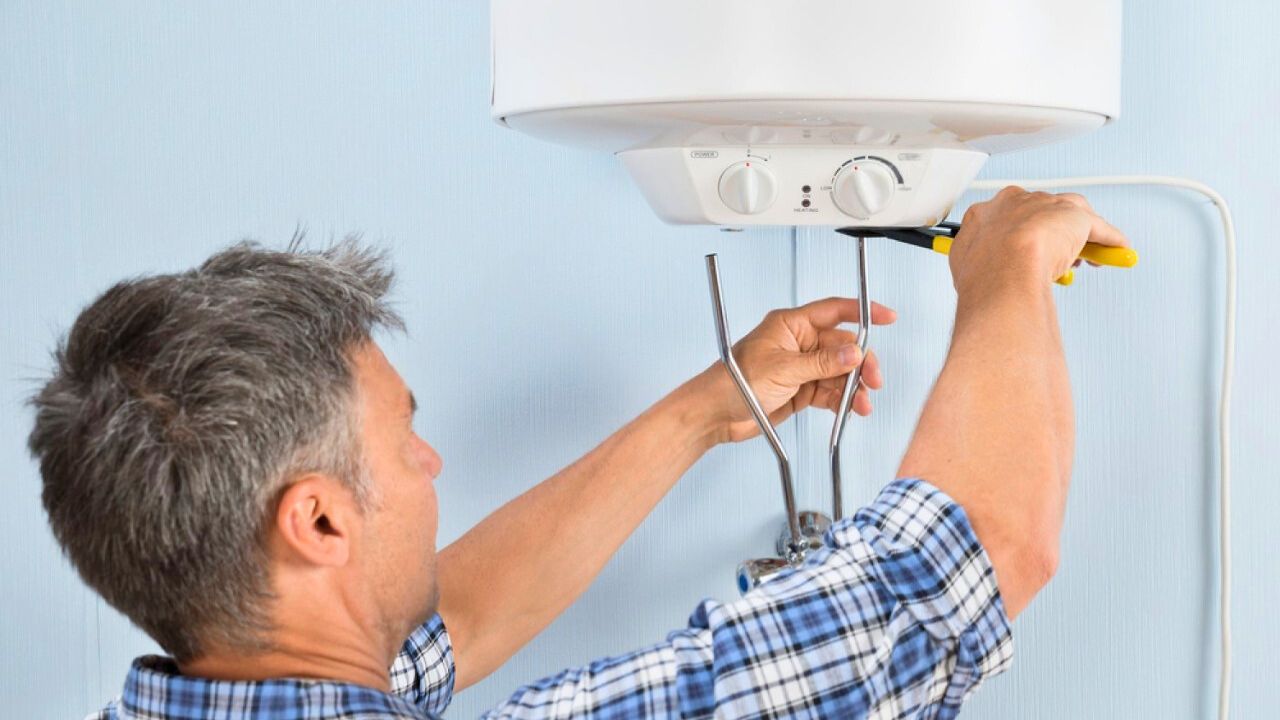
If you want modern hot water performance in an older home, the most effective strategy is to treat the heater as one piece of a larger system rather than a standalone appliance. That starts with a candid assessment of your plumbing layout, pipe materials, and water pressure, ideally with a professional who understands the quirks of vintage construction. It also means thinking through where the heater will sit, how it will be vented or ducted, and whether your electrical panel and gas lines can safely support the load.
Plumbing experts who map Common Plumbing Design in Older Homes and to Overcome Them emphasize that thoughtful upgrades, such as re piping critical sections, improving drainage, and adding shutoff valves, can make a new heater far more reliable. Complementary guidance on common plumbing issues in older homes and the broader Solving Common Issues playbook for Plumbing Struggles of all point in the same direction. If you invest in the infrastructure around your water heater, from pipes and wiring to expansion tanks and drainage, you can usually bridge the gap between historic charm and modern hot water comfort without sacrificing either.
Like Fix It Homestead’s content? Be sure to follow us.
Here’s more from us:
- I made Joanna Gaines’s Friendsgiving casserole and here is what I would keep
- Pump Shotguns That Jam the Moment You Actually Need Them
- The First 5 Things Guests Notice About Your Living Room at Christmas
- What Caliber Works Best for Groundhogs, Armadillos, and Other Digging Pests?
- Rifles worth keeping by the back door on any rural property
*This article was developed with AI-powered tools and has been carefully reviewed by our editors.