Why opening a ceiling can trigger inspection requirements
Once you open a ceiling, you are no longer just swapping tiles or chasing a leak. You are exposing the hidden infrastructure that keeps a building safe, and that can instantly move your project into territory where inspectors, permits, and code definitions apply. If you treat that space as cosmetic instead of critical, you risk failed inspections, delays, and liability that can far outweigh the cost of doing it correctly.
Understanding why a seemingly simple act like removing tiles can trigger inspection requirements helps you plan work in the right order, coordinate with trades, and avoid surprises from local officials. It also gives you the language to push back when someone urges you to “just close it up” before anyone looks.
Above the grid is a regulated space, not a no man’s land
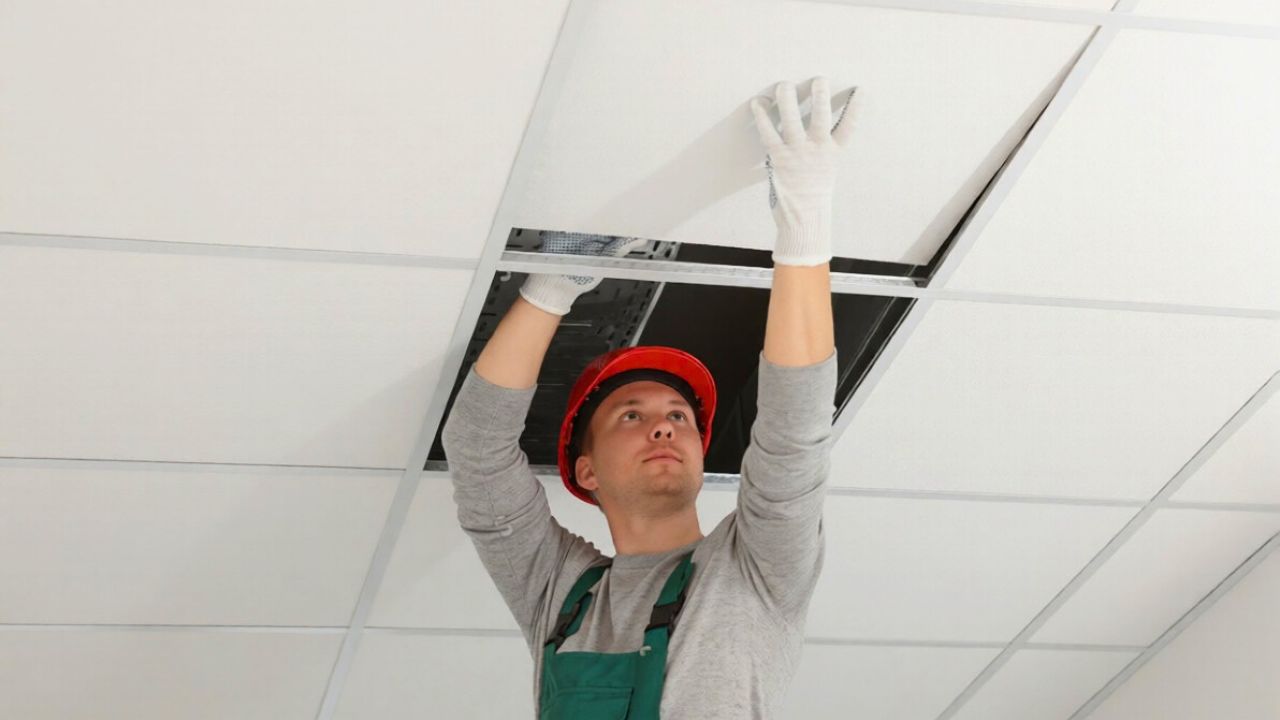
When you lift a tile or cut into gypsum, you are entering a part of the building that codes treat as an active system zone, not dead space. In many commercial interiors, the void above a suspended grid is used to route electrical circuits, low voltage cabling, ductwork, and life safety components that must remain accessible and code compliant. Trade training materials on above-grid work stress that inspectors expect to see how these systems are installed before you conceal them, because once tiles are back in place, problems can be hard to detect and even harder to correct.
Jurisdictions also lean on formal definitions to decide when that space is subject to stricter rules. The California Building Code, for example, defines terms like “plenum,” “fire barrier,” and other Chapter 2 definitions that determine how air moves through the ceiling cavity and what materials are allowed there. If the area above your ceiling is used as a plenum for environmental air, it is no longer just a convenient chase, it is part of the mechanical system, which can trigger additional inspection and material requirements the moment you disturb it.
Rough-in inspections reach into the ceiling void
Most building departments require you to pass a rough-in inspection before you cover any new work, and that includes anything routed above the ceiling. Guidance on rough-in inspections explains that these checks verify the placement and protection of electrical, plumbing, and mechanical components while they are still visible, whether they serve a small office or handle hazardous chemicals at a power plant. If you open a ceiling to add circuits, reroute ductwork, or tap into a water line, you are creating new rough-in conditions that inspectors are entitled to see before you close the cavity again.
That requirement does not disappear just because the work is overhead. In fact, the ceiling void is where inspectors often find unsupported cables, unprotected penetrations, and unlisted junction boxes that would never pass if they were at eye level. By treating any new or altered system above the grid as a rough-in, you align your schedule with how code officials already think, which means you plan for an inspection window instead of being surprised when one is ordered after the tiles are already back in place.
Fire and smoke control systems depend on intact ceilings
Ceilings are not only visual finishes, they are often part of the building’s fire and smoke strategy. Life safety specialists point out that fire doors, dampers, and rated walls are designed to work together with the ceiling plane to compartmentalize a facility, and that an above ceiling inspection is the only way to confirm that integrity has not been quietly undermined. When you open the ceiling, you may expose missing firestopping, damaged duct dampers, or ad hoc cable penetrations that allow smoke to bypass rated assemblies.
Because each of these components helps prevent the spread of fire and smoke by compartmentalizing your facility, inspectors are increasingly alert to what happens once tiles are removed. If you cut new openings, relocate sprinkler heads, or disturb fire-resistive materials, you are altering the performance of a tested system. That is why many authorities treat ceiling work as a trigger for inspection, not a minor cosmetic change, and why you should assume that any significant opening overhead will invite questions about how fire and smoke will behave once the space is put back together.
Electrical work above the ceiling has its own timing rules
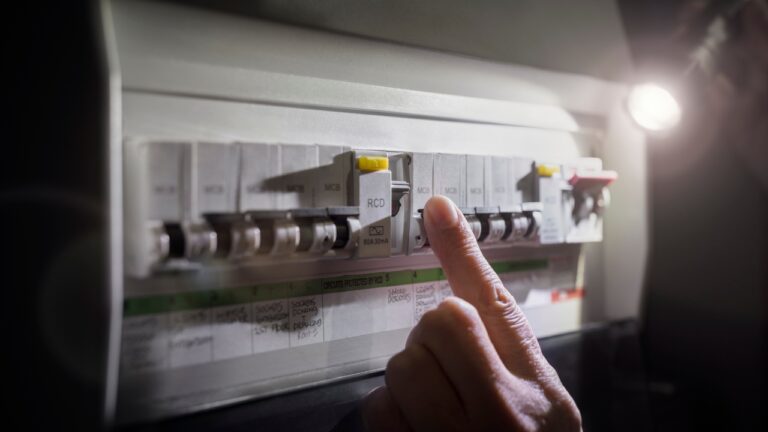
Electrical installations in the ceiling cavity are a particular focus for inspectors, and the timing of their visit is not optional. Training content framed around the question “Which of the following is the best practice?” makes the point bluntly: you should request the above ceiling electrical inspection before any ceiling tiles, insulation, or sheetrock are installed. If you wait until after the grid is closed, you risk a “work not ready” notation and a reinspection fee, because the inspector cannot see what they are required to evaluate.
Another module on the same topic notes that the inspector should be scheduled to come out after the electrical work is done but before any finishes are installed, and that you may need to remove tiles for the inspection if someone jumps ahead. The guidance on Jul training emphasizes that this is not just a courtesy, it is a compliance issue. Once you open the ceiling to run new branch circuits, relocate luminaires, or add low voltage cabling, you have created work that must be inspected in sequence, and the ceiling cannot legitimately be closed until that step is complete.
Missing tiles can damage detectors and trigger safety reviews
Even if you are not adding new systems, simply removing tiles can create hazards that prompt officials to look more closely at your space. Occupational safety guidance warns that the Removal of ceiling tiles may damage wiring to detectors mounted below them, which can render those devices ineffective. Figure 2 in that guidance illustrates how a detector that has lost its supporting tile can hang by its conductors, a condition that is both a fire risk and a clear sign that work is being done without proper protection.
When inspectors or safety officers see missing tiles, they also see an opportunity to check for other issues that are normally hidden. They may look for improperly supported cable trays, abandoned wiring, or storage of combustible materials in the ceiling void. Because missing tiles can compromise acoustics, energy performance, and smoke movement, they are often treated as more than a housekeeping issue, and their presence can be enough to trigger a broader inspection of the above-ceiling environment.
Storage, wiring, and firestopping above ceilings are frequent violations
Once the ceiling is open, the reality of what has accumulated above it often comes into view, and that alone can force an inspection. Fire protection specialists note that Items stored above ceiling can interfere with the proper functioning of fire detection and suppression systems, and that storage of materials in that space can expose wiring and piping to damage. They also highlight that wiring and electrical systems in the ceiling cavity must be installed in accordance with code, because that space is often critical to the protection of valuable assets and safe egress.
Dedicated above-ceiling surveys routinely uncover unsealed penetrations, missing firestop, and ad hoc cable routing that would never be allowed in open view. One overview of what inspectors look for lists Unsealed Penetrations as a primary concern, because they allow fire and smoke to spread throughout the building instead of being contained. When you open the ceiling, you are exposing any such conditions to scrutiny, and code officials are well within their authority to require corrective work and follow-up inspections before you are allowed to close the space again.
Firestop surveys and unpermitted work often start with an open ceiling
Facility managers are increasingly commissioning proactive reviews of their concealed spaces, and those efforts often begin the moment tiles come down for a renovation. A detailed discussion of Importance of Regular explains that above ceiling inspections help identify unpermitted installations that have been added over time without proper review. When you open the ceiling, you are not just exposing your current project, you are revealing the history of every contractor who has ever worked in that space, and that history may include undocumented penetrations, abandoned cables, or makeshift repairs.
Those same surveys rely on systematic Survey methods to document conditions and prioritize remediation. When facility staff or inspectors see evidence of unpermitted work, they may require you to bring those legacy conditions up to current standards as part of your project scope. That is another reason opening a ceiling can expand the inspection footprint: once the space is accessible, the obligation to address known deficiencies becomes hard to ignore, both for you and for the authority having jurisdiction.
Local rules, permit triggers, and how inspectors think
While the core safety logic is consistent, the exact moment when an inspection is required can vary by jurisdiction, and understanding that nuance helps you avoid conflict. A video guide from County Office on when an electrical inspection is required emphasizes that local government services and public records shape the process, and that you should check with your specific authority before assuming a minor ceiling opening is exempt. Some areas treat any new circuit, junction box, or relocation of fixtures above the ceiling as a clear permit trigger, while others focus on the scale of the project or whether life safety systems are affected.
Model codes also outline the types of inspections that can apply to work in concealed spaces. Guidance on Plumbing, Mechanical, Gas, (R109.1.2) notes that the electrical, gas, mechanical, and plumbing systems that run through framing and concealed cavities are subject to inspection alongside the framing system itself. In practice, that means once you open a ceiling and touch any of those systems, you should assume that inspectors have a legitimate interest in seeing the work before it disappears again, even if the finish surface looks unchanged when you are done.
Contractor habits, online advice, and the risk of closing too soon
In the field, you will encounter strong opinions about how much inspectors should see, and some of that advice can put you at odds with code officials. A trade blog on passing inspections warns that having Ceiling tiles already installed is a big mistake, and that you should never allow the grid to be closed before the inspector has had a chance to review above-grid work, especially in spaces that are considered a plenum. That guidance reflects a simple reality: if you make it hard for inspectors to do their job, they are more likely to fail the inspection, order tiles removed, and scrutinize your work more closely.
Homeowners and small contractors sometimes trade tips on how to avoid extra scrutiny, but those conversations reveal how unpredictable local enforcement can be. One California commenter notes that “California is nuts on permits and previous work is not exempt,” while another describes inspectors expanding their review once they are on site. On a professional forum, an electrician recalls that they Have it in their area too, where Some inspectors do not like ladders and make clear up front, NO tiles till inspection, and One general contractor who tried to get away with closing the ceiling ended up pulling Lots of tiles. The pattern is consistent: if you open a ceiling and then rush to hide the work, you invite exactly the kind of inspection you were hoping to avoid.
Like Fix It Homestead’s content? Be sure to follow us.
Here’s more from us:
- I made Joanna Gaines’s Friendsgiving casserole and here is what I would keep
- Pump Shotguns That Jam the Moment You Actually Need Them
- The First 5 Things Guests Notice About Your Living Room at Christmas
- What Caliber Works Best for Groundhogs, Armadillos, and Other Digging Pests?
- Rifles worth keeping by the back door on any rural property
*This article was developed with AI-powered tools and has been carefully reviewed by our editors.