Why opening a wall can trigger upgrade requirements you didn’t plan for
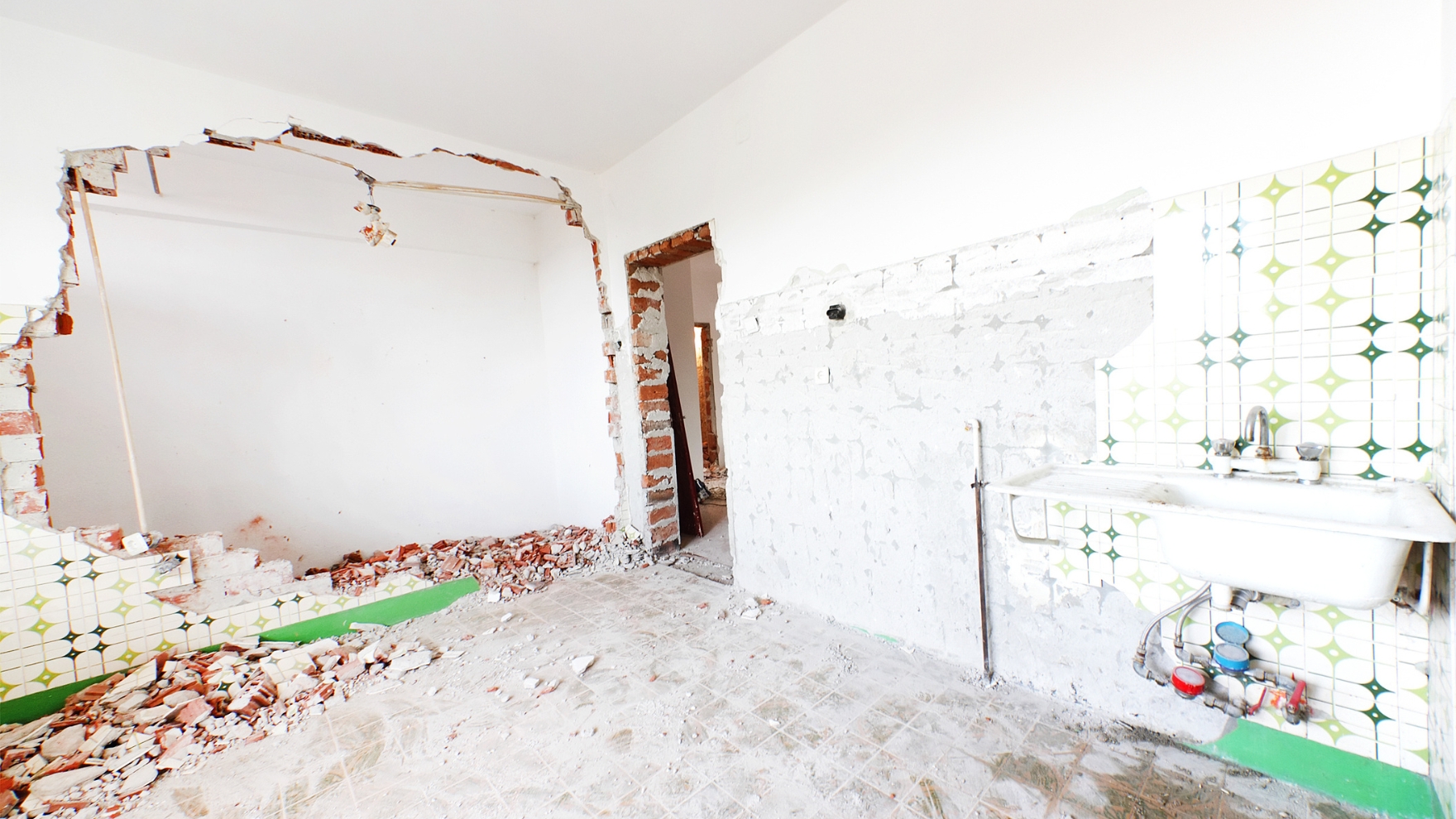
Once you cut into a wall, you are no longer just decorating. You are exposing structure, wiring and safety systems that building officials treat very differently from finished surfaces, and that can trigger upgrade rules you never budgeted for. Understanding why that happens, and how far those requirements can reach, is the difference between a clean inspection and a stalled project that suddenly needs new circuits, beams or permits.
Why opening a wall changes the rules
Building codes are written around what inspectors can see and verify, so the moment you open a wall, you invite closer scrutiny of everything inside it. Many jurisdictions use thresholds to decide when a simple repair becomes a substantial renovation, and one electrician on a professional forum described a local rule that if you open 50% or more of a room’s wall surface, that room must be brought up to current standards. In the same discussion, another code benchmark was that if renovations affect 50% of a building’s floor area, the entire structure can be treated as a major remodel that must comply with modern requirements, not just the area you touched.
That shift in classification matters because it changes what inspectors are allowed, and sometimes required, to demand. Once a project crosses a threshold like 50% of wall or floor area, you can be pushed from “repairing what is there” into “upgrading to today’s code,” which can mean new circuits, more outlets, or different wiring methods instead of simply reconnecting what you uncovered. Electricians in the same Feb discussion noted that when they open walls and rewire, they often “automatically” bring the house up to code, even where the letter of the rules might not force upgrades elsewhere, because inspectors expect disturbed systems to meet current standards and because it is safer in the long run.
Load bearing, fire safety and when you need approval
Structure is another reason a seemingly small opening can snowball into a bigger job. If the wall you are cutting into is load bearing, it is carrying the weight of ceiling joists or floor joists above, and removing or altering it without proper support can compromise the building. Contractors who specialize in wall removal stress that identifying a load bearing wall is not guesswork, it depends on how your house is framed and how those joists run, and in most cases taking out such a wall requires permits and inspections to confirm that new beams or posts meet local structural standards. Even when you only plan to open a section, building officials may treat it as structural work once they see framing members cut or modified.
Regulators also draw a line between cosmetic changes and anything that affects fire resistance or escape routes. Guidance on internal walls notes that taking down non load bearing partitions often does not need formal approval, but that changes when the wall is part of a protected stair enclosure, supports a floor, or has fire and escape implications. If your opening alters how smoke or fire might spread, or changes how people would exit a room or corridor, you can be required to meet current Building Regulations for fire separation, doors and escape paths, even if the original wall predated those rules.
Electrical upgrades hiding behind old plaster
Once plaster or drywall comes off, the electrical system inside is exposed, and that is where many surprise upgrades begin. Safety focused guidance on existing buildings is blunt that the primary reason for modern electrical codes is to reduce fire and shock risks, and that Outdated systems and deteriorated Wiring are a known hazard. When an inspector can suddenly see knob and tube conductors, ungrounded cables or overloaded junction boxes, it becomes difficult to argue that they should be left untouched, especially if you are already altering circuits or adding outlets as part of the remodel.
Professional electricians discussing remodels point out that once they start rewiring a house, they often treat it as an opportunity, and sometimes a necessity, to bring the entire system up to current code. One contributor, identified as Philliph, described that Anytime he has re wired a house, he has automatically upgraded it, acknowledging that this can be “quite a venture” but that it avoids piecemeal fixes that leave old hazards in place. Others in the same Mar thread noted that while code may not always require upgrading untouched parts of a home, disturbing existing wiring usually obligates you to replace it with compliant methods, and inspectors are more likely to insist on that once the walls are open and the condition of the system is visible.
Permits, unpermitted work and the resale trap
Permits are the formal trigger that turns a weekend project into regulated construction, and wall work often crosses that line faster than homeowners expect. Remodeling guidance on structural changes explains that in most cases, removing a load bearing wall requires building permits and inspections so officials can verify that the new structure meets local standards and that the change will not cause sagging or failure later. Even if your wall is not structural, opening large sections, moving electrical boxes or altering fire rated assemblies can push your project into permit territory, because those changes affect safety systems rather than just finishes.
The risks of skipping that step tend to show up when you sell. Real estate guidance on Unpermitted work defines it as any construction, renovation, remodel or addition done without required approvals, and warns that it can affect both safety and the property’s fair market value. Buyers and lenders may demand that unpermitted walls, openings or electrical changes be legalized, which can mean retroactive inspections, engineering reports and, in some cases, tearing out finished surfaces so officials can see what was done. If inspectors then find that your project should have triggered upgrades, you can be forced to complete those at resale, often under tighter timelines and with less control over costs than if you had addressed them during the original work.
How to plan so upgrades do not blindside you
Because the rules tend to kick in when you cross certain thresholds or disturb specific systems, planning ahead can keep your project from accidentally tripping into a full scale upgrade. Discussions among builders and homeowners highlight that, Generally, if you disturb existing structure or systems during a remodel, you should expect to replace them to meet current code rather than reinstalling what was there. That means mapping out how much wall surface you intend to open, how many rooms are affected and whether your work will touch structural framing, fire separations or major wiring runs, so you can estimate whether you are approaching a 50% style trigger or a scope that inspectors will treat as substantial renovation.
Practical steps follow from that assessment. Before you cut, you can consult building control officers or a qualified contractor to confirm whether a wall is load bearing, whether it forms part of a protected escape route and what permits are likely to be required. If you know you will expose old Wiring, you can budget for at least partial electrical upgrades and discuss with an electrician whether it is wiser to extend that work to adjacent rooms while access is easy. And if your home already has unpermitted alterations, you can factor in the possibility that opening walls will bring those to light, making it more important to regularize past work so that new changes do not compound the problem.
Like Fix It Homestead’s content? Be sure to follow us.
Here’s more from us:
- I made Joanna Gaines’s Friendsgiving casserole and here is what I would keep
- Pump Shotguns That Jam the Moment You Actually Need Them
- The First 5 Things Guests Notice About Your Living Room at Christmas
- What Caliber Works Best for Groundhogs, Armadillos, and Other Digging Pests?
- Rifles worth keeping by the back door on any rural property
*This article was developed with AI-powered tools and has been carefully reviewed by our editors.