Why smaller homes are still pricey, and why that makes maintenance feel worse
Smaller homes were supposed to be the pressure valve for an overheated housing market, a way to trade square footage for sanity. Instead, you are often staring at a listing that is compact, still expensive, and destined to need the same repairs and replacements as a larger place. When the purchase price feels out of proportion to the size, every leaky roof, broken appliance, or tax bill lands harder, turning routine upkeep into a source of resentment rather than pride.
Understanding why this happens starts with the math behind construction and financing, then runs through inflation, aging housing stock, and the quiet creep of “hidden” ownership costs. Once you see how those forces interact, you can make smarter decisions about what you buy, how you budget, and which maintenance battles are actually worth fighting.
The paradox of the pricey small house
You feel the paradox the moment you scroll through listings: a modest bungalow or one-bedroom condo can carry a price tag that looks more appropriate for a family-sized home. The core reason is that the market is not pricing your place as a simple cost per square foot, it is pricing scarcity, location, and the fact that many buyers are chasing the same smaller footprint. In a market where U.S. housing is described as “unaffordable” for typical earners, Demand for anything that looks remotely attainable pushes prices up, even when the square footage is shrinking.
At the same time, builders and sellers know that you are comparing monthly payments, not just floor plans. When mortgage rates only dipped as low as 6.2 percent at their recent trough, the focus for many buyers shifted to “what can I squeeze into my budget” rather than “how much space can I get.” That dynamic lets smaller homes command a premium because they are one of the few rungs left on the ownership ladder, which is why the price-to-size ratio feels so out of sync once you move in and start paying to maintain every inch.
Fixed costs that do not shrink with square footage
Even if you manage to buy a compact place, the underlying cost structure does not scale down neatly with the floor plan. Aug reports that Fixed Costs Don not magically disappear when you shave off a bedroom or a den. You still need a foundation, a roof, utility hookups, and the same number of exterior walls exposed to the elements, which means a big chunk of the construction and long term maintenance bill is essentially a flat fee, regardless of whether you live in 900 square feet or 2,000.
Every home also needs the expensive “core” rooms that drive both build and repair budgets. Aug notes that Every house, no matter its size, still requires at least one kitchen and one bathroom, which means you are paying for cabinetry, solid surface counters, plumbing, and tile whether you have a studio or a four bedroom colonial. When you divide those fixed costs by fewer square feet, the per foot number spikes, and later, when you replace a stove, re-tile a shower, or repair a sewer line, the bill is almost identical to what a larger home would pay, even though your living space is smaller.
Shrinkflation in housing: smaller, but not cheaper
What you are experiencing is a version of shrinkflation that has already hit grocery store shelves, only now it is baked into the largest purchase of your life. Aug reporting on Housing shows that New homes are 11% smaller but 74% more expensive than a decade ago, a combination that makes each square foot dramatically pricier. You are not imagining it when a compact new build feels like a luxury product with a starter home label, because the numbers confirm that the market is charging more for less.
Developers have responded to affordability pressures by trimming square footage rather than cutting finishes or profit margins, and Aug notes that Down Ar choices like tighter floor plans and smaller lots are now a structural feature of new construction. For you, that means the maintenance burden is concentrated on a smaller canvas that still carries the price tag of a much larger home a generation ago. When you are paying a premium that reflects 74% higher prices, every repair feels like it should come with the service level of a luxury condo, not the reality of a compact house that still needs gutters cleaned and siding repainted.
Hidden ownership costs that pile up fast
The sticker price on your mortgage is only the opening bid. Jun reporting on hidden expenses makes clear that But buying is just the beginning, with typical owners facing thousands in surprise costs that were not obvious at closing. Property taxes, homeowners insurance, utilities, lawn care, pest control, and routine repairs all stack on top of your principal and interest, and they do not care whether your home is “small” by modern standards.
Jul analysis of the next five years underscores how serious this has become, noting that According to a mid 2025 update by Bankrate, these extra costs for a single family home add an average $21,400 per year to what you thought you were paying. When you are already stretching to afford a smaller place in a high priced market, an additional $21,400 in annual outlays can make every maintenance task feel like a financial ambush, even if the work itself is routine.
Inflation and economic pressure on your maintenance budget
Even if you planned carefully, the broader economy has been working against your maintenance budget. Jun notes that Jun and other analysts point to the last five years of inflation pushing up the cost of everything from construction materials to contractor labor, which means the same repair quote that felt manageable a few years ago now arrives padded with higher hourly rates and pricier supplies. Rising utility bills and insurance premiums, driven by broader economic and climate trends, further erode the cushion you thought you had for upkeep.
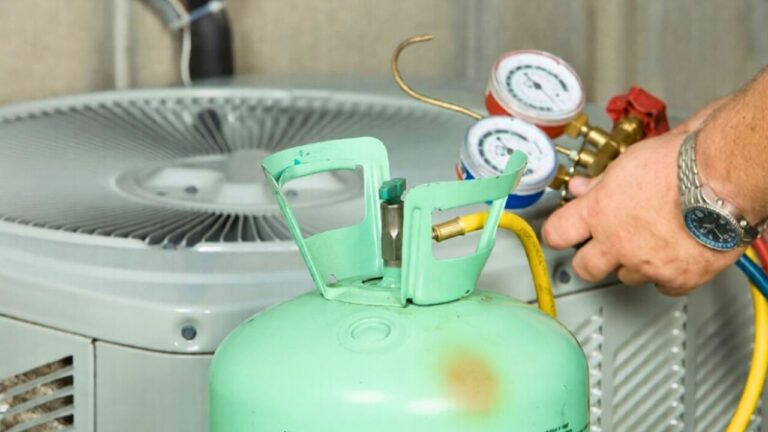
Jun coverage of Rising Costs and Economic Trends highlights how inflation and higher interest rates have combined to make ownership more expensive in many parts of the country, even before you factor in surprise repairs. When your income is not keeping pace with those pressures, the psychological weight of a $900 water heater replacement or a $3,000 HVAC repair is heavier, because it is competing with groceries, childcare, and student loans that all cost more too. In that environment, maintenance on a small but pricey home feels less like preserving an asset and more like plugging leaks in a budget that is already under strain.
Aging homes, rising repair bills
Another reason maintenance feels worse is that you are often buying into an aging housing stock that needs more work, not less. Aug reporting on Repair and remodeling costs notes that According to Verisk, the Repair & Remodel Index shows costs are skyrocketing as the housing stock is aging rapidly. Older roofs, original plumbing, and outdated electrical systems do not care that your home is modest in size, they simply fail on their own schedule, and the tradespeople who fix them are charging more for their time.
When you combine that with the fact that many buyers are putting less money down, as Home buyers are putting down less money amid an affordability squeeze, you end up with owners who have thinner equity cushions and less cash left over for repairs. If you stretched to close with a small down payment, then immediately face a string of age related fixes, it is no wonder that every maintenance invoice feels like an indictment of how much you paid for a relatively small space.
Why “small” does not always mean cheaper to run
On paper, a smaller home should be cheaper to operate, but the reality is more complicated. Aug discussion among tiny house owners points out that A large part of cost per foot is concentrated in kitchens and bathrooms, which do not shrink much even when the overall footprint does. If your compact home still has a full suite of stainless appliances, stone counters, and a tiled walk in shower, you are carrying the same replacement and repair exposure as a larger property that spreads those costs over more square feet.
Utilities can also be surprisingly sticky. Poor insulation, original single pane windows, or an undersized but overworked HVAC system can leave you with energy bills that are not dramatically lower than those of a bigger, better built home. When you layer in fixed charges on water, sewer, trash, and internet, the monthly savings from going small may be modest, which is why the maintenance and operating costs feel disproportionate to the space you actually live in.
How high prices change the psychology of upkeep
There is also a psychological shift that comes with paying a premium for a small home. When you know that New homes are 11% smaller but 74% more expensive, as Aug reporting on New construction makes clear, you naturally expect the day to day experience to feel elevated. Instead, you are still the one clearing hair from the shower drain, repainting scuffed walls, and calling a plumber when the water heater fails, and the mismatch between luxury level pricing and ordinary maintenance can breed frustration.
That frustration is amplified by the way additional costs have jumped. Nov reporting notes that Key Takeaways include Additional costs associated with owning a home, like taxes, utilities and maintenance, jumping to $24,529 in yearly outlays, plus another $3,077 in yearly costs in some cases. When you are already absorbing that level of ongoing expense, even a minor repair can feel like the last straw, because it is one more reminder that your “affordable” small home is consuming a large share of your income.
Strategies to make a small, expensive home feel sustainable
Despite all of this, you are not powerless. The same Jul forecast that highlights an extra $21,400 per year in ownership costs also argues that total cost of ownership will become more important, which is your cue to treat maintenance as a core part of the buying decision rather than an afterthought. Before you close, you can use inspection reports to negotiate credits for big ticket items like roofs and HVAC systems, or to walk away from homes where the likely five year repair bill is incompatible with your budget, even if the listing price looks tempting.
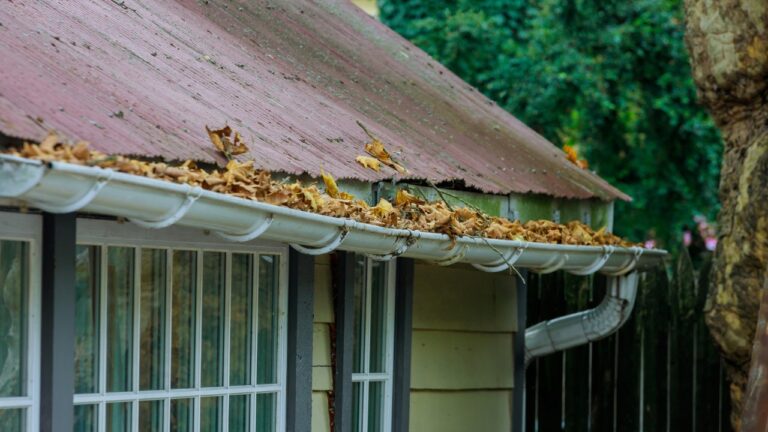
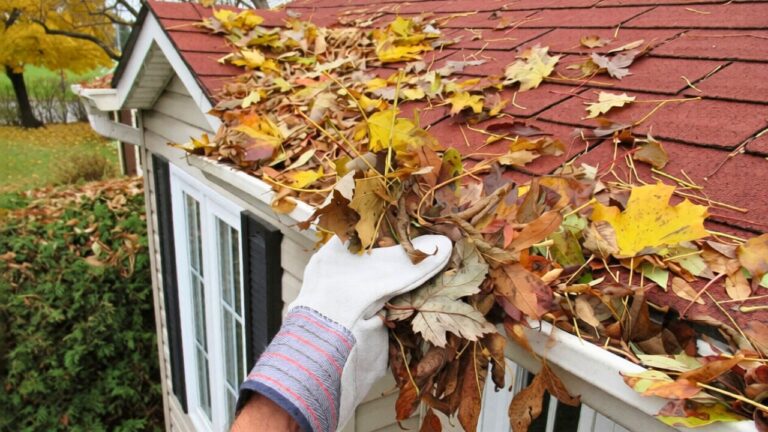
Once you own the place, you can tilt the math back in your favor by prioritizing preventive work that reduces the risk of catastrophic failures. Cleaning gutters, servicing your furnace, sealing gaps, and upgrading to efficient LED lighting and smart thermostats can trim both repair and utility costs over time. Jun analysis of Buying and Jun coverage of rising costs both point to the same conclusion: when you budget realistically for maintenance and treat it as part of the true price of admission, a small but expensive home can feel less like a trap and more like a manageable, if imperfect, foothold in a tough housing market.
Like Fix It Homestead’s content? Be sure to follow us.
Here’s more from us:
- I made Joanna Gaines’s Friendsgiving casserole and here is what I would keep
- Pump Shotguns That Jam the Moment You Actually Need Them
- The First 5 Things Guests Notice About Your Living Room at Christmas
- What Caliber Works Best for Groundhogs, Armadillos, and Other Digging Pests?
- Rifles worth keeping by the back door on any rural property
*This article was developed with AI-powered tools and has been carefully reviewed by our editors.