Why some upgrades don’t add value the way homeowners expect
Homeowners often assume that every renovation is an investment, but the market does not always agree. Some of the most expensive upgrades return only a fraction of what you put in when you eventually sell, leaving you with a thinner wallet and little pricing power. Understanding why certain projects fall flat with buyers helps you protect both your budget and your future resale value.
The gap between what you love and what the next owner is willing to pay for is at the heart of the problem. When you treat your house like a custom product instead of a broadly appealing asset, you risk pouring money into features that feel dated, fussy, or impractical long before you recoup the cost. The goal is not to stop improving your home, but to be clear-eyed about which upgrades are for your enjoyment and which are likely to pay you back.
The myth that every upgrade is an “investment”
You are constantly told that home improvements “build equity,” so it is easy to believe that any upgrade will show up as a higher sale price. In reality, many projects behave more like luxury consumption than investment, especially when you overspend relative to your neighborhood. Even widely admired renovations, such as high-end kitchens or spa bathrooms, often recoup only part of their cost when you sell, because buyers compare your home to similar listings rather than to your receipts.
That disconnect shows up clearly in return on investment data, where some of the priciest projects recoup only about 50 to 60% of what you spend. The message is simple: Not all upgrades are created equal, and the market does not reward every dollar in the same way. If you treat every project as a guaranteed investment instead of a calculated risk, you set yourself up for disappointment when buyers push back on your asking price.
Personal taste versus broad buyer appeal
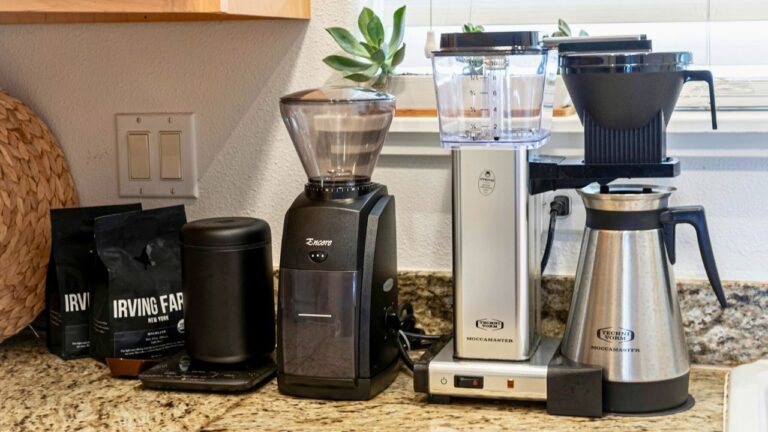
The upgrades most likely to underperform are the ones that reflect very specific personal taste. You might love a moody black kitchen, a built-in espresso bar, or a primary suite turned into a yoga retreat, but the next owner may see only the cost and hassle of reversing those choices. When renovations clash with the rest of the interior or feel out of sync with the home’s architecture, they can actually make the property feel less cohesive and therefore less valuable.
Guidance on resale value repeatedly warns that highly personalized designs, from unusual color schemes to niche layouts, can limit your buyer pool because many people will choose neutral, flexible spaces over bold statements. A detailed breakdown of why a Major Renovation Doesn Always Increase Your Home Resale Value Here Why notes that renovations that clash with the interior or feel like a must-have only for a narrow group tend to underperform. The more your project looks like it was designed for one specific household, the less likely it is to command a premium from everyone else.
When “wow factor” becomes a resale liability
Some upgrades are built for the “wow” moment during a showing, but that initial excitement can fade once buyers start thinking about maintenance, insurance, and long term practicality. A dramatic sunroom, for example, can feel like a bright, luxurious bonus, yet it often lacks the insulation and structural integration of a full addition. That means higher heating and cooling costs and a space that is less usable year round, which is why you are unlikely to get the same return on investment as you would from a more conventional expansion.
Similar concerns apply to elaborate outdoor features that look great in photos but require constant upkeep. A detailed list of projects that do not reliably pay off points out that a sunroom can seem like a smart alternative to a larger addition, yet it may add less, or even negative, value once buyers factor in energy performance and maintenance. When you chase wow factor without considering how the feature will live day to day, you risk creating a showpiece that future owners quietly discount.
High maintenance, high cost, low enthusiasm
Another reason some upgrades fall short is that buyers are increasingly wary of anything that looks expensive or time consuming to maintain. As housing costs and insurance have climbed, people are more focused on predictable monthly expenses and less eager to inherit complicated systems or fragile finishes. A backyard full of intricate hardscaping, water features, and custom lighting might impress at first glance, but it also signals higher upkeep, specialized repairs, and potentially higher insurance premiums.
Real estate experts flag High Maintenance Outdoor Upgrades as one category that will no longer add much value in 2026, precisely because buyers are watching ongoing costs so closely. The same logic applies inside the house, where complex built-in electronics, specialty surfaces, and custom mechanical systems can feel like future headaches. When an upgrade looks like it will age faster than the mortgage, many buyers quietly subtract its cost from what they are willing to pay.
Over-customization and lost functionality
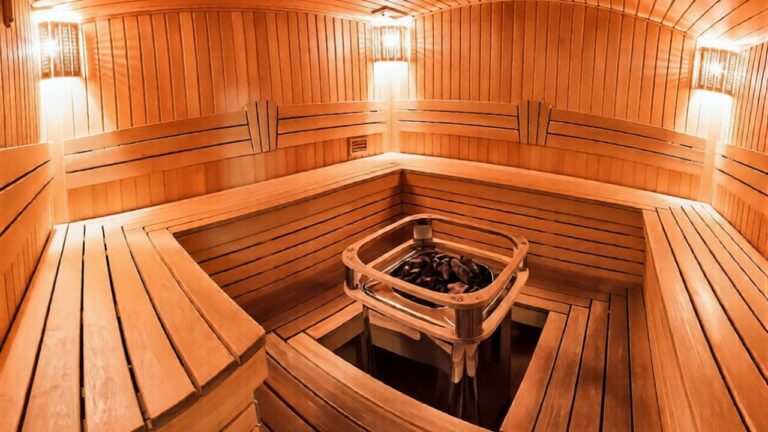
Some of the most damaging projects are the ones that reduce core functionality in the name of customization. Combining two bedrooms into one oversized suite, for example, may suit your lifestyle, but it can make the home harder to sell because buyers count bedrooms when they compare listings. If you remove a bedroom, shrink a closet, or eliminate a tub in the only full bathroom, you are trading away features that many shoppers consider non negotiable.
Renovation trend analysis highlights Overly Customized Features such as Combining two bedrooms into one and Reducing the number of bedrooms as clear examples of changes that can hurt value. Broader guidance on Low Impact Renovations also warns that Excessive Highly personalized layouts and specialized rooms, like a dedicated home theater carved out of a bedroom, appeal to a narrow slice of buyers. When you remove flexibility, you make it harder for the next owner to imagine their own life in the space, and that shows up in the offers you receive.
Built-ins, electronics, and tech that age too fast
Technology driven upgrades are especially vulnerable to rapid obsolescence. A wall of built-in speakers, a custom media niche sized for a specific television, or a rack of hardwired smart home components can look dated within a few years as standards and devices change. Buyers who prefer their own gear may see these features as clutter or as a costly removal project rather than as a bonus.
Resale guidance notes that Built In Electronics While they may be perfect for your current home theater, can actually turn away prospects and may not add any value to your home. A broader review of Low Impact Renovations points out that specialized features like a home recording studio or unconventional built-ins limit appeal to future buyers who do not share those hobbies. When you hardwire technology into the structure, you are betting that the next owner will want the same devices you do, and that is rarely a safe assumption.
Neighborhood ceilings and the risk of overbuilding
Even a beautifully executed project can fail to pay off if it pushes your home far beyond the price range of surrounding properties. Every area has a rough “ceiling price,” the level at which buyers start to balk because they can find larger or newer homes elsewhere for similar money. If you pour funds into a luxury kitchen, a two story addition, and a designer primary suite in a modest street of starter homes, you may end up with a property that is simply too expensive for the neighborhood.
Renovation guides explain that if your area is affected by a ceiling price, no matter how much improvement you undertake, your home is unlikely to sell above that band. A separate analysis of projects that do not add value warns that Oversized While home additions can make a house more expensive than surrounding properties, which shrinks your buyer pool. The risk is not just that you will fail to recoup the last dollar you spent, but that you will struggle to attract any offers at your target price.
Rough work, DIY missteps, and hidden red flags
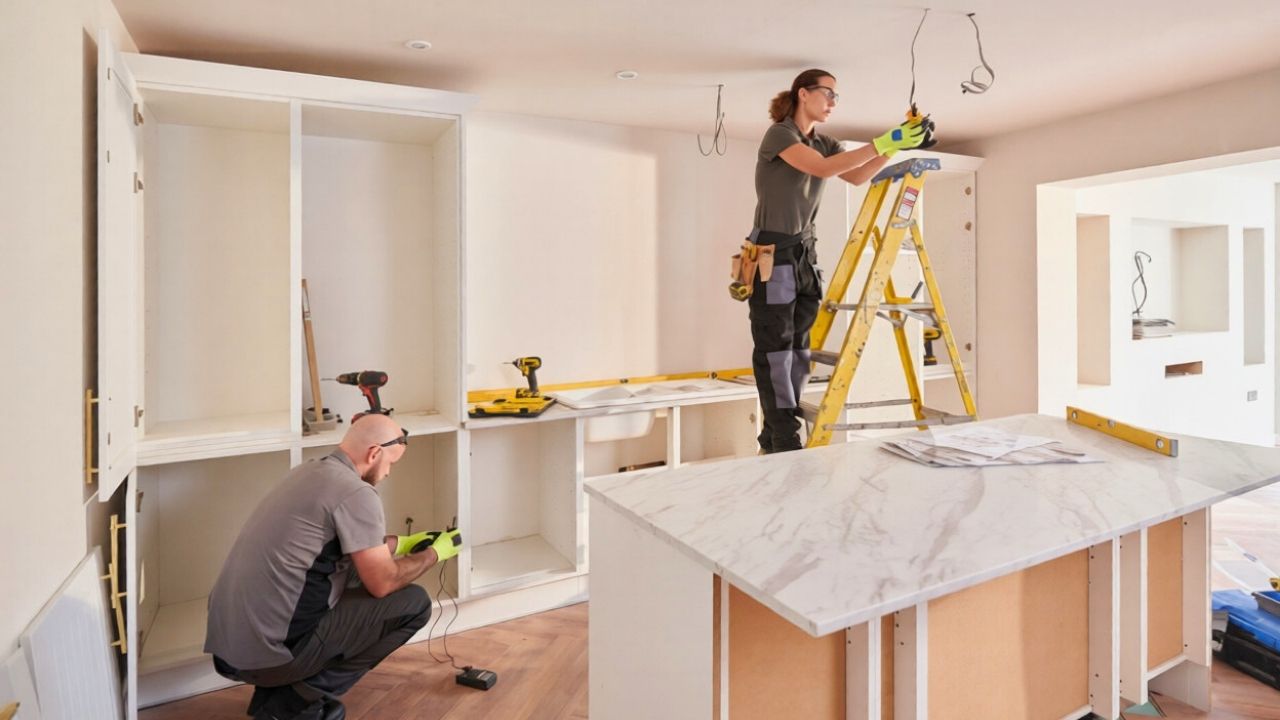
Even when you choose the right type of project, poor execution can erase much of the potential value. Sloppy tile work, uneven flooring, or visible seams in drywall signal to buyers that the renovation may not be structurally sound, which raises questions about what they cannot see. Cosmetic flaws also give buyers leverage to demand price cuts or repair credits, especially in a market where they have options.
Financial institutions caution that Here Rough Renovation projects are among the first things that can reduce the value of your home, because they suggest shortcuts and future repair bills. A separate review of projects that do not add value notes that while DIY efforts like garage conversions or structural changes can seem cost effective, they may violate codes, raise liability concerns, or simply look unprofessional, all of which drag down perceived value. When buyers sense that they will need to redo your “improvements,” they mentally subtract the cost of fixing them from what they are willing to pay.
Shifting market priorities in the Great Housing Reset
The broader housing landscape is also reshaping which upgrades matter. As borrowing costs, insurance premiums, and climate risks evolve, buyers are prioritizing efficient layouts, durability, and low operating costs over flashy extras. Floor plans that once felt aspirational, such as sprawling formal spaces or single purpose rooms, are now facing more scrutiny from shoppers who want every square foot to work hard.
Market forecasts describe The Great Housing Reset as a period in which buyers reassess what they value, with Ins lenders and insurers also influencing what is considered desirable. Renovation experts note that More and more floor plans that do not work as well nowadays are getting more pushback, according to Santiago, while buyers gravitate toward flexible spaces and specialty room options that genuinely fit modern life. At the same time, detailed lists of Key Points Renovations Upgrades that lower value in 2026 emphasize that projects removing functionality or storage, such as getting rid of existing sheds, are particularly risky. In this environment, upgrades that once felt like automatic wins, including Jun Key There Overly customized additions or Nov Why Some Home Renovations Fail Deliver ROI Buyers Maintenance heavy features, are being reassessed. Real Estate Experts Reveal the Upgrades That Will No Longer Add Value High End Luxury Additions, noting that buyers are less eager to inherit complicated systems or ultra luxury finishes that do not align with their budgets. In short, the market is rewarding thoughtful, durable, and flexible improvements, while punishing projects that are expensive to own or hard to adapt.
Like Fix It Homestead’s content? Be sure to follow us.
Here’s more from us:
- I made Joanna Gaines’s Friendsgiving casserole and here is what I would keep
- Pump Shotguns That Jam the Moment You Actually Need Them
- The First 5 Things Guests Notice About Your Living Room at Christmas
- What Caliber Works Best for Groundhogs, Armadillos, and Other Digging Pests?
- Rifles worth keeping by the back door on any rural property
*This article was developed with AI-powered tools and has been carefully reviewed by our editors.