Why unfinished electrical work raises red flags with insurers
Insurers are looking more closely at what is behind your walls, and half-finished electrical projects are one of the fastest ways to make them nervous. When wiring is exposed, panels are outdated, or DIY fixes are left midstream, underwriters see a higher chance of fire, injury, and expensive claims. If you leave electrical work unfinished, you are not just risking a shock hazard, you are also putting your coverage, premiums, and even your ability to renew a policy on the line.
To understand why, you need to see your home the way an insurer does: as a bundle of potential losses that must be priced and controlled. Unfinished electrical work signals that those losses are harder to predict and more likely to happen, which is exactly what insurers are trying to avoid.
Why insurers care so much about your wiring now
Home insurance used to be priced largely on broad factors like ZIP code and square footage, but carriers are now scrutinizing the interior of your property in far more detail. Underwriters are paying close attention to outdated wiring, visible junction boxes, and signs of amateur tinkering, because these details correlate directly with fire risk. When an inspector walks into a home and sees open splices or loose cables, they do not see a project you plan to finish later, they see a claim waiting to happen.
That shift is part of a broader move away from blunt pricing toward risk-based underwriting that drills into specific hazards. Interior red flags like DIY electrical work now trigger demands for correction by a licensed electrician or the threat of nonrenewal. In that environment, leaving electrical work unfinished is not a neutral choice, it is a signal that you may not be managing risk to the standard insurers now expect.
How unfinished work looks during an insurance inspection
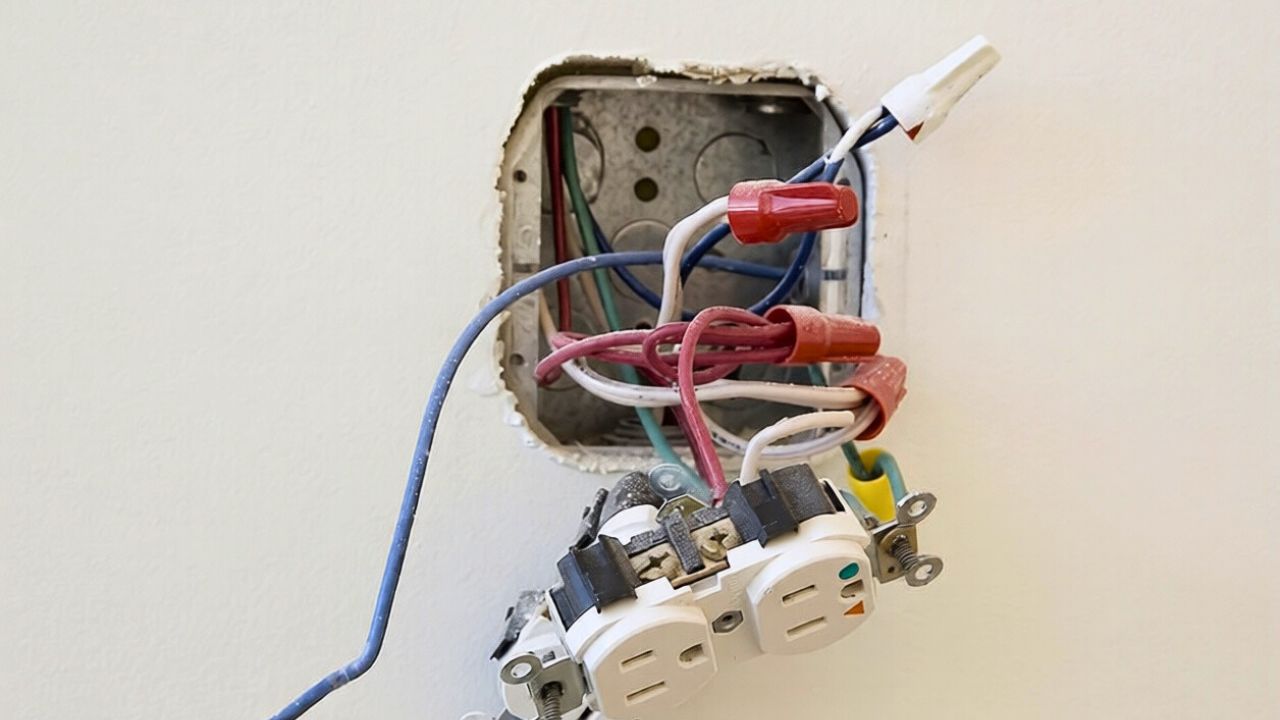
When an inspector visits your property, their job is to give the carrier a clear, documented picture of what they are being asked to insure. Insurance companies rely on these inspections to decide whether to offer coverage, how to price it, and what conditions to attach. Exposed conductors, missing cover plates, temporary lighting circuits, or a half-installed subpanel all tell the inspector that the electrical system is in flux, which makes risk assessment harder and less favorable to you.
Carriers already treat visible structural issues, such as Dilapidated Outbuildings, as signs that a property is not being maintained, and unfinished electrical work falls into the same category. If the inspector cannot tell what has been done, what is still live, or whether permits were pulled, they will flag the uncertainty itself as a problem, which can lead to higher costs or limited protection until you provide proof of proper completion.
Outdated wiring and half-finished circuits as coverage risks
Old or partially replaced wiring is one of the most common ways unfinished work shows up in a home. You might have started upgrading a few rooms and left others on older circuits, or you might have run new cable without fully terminating it. From an insurer’s perspective, that patchwork increases the chance of overloads, shorts, and overheating. Professional electricians warn that Why Outdated Wiring a cosmetic issue, because it can turn everyday use of appliances into a serious hazard.
Tell-tale signs like Flickering lights, buzzing outlets, and frequently tripped breakers are not just annoyances, they are evidence that the system is under stress. If you leave those symptoms unaddressed while also leaving new work incomplete, you are effectively documenting that you knew there was a problem and did not fix it. In a worst case, that can give an insurer grounds to argue that you failed to maintain the property to a reasonable standard, which is exactly how some policies end up voided after a fire.
Why DIY electrical projects alarm inspectors
Unfinished work and do-it-yourself wiring often go hand in hand, and inspectors are trained to spot both. One of the most common red flags they report is amateur electrical work that was never permitted or inspected, often disguised as a “temporary” fix that becomes permanent. When they see loose wire nuts, mismatched cable types, or nonstandard connections, they know the odds are high that the work was not done by a licensed electrician.
Professionals stress that Why Homeowners Shouldn attempt complex wiring themselves is simple: Electrical Work Is. Electricity is unforgiving, and a mistake that seems minor to you can lead to fire, shock, or a claim that costs you thousands out-of-pocket. When an insurer sees visible DIY wiring that is not even finished, they are effectively being asked to underwrite both the hazard and your learning curve, which is a risk many are no longer willing to take.
Panels, fuse boxes, and the problem of “almost upgraded” systems
Electrical panels sit at the center of your system, so insurers pay close attention to their age and condition. Guidance to property owners now emphasizes that Your Panel is not just a metal box, it is a key risk factor. Age Is a major Factor, and panels older than 30 years, especially certain brands, are now treated as known hazards. If you start a panel replacement and leave it incomplete, with circuits hanging or covers missing, you are amplifying a risk that is already on the insurer’s radar.
Underwriters are particularly wary of John A. Federal Pacific and Zinsco equipment, which industry voices say Absolutely do not belong in modern insured properties. Underwriters do not want to see these panels at all, and timelines for correction have tightened. If you have one of these units and you start an upgrade without finishing it, you are almost guaranteeing a difficult conversation with your insurer about whether the property is even insurable.
When insurers demand upgrades before they will renew
As losses from electrical fires and failures mount, carriers are increasingly requiring owners to modernize their systems as a condition of coverage. Electrical contractors report that Why Insurance Companies is straightforward: older or compromised systems present an increased risk of fire, shock, and property damage. In some cases, owners are told they must complete specific upgrades before a carrier will issue a new policy or renew an existing one.
If you respond to that kind of requirement by starting work and then stalling, you put yourself in a bind. The insurer has already documented that your existing system is inadequate, and the partially completed upgrade may be even less safe than what you had before. Some carriers now warn that if required electrical work is not finished by the deadline, they may decline to bind or walk away at renewal, leaving you scrambling for coverage in a market that is already wary of homes with increased risk.
Red flags that can make a property uninsurable
Some electrical warning signs are now so closely associated with catastrophic losses that they can make a property effectively uninsurable until corrected. Industry guidance highlights Outdated and unsafe panels that have a documented history of failures, especially in many commercial and multifamily buildings. Few issues get an underwriter’s attention faster than obsolete equipment combined with visible signs of tampering or incomplete work.
Unfinished projects also intersect with other liability concerns. If you have open junction boxes in a basement where tenants or visitors walk, or temporary cords feeding permanent fixtures, you are stacking trip hazards and shock risks on top of fire exposure. When you add in other flagged conditions, such as Why unstable structures or neglected areas matter Because they complicate risk assessment, you can see how a carrier might decide that the overall exposure is simply too high.
Permits, unlicensed contractors, and the legal fallout
Insurers also pay attention to how electrical work is done, not just whether it is finished. If you hire someone who is not properly licensed, or you skip permits to save time, you are creating a paper trail that can come back to haunt you. Consumer advocates in Virginia urge homeowners to verify licenses through the Virginia Department of Professional and Occupational Regulation, precisely because unlicensed work can void warranties and complicate insurance claims.
Lawyers who sue over hidden home damage warn that danger of failing for electrical and plumbing work is that problems remain concealed until something goes badly wrong. If a fire or shock injury is traced back to unpermitted, unfinished wiring, you may face not only a denied claim but also allegations that you knowingly allowed unsafe conditions. That is why reputable contractors and consumer advocates alike urge you to avoid unlicensed operators and to insist that every job is permitted and inspected before you consider it complete.
How to get electrical work finished in a way insurers respect
If you already have unfinished electrical work, the most effective way to get back on solid ground with your insurer is to bring in a qualified professional and close the loop properly. Experienced inspectors stress that Do Electrical Work through licensed tradespeople, not as a weekend experiment. Video guidance from high profile builders underscores that the unlicensed contractor is a risk you would not accept in other parts of your life, and you should not accept it when dealing with something as unforgiving as live power.
Once the work is complete, keep documentation organized. That means permits, inspection sign-offs, and invoices that clearly identify the licensed electrician and the scope of the job. If your insurer has already flagged issues, share proof that you hired a professional and that the system now meets current standards. In some cases, carriers even view proactive upgrades favorably, especially when they reduce the chance of Electrical fires, shocks, and injuries that could otherwise lead to claims your household might not survive financially.
Protecting your policy before a problem starts
The safest strategy is to think about your insurer before you ever open a panel or pull a wire. If you are planning a renovation, talk with your agent about how the work might affect your coverage and whether the carrier has specific requirements for electrical upgrades. Many now expect that any significant change to the system will be done by a licensed electrician and inspected, especially in older homes where Why Insurance Companies is already part of the conversation.
It is also worth paying attention to the broader signals coming from the market. Coverage for electricians themselves highlights that One error or oversight can lead to lawsuits and losses large enough to threaten a business. If professionals need specialized insurance to manage those risks, it should be a clear sign that unfinished electrical work in your own home is not something an insurer will shrug off. By finishing projects promptly, using licensed contractors, and keeping your documentation in order, you give underwriters fewer reasons to worry and a stronger basis to keep protecting your home.
Like Fix It Homestead’s content? Be sure to follow us.
Here’s more from us:
- I made Joanna Gaines’s Friendsgiving casserole and here is what I would keep
- Pump Shotguns That Jam the Moment You Actually Need Them
- The First 5 Things Guests Notice About Your Living Room at Christmas
- What Caliber Works Best for Groundhogs, Armadillos, and Other Digging Pests?
- Rifles worth keeping by the back door on any rural property
*This article was developed with AI-powered tools and has been carefully reviewed by our editors.