
Why your front door is letting out more heat than your windows
Most people assume their windows are the main source of heat loss in winter, but the truth is your front door can be an even bigger culprit. Between worn-out weather stripping, thin materials, and gaps that form over time, that door you use every day might be quietly driving up your heating bill.
The good news? You can fix it once you know where the problem’s hiding.
The weather stripping has worn down
Weather stripping is one of those small details that makes a huge difference. It’s supposed to create a tight seal around the door frame, keeping cold air out and warm air in. But after a few years of opening, closing, and slamming the door, that rubber or foam starts to crack and flatten.
You’ll notice it when you can see daylight around the edges or feel a draft near the bottom. Replacing weather stripping is an easy afternoon job—it costs less than $20 and can cut down on energy loss right away. If your current material has hardened or started peeling, it’s time to replace it before winter really hits.
The door itself isn’t insulated
Older doors, especially hollow-core ones, don’t do much to stop heat from escaping. Metal and wood doors both lose warmth quickly if they don’t have a proper insulated core. That’s why modern exterior doors are usually made of fiberglass or steel with foam insulation inside—they act as a barrier instead of a heat sink.
If your door feels cold to the touch on a winter day, it’s probably underinsulated. Adding a storm door or replacing it with an insulated model can make a noticeable difference. It’s one of those upgrades that pays you back in comfort and lower utility costs.
The threshold isn’t sealed properly
Look at the bottom of your door. That metal or wood strip the door closes against—the threshold—is often where most of the heat sneaks out. Over time, the rubber gasket or sweep attached to it wears away, leaving a small but steady gap.
You can usually fix it with an adjustable threshold or by replacing the sweep itself. Shut the door, turn off the lights, and check if you see daylight under it. If you do, that’s your heat heading straight outdoors.
Expansion and shrinkage make gaps worse
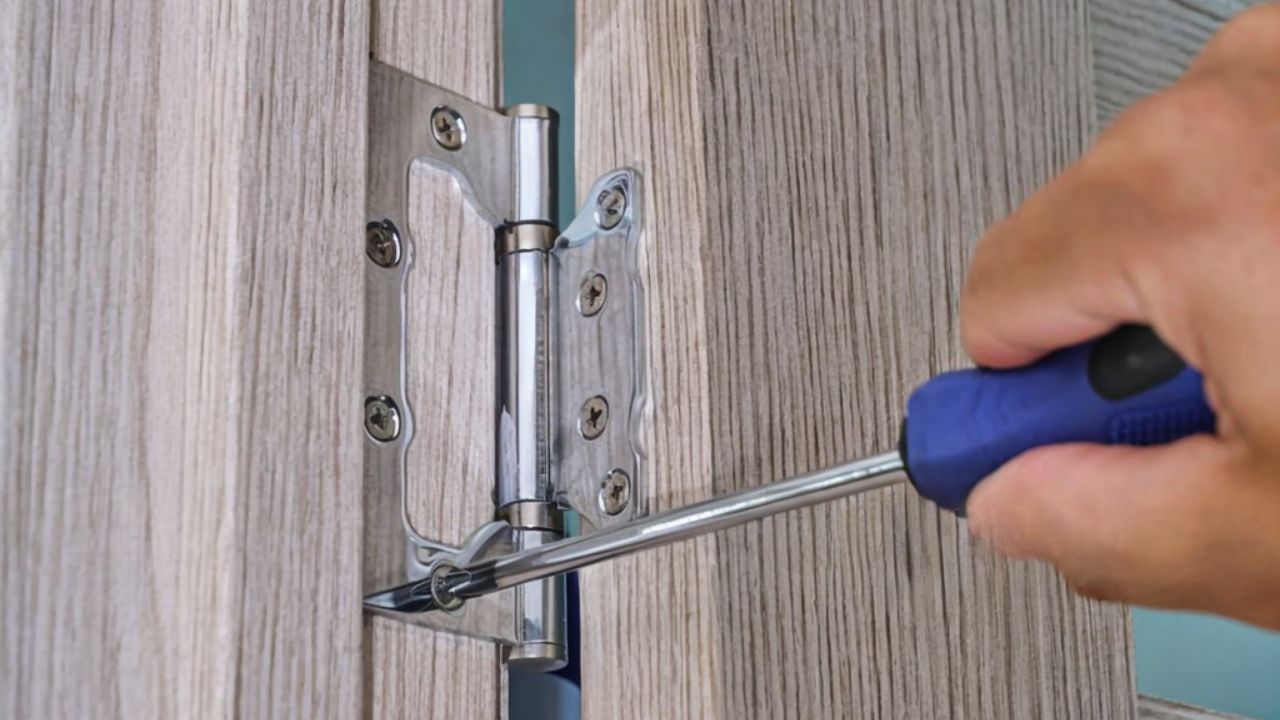
Wood doors and frames naturally expand and contract with temperature changes. That means the tight seal you had in fall might be gone by mid-winter. Even a tiny gap can create a surprising draft—air finds its way through cracks you’d never think matter.
Checking and adjusting the door alignment once or twice a year can help. Tighten the hinges, add shims if needed, and make sure the latch pulls the door snugly into the frame. You don’t need a professional for this—just a screwdriver and a few minutes of patience.
Glass panels can be energy leaks
If your front door has decorative glass panels, they’re another weak spot. Single-pane glass lets heat pass through quickly, especially if it’s not sealed properly. Even double-pane inserts can fail over time, leaving fog or condensation between the layers.
You can apply a clear insulating film over the glass during winter or replace old inserts with low-E glass. It’s not the prettiest weekend project, but it keeps the temperature inside much more stable.
Air sneaks in around the frame
Even if the door itself is solid, the frame around it can shift slightly over the years. Gaps between the frame and the wall—especially near the top corners—let cold air slide right in. Builders often use foam insulation behind trim, but it can settle or break down over time.
Pull back the interior casing and fill any empty spots with spray foam made for doors and windows. It expands just enough to seal without warping the frame. This step alone can eliminate those sneaky drafts that never seem to go away.
Metal doors act like radiators
If you have a metal door that’s not insulated, it can actually pull heat out of your home. Metal transfers temperature faster than most materials, so when it’s freezing outside, the interior surface of that door gets cold fast—and keeps drawing warmth toward it.
Adding a storm door or an interior draft curtain can help block that temperature transfer. You can even stick thin insulating panels on the inside temporarily in winter to cut down on heat loss without replacing the whole thing.
Storm doors add a second layer of defense
A storm door doesn’t just keep out rain—it traps an extra pocket of air between your main door and the outdoors, which acts like insulation. In winter, that barrier slows heat loss. In summer, it keeps the hot air out.
If you live in a windy or exposed area, adding a storm door can make your entryway noticeably warmer. Just make sure it’s installed correctly so it seals tight and doesn’t block your main door from closing smoothly.
Little fixes add up fast
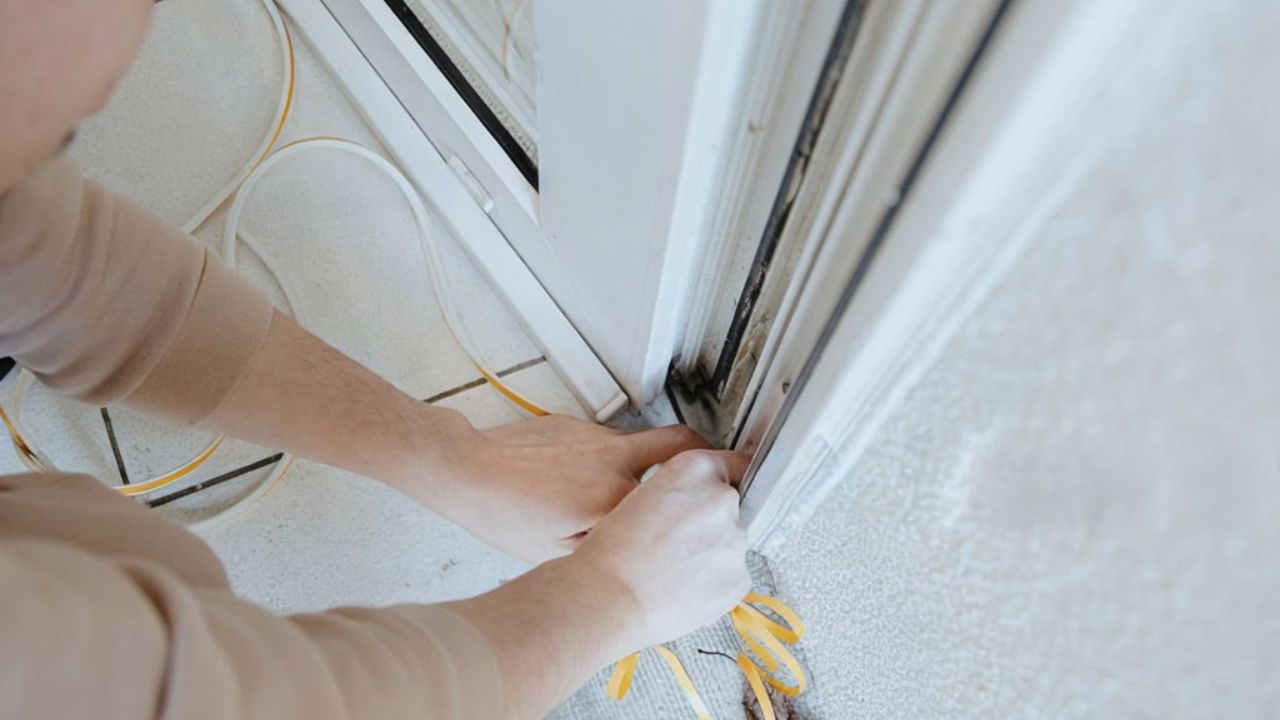
The front door doesn’t seem like a big deal until you realize how much it impacts your comfort and energy bill. Between air leaks, thin materials, and neglected maintenance, that single entry point can lose as much heat as several windows combined.
Spend an hour checking for drafts, resealing gaps, and tightening up what’s loose. You’ll feel the difference the next time a cold front rolls in—and you won’t be wondering why your heat bill jumped again this month.
Like Fix It Homestead’s content? Be sure to follow us.
- Man Says He Found Out the Fence He Paid For Wasn’t Actually on His Property
- Woman Says Her Neighbor Started Taking Mulch From Her Delivery Pile Before She Could Even Spread It
- I made Joanna Gaines’s Friendsgiving casserole and here is what I would keep
- What Caliber Works Best for Groundhogs, Armadillos, and Other Digging Pests?
*This article was developed with AI-powered tools and has been carefully reviewed by our editors.