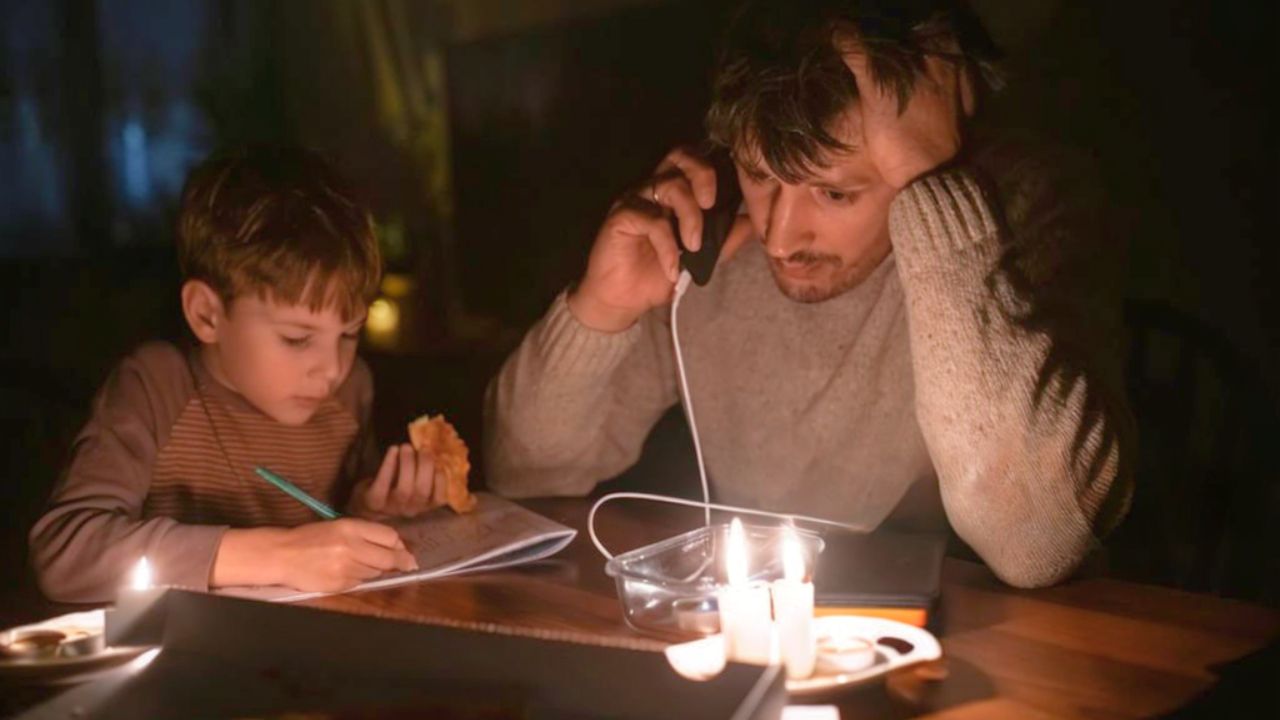
You don’t know how underprepared you are until the power’s been out for 3 days
The first few hours without power feel like an inconvenience. By the end of the first day, it’s a problem. Once you hit that third day, reality sets in—you start realizing how dependent your life is on things you can’t control.
Homesteaders, preppers, and everyday families alike learn this lesson the hard way. It’s not the dramatic stuff that gets you first. It’s the quiet, frustrating details you didn’t think about until the lights went dark and didn’t come back on.
You find out fast what you actually depend on
You think you’ll be fine without power—until you realize how many small things rely on it. The well pump, the freezer, the router, the stove ignition. You can have food and water stored, but if you can’t cook or clean properly, the comfort you thought you had disappears fast.
Within 24 hours, you start changing how you move through the day. You ration battery power, watch what you open in the fridge, and track how much daylight you have left to get things done. It’s not dramatic—it’s eye-opening.
Water becomes the biggest issue
If your house runs on a well, power loss means the pump’s dead, and suddenly water isn’t as “on hand” as you thought. You learn to save every drop—filling buckets, using rain barrels, or dipping from ponds if it comes to that. Even flushing a toilet becomes a small decision instead of a given.
You start realizing why old homesteads had hand pumps, water tanks, and gravity-fed systems. Water security becomes more than a comfort—it’s survival-level planning.
Food storage has an expiration date
After a few days, you start doing math in your head about what’s spoiling and what’s safe. You can’t open the fridge too often, but you also can’t ignore what’s inside. Frozen food starts to thaw, and pantry meals suddenly look a lot more appealing.
The people who plan ahead have coolers, dry ice, or generators ready to protect their food supply. Everyone else ends up wasting hundreds of dollars in spoiled groceries and realizing how fragile their “stocked kitchen” actually is.
You learn how dark dark really is
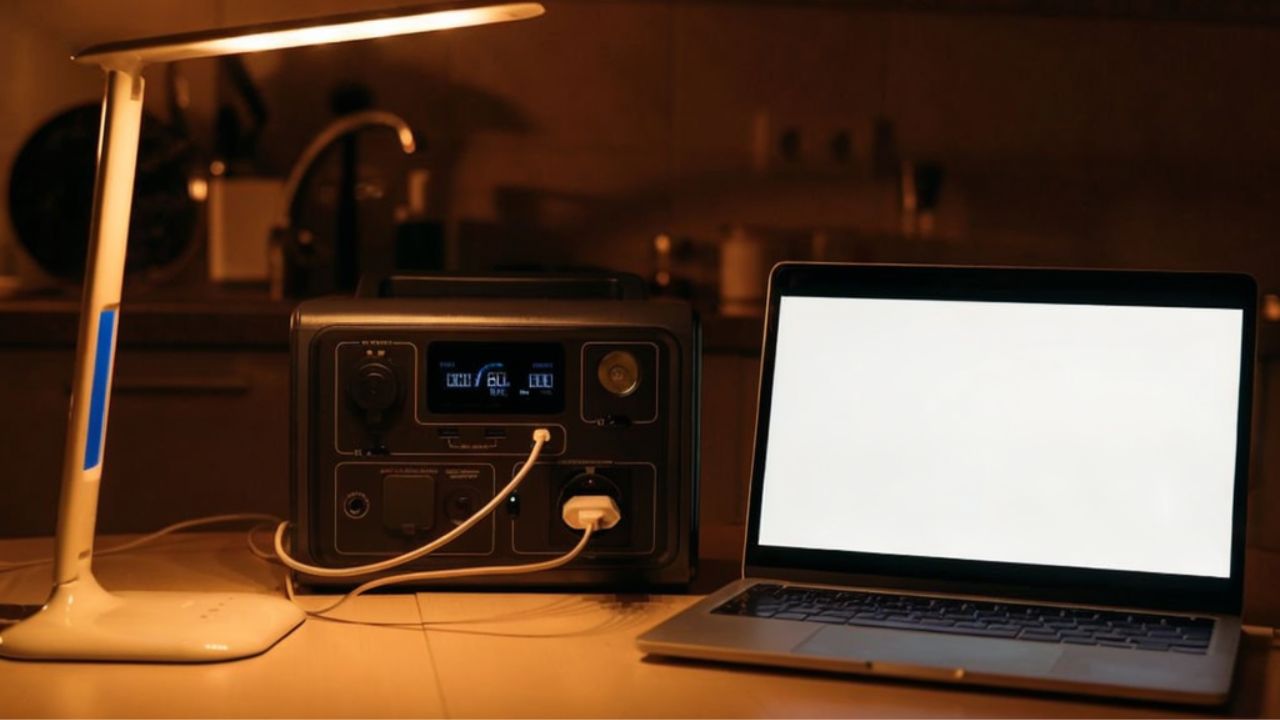
When the sun goes down, your home becomes a cave. Flashlights help, but batteries drain fast, and candles only go so far. The first night, it feels like camping. The third night, it’s frustrating and disorienting.
Light becomes a form of control—it changes your mood and helps you stay functional. That’s when solar lanterns, headlamps, or even rechargeable power banks start feeling like luxuries instead of extras.
Communication breaks down
Without power, your phone becomes both your lifeline and your biggest worry. Once the charge drops, you start realizing how much you rely on connectivity—texts, news updates, even weather alerts.
You start thinking differently about radios, solar chargers, and printed contacts. You learn quickly that information is as critical as food and water when things stretch beyond a day or two.
Comfort starts to fade
By day three, the small things start to wear on you. The house smells off, your routine is gone, and the temperature feels harder to manage. You realize how dependent you are on controlled air—heat, AC, fans—all gone.
Even simple comforts like hot coffee, clean laundry, and showers become luxuries. That’s when you start wishing you’d planned for off-grid ways to cook, heat, and clean.
You notice what doesn’t work without power
Electric fences, automatic gates, sump pumps, and well houses—all those “set and forget” systems stop the moment the grid goes down. You start realizing how much of your setup depends on electricity and how little backup you have.
That’s when solar panels, manual locks, and battery backups stop sounding like “future plans” and start feeling like priorities. The people who fare best are the ones who can switch to backup systems without scrambling.
It forces you to rethink your backup plans
Everyone has a vague idea of what they’d do if the power went out. But until you live it, you don’t realize how many gaps exist. You might have a generator, but no fuel. You might have a wood stove, but no dry wood. You might have batteries—but no light that uses them.
That third day changes how you prepare. It makes you think in layers—food, water, heat, power, sanitation. You start looking for redundancy, for ways to survive if one backup fails.
You realize how fast “normal” disappears
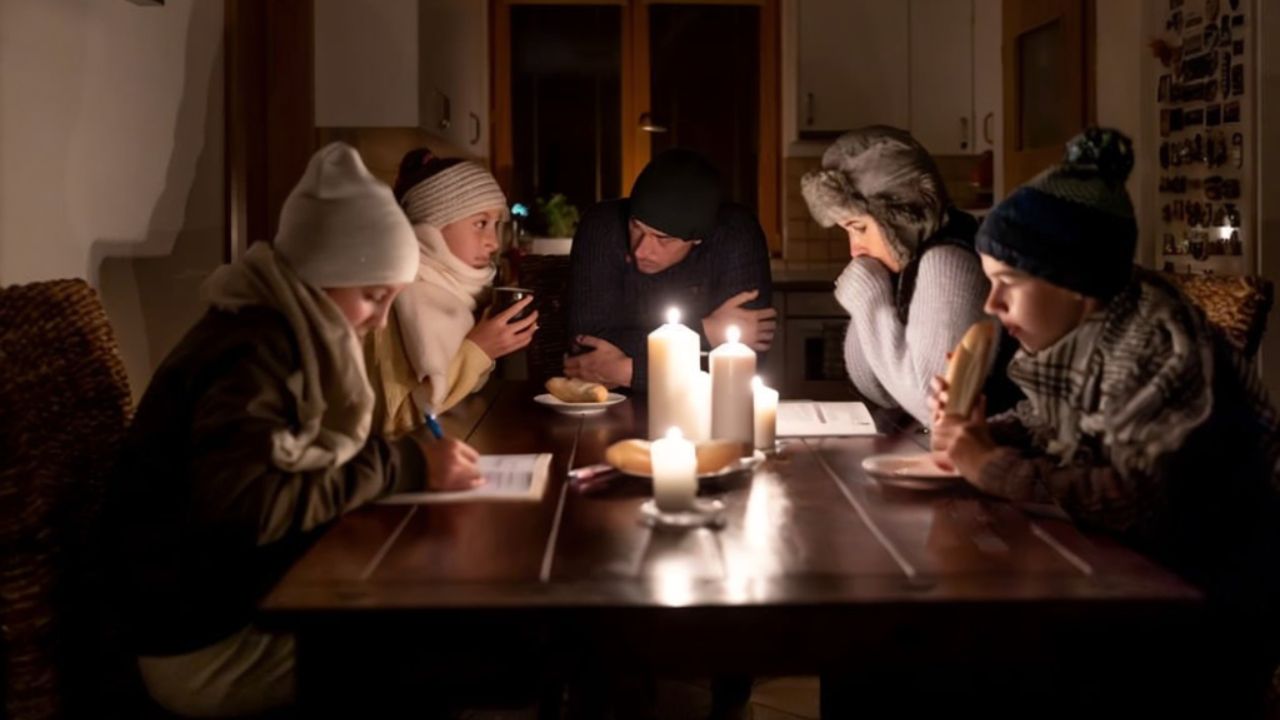
By day three, you stop caring about convenience and start caring about survival. You think differently about time, energy, and priorities. The experience shifts your mindset—it’s no longer about comfort, it’s about control.
Losing power for days shows you exactly where you’re weak. It’s not meant to scare you—it’s meant to prepare you. Because once you’ve lived through that kind of disruption, you stop assuming things will work tomorrow. And you start planning so it won’t matter if they don’t.
Like Fix It Homestead’s content? Be sure to follow us.
- Man Says He Found Out the Fence He Paid For Wasn’t Actually on His Property
- Woman Says Her Neighbor Started Taking Mulch From Her Delivery Pile Before She Could Even Spread It
- I made Joanna Gaines’s Friendsgiving casserole and here is what I would keep
- What Caliber Works Best for Groundhogs, Armadillos, and Other Digging Pests?
*This article was developed with AI-powered tools and has been carefully reviewed by our editors.