You’re attracting snakes if your yard has this kind of cover
Snakes don’t show up in a yard because they’re “looking for people.” They show up because your yard is offering the same things every animal wants: shelter, food, and a safe path to move without being exposed. Most snake sightings start with someone saying, “I don’t get it — we keep the place pretty clean,” but “clean” to us and “safe” to a snake are two different things. A yard can look nice from the porch and still have the kind of low cover that lets snakes travel, hide, and hunt without ever being noticed until you step too close. If you’ve got kids, pets, chickens, or you just don’t like surprises when you’re taking out the trash at dusk, it’s worth knowing what kind of cover quietly increases the odds.
The kind of cover that turns a yard into a snake-friendly zone
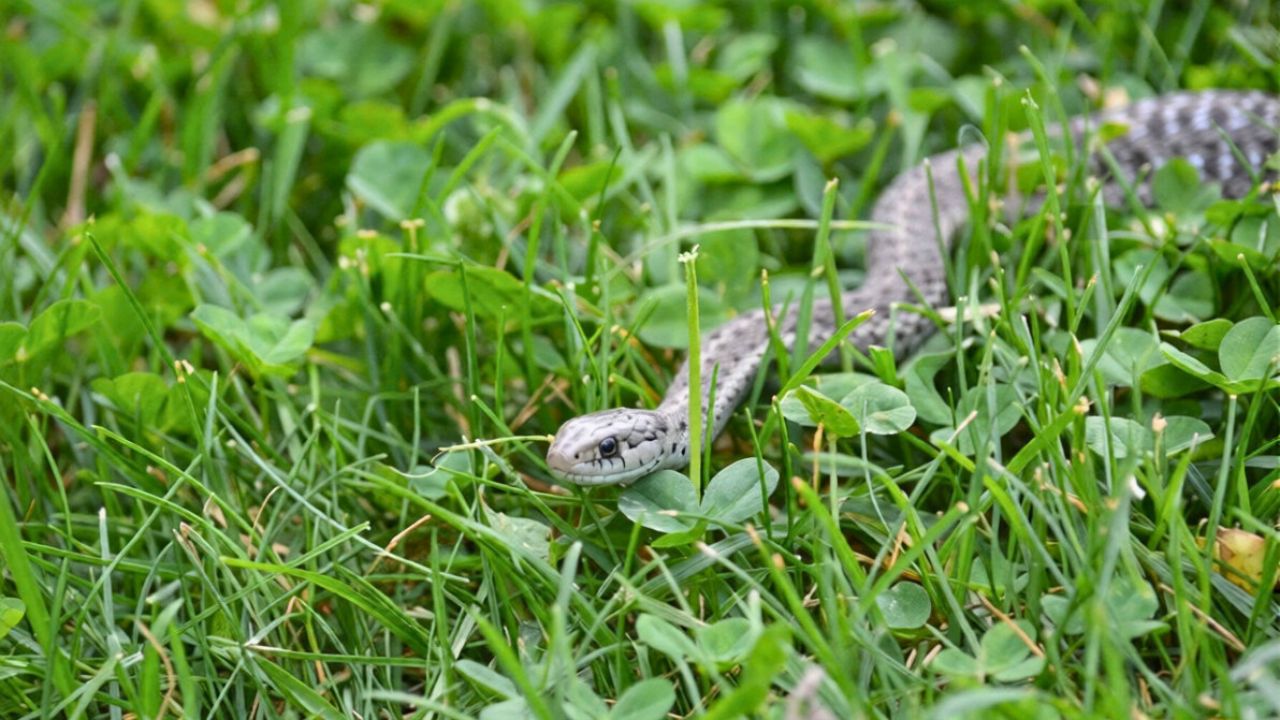
The biggest snake-attractor is low, shaded, undisturbed cover that stays slightly damp and gives a snake a place to tuck in fast. Think tall grass along fence lines, thick groundcover beds you don’t disturb often, brush piles, stacked lumber, overgrown ivy, rock borders with gaps underneath, or even a messy line of weeds along a shed or propane tank. Snakes don’t need a huge “home base.” They need a network of safe pockets where they can slip under something and disappear. When you have a yard with lots of low hiding spots connected by edges—like the border of a woodline, the seam where grass meets mulch, or the shadow line under shrubs—you create a travel route that makes snakes feel protected.
Why cover matters more than water or “woods nearby”
People assume snakes are only around if you have a pond or you live deep in the country, but cover is what makes them comfortable staying close. Cover also brings food. Tall grass and clutter attract mice, voles, frogs, and lizards, and that’s the real magnet. If your yard has a rodent problem you’re not seeing yet, snakes may show up as the “solution,” but it’s still a sign the yard is feeding the whole chain. The other thing cover does is hide them from predators and from you, which means you don’t notice them early. A snake that has to cross a wide, short-mowed lawn in full sun is exposed and less likely to hang around. A snake that can move in shade under a line of plants and debris can travel a long distance without taking a risk.
Fixes that reduce sightings without turning your yard into bare dirt
You don’t have to scalp your whole property. You do want to remove the connected hiding spots, especially around high-traffic areas like patios, play spaces, chicken coops, and garage doors. Keep grass trimmed along fence lines and around buildings, thin out groundcover that’s become a thick mat, and don’t let brush piles sit long-term near where people walk. If you store firewood, keep it elevated and a little away from the house so it doesn’t become a shaded tunnel system. And if you’ve got rock borders, check for gaps and cavities underneath that stay damp and cool. The goal is not “no nature.” The goal is breaking up the cover so snakes don’t feel like they can travel unseen right next to your daily life.
Like Fix It Homestead’s content? Be sure to follow us.
- I made Joanna Gaines’s Friendsgiving casserole and here is what I would keep
- Pump Shotguns That Jam the Moment You Actually Need Them
- The First 5 Things Guests Notice About Your Living Room at Christmas
- What Caliber Works Best for Groundhogs, Armadillos, and Other Digging Pests?
- Rifles worth keeping by the back door on any rural property
*This article was developed with AI-powered tools and has been carefully reviewed by our editors.