You’re going to regret putting your house here — here’s why
When you build a house on land, where you place it matters more than almost anything else. You can always remodel, add on, or rework landscaping—but once that foundation is poured, you’re locked in. A bad placement decision can haunt you for decades, and it’s something a lot of people don’t realize until they’ve already moved in.
Maybe the view isn’t what they thought, the driveway floods every spring, or they can’t add a barn later because of setbacks. Those “we’ll figure it out later” choices usually turn into expensive regrets.
You didn’t think through drainage
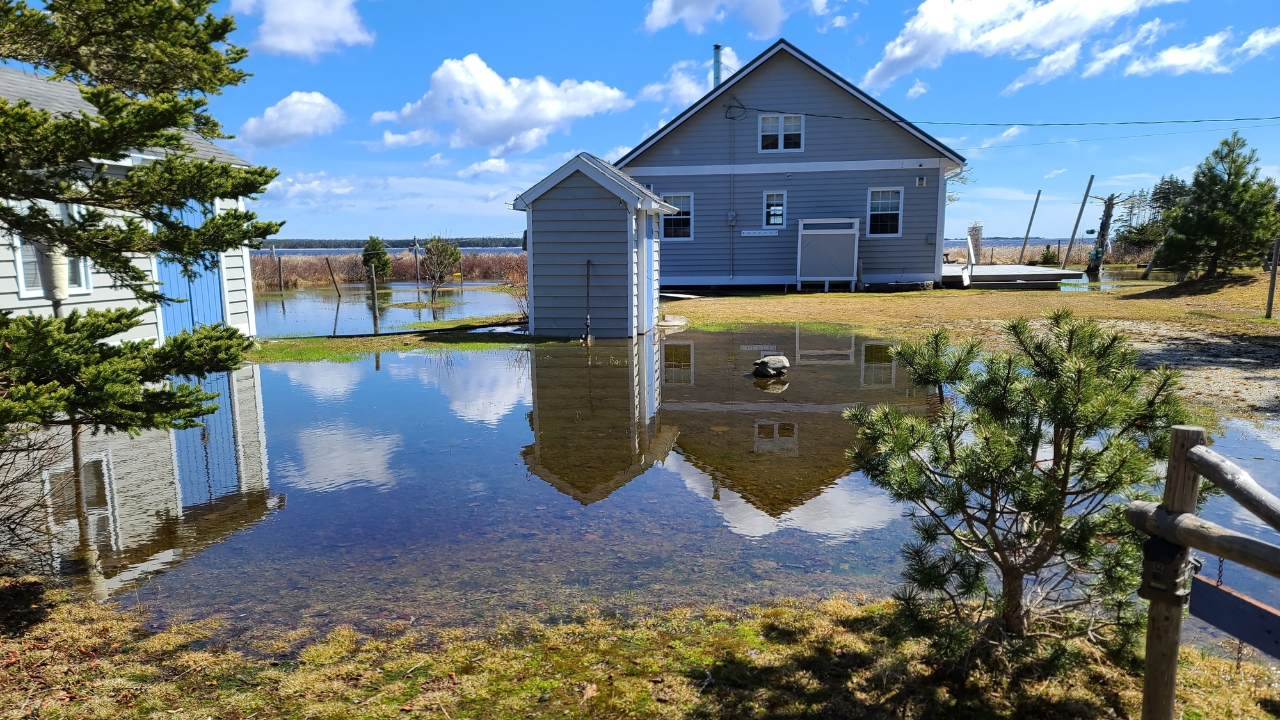
Water always finds the lowest point, and if that point ends up near your house, you’re in trouble. Building on a flat or low area might seem fine on a dry day, but one heavy rain can show you where everything flows.
If your site doesn’t slope away from the house or you’re surrounded by higher ground, you’ll constantly battle soggy yards, pooling water, or even foundation damage. That’s not something you can fix with a few loads of gravel—proper grading and drainage have to be built in from the start.
The driveway placement doesn’t make sense long-term
Driveways are one of the most overlooked parts of land planning. People often put them where it’s easiest to pour concrete, not where it makes the most sense for everyday use. A steep grade, tight turn, or long stretch through soft soil can turn into a nightmare once you start using it regularly.
If you ever have to bring in heavy trucks, like for deliveries or construction, those problems multiply fast. And if you live where it snows, you’ll regret every extra foot you have to plow. It’s always better to plan your house placement around a smart, accessible driveway—not the other way around.
You built too close to property lines
When you’re standing on empty land, it’s easy to underestimate how much space you’ll actually need. Building too close to property lines might seem harmless at first, but it limits your future options. You’ll face restrictions when you want to add a shop, fence, or pool later on.
It can also lead to awkward relationships with neighbors if your structures or landscaping cross the line, even by accident. A few extra feet of space now can save you endless frustration later.
You didn’t account for the sun

The direction your house faces affects more than you’d think. A west-facing home gets blasted with afternoon heat in the summer, which can drive up cooling costs and make those big windows unbearable. A north-facing home might feel dim and cold all winter long.
You can’t change the sun’s path, so you have to plan for it. Take time to visit your site at different times of day before deciding on placement. You’ll quickly see where the light hits, how the shadows fall, and what direction makes the most sense for comfort and efficiency.
You underestimated noise and wind
Wide-open land feels peaceful until you realize how sound carries—and how the wind never seems to stop. If you build too close to a road, a neighbor’s property, or open fields, you’ll hear every passing truck and gust of wind like it’s inside your walls.
Wind exposure also affects heating efficiency, roof wear, and outdoor comfort. A smart placement uses natural barriers like trees or hills to break it up. Skipping that consideration means you’ll spend years wishing your porch felt calmer or your windows didn’t rattle in every storm.
You ignored future plans for the land
When you’re standing on raw property, it’s easy to get caught up in what it looks like right now. But if you plan to expand—add a barn, garden, shop, or guesthouse—you need to think several years ahead.
Many homeowners regret building their house in the middle of the property because it blocks future access or takes up the flattest, most usable area. It’s smarter to think through your long-term layout first, even if those additions won’t happen for a while.
You didn’t check for seasonal issues
Every property looks different depending on the time of year. What seems perfect in summer might turn into a swamp in winter or lose all its privacy when the leaves drop.
Talk to locals and see what the land looks like year-round. Flooding, snowdrifts, and seasonal winds can all affect livability. You don’t want to learn the hard way that your perfect view also comes with icy shade all winter or blinding glare every afternoon.
The utilities weren’t factored in

Before you set a foundation, you need to know where utilities will go—power, water, septic, and internet. If your house sits far from connection points, running lines and pipes can cost thousands more than expected.
Many people also forget that septic systems and wells require specific spacing and soil conditions. Building too close to either can limit where you can expand or even make your setup noncompliant with local codes.
You didn’t plan for how you’ll live day to day
A house placement that looks great on paper can be frustrating in real life. Maybe your kitchen window doesn’t face the yard where the kids play. Maybe your back porch overlooks the neighbor’s shed instead of your own land.
It’s the little things—views, access, sunlight, and daily flow—that determine whether a property feels right once you move in. A few hours of extra planning early on can save years of regret down the road.
The land dictated your decisions instead of your lifestyle
Sometimes people fall in love with a spot because it’s the flattest, easiest, or cheapest to build on. But that doesn’t always mean it’s the best spot. You should build where your life fits best—not where the bulldozer has the least work to do.
A house should serve how you live, not the other way around. Take the time to walk the land, imagine your routines, and picture what you’ll need ten years from now. That’s how you end up with a home that works with your property instead of against it.
Like Fix It Homestead’s content? Be sure to follow us.
- I made Joanna Gaines’s Friendsgiving casserole and here is what I would keep
- Pump Shotguns That Jam the Moment You Actually Need Them
- The First 5 Things Guests Notice About Your Living Room at Christmas
- What Caliber Works Best for Groundhogs, Armadillos, and Other Digging Pests?
- Rifles worth keeping by the back door on any rural property
*This article was developed with AI-powered tools and has been carefully reviewed by our editors.