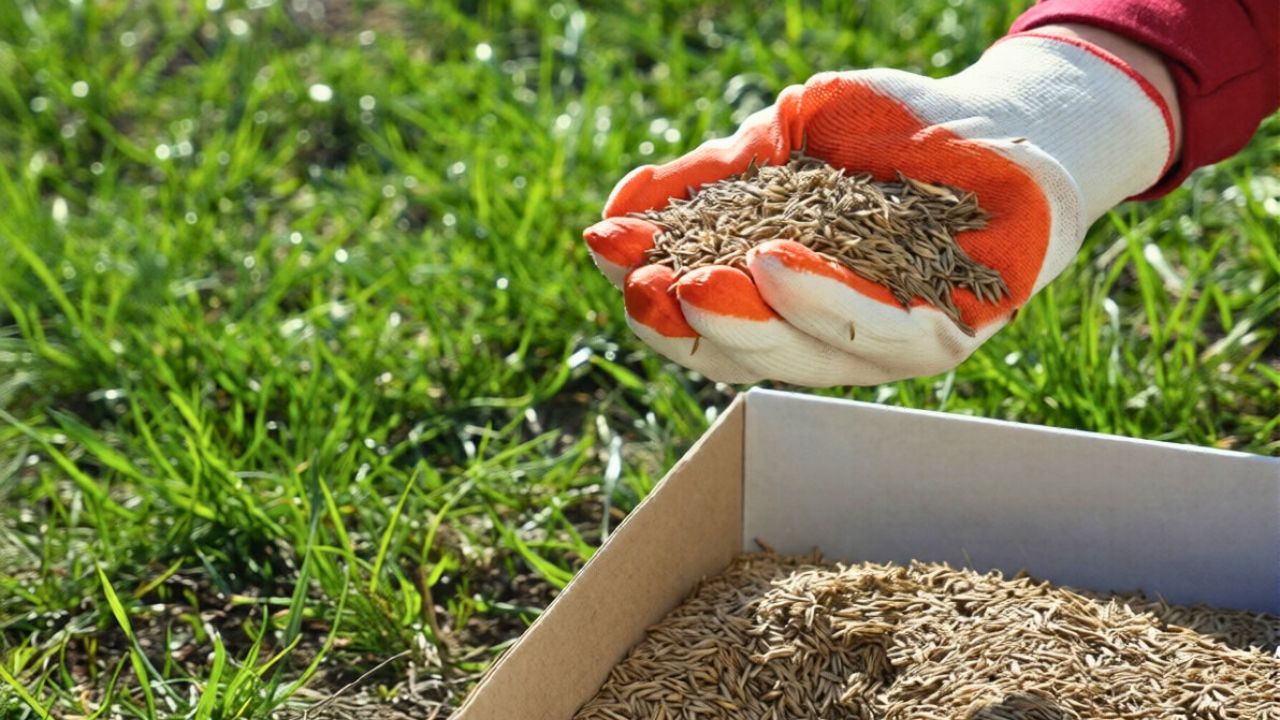
You’re overpaying for grass seed if you skip this label detail
Buying grass seed feels simple until you realize how many bags are basically selling you vibes. Big “sun and shade” claims, pretty lawns on the front, and “quick results” promises make it easy to assume every bag is more or less the same. Then you spread it, water like crazy, and by summer you’ve got thin spots, weird color patches, and weeds moving into the bare areas. That’s when people start spending more: another bag of seed, extra fertilizer, weed killer, and a whole lot of time. Most of the time the problem isn’t your effort. It’s that you paid a premium price for a bag that didn’t contain as much usable seed as you thought, and the label tells you that if you know where to look.
The label detail that matters more than the front of the bag
The money-saving detail is the seed content breakdown on the label, especially the parts that list pure seed, inert matter, weed seed, and other crop. “Inert matter” is the big one that tricks people because it can include coating and filler that adds weight without adding more grass. Some coatings can help hold moisture, but they still mean you’re buying less plantable seed per pound. Two bags can look identical, cost the same, and weigh the same, but one might have a much higher percentage of actual seed inside. When you skip that breakdown, you’re basically paying premium pricing without checking how much of the bag is the part that actually grows.
Why the seed mix can be “fine” and still cost you later
The breakdown also tells you what grasses you’re actually planting. A bag can claim it works everywhere, but the mix might lean on cheaper grasses that sprout fast and look good for a minute, then fade or struggle once heat hits. If you need durability, you want to see grasses that match how you use your yard and what your climate does every summer. If you’ve got kids running paths into the lawn, dogs doing dog things, or a front yard that bakes in afternoon sun, the “cheap filler” mixes can turn into a re-seeding habit. That’s where the real overpay happens: not the first bag, but the second and third bags you buy trying to fix what the first one couldn’t realistically do.
The two quick checks that keep you from wasting money
Before you even think about price, check pure seed percentage and the test date. Seed is living material and it doesn’t stay perfect forever, especially if it’s been stored in heat or sat around too long. If the test date is old, the germination rate on the bag may not match what’s happening in your yard, which means you’ll get fewer sprouts and end up throwing down more seed to compensate. That “just add more” approach is how people burn money fast. A bag with a strong pure-seed percentage and a recent test date usually covers more ground with better results, which means you buy fewer bags and you’re not forced into a redo when summer shows up.
Like Fix It Homestead’s content? Be sure to follow us.
- I made Joanna Gaines’s Friendsgiving casserole and here is what I would keep
- Pump Shotguns That Jam the Moment You Actually Need Them
- The First 5 Things Guests Notice About Your Living Room at Christmas
- What Caliber Works Best for Groundhogs, Armadillos, and Other Digging Pests?
- Rifles worth keeping by the back door on any rural property
*This article was developed with AI-powered tools and has been carefully reviewed by our editors.