10 Cheap Spring Fixes That Look Expensive From the Street
Spring gives you a rare advantage as a homeowner: light, color, and fresh growth do most of the heavy lifting, so modest upgrades can suddenly look high end from the street. With a clear plan and a few targeted weekend projects, you can create the impression of a costly exterior makeover while keeping your actual spending firmly in the budget category.
Rather than chasing big-ticket renovations, concentrate on the ten details people notice first when they pull up to the curb. From your front door and lawn to lighting and hardware, each change in this guide is designed to look premium, photograph well for listings, and hold up through the season without requiring a contractor.
1. Start With a Spring Clean and Edge
No paint color or planting scheme will look expensive if dirt, mildew, and winter debris are the first things people see. A deep exterior clean at the start of spring instantly sharpens every other upgrade, and you can do it with a rented pressure washer, a stiff brush, and a basic exterior cleaner. Rinsing grime from siding, railings, and walkways reveals the true color and texture of the materials you already own, often mimicking the effect of a new finish for a fraction of the cost.
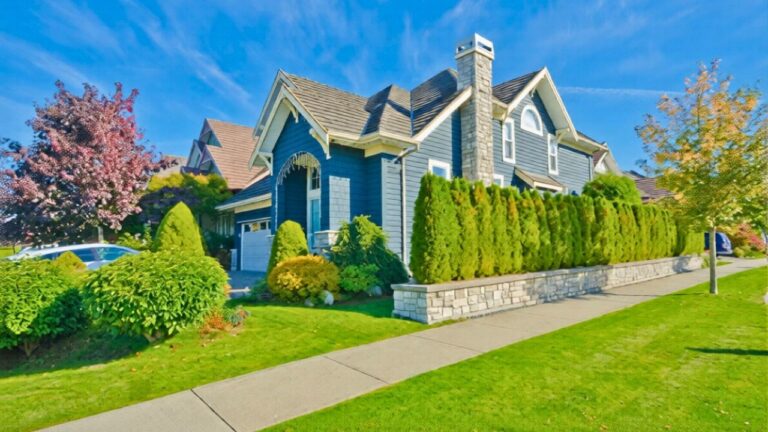
Once surfaces are clean, give your yard a crisp outline by edging along sidewalks, driveways, and garden beds. Guidance on keep the lawn and trimmed highlights how short, even grass and tidy borders immediately raise curb appeal. Run a manual edger or flat spade along the concrete, then pull back soil to create a sharp line that reads as professionally maintained landscaping. As you bag leaves, sweep porches, and clear cobwebs, you set the stage so every later upgrade looks intentional rather than like a bandage over neglect.
2. Refresh Your Front Door Like a Focal Point
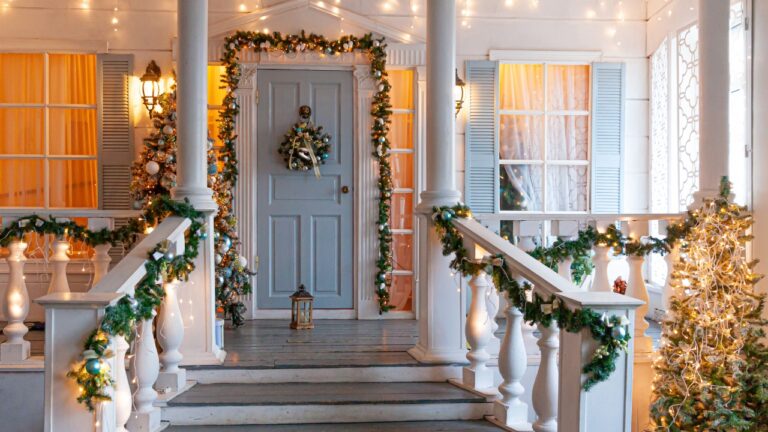
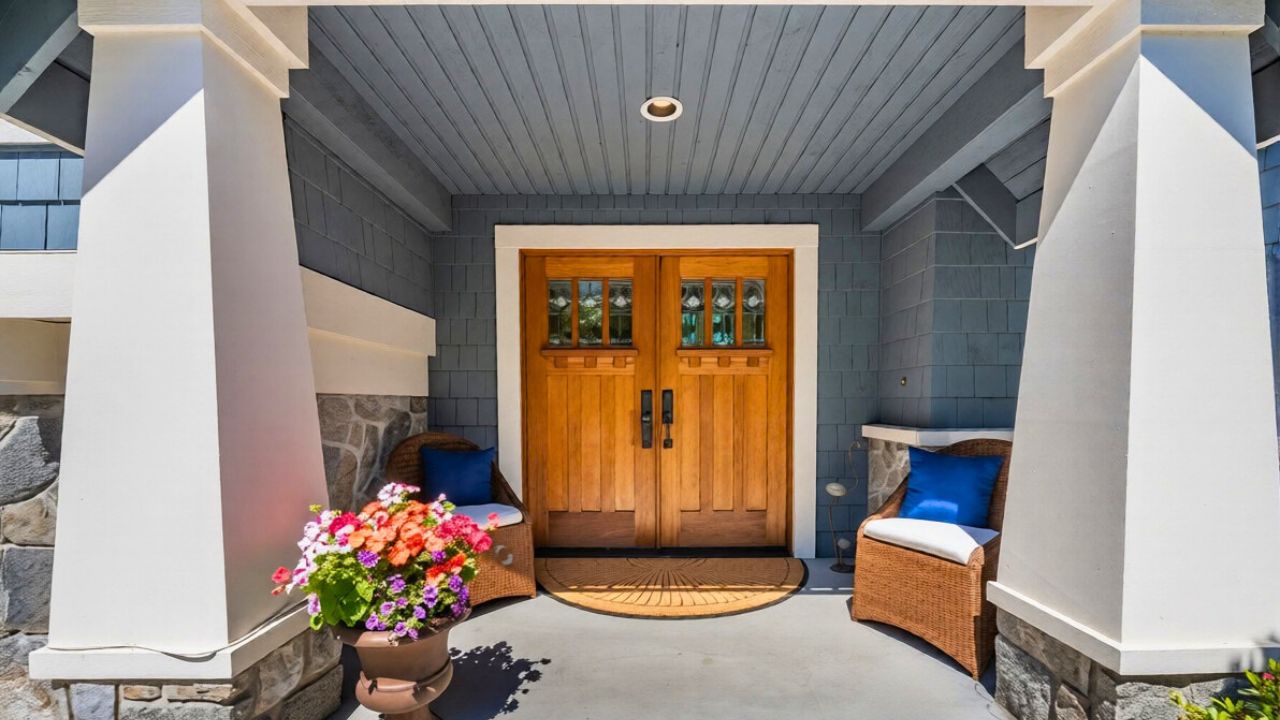
Your front door acts as the visual handshake of your property, so treating it like a design focal point is one of the most cost effective upgrades you can make. A bold paint color, fresh hardware, and a clean frame can mimic the look of a custom entry system without the price tag. Guides that walk you through how to paint a front show that you can achieve a smooth, durable finish with basic prep, primer, and exterior paint, especially if you remove the hardware and lightly sand before you start.
Color choice is where you create that “expensive from the street” impression. Deep navy, charcoal, and classic red tend to signal traditional architecture, while saturated teal or mustard can feel modern when paired with simple trim. Several curb appeal checklists frame the entry as the first place to invest when you want to refresh your front on a budget, since paint, a new handle set, and a sleek door knocker often stay under a hundred dollars combined. If you prefer to experiment digitally, the Front Door Paint app from Front Door Paint lets you preview colors on a photo of your home before you commit, which helps you avoid costly repainting if the first shade misses the mark.
3. Upgrade Hardware and House Numbers
Small metal details around your entry can quietly signal quality or cut corners, and buyers read them quickly. Replacing pitted brass knobs, mismatched hinges, and flimsy kick plates with a unified finish creates the impression of a carefully curated exterior. Coordinate your door handle, mailbox, and doorbell in matte black or brushed nickel so they read as a single design choice rather than a collection of leftovers. Advice threads that highlight how painting and a affect curb appeal show that even this one swap can make your facade feel updated.
House numbers are another low-cost detail that carry outsized visual weight. Thin, dated numerals can make an otherwise solid house feel tired, while larger modern numbers in a contrasting finish read as custom and contemporary. Mount them horizontally on a wood plaque, stack them vertically near the door, or place them on a planter box so they stand out against your siding. Many lists of easy ways to emphasize that these small, precise upgrades are among the fastest routes to higher curb appeal, because visitors subconsciously associate clean typography and coordinated metals with higher-end construction.
4. Go Green With Strategic Plantings
Seasonal greenery is one of the most powerful tools you have for making a property feel more valuable, and you do not need a full landscape overhaul to get the effect. Container gardens by the front door, a pair of matching planters at the steps, or a single well placed tree can soften hard lines and frame your architecture. One guide points out that when you plant a tree,, you not only boost curb appeal but also improve air quality and even reduce stress for people who see and use the space.
If you do not have the budget or time for in-ground beds, you can still “go green” with potted shrubs, window boxes, and hanging baskets. Advice on go green as one of the most impactful ways to enhance curb appeal underscores that even a few healthy plants by the entry transform the perception of your home. For tricky spots where grass struggles, you can explore lawn alternatives such as groundcovers or gravel that stay attractive with less water and maintenance. To experiment with layout before you buy, you can use the iScape landscape design app from Discover or its iOS version from Discover, which lets you drag and drop plants into a photo of your yard so you can see how different arrangements frame your home.
5. Sharpen the Lawn and Beds
A healthy, even lawn acts like a high-end carpet for your exterior, and you can often rehabilitate it with time and consistency rather than major spending. Regular mowing at the right height, combined with spot seeding and a simple fertilizer, helps you achieve the “well manicured” look that instantly raises perceived value. Several spring curb appeal guides stress that when you keep the lawn and edges trimmed, the entire property feels more cared for even if other elements are modest.
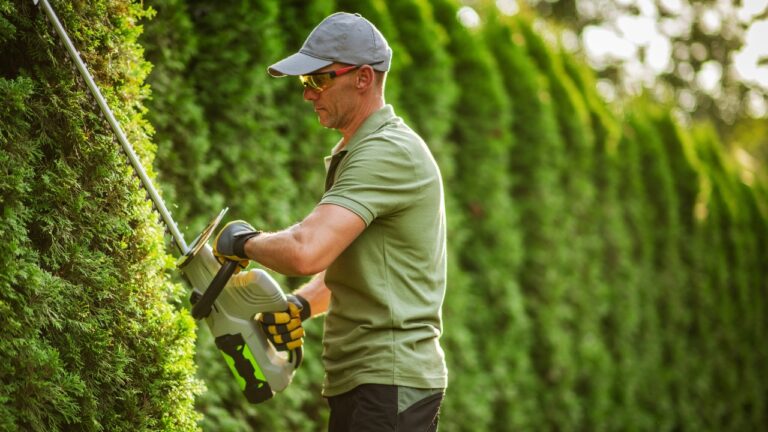
Garden beds benefit from the same discipline. Start by removing dead plants and weeds, then follow advice to trim or take overgrown shrubs that block windows or pathways. A fresh layer of mulch in a dark, consistent color makes beds look professionally maintained and helps your plants stand out. If you want to test different layouts before digging, you can again turn to the iScape tools promoted on Discover affordable ways to plan new beds or adjust existing ones, which keeps you from wasting money on plants that do not fit the space.
6. Add Lighting That Feels Custom
Thoughtful exterior lighting can make a modest house look like a boutique property once the sun goes down. You do not need hardwired landscape systems to get the effect; instead, combine solar path lights, upgraded sconces, and warm LED bulbs to highlight your best features. When you replace small, dated fixtures with larger, simple designs in a unified finish, they suddenly feel like part of a custom package rather than an afterthought. Some curb appeal roundups list lighting among the top small changes with, precisely because it transforms the mood of your exterior for a small investment.
Lighting also guides the eye and improves safety. A pair of sconces flanking the front door, a lantern by the garage, and a few stake lights along the walkway create a clear visual path to the entry. If your budget is tight, start with solar options that require no wiring and position them to graze textured surfaces like stone, brick, or mature shrubs. That subtle glow adds depth and shadow that reads as sophisticated, especially when combined with the clean edges and healthy plantings you have already established.
7. Reimagine the Garage and Driveway
From the street, your garage door and driveway often occupy more visual real estate than your front entry, so ignoring them can drag down the entire impression of your home. A simple cleaning, crack repair, and fresh stain or sealer on concrete can shift the look from neglected to intentionally finished. Where your garage door itself feels flat or dated, you can use a gel stain or paint to mimic the look of wood, following tutorials such as the DIY garage door that show how to layer color for depth.
Hardware and faux windows also play a role in making a standard door feel custom. Decorative hinges and handles, usually installed with surface screws, can echo carriage-house styling at a fraction of the cost of a new door. One curb appeal guide notes that garage can often up a major share of your facade, so addressing it directly has an outsized effect on how expensive your property appears. If your budget allows only one upgrade in this area, prioritize the surface that occupies the most square footage from the street, whether that is the door, the driveway, or both.
8. Style the Porch With Intention
A porch or stoop, even a small one, works like an outdoor foyer where you can express style and hospitality. Instead of scattering random decor, treat it like a composed vignette with a few high-impact pieces. A clean doormat, a pair of chairs or a bench, and one or two planters can create a welcoming scene that looks more expensive than it is. One homeowner in a design group received advice to use a paint touch up and layered textiles to create a cozy and inviting touch, which shows how small styling decisions can shift the mood without structural changes.
Consistency is what sells the look from the street. Repeat colors from your door or shutters in your cushions and planters, and choose materials that complement your architecture, such as woven textures for a cottage or clean metal lines for a modern facade. If you have room, a slim side table or lantern can make the space feel like an outdoor room rather than a pass-through. For inspiration, you can browse porch and entry ideas on visual platforms like Discover, then adapt the concepts with budget friendly pieces from local stores or online marketplaces.
9. Use Smart Shopping and Digital Tools to Stretch Your Budget
Making your spring upgrades look expensive while staying on budget depends as much on where and how you shop as on what you choose. When you compare prices on door hardware, lighting, and planters across multiple retailers, you often find that the same style appears under different brand names at different price points. Behind the scenes, Product information from brands and stores is aggregated into tools that help you see price histories, reviews, and alternatives, which lets you prioritize items that deliver the most visual impact per dollar.
Digital design apps and communities also help you avoid costly missteps. The iScape app highlighted on Discover lets you test landscaping changes virtually, while homeowner groups where people share make over your projects show how small, targeted changes can make a space feel fresh and inviting. As you plan your ten key upgrades, you can lean on these digital tools to refine color, placement, and product choices before you spend, so every dollar you invest in your exterior works visibly from the street.
Like Fix It Homestead’s content? Be sure to follow us.
Here’s more from us:
- I made Joanna Gaines’s Friendsgiving casserole and here is what I would keep
- Pump Shotguns That Jam the Moment You Actually Need Them
- The First 5 Things Guests Notice About Your Living Room at Christmas
- What Caliber Works Best for Groundhogs, Armadillos, and Other Digging Pests?
- Rifles worth keeping by the back door on any rural property
*This article was developed with AI-powered tools and has been carefully reviewed by our editors.