10 Common Composting Mistakes That Are Wasting Your Scraps
Photo credit: Mariana Serdynska/ Shutterstock.com
Composting sounds easy enough—throw in some food scraps, let nature do its thing, and boom, free fertilizer. Except if you’ve ever tried it, you know it’s not that simple. One wrong move, and you’ve either got a pile of moldy sludge, a rodent buffet, or something that smells so bad your neighbors start asking questions.
I’ve been there—dumping in too much of one thing, forgetting to turn the pile for weeks, and wondering why my compost smelled like a swamp instead of fresh soil. If your pile isn’t breaking down like it should, chances are you’re making one of these common mistakes. The good news? They’re easy to fix. Let’s get your compost back on track before it turns into a science experiment.
Adding Too Much of One Type of Material
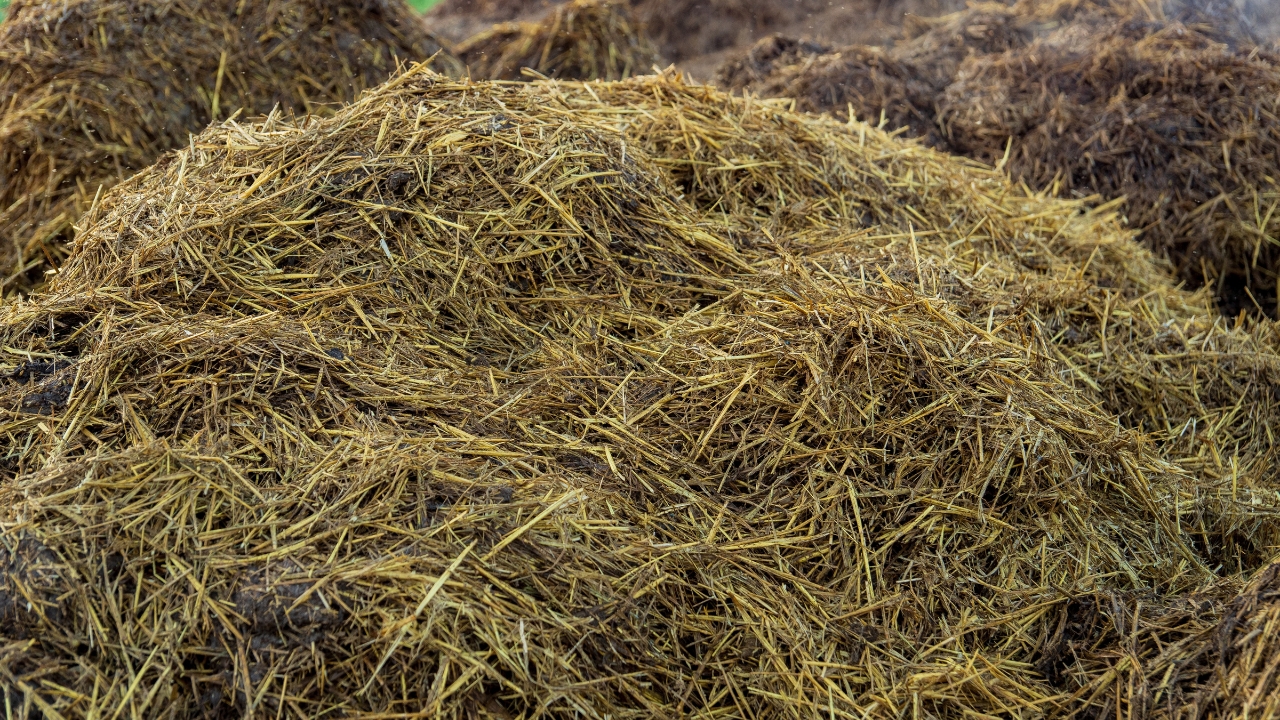
A compost pile needs a balance of greens (nitrogen-rich materials like food scraps) and browns (carbon-rich materials like leaves and straw). If you dump in too many food scraps without enough dry material, you’ll end up with a soggy, smelly mess. On the flip side, too many browns without enough greens will slow decomposition to a crawl.
A good rule of thumb is two to three parts browns for every one part greens. If your compost stinks, add more browns. If it’s dry and not breaking down, toss in more greens.
Not Turning the Pile Enough
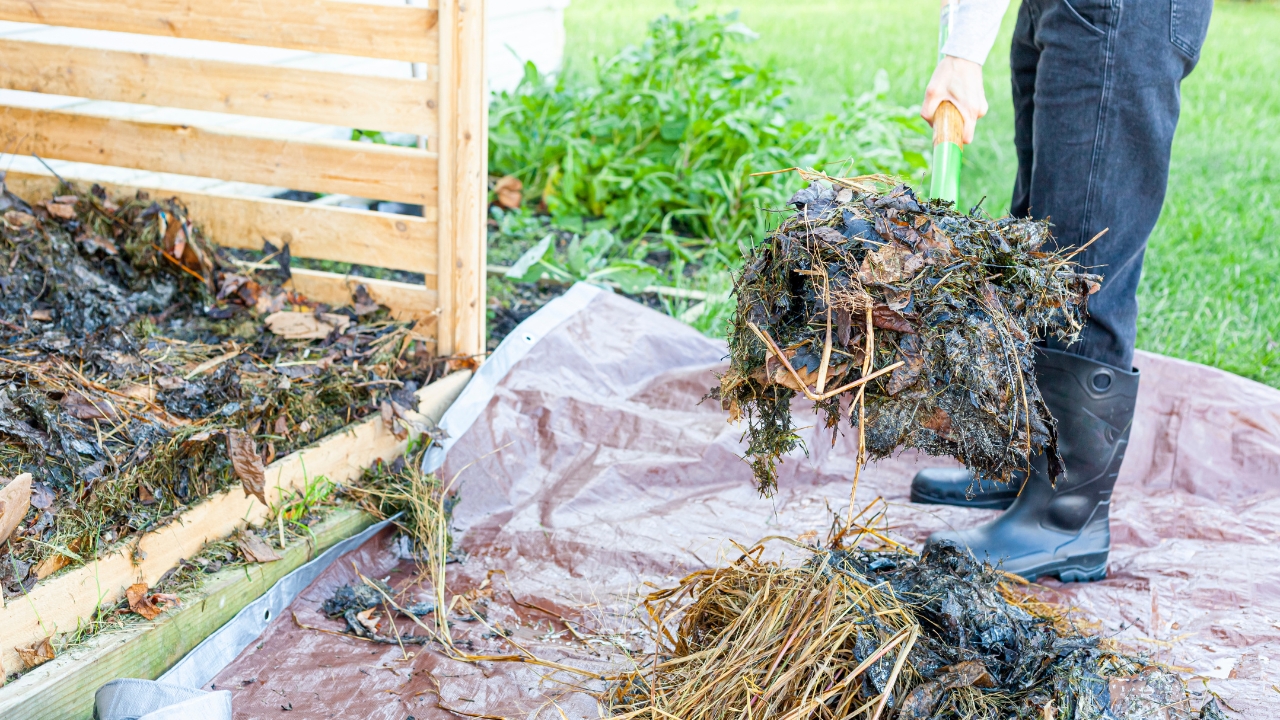
Composting isn’t a set-it-and-forget-it deal. If you don’t turn the pile, the center stays cold, and the outer layers just sit there. Plus, lack of oxygen encourages anaerobic bacteria, which leads to a stinky pile instead of rich, usable compost.
Turning your compost once a week keeps it oxygenated and speeds up decomposition. A pitchfork or compost aerator makes the job easier. If your pile smells like rotten eggs, chances are it’s overdue for a good mix.
Composting the Wrong Things
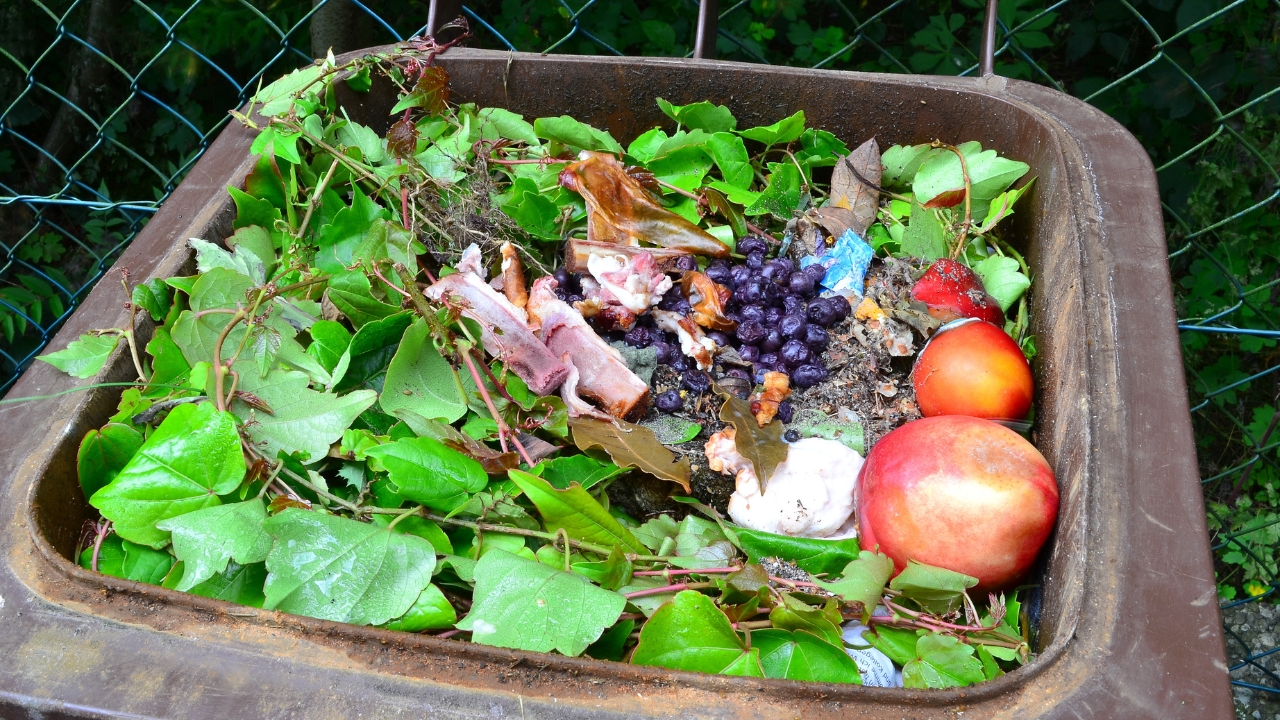
Not everything belongs in your compost pile. Meat, dairy, and oily foods take forever to break down and attract pests. Weeds with seeds and diseased plant material can cause problems when you spread the compost in your garden.
Stick to vegetable scraps, eggshells, coffee grounds, grass clippings, leaves, and shredded paper. If you’re unsure about something, it’s better to leave it out than risk ruining your compost.
Letting the Pile Get Too Wet or Too Dry
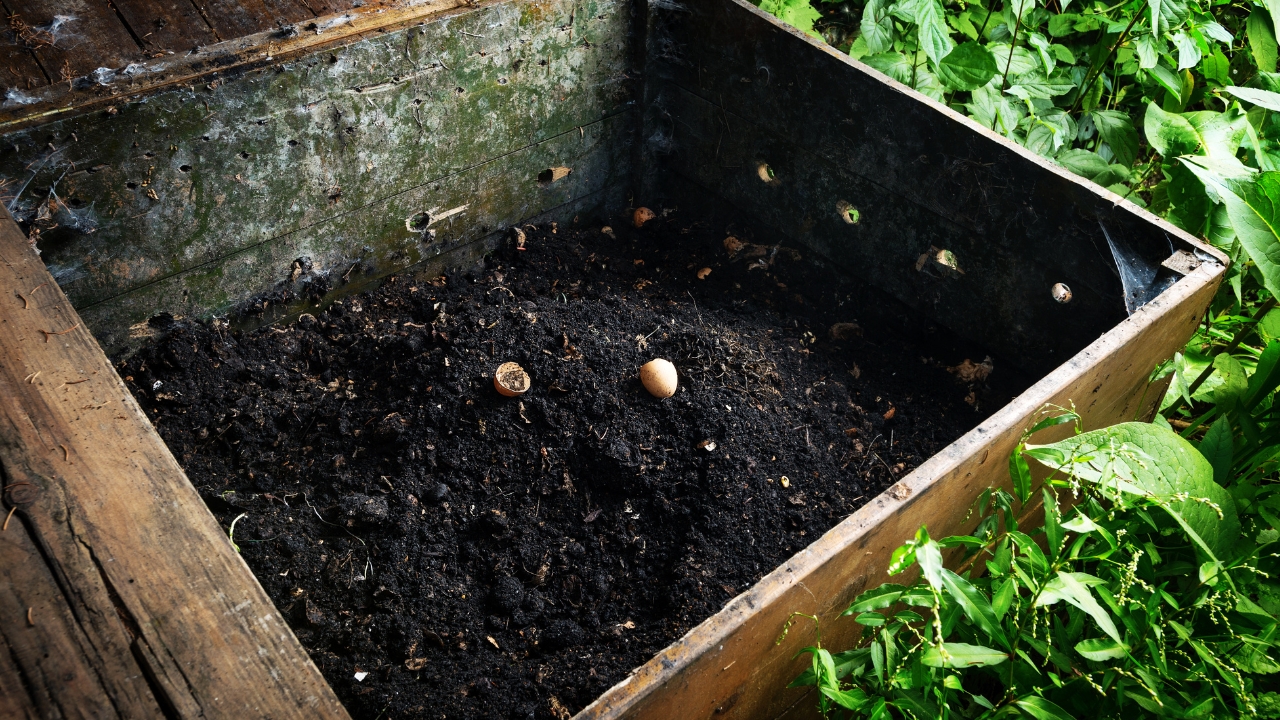
Compost should be moist but not soaking wet. If it’s too dry, microbes can’t do their job. If it’s too wet, everything turns slimy and starts to rot instead of breaking down properly.
A quick test: grab a handful of compost and squeeze it. If water drips out, it’s too wet—add dry leaves or straw. If it crumbles apart like dust, it’s too dry—mix in some fresh food scraps or lightly mist it with water.
Ignoring Temperature Changes
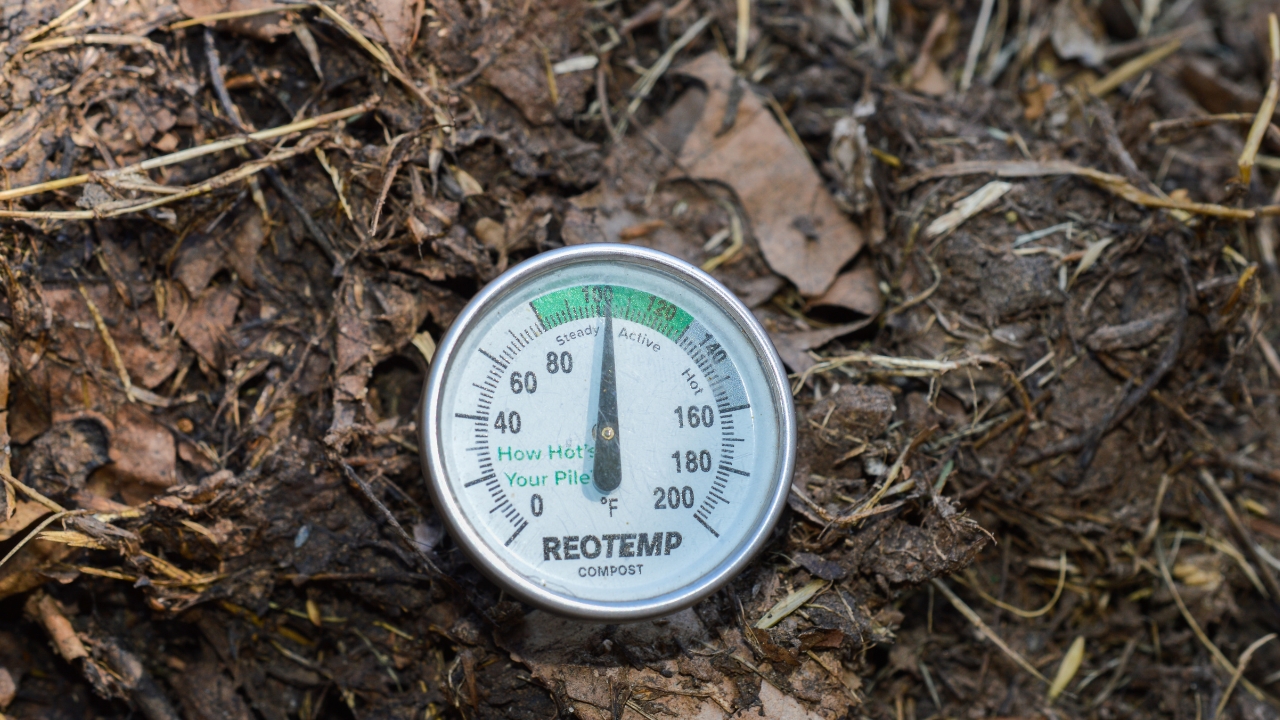
A compost pile should heat up to 130-160°F in the center if it’s breaking down properly. If it stays cold, it’s either too dry, too compacted, or missing enough greens. A pile that doesn’t heat up will take months longer to break down.
To fix a cold pile, add more greens like coffee grounds or manure, mix it well, and make sure it’s damp enough. If your compost is hot but stinks, it probably needs more browns.
Forgetting to Chop Up Large Scraps

Whole corn cobs, watermelon rinds, and big chunks of cardboard take forever to break down. Smaller pieces compost much faster because microbes can work on them more efficiently.
Cut up large food scraps before tossing them in. Shred leaves and cardboard to speed things up. If you want compost in a few months instead of a year, this simple step makes a big difference.
Not Having Enough Airflow
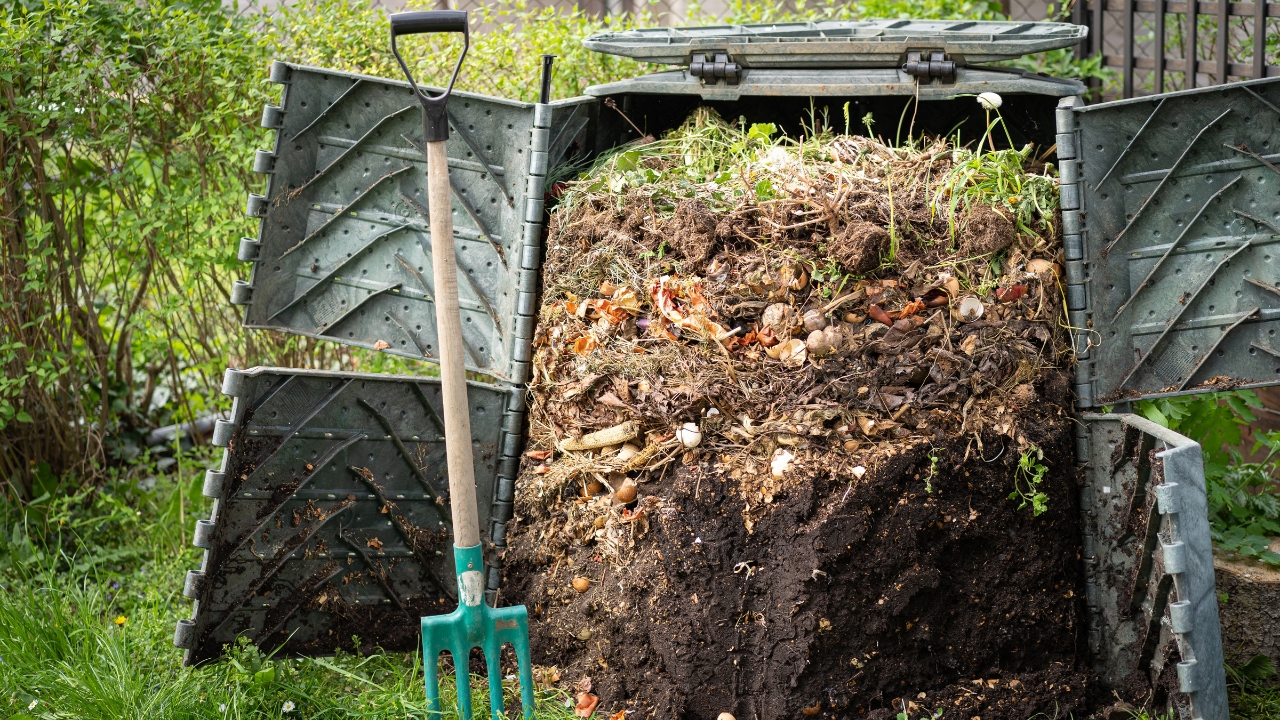
Air is just as important as moisture when it comes to composting. A pile that’s too compacted won’t break down properly and will start to smell like rot instead of rich soil.
Turning the pile regularly helps, but layering bulky materials like straw or wood chips can also improve airflow. If you’re using a compost bin, make sure it has plenty of ventilation holes.
Expecting Compost to Break Down Too Fast
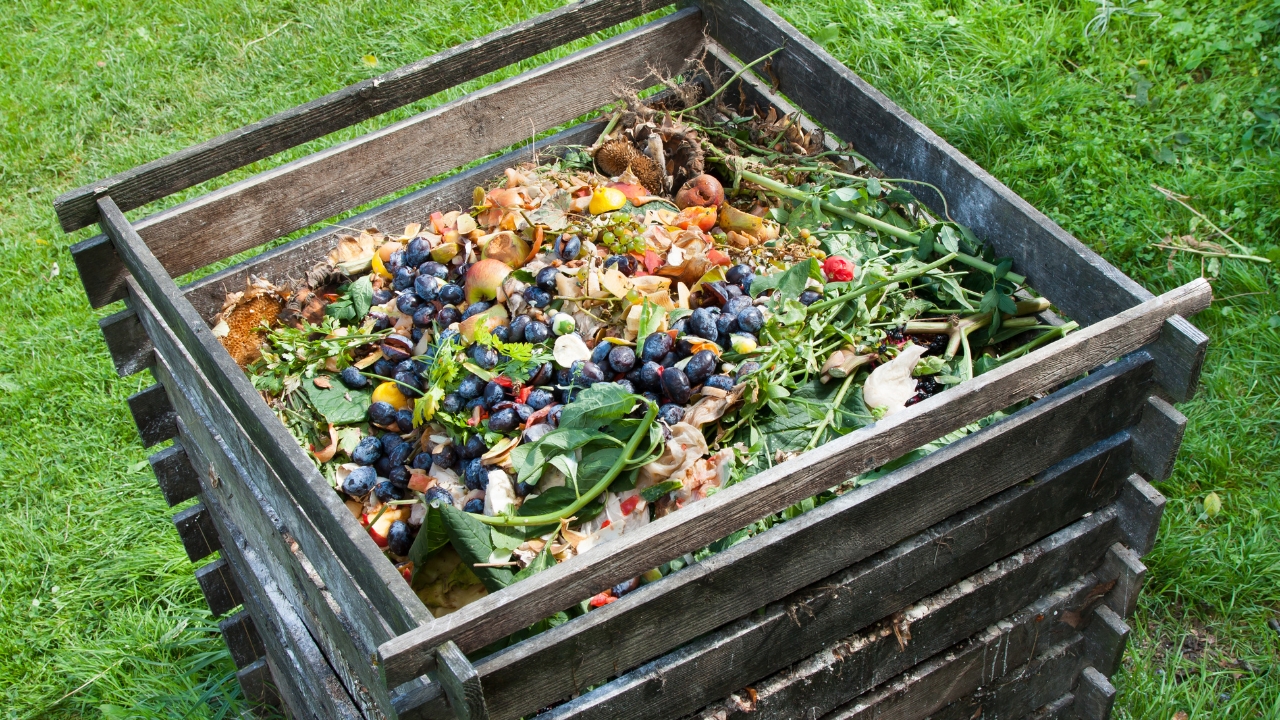
Compost isn’t instant. It takes at least a few months for scraps to turn into usable compost, and that’s if conditions are perfect. If you expect finished compost in a few weeks, you’re going to be disappointed.
Speed things up by keeping the pile warm, moist, and well-aerated. Smaller scraps, regular turning, and a good green-to-brown ratio all help. But at the end of the day, composting is a process—give it time.
Letting Pests Move In
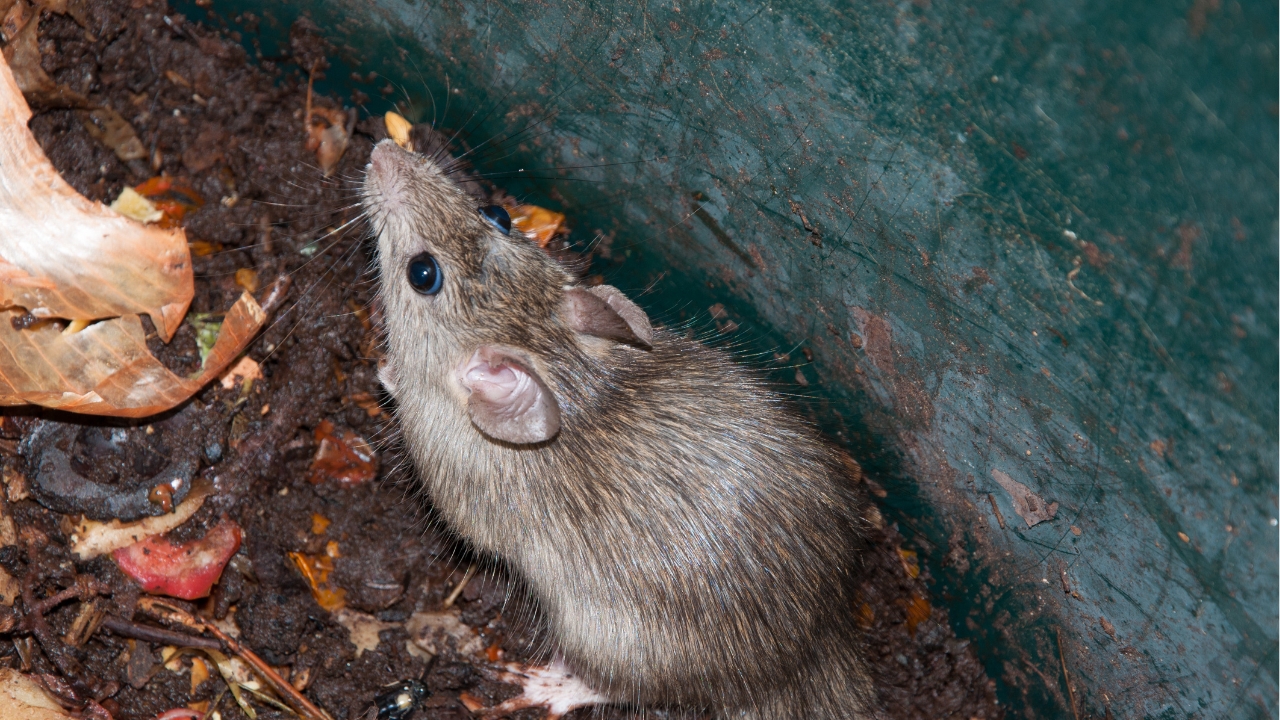
A well-maintained compost pile shouldn’t attract rodents or flies. If it does, you’re probably adding the wrong materials or not covering your food scraps properly.
Always bury food scraps under a layer of browns to keep pests out. Avoid adding meat, dairy, or greasy foods. If rodents are still a problem, consider switching to a closed compost bin or adding a fine wire mesh at the bottom of your pile.
Not Using the Finished Compost Correctly

Compost isn’t ready to use until it’s dark, crumbly, and smells like fresh earth. If you spread half-broken-down compost on your plants, it can actually steal nitrogen from the soil as it continues decomposing.
Before using it, make sure everything is fully broken down. If you still see chunks of food scraps or leaves, let it sit longer or sift it through a screen. Properly finished compost improves soil structure, adds nutrients, and helps plants thrive.
Like Fix It Homestead’s content? Be sure to follow us.