10 Things You’re Probably Storing Wrong in Your Pantry
Photo credit: Allison H. Smith/ Shutterstock.com
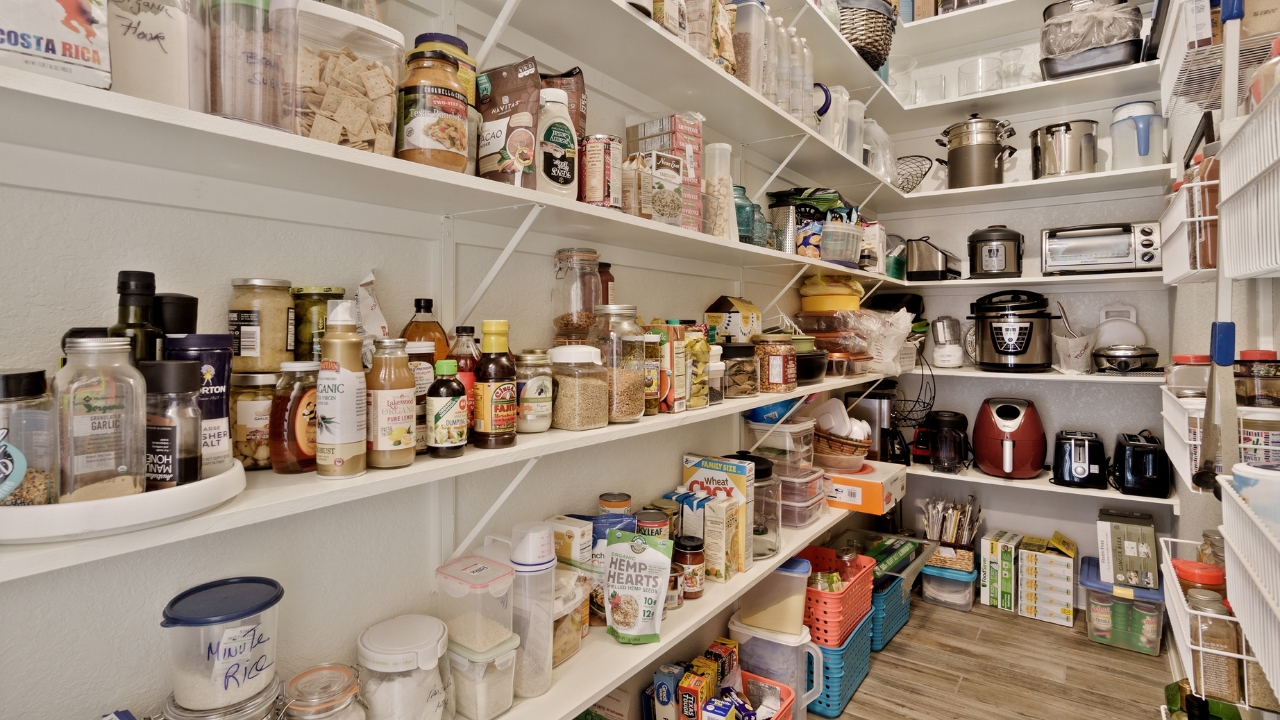
Keeping your pantry organized feels like one of those “adulting” wins—until you realize some of your go-to storage habits might actually be ruining your food. I’ve been there: tossing flour in the bag it came in, letting spices collect dust for years, or wondering why my coffee never tastes quite right. It’s frustrating, especially when you’re trying to save money and avoid waste.
The good news? Most of these mistakes are super common and just as easy to fix. A few simple changes can make your pantry staples last longer, taste better, and save you from those “ugh, why is this stale?” moments. Let’s get those pantry habits sorted out so everything stays fresh and ready to go.
Coffee

If your coffee has been sitting in the pantry, you’re probably not getting the flavor you deserve. Ground coffee goes stale faster than you think—like, two weeks fast. The pantry isn’t doing it any favors either, with all that air and moisture sneaking in.
Here’s the fix: toss it in an airtight container and stick it in the freezer. It’ll stay fresher way longer—up to a year! Just take out what you need when you’re ready to brew. Bonus: no more sad, flat-tasting cups of coffee in the morning. You’ll thank yourself.
Spices
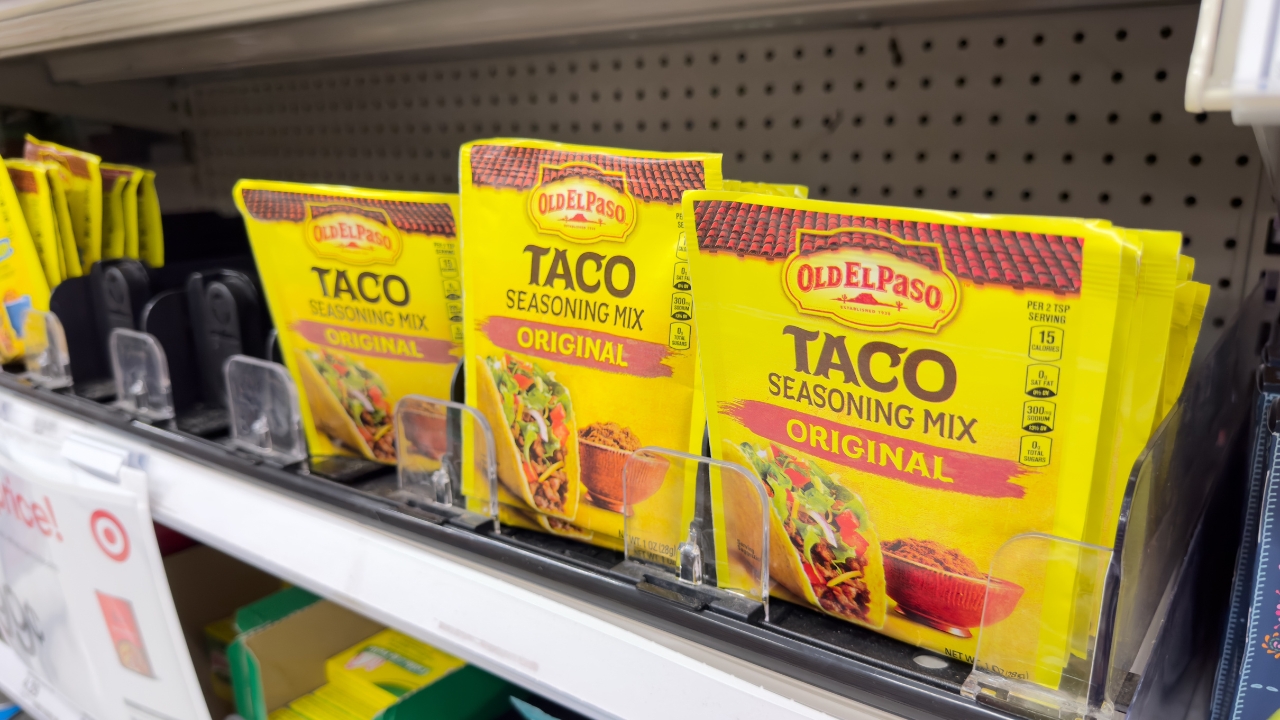
Let’s be real—those spices you grabbed for tacos last summer probably aren’t packing the same punch anymore. Spices don’t “go bad” in the gross way, but they lose their flavor if they’re exposed to air, heat, or humidity. And if they’re ground? Forget it—they fade even faster.
Save your spice game by transferring them to airtight containers and keeping them somewhere cool and dark, not right next to your stove. Whole spices, like cinnamon sticks or peppercorns, last longer than the ground stuff—up to four years! And salt? That one’s basically immortal, so you’re safe there.
Tomato Sauce
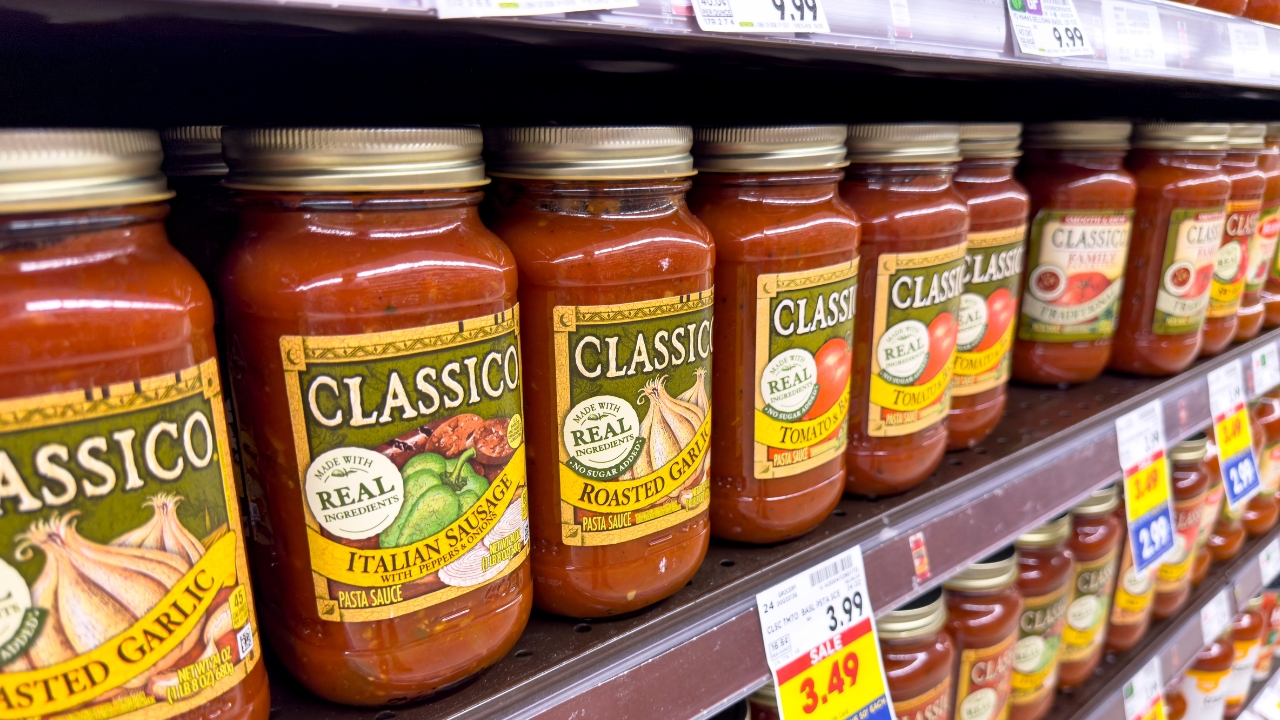
Once you crack open a jar of tomato sauce, it’s not pantry-safe anymore. Modern tomato sauces are made with fewer preservatives than they used to be, which is great for health but not so great for shelf life. Leaving an open jar in the pantry increases the risk of spoilage, even if you tightly reseal it.
The fix? Transfer the sauce to the fridge after opening. If you’re not planning to use it soon, freeze the leftovers in smaller portions. That way, you’re not racing against the clock to finish it before it turns.
Dijon Mustard

Dijon mustard seems fine in the pantry, but keeping it there can dull its flavor over time. The vinegar and spices that give Dijon its kick are more stable when chilled, so even if it doesn’t spoil, it won’t taste as vibrant if left at room temperature.
To keep it at its flavorful best, refrigerate Dijon after opening. Bonus: storing it in the fridge also helps maintain the perfect creamy consistency for spreading on sandwiches or whisking into dressings.
Bananas

Bananas are pantry regulars, but they ripen faster than most of us can eat them when left at room temperature. By the time they hit peak sweetness, they’re usually days away from being overripe. The trick? Move them to the fridge as soon as they’re ripe.
While the peel might darken in the fridge, the fruit inside stays fresh and sweet for longer. If you’re not eating them right away, you can also freeze bananas for smoothies or baking—they’re perfect for banana bread!
Chocolate Syrup
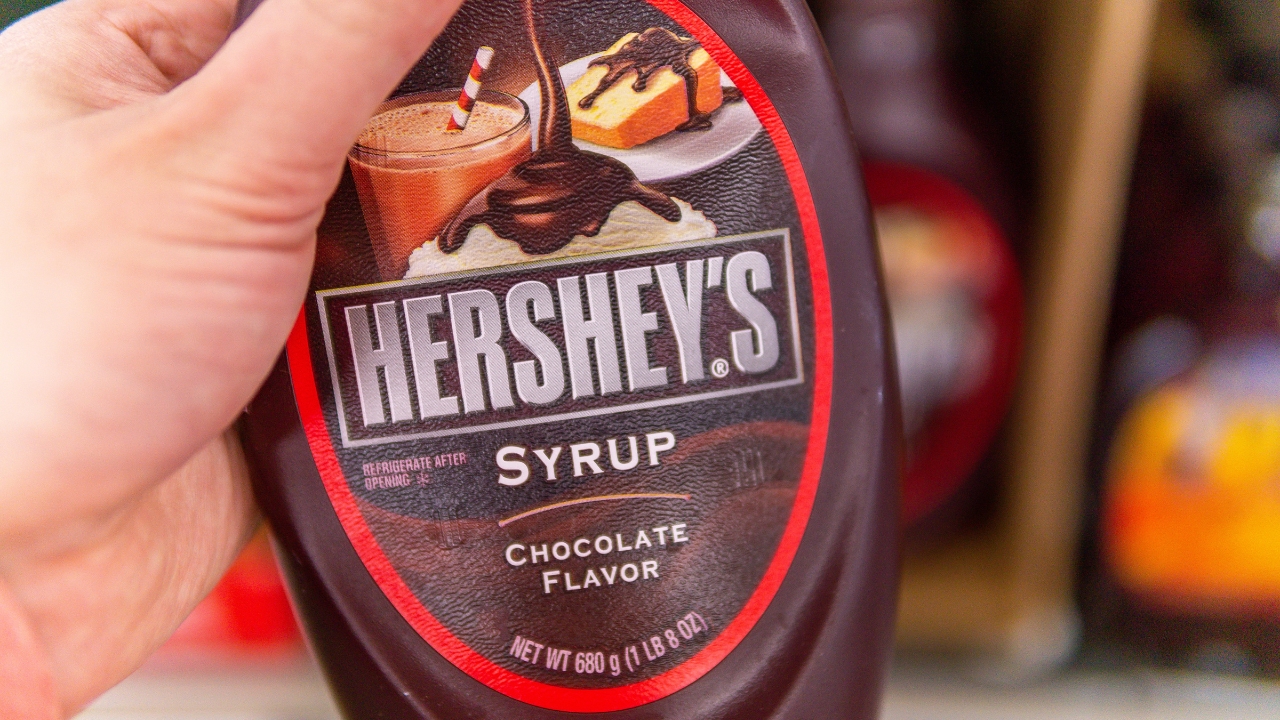
Chocolate syrup left in the pantry might not spoil, but its flavor and texture take a hit over time. Warm storage can cause separation, making your next drizzle less smooth and rich. However, some syrups, like Nesquik, are exceptions—refrigerating them can cause crystallization.
The safe bet for most chocolate syrups? Keep them in the fridge after opening. This preserves the flavor and ensures a velvety pour every time. Just give the bottle a quick shake before using if it thickens slightly in the cold.
Flour
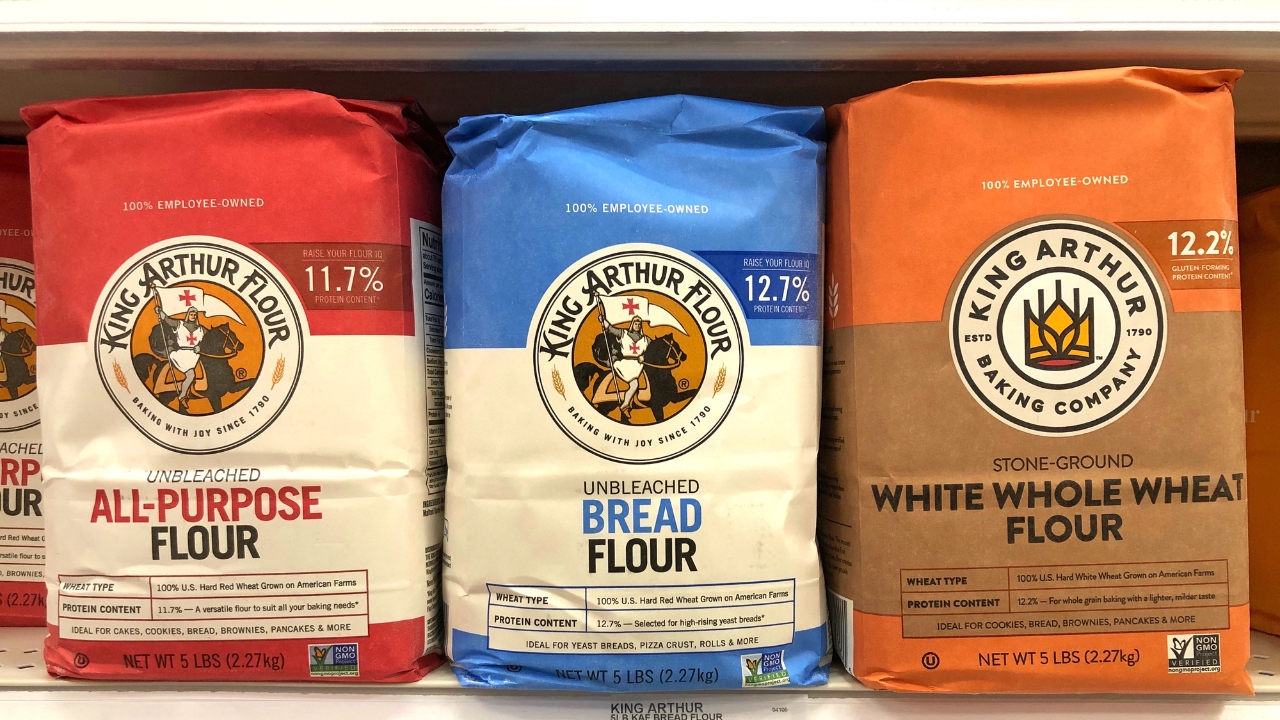
Leaving flour in its original bag might seem fine, but it’s not the best option. The bag doesn’t seal well, making it easy for pests to sneak in or for the flour to absorb odors and moisture from your pantry. Even if you keep your pantry cool and dry, flour has a limited shelf life once opened—about eight months for white flour. Whole-grain flours spoil faster because of their natural oils.
The fix? Transfer your flour into an airtight container as soon as you open it. If you don’t bake often, storing flour in the fridge or freezer can keep it fresh longer. Just be sure to use a food-safe container, and let the flour come to room temperature before baking. This trick works especially well for alternative flours like almond or coconut, which can go rancid quickly in a warm pantry.
Peanut Butter
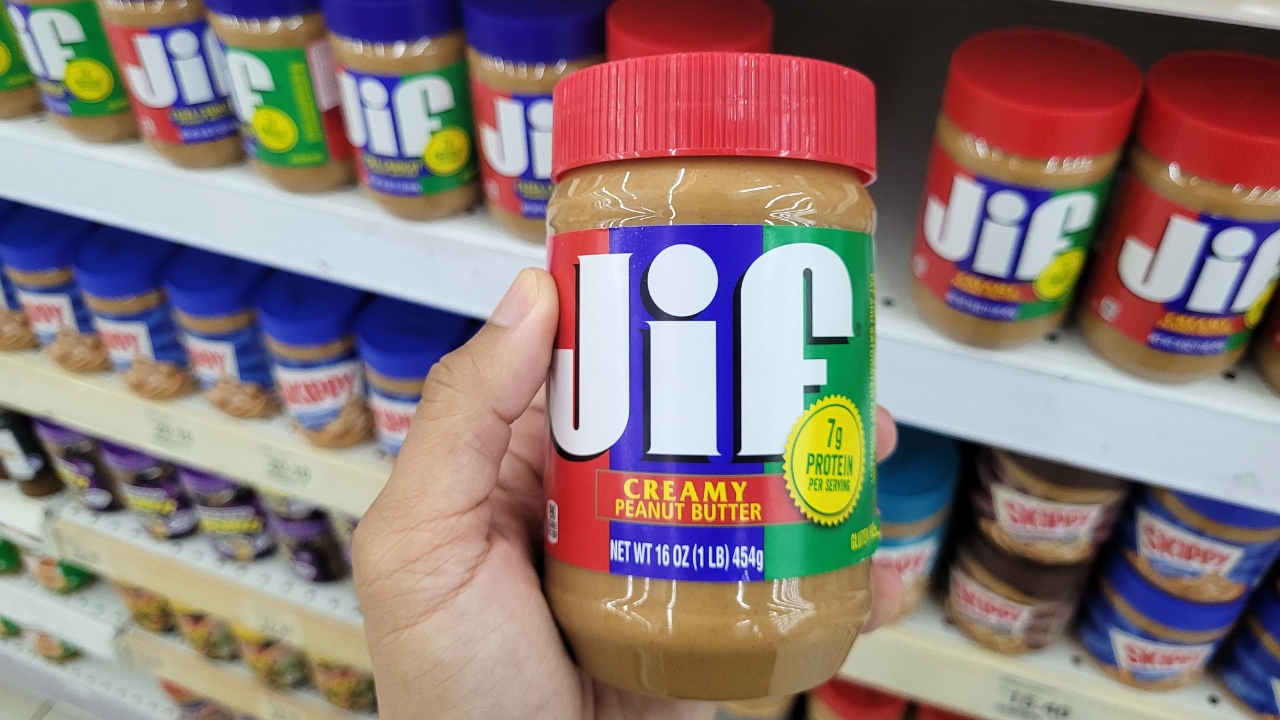
Peanut butter feels like a pantry no-brainer, but how you store it depends on the type you buy. Commercial brands packed with stabilizers are fine in the pantry for months. But if you’re team natural peanut butter, which usually just contains peanuts and salt, it’s a different story. Without preservatives, natural varieties can separate and spoil faster at room temperature.
To keep it smooth and fresh, pop that jar in the fridge once it’s opened—especially if it takes you a while to use up a jar. It might firm up a bit, but a quick stir or a few minutes on the counter softens it right up.
Sugar
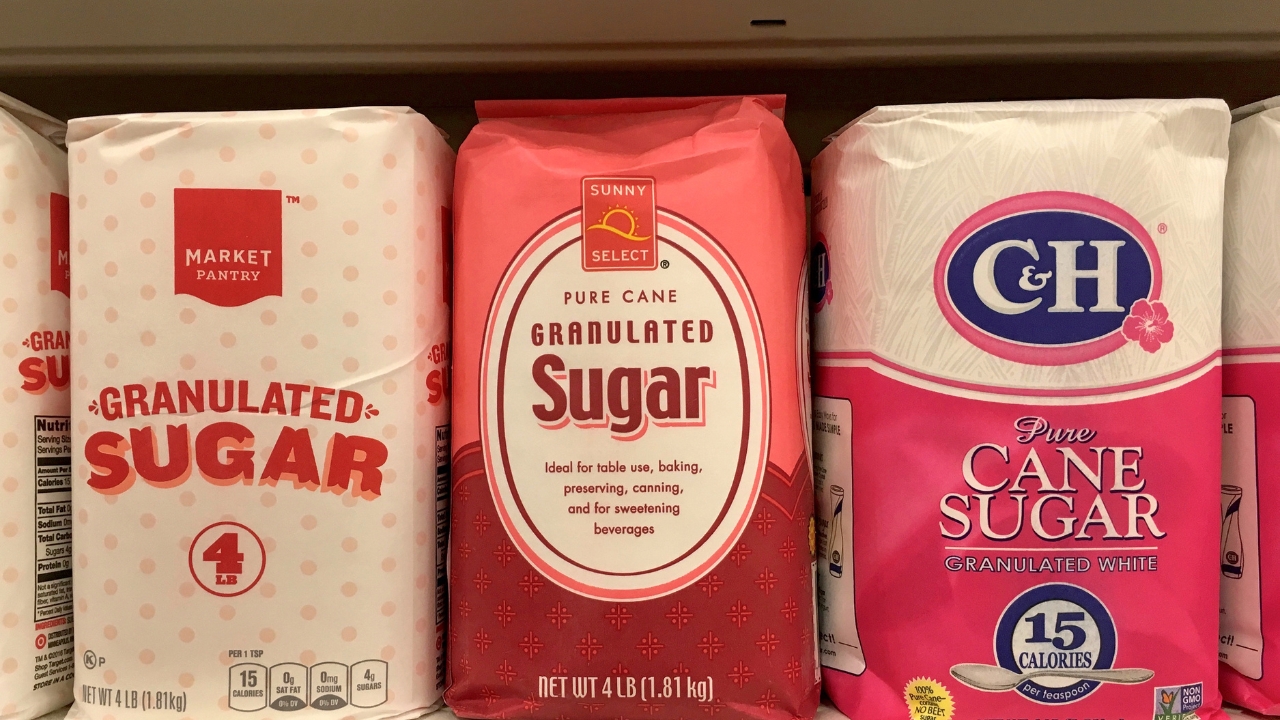
If you’re storing sugar in its original packaging, it’s time for an upgrade. Those flimsy bags might be okay for a while, but any moisture in your pantry can turn your sugar into a clumpy mess. This is especially true for brown sugar, which is notorious for hardening.
The simple solution? Use airtight containers like mason jars or cereal keepers. For brown sugar, toss in a small piece of bread or a terracotta sugar saver to keep it soft. And don’t worry if your white sugar clumps—it’s still usable. A quick smash with a spoon will break it up.
Rice

Storing rice in the bag it came in might seem convenient, but it’s not ideal for long-term freshness. The thin plastic or paper packaging doesn’t provide a tight seal, leaving rice vulnerable to pests and moisture. White rice lasts practically forever if stored correctly, but brown rice, with its natural oils, goes bad faster.
The fix is easy: transfer your rice to an airtight container, like a mason jar or vacuum-sealed bin. For brown rice, consider storing it in the fridge or freezer to keep it fresh for months. Just bring it back to room temperature before cooking.
*This article was developed with AI-powered tools and has been carefully reviewed by our editors.