10 design mistakes HGTV stars advise avoiding at all costs
Living rooms, kitchens, or whole home makeovers—HGTV has given us a lot to admire, but also plenty to learn from. Some design choices that look slick on screen don’t hold up in real homes. I’ve sifted through picks from HGTV pros and trusted design experts to pull out ten mistakes they say to avoid outright.
Furniture Sets That Feel Too Matchy

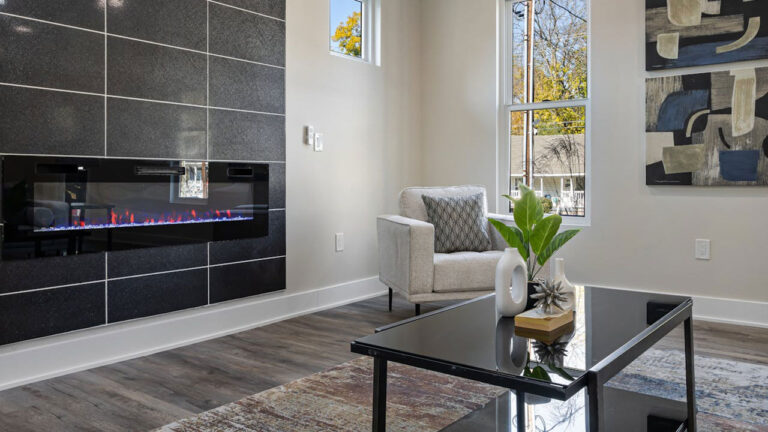
Shea McGee warns against buying matching furniture sets—they can make your space feel staged instead of lived-in. Think of furniture as a curated collection rather than a kit. Mixing textures, colors, or eras brings warmth and personality.
That doesn’t mean chaos—stick with a general palette or rhythm so the pieces still feel cohesive. But skip the showroom vibe. A chair with different fabric or a wooden side table with a bit of patina adds visual interest and help your living room come alive.
Picking the Wrong Scale for Furniture

Bobby Berk highlights how easily scale gets overlooked. A couch that overwhelms or disappears into the room throws off balance. Low ceilings need low-profile pieces; sprawling rooms need substantial seating to feel anchored.
Take your measurements. Think through layouts before shopping. A two-seater might feel lost in a big space—or a massive sectional could suffocate a cozy nook. Right-sizing furniture ensures your room feels intentional and grounded.
Pairing Dark Trim with Dark Walls

David Bromstad calls this a “haunted house” mistake. Dark millwork against dark paint makes everything feel flat and spooky. Instead, contrast is your friend. Light walls make trim stand out, elevating the whole room.
A crisp white or soft neutral turns trim into a feature, not an afterthought. That contrast brings definition and airiness—without losing character. It’s a subtle switch that changes how a room reads.
Painting Before Choosing Furniture

Bromstad also recommends skipping paint until after you find your furniture. Picking paint first often forces you to match pieces into that color—an expensive constraint.
Start with the sofa or bed that fits your lifestyle and budget, then let the palette come from there. Paint is low-cost and easy to change—so use that flexibility to your advantage instead of boxing yourself in.
Removing Character Because It Feels Dated

Bromstad urges homeowners not to toss out vintage elements like original trim, fireplaces, or built-ins just because they feel old. These features bring soul.
He suggests restoring them—maybe paint or refinish—rather than demolition. That blend of old and new grounds your space in history while making it feel alive.
Feature Walls That Shrink a Room

Even Bromstad cautions against accent walls in small spaces. While eye-catching, a bold wall can visually segment and shrink a room.
Stick to a uniform paint scheme in tight areas and choose lighter tones. That keeps corners from feeling boxed in and lets the room feel more spacious and calm.
Skylights That Leak More Than They Beam

Erin Napier says skylights can end up as maintenance headaches—leaks, cleaning hassles, and heat gain. Despite their appeal, they’re often more trouble than benefit.
If you have one, consider replacing it with clear roofing or removing it during roof updates. Otherwise, save the projects for features that don’t risk water intrusion and extra upkeep.
Painted Furniture That Hides the Grain

Napier would rather you appreciate rich wood than cover it. Painted furniture can flatten out its natural beauty. She encourages embracing wood grain with finishes that bring it forward.
A well-loved piece with visible grain feels timeless and textured. If you inherited painted pieces, a good refinish can uncover something unexpectedly charming.
Oversized Rugs That Don’t Anchor the Room

Designers across the board call out undersized rugs as a rookie move—they float and make rooms feel disconnected. Always choose a rug big enough to tie your seating arrangement together.
Make sure at least front legs of furniture sit on it. That brings cohesion and comfort. It’s an easy detail people overlook, but instantly makes the space feel planned.
Design That Feels Sterile or Lacks Personality

Designers warn about spaces that feel like they were baked from a catalog entry—furniture must match perfectly, walls lack texture, there’s no life in decor.
Instead, curate. Mix vintage finds with new pieces. Let your decor reflect your story. Even simple changes—like mismatched accents or heirloom art—make a home feel alive and yours, not staged.
*This article was developed with AI-powered tools and has been carefully reviewed by our editors.