10 Easy Ways to Weatherproof Your Home for Any Season
Image Credit: Lindasj22/ Shutterstock.
Weatherproofing your home might sound like a big project, but it’s really about making small changes that can save you money and keep your house comfortable no matter the weather. From sealing up drafts to upgrading outdated systems, these practical updates can make a huge difference.
The best part? Many of them are simple enough to tackle over a weekend and come with incentives that help lighten the financial load. Whether you’re battling summer heat, winter chills, or just trying to cut down on energy bills, these tips will get you there without breaking the bank.
Get a Home Energy Audit
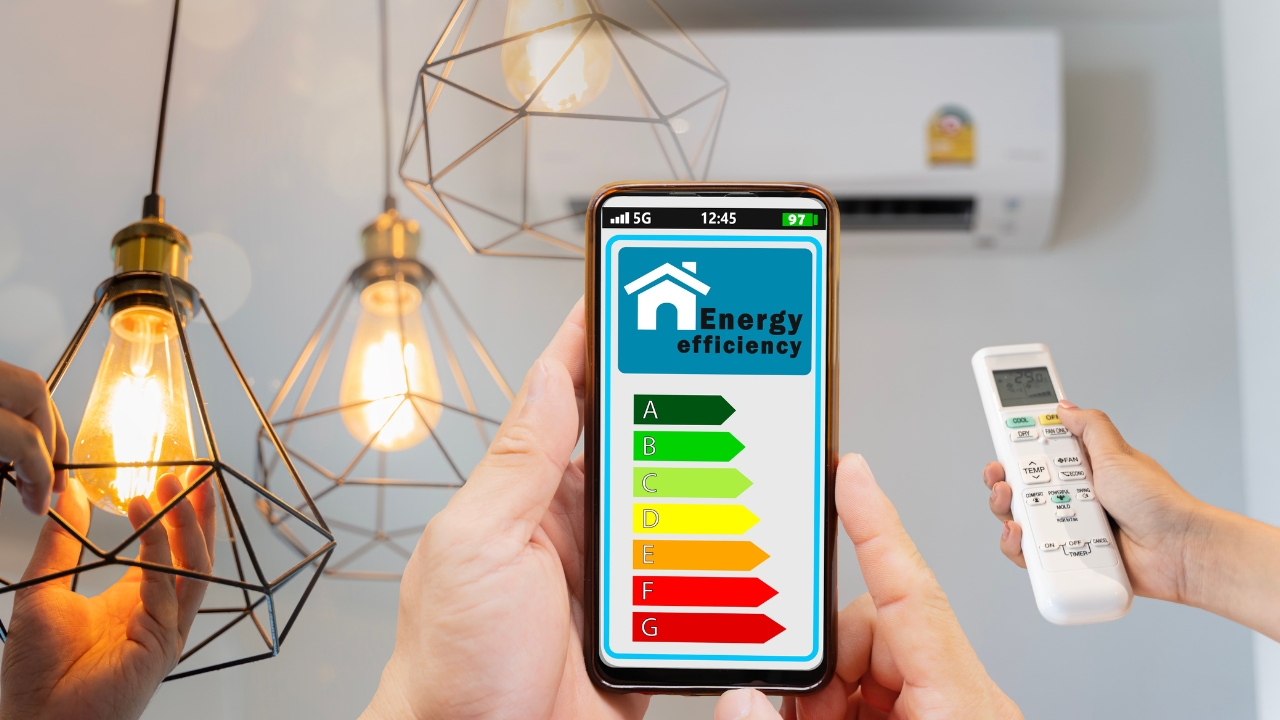
A home energy audit is like a check-up for your house’s energy use. It pinpoints the spots where your home is losing heat or letting drafts sneak in, so you can fix them and save money in the long run. From identifying poor insulation to spotting air leaks, an audit sets you up for making improvements that will keep your home comfortable year-round and your utility bills in check.
Here’s the bonus: thanks to the Inflation Reduction Act (IRA), you could snag a tax credit of up to 30% of the cost of the audit, capped at $150. That’s a win-win for your wallet and your home’s efficiency.
Upgrade to Energy-Efficient Windows and Doors
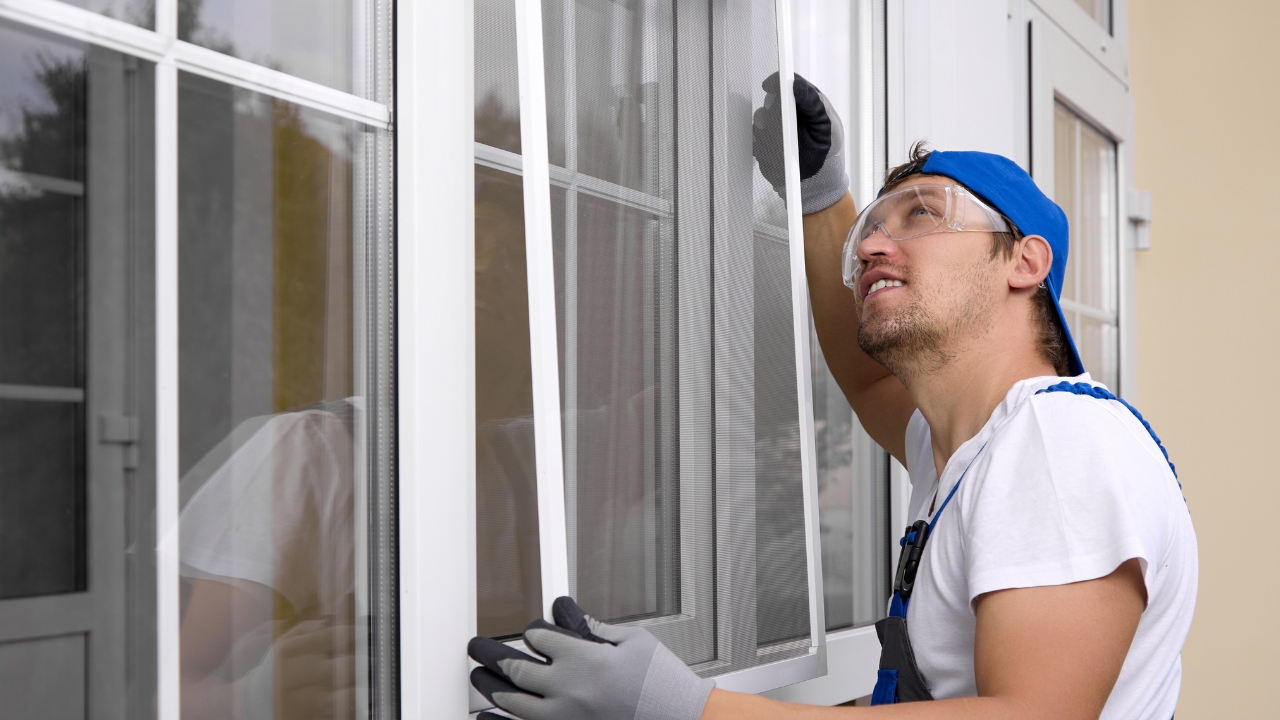
Old windows and doors are basically invitations for outdoor air to invade your space. Switching to energy-efficient models creates a much tighter seal, which keeps your home cozy in winter and cooler during summer. These upgrades don’t just improve comfort—they also cut down on how hard your HVAC system has to work, meaning noticeable savings on your energy bill.
Plus, here’s another perk: under the IRA, you could get a tax credit of up to 30% for making the switch, with a yearly cap of $600. It’s a practical investment that pays off in more ways than one.
Add Insulation to Your Attic and Walls
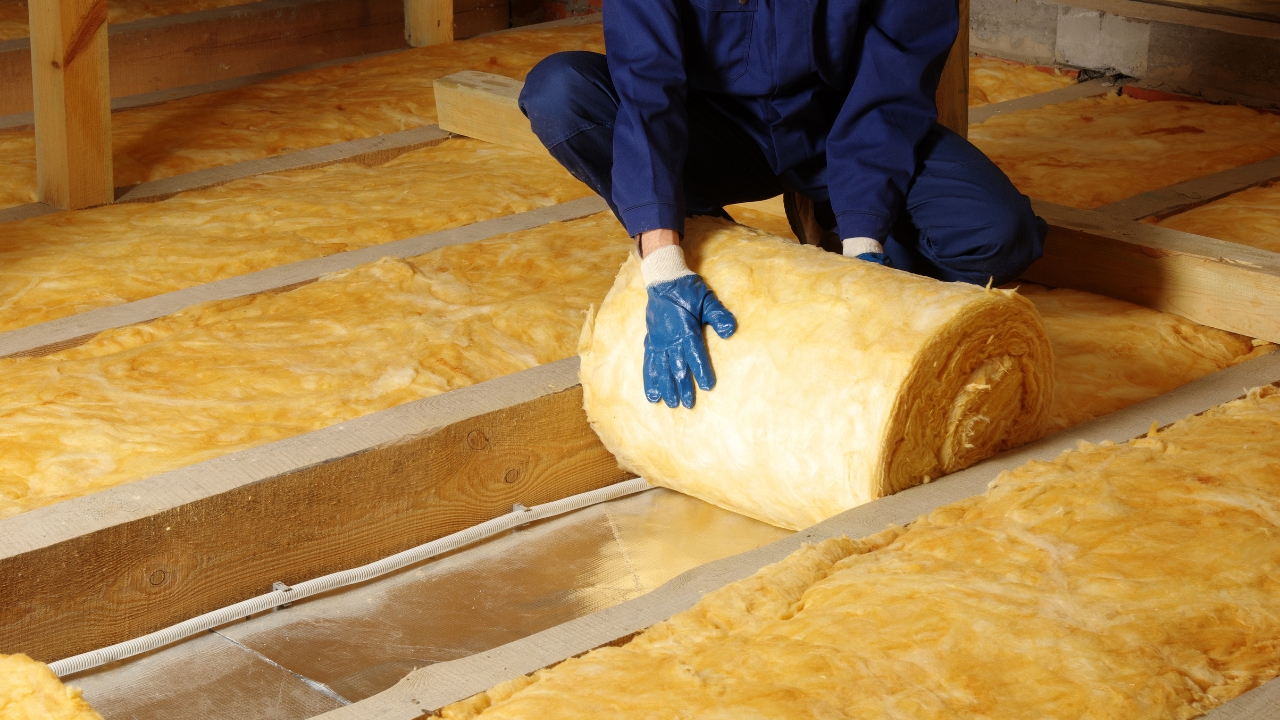
Insulation is your home’s first line of defense against winter chills and summer heat. By adding insulation to your attic and walls, you can trap warm air inside during the colder months and keep your house cooler when it’s hot out. This upgrade doesn’t just boost comfort—it also helps eliminate those annoying drafts and chilly spots that always seem to pop up.
Beyond comfort, proper insulation protects your home from moisture buildup, reducing the risk of mold and structural damage. Plus, the Inflation Reduction Act (IRA) makes this upgrade even sweeter with a potential tax credit of up to $1,200 per year.
Upgrade Your Heating System
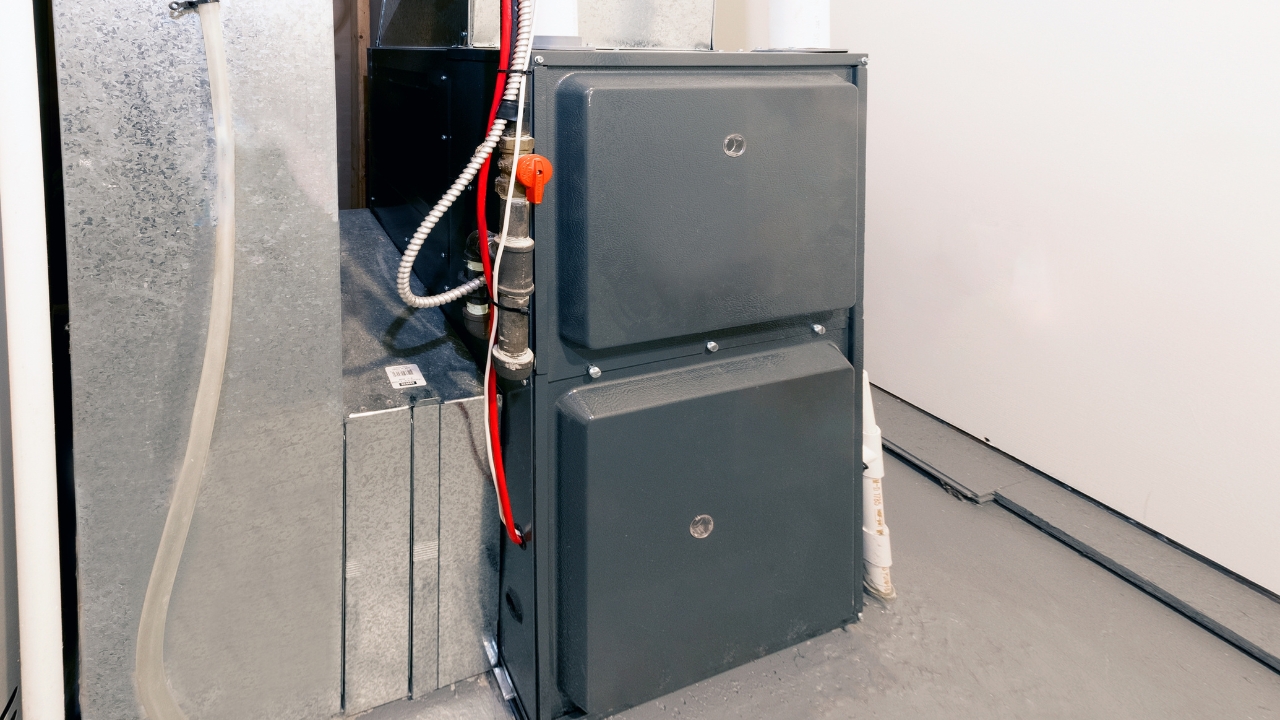
If your heating system feels like it’s always running but your house never feels warm enough, it might be time for an upgrade. Swapping out an older system for a high-efficiency furnace or heat pump can save you serious money on energy bills. These systems are designed to use less energy while keeping your home cozy and consistent all season long.
What’s better? The IRA offers a 30% tax credit on the cost of qualifying heating systems, up to $2,000 annually. It’s a smart investment that keeps you warm while putting a little money back in your pocket.
Install Solar Energy Systems
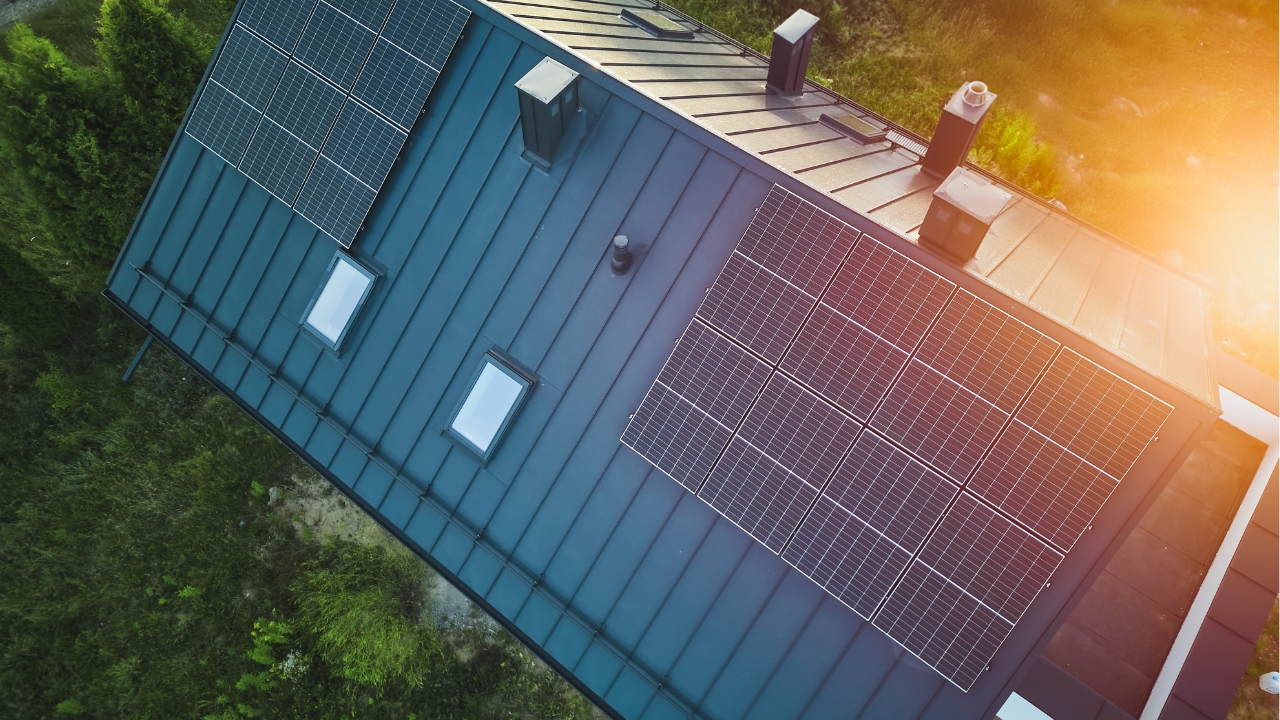
Solar panels aren’t just for sunny summer days—they can help lower your energy costs year-round. Even in winter, solar panels capture sunlight to generate electricity, offsetting your reliance on traditional energy sources. And if you’re looking to go a step further, solar water heaters are a brilliant way to use solar energy to heat your home’s water, slashing energy usage and saving money.
Here’s the good news: under the Inflation Reduction Act (IRA), you can claim substantial tax credits for installing solar panels or solar water heaters, making this investment a lot more affordable upfront.
Upgrade Your Electric Panel
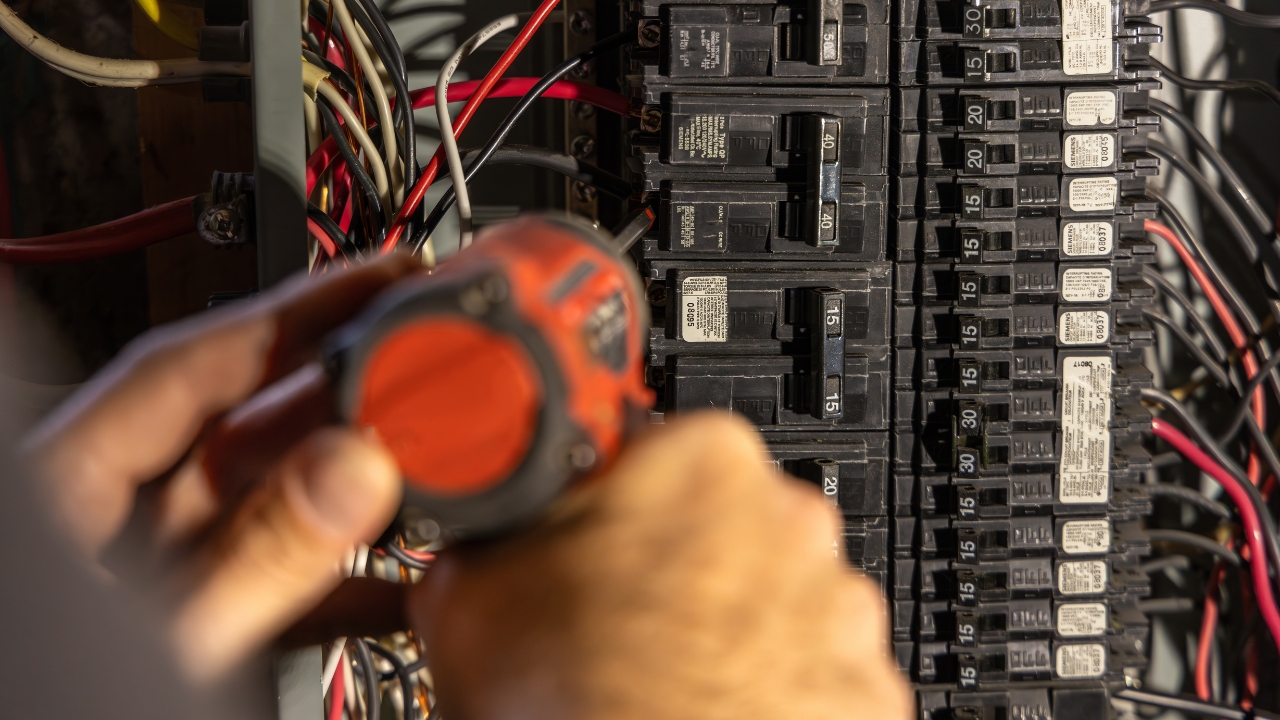
An outdated electric panel isn’t just inefficient—it can also limit your ability to add modern upgrades like solar panels or energy-efficient appliances. Upgrading to a newer panel ensures your home can handle today’s electrical demands and makes integrating renewable energy systems seamless.
The Inflation Reduction Act (IRA) sweetens the deal with a tax credit to help offset the cost of this improvement. It’s a practical step that boosts your home’s energy efficiency and prepares it for future advancements, all while easing the financial burden.
Add Battery Storage Systems
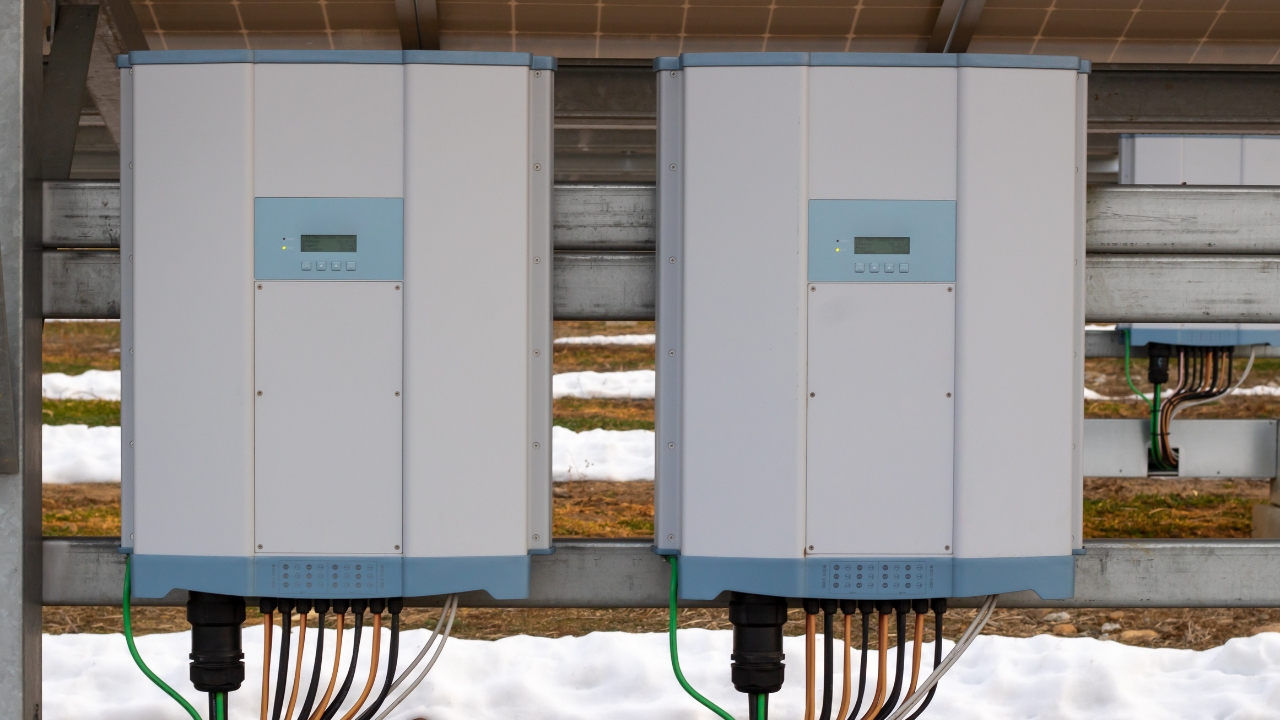
Battery storage technology is a game-changer if you’ve got solar panels or are thinking about adding them. These systems store extra energy your panels produce during sunny days, letting you use it when demand is high or when the sun isn’t shining. It’s a great way to cut your reliance on the grid, lower your energy bills, and keep the lights on during a power outage.
Even better, the Inflation Reduction Act (IRA) offers a federal tax credit for up to 30% of the cost of installing a battery storage system. It’s a solid investment that makes your home more self-sufficient while giving you some peace of mind.
Consider Adding a Green Roof

A green roof might not be the cheapest option, but it’s one of the most unique and eco-friendly ways to weatherproof your home. The layer of vegetation acts as insulation, keeping your home cooler in the summer by absorbing heat and warmer in the winter by holding in heat. It’s like a natural blanket for your roof.
On top of that, green roofs are great for managing stormwater. By soaking up rain, they help prevent flooding and reduce pressure on local drainage systems. If you’re up for a big project with big benefits, this one’s worth considering.
Protect Your Home’s Exterior with Weatherproof Paint
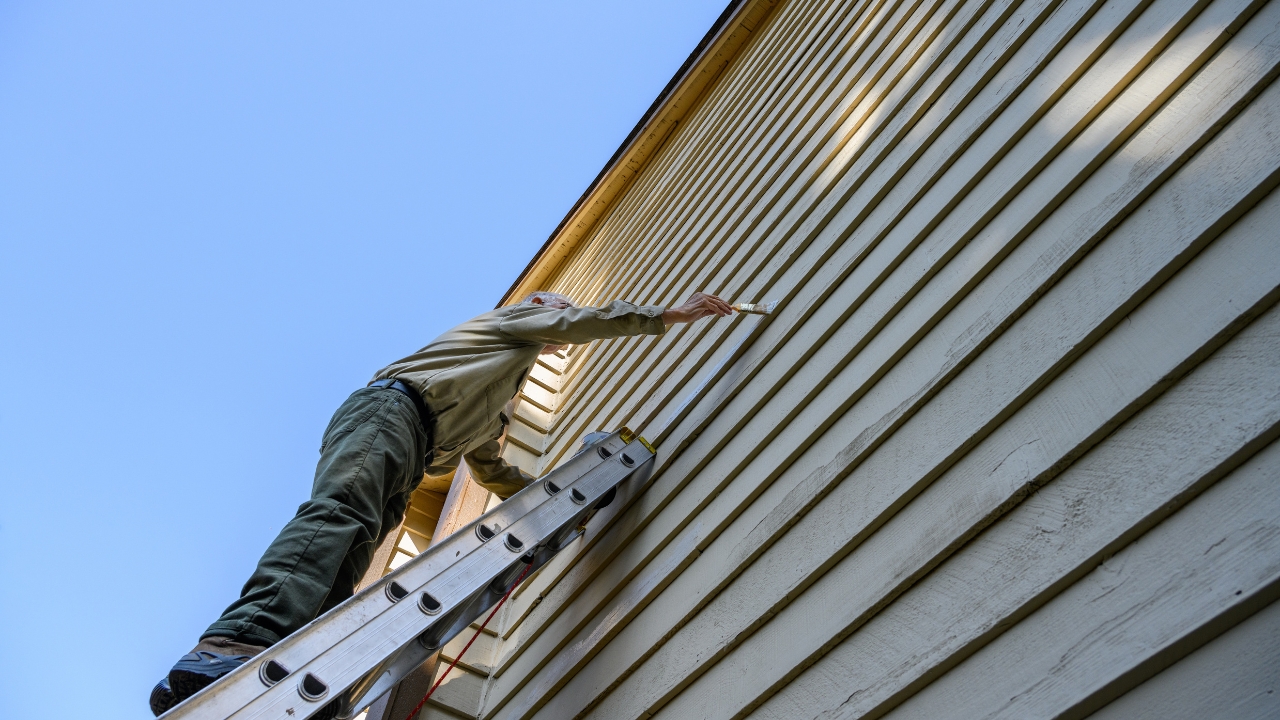
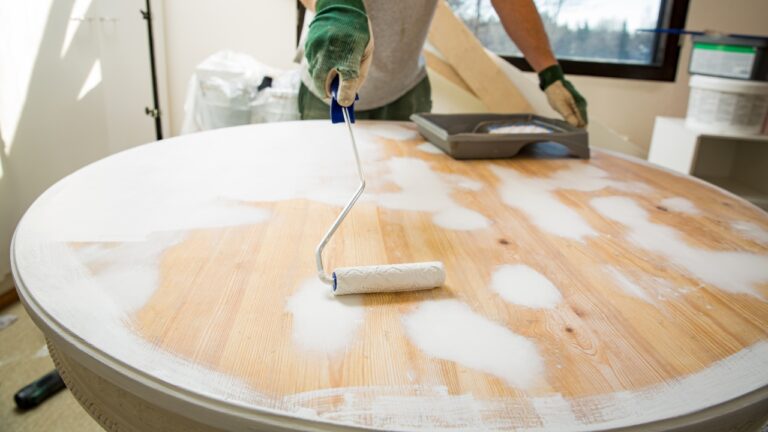
A fresh coat of paint does more than make your house look good—it adds a layer of protection against harsh weather. If you live in a sunny area, opt for paint with UV protection to guard against fading and cracking. In wetter climates, look for a waterproof finish to shield your home from moisture damage. Regular painting not only preserves the look of your home but also keeps its structure intact.
If your paint is peeling, bubbling, or fading, it’s a sign to tackle this project. Summer is ideal for repainting, as dry weather ensures the paint sets properly. Don’t forget about your windows—adding insulated shades or heavy drapes can also help keep drafts out and temperatures stable inside.
Clean and Maintain Your Gutters
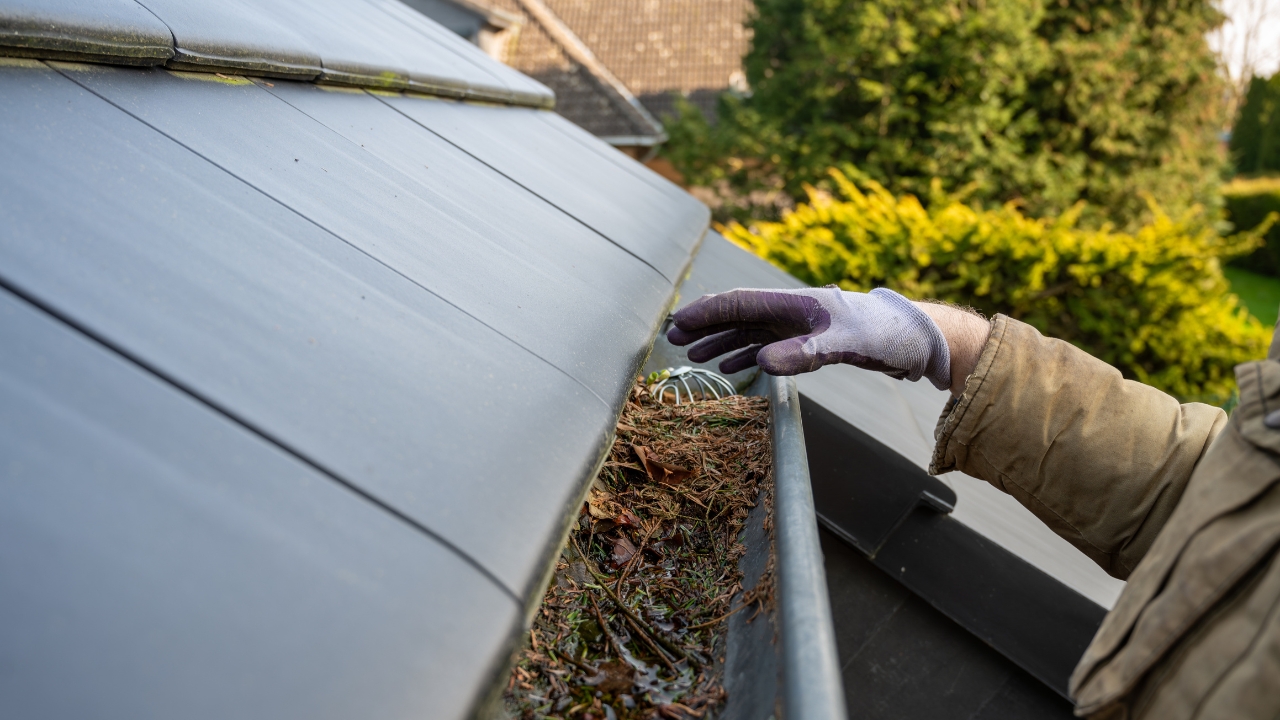
Gutters might not be glamorous, but they’re critical for keeping your home safe from water damage. When leaves and debris clog gutters, water overflows, potentially causing cracks in your foundation or leaks in your basement. Keeping your gutters clean and in good repair ensures water flows away from your house as it should.
Watch for signs like sagging, cracks, or standing water beneath your gutters—they’re a red flag that maintenance is overdue. Take care of this task before the rainy season hits, and make sure the slope of your gutters is correct for proper drainage.
*This article was developed with AI-powered tools and has been carefully reviewed by our editors.